Blockchain
How to Build a P2P Crypto Lending Platform
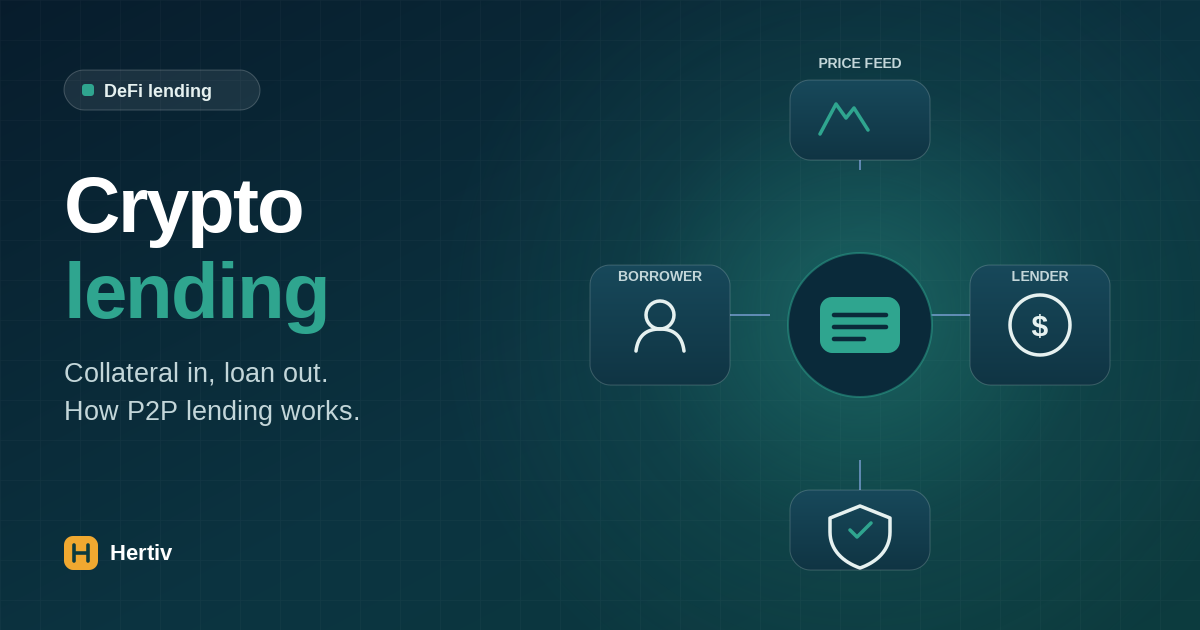
A P2P crypto lending platform lets borrowers pledge crypto as collateral while lenders earn interest. The build, the risks, and the steps in order.
Practical guides on tokenization, stablecoin payments, wallets and smart contracts.
1663 posts · page 47 of 70
A P2P crypto lending platform lets borrowers pledge crypto as collateral while lenders earn interest. The build, the risks, and the steps in order.
IP tokenization turns patents, music and brand rights into tokens that can be licensed, split and sold. How it works, what a token carries, and where it breaks down.
These eight mobile wallet app development companies build payment and wallet apps for enterprises. Compare their focus, strengths and what to check before you sign.
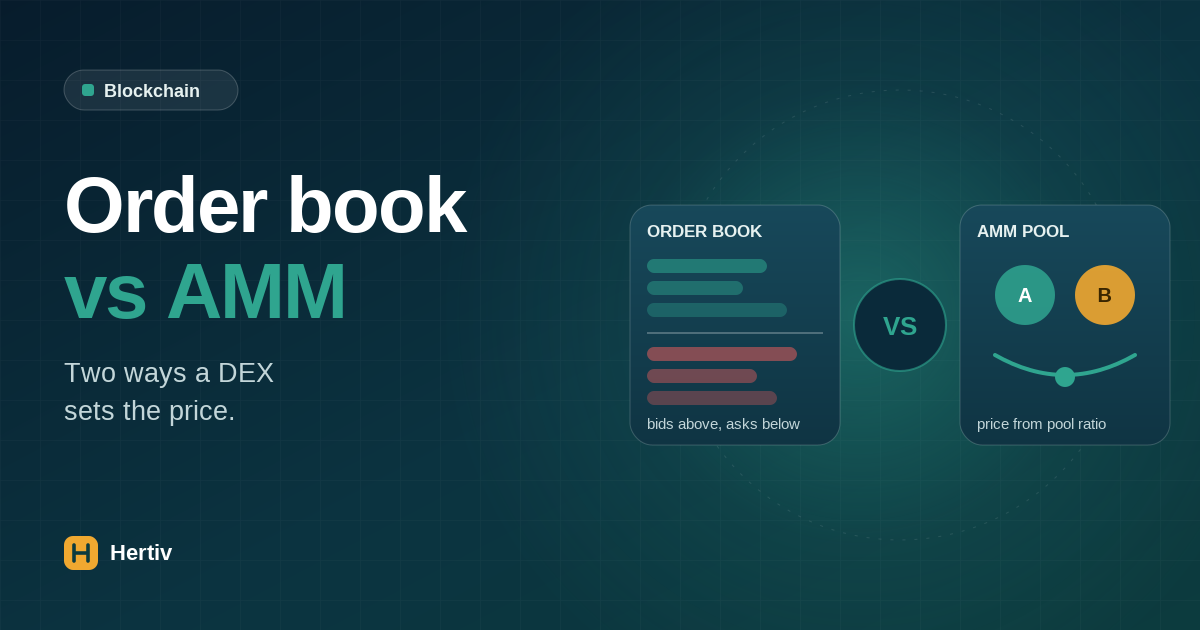
Order book DEXs match buyers and sellers at set prices, while AMMs price trades from liquidity pools. Compare how each works, its cost, and which suits your trade.
Promoting an ICO means reaching the right buyers with a clear story, an active community and honest compliance. These three tips cover the channels that matter most.
A white label crypto wallet still needs licences, KYC and custody controls. Learn what a startup must arrange before launch.
Tokenization turns private equity interests into digital tokens on a ledger. Compare it with traditional fund structures on access, liquidity and cost.
Promoting an ICO means reaching the right buyers with clear, honest facts about the token and the team. Here is a practical plan that stays inside the law.
Tokenized money is cash or deposits held as digital tokens on a ledger, so value can move and settle in minutes. Here is how deposits, stablecoins and CBDCs differ.
Decentralized identity lets enterprises verify people without holding personal data in one central store. Here is how DIDs and verifiable credentials work.
Proof of work secures a chain with computing power, while proof of stake uses locked coins. Compare cost, speed, security and where each method fits.
A white label ICO platform earns from licence fees, a share of funds raised, token allocations and added services. See how each income line works.
Open source Securitize alternatives give you the code to issue tokenized securities yourself. Compare eight options, from purpose-built chains to contract libraries.
Quantum computing threatens the signatures protecting Bitcoin, Ethereum and Solana, not the blockchains themselves. Here is what is at risk and what chains can do.
DeFi lets a business settle payments, borrow and earn yield on protocols instead of through a bank. Here is where it fits, what it costs, and how to start small.
China's tokenization market runs through state-backed pilots, Hong Kong issuance and digital yuan rails. Here is where the openings sit for business leaders.
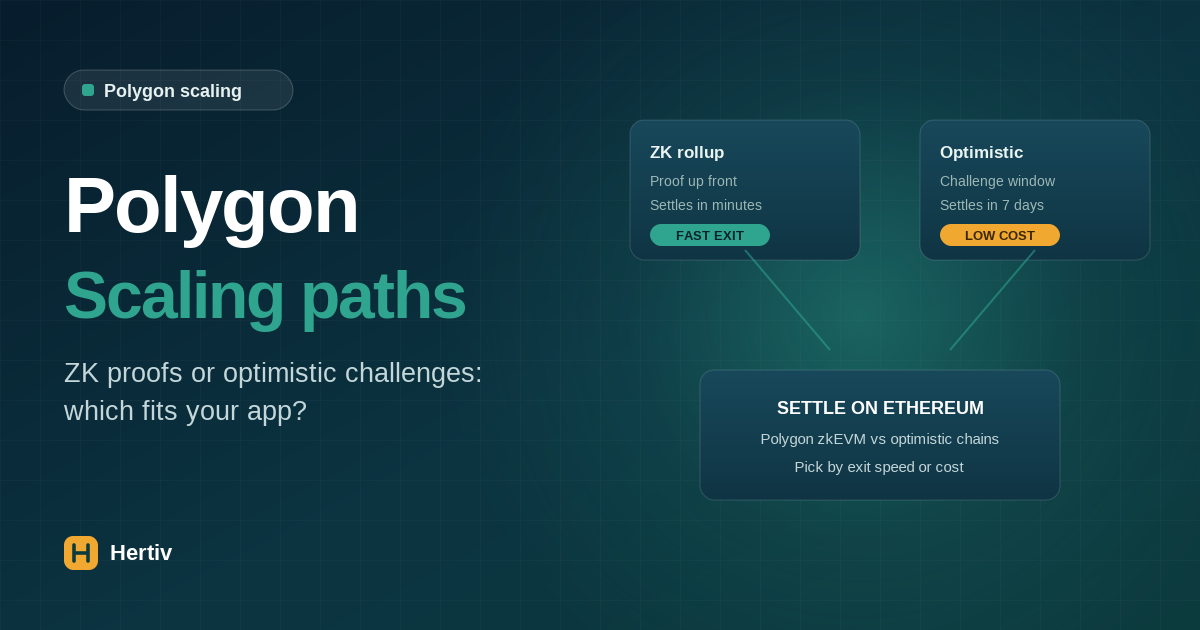
Polygon scales Ethereum with ZK rollups like Polygon zkEVM, while optimistic rollups take a different route. This guide compares how each works and when to pick it.
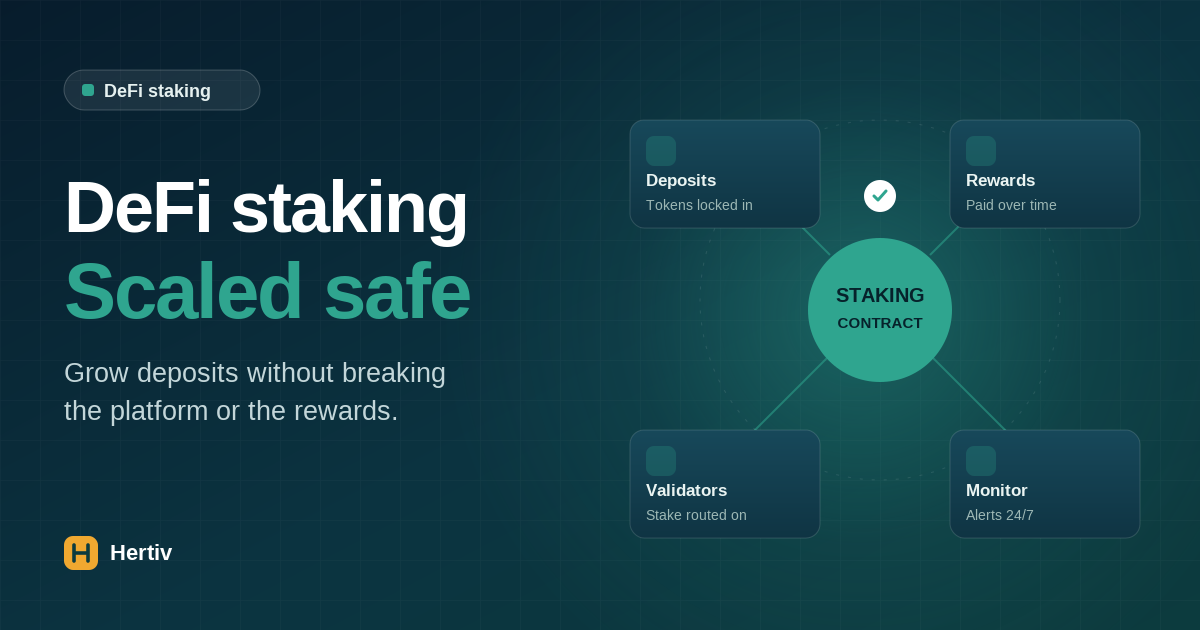
A DeFi staking platform must handle growing deposits and rewards without breaking. This guide covers scaling, security checks and the mistakes that cost teams most.
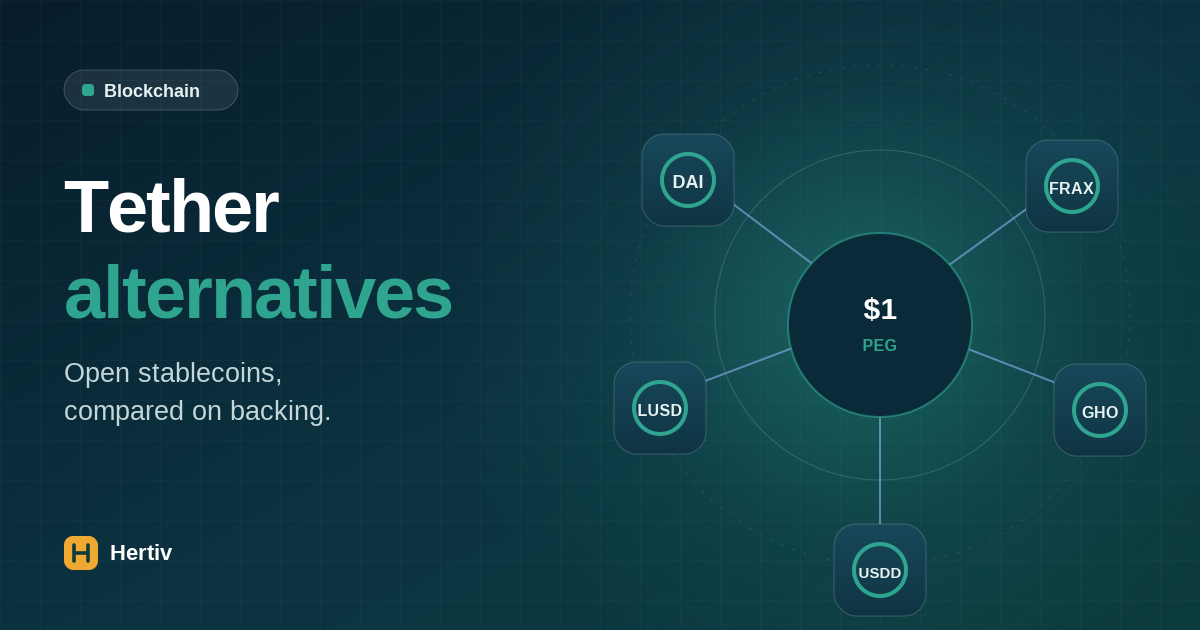
Tether (USDT) is the largest stablecoin, but alternatives such as DAI, Frax and LUSD offer different backing and transparency for teams that read the code.
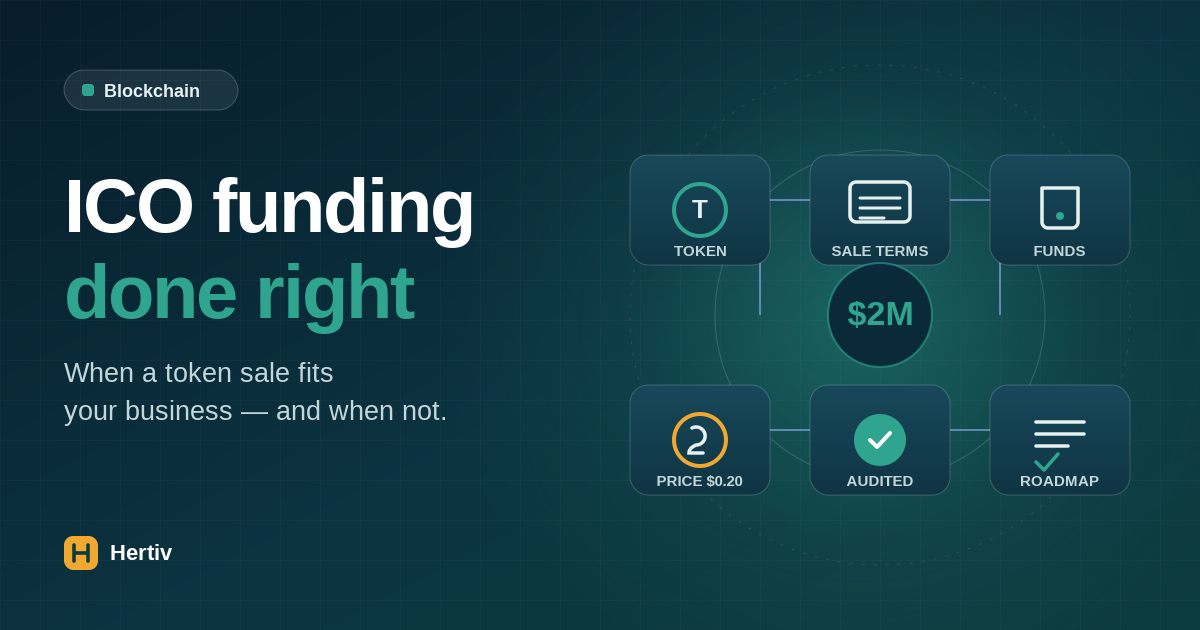
An ICO can raise funds fast by selling tokens, but it only fits businesses with a real product need for a token, a clear legal path and informed investors.
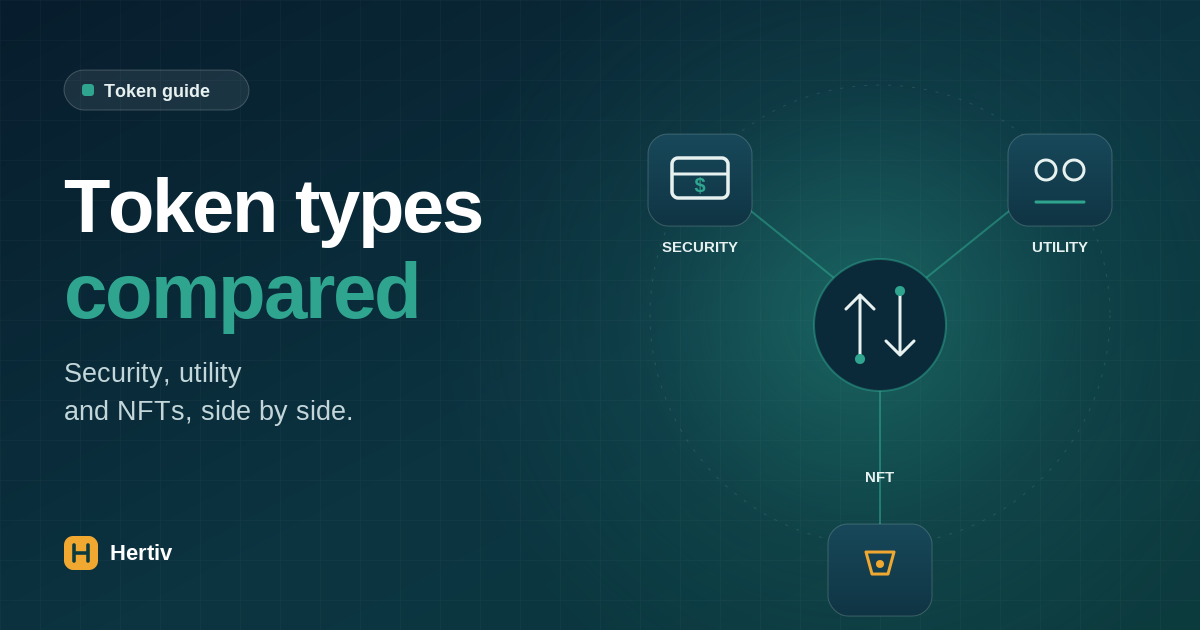
Security tokens are regulated investment, utility tokens give service access, and NFTs prove ownership of one unique item. They differ in purpose, rights and rules.
Stock tokenization turns a share into a digital token on a blockchain, so it can be traded around the clock and split into smaller pieces. Here is how it works.
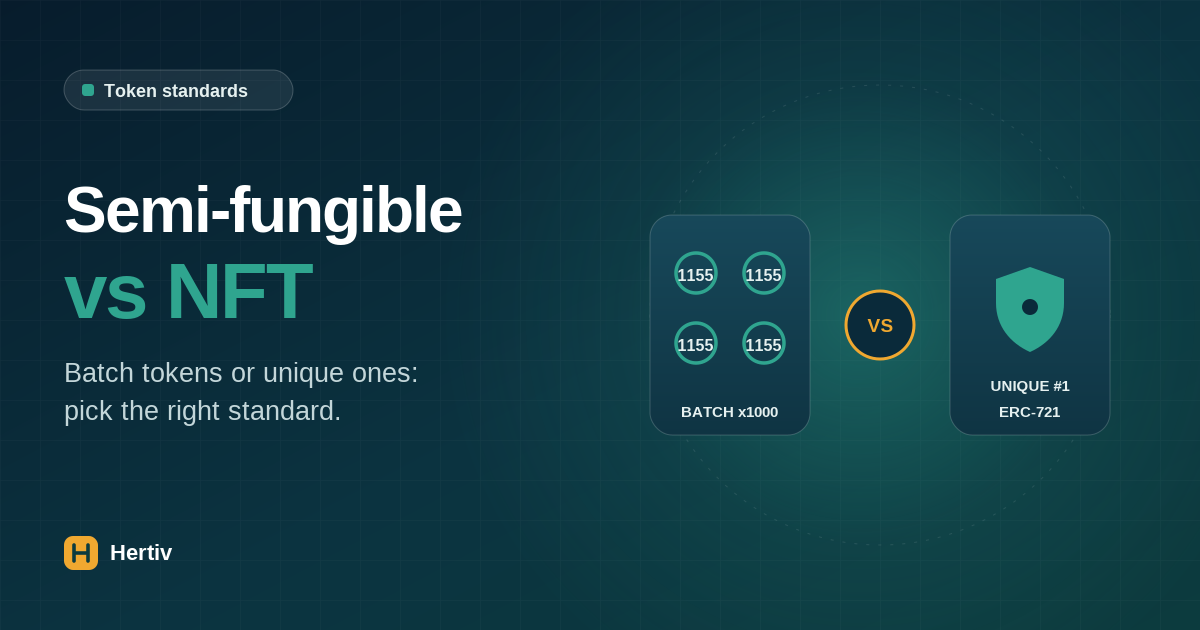
Semi-fungible tokens and NFTs both live on a blockchain, but they suit different jobs: one fits identical items in a batch, the other fits unique items.
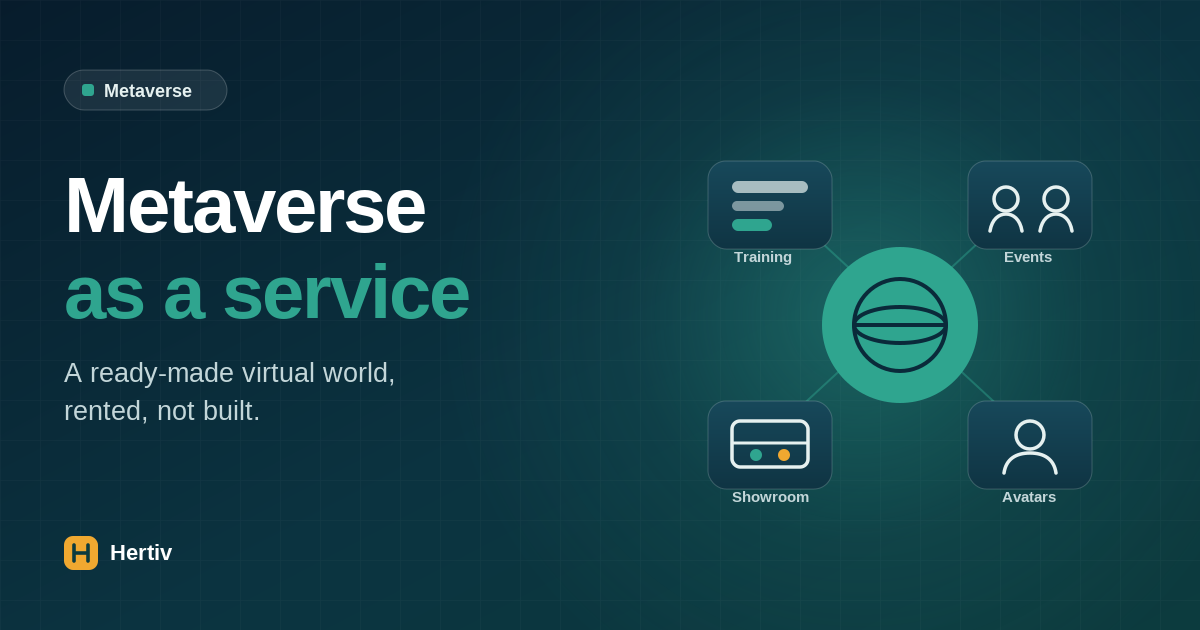
Metaverse as a service gives enterprises a ready-made virtual world platform: avatars, spaces, identity and payments, without building the 3D engine themselves.
No posts on this page match. Use site search (Ctrl K) to search every post.
A senior engineer reads every request and replies within one business day with questions, a rough range, or a call link.