Blockchain
Utility Tokens vs Security Tokens: What Is the Difference?
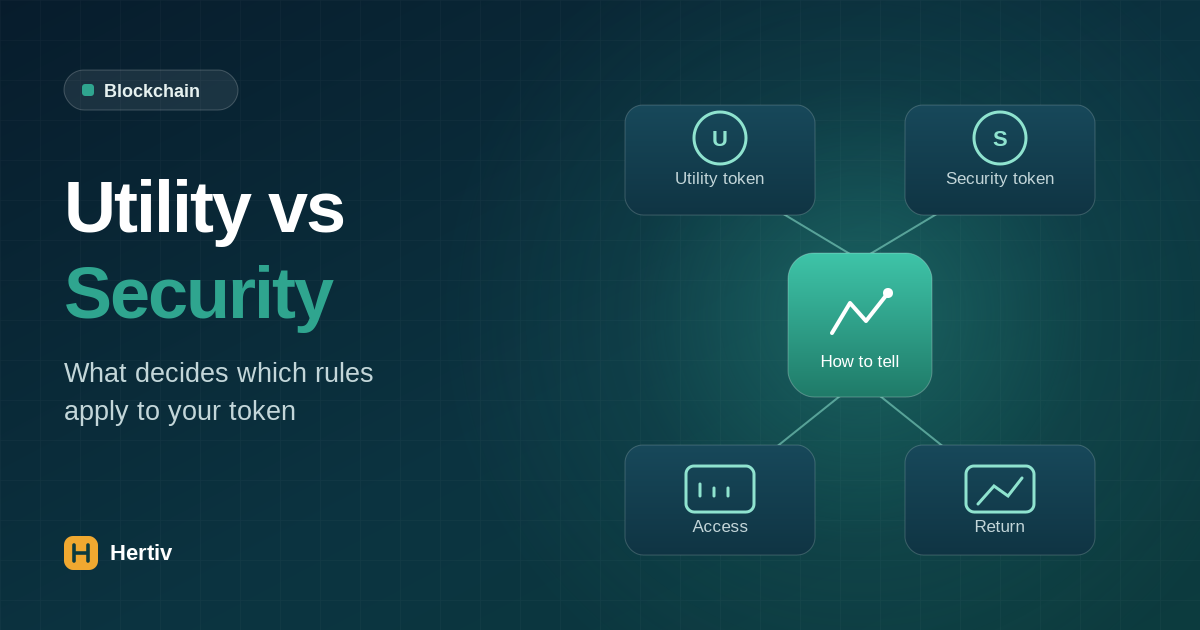
A utility token buys access to a product or service, while a security token is an investment with a claim on returns. Which rules apply depends on the difference.
Practical guides on tokenization, stablecoin payments, wallets and smart contracts.
1662 posts · page 49 of 70
A utility token buys access to a product or service, while a security token is an investment with a claim on returns. Which rules apply depends on the difference.
Spot trading means owning the coin; futures means betting on its price with borrowed funds. Here is how the costs, risks and exits compare.
FIU registration is mandatory for crypto businesses serving Indian users. Here is what it costs, how registration works, and what you must report.
Stablecoins can settle supplier invoices in minutes instead of days. Here is how the payment flows, which rails to choose, and how to keep the books straight.
Smart contracts are changing fast: smart accounts, intent-based fills, cross-chain messaging and better audit tooling. Here are the eight trends that matter most.
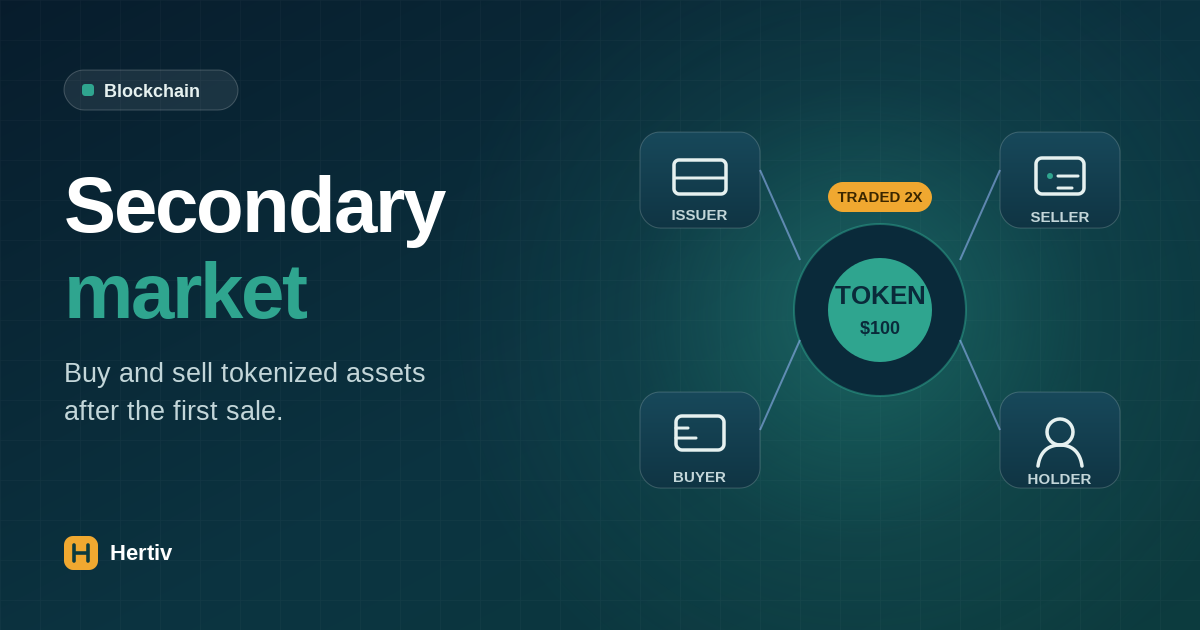
A secondary market lets investors buy and sell tokenized assets after the first sale. Here is how trades settle, who can trade, and what makes a token easy to exit.
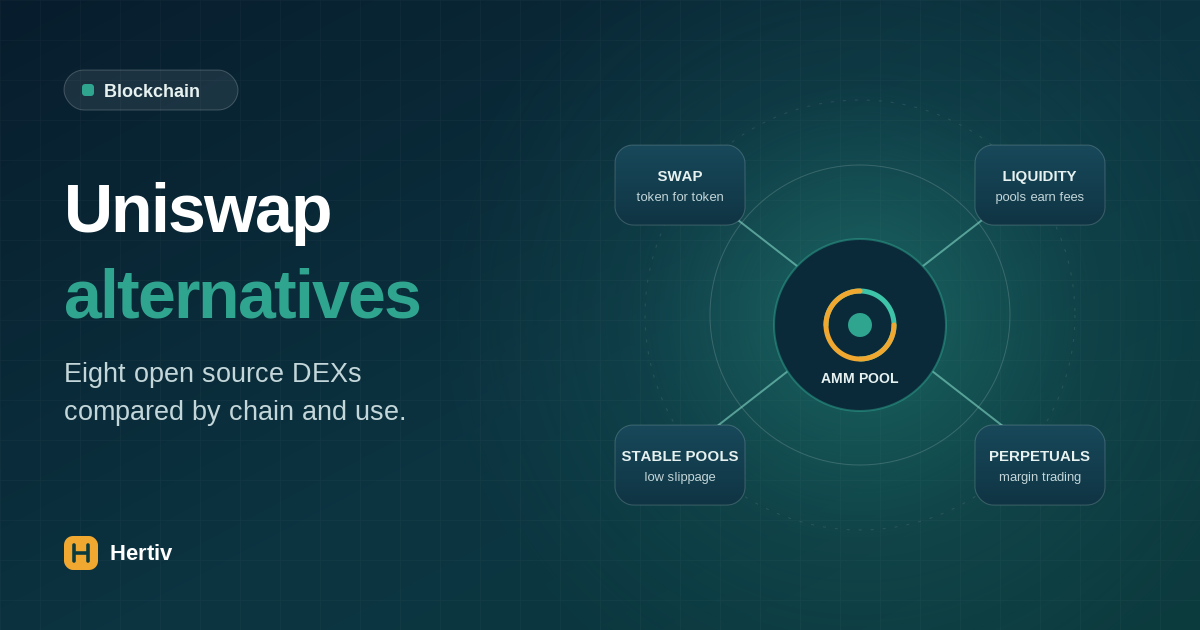
These open source Uniswap alternatives cover the same AMM trading with different chains, fees and features. Compare them before you build or trade.
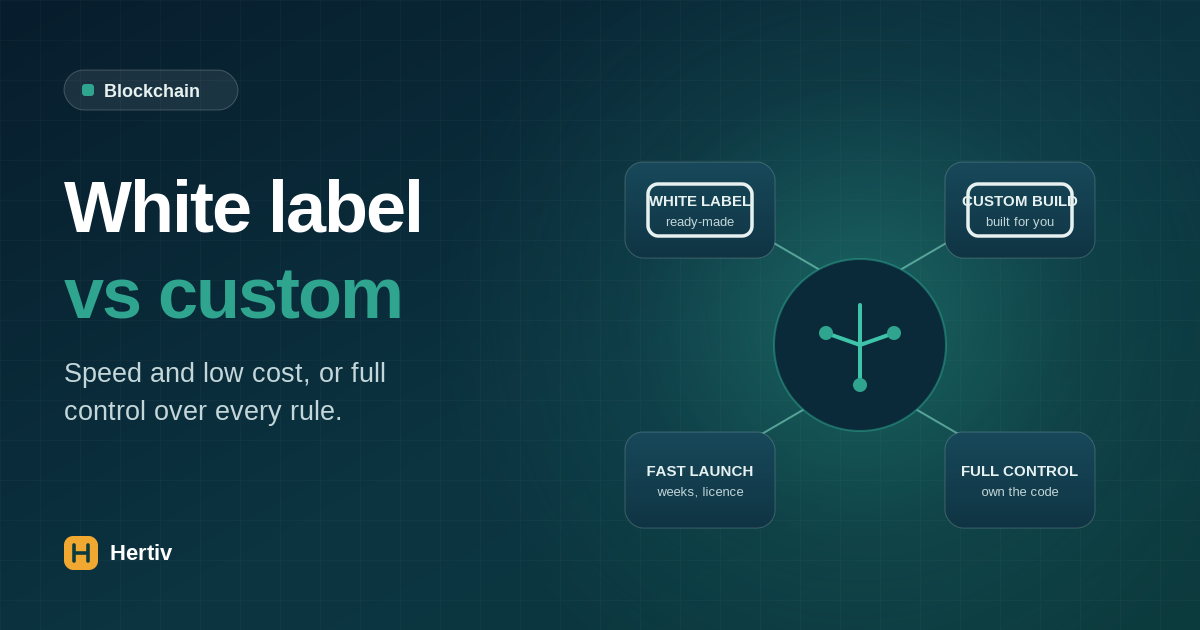
A white label tokenization platform gets you to market fast under your own brand, while a custom build gives you full control. Compare cost, time and limits.
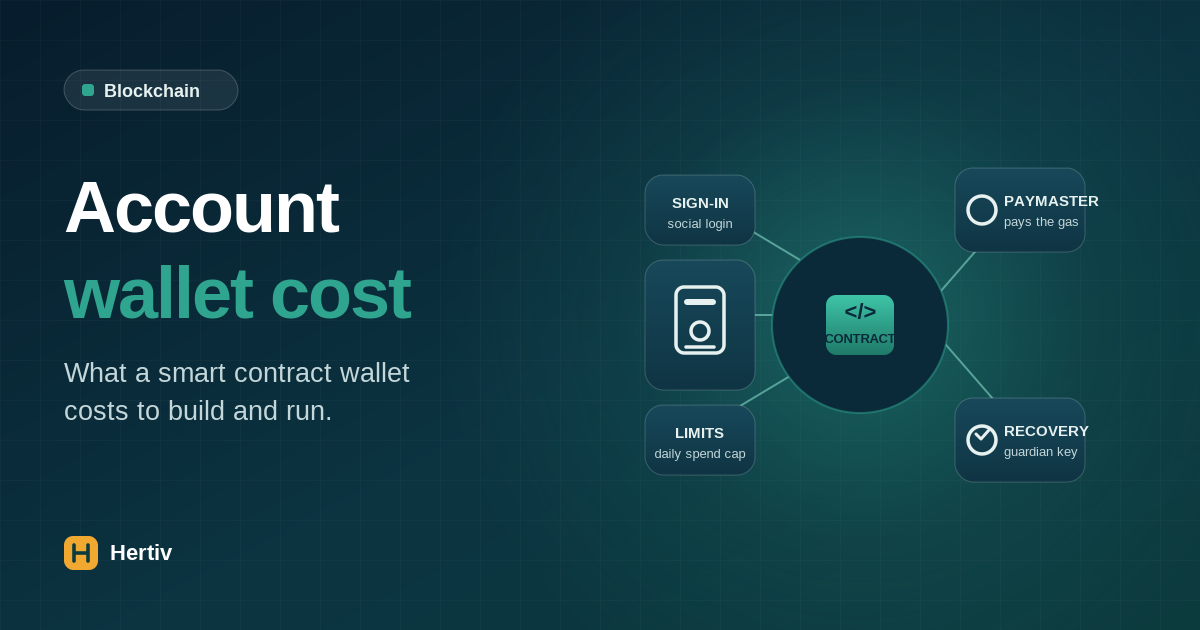
An account abstraction wallet costs more than a basic wallet because the account itself is a smart contract. See what drives the price and how to budget it.
Validating a blockchain idea means testing the problem, the demand and the payment before you build. Start with five questions, then run a small paid pilot.
zkSync, Starknet and Polygon zkEVM scale Ethereum with zero-knowledge proofs, but differ on EVM fit, language and maturity. Here is how to choose.
Before you hire a blockchain development company, check its past work, its team, its security practice and its contracts — and spot a weak vendor before you sign.
Tokenized debt turns a loan or bond into digital tokens on a blockchain, so it can be split, traded and settled faster. Here is how it works and where it can fail.
Crypto development cost depends on what you build, which chain you use and how much security review you need. Learn the cost parts and how to budget a first build.
The smart contract audit tools startups use most: static analysers, fuzzers and test frameworks that catch bugs before an audit, with what each one is for.
Writing a smart contract means defining one small job, coding it in Solidity or another chain language, testing the failure paths, and deploying to a testnet first.
Blockchain in education verifies certificates, carries transcripts between schools and tracks funding. The impact so far is faster checks and portable records.
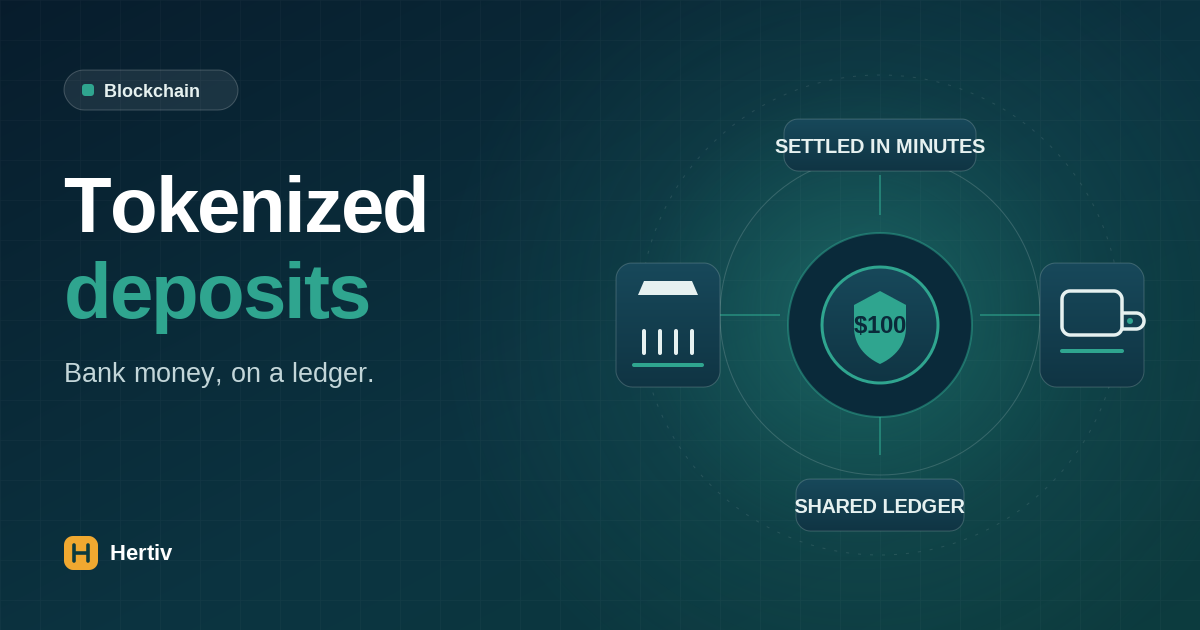
Tokenized deposit platforms turn bank deposits into digital tokens on a shared ledger, so money can move in minutes with a full audit trail. Here is how they work.
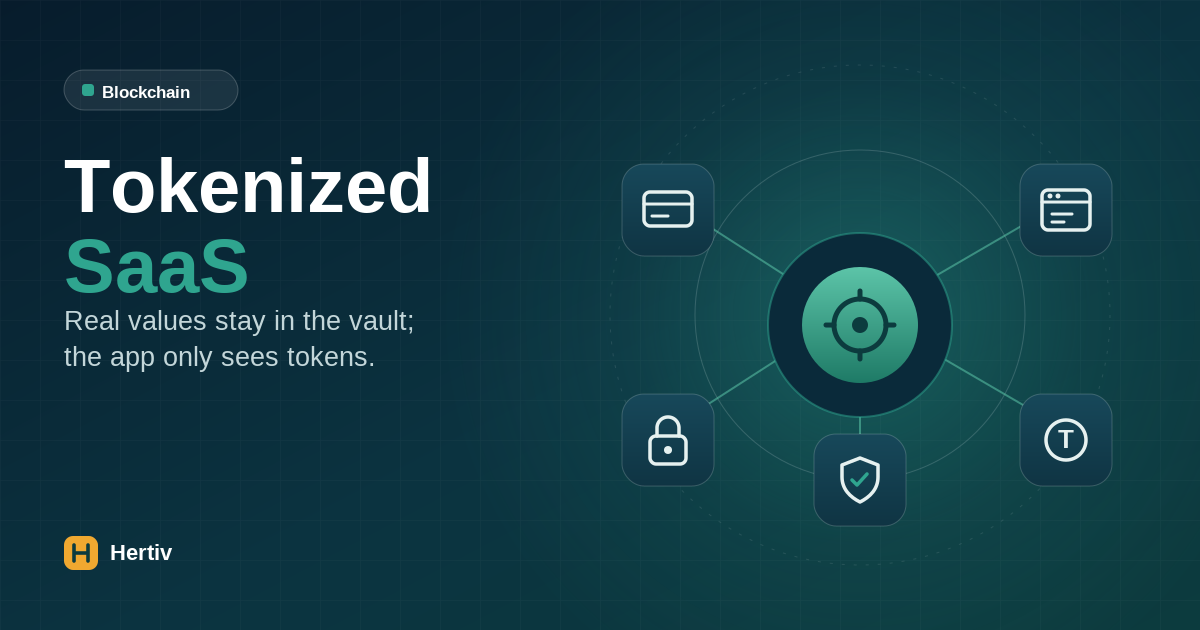
Tokenization replaces card numbers and other sensitive values in a SaaS platform with tokens that are useless if stolen. Here is how it works and where it helps.
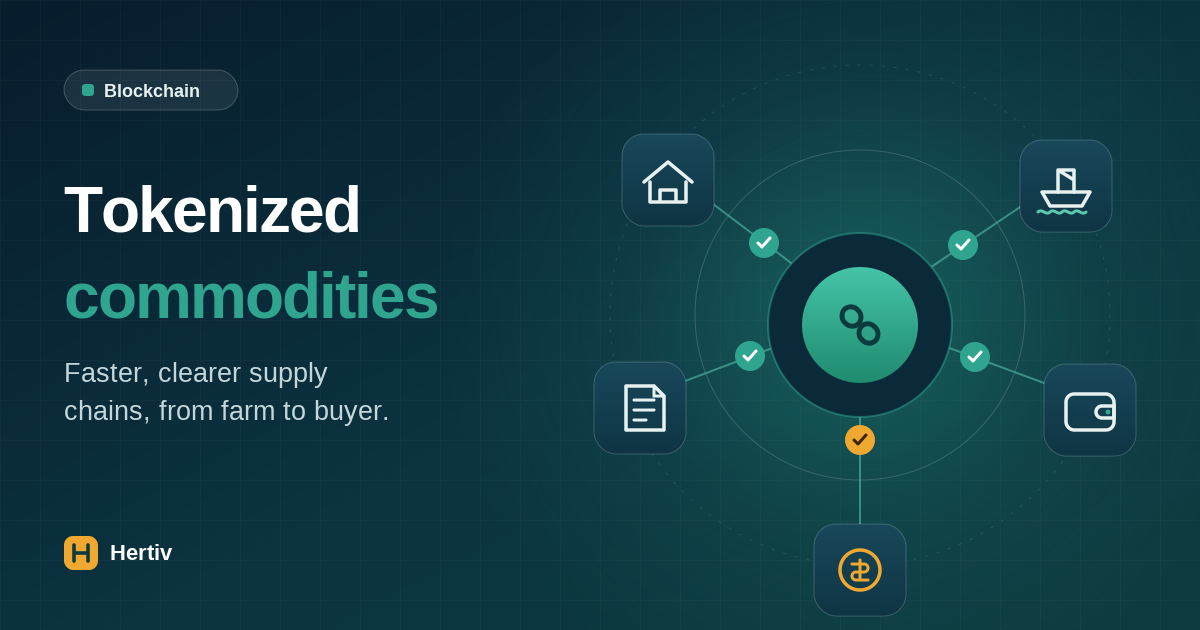
Tokenized commodities can cut settlement times, paperwork and disputes in a supply chain by putting ownership, quality checks and payment on one shared record.
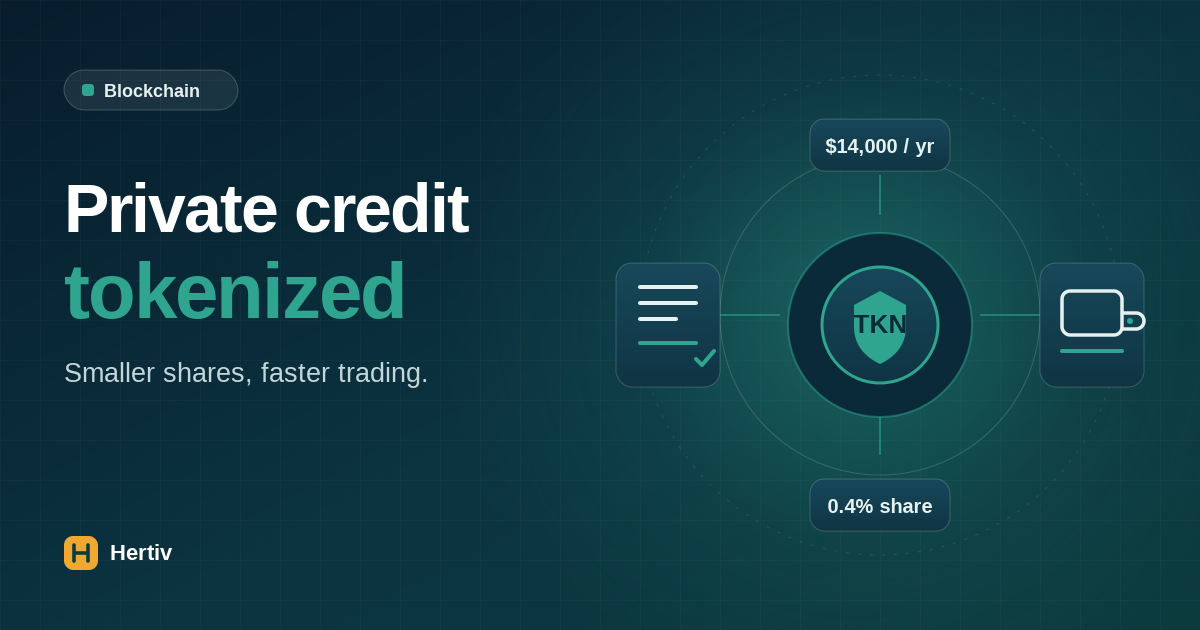
Tokenized private credit puts loans on a blockchain so investors can buy small shares and trade sooner. Here is how it differs from traditional markets.
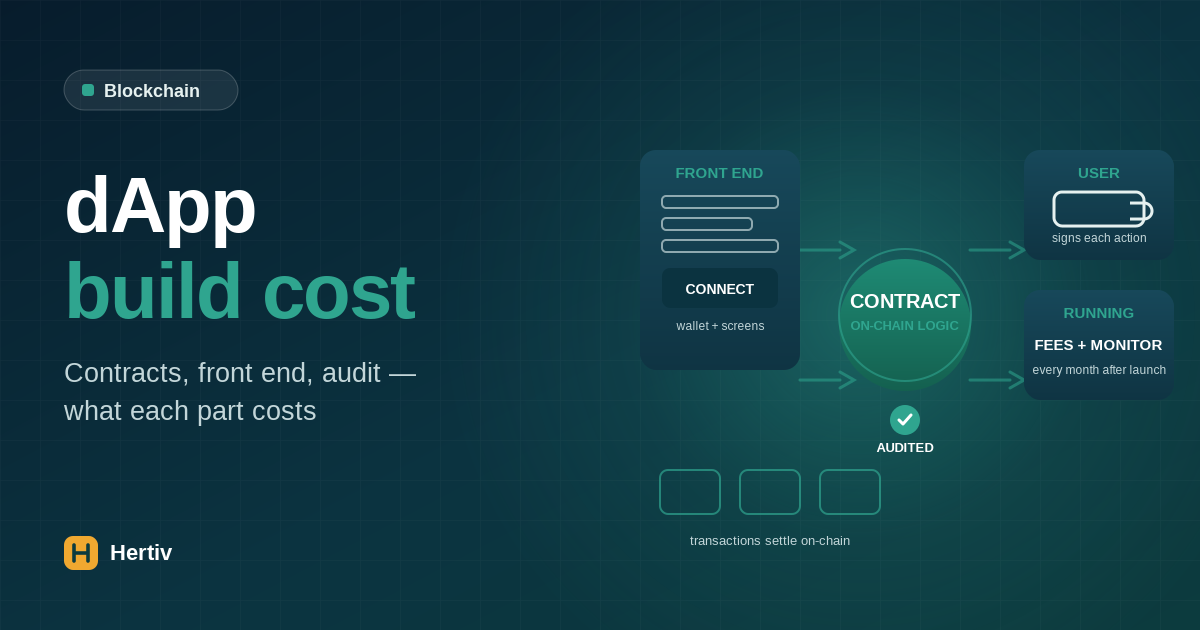
A simple dApp takes a small team a few weeks, while a large one with audits and complex contracts costs far more. Scope, chain and security work decide the price.
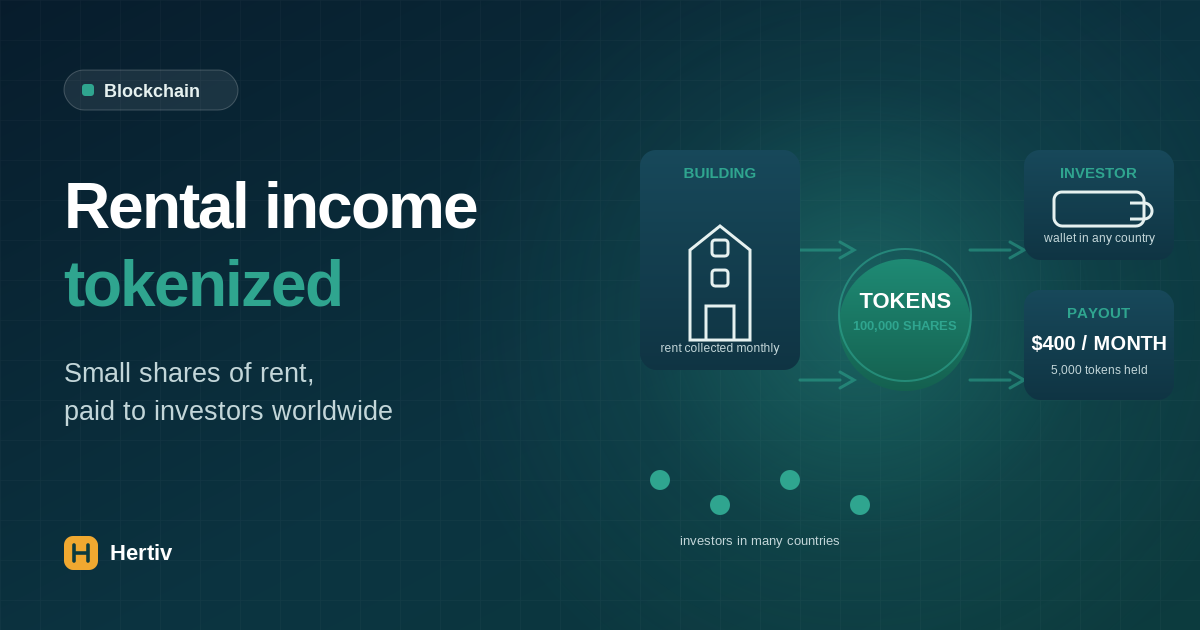
Tokenized rental income lets investors abroad buy shares of a rented property and receive part of the rent. Here is how the income flows, and what to check first.
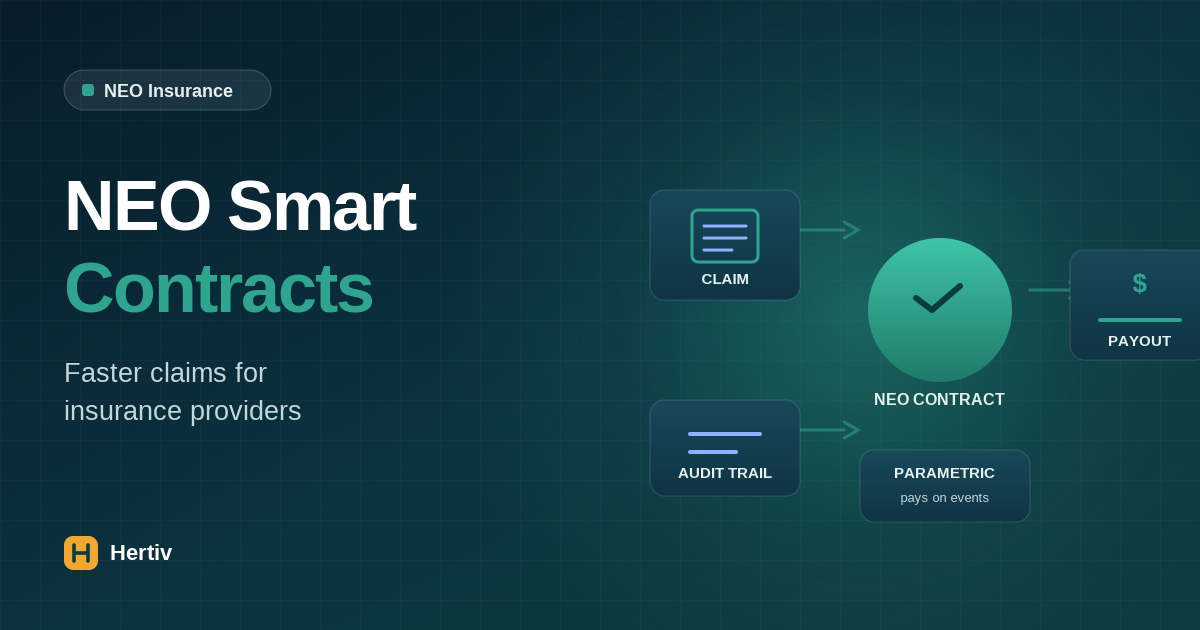
NEO smart contracts can speed up claims, cut admin work and give every party the same record. Here are eight benefits for insurance providers, and how to start.
No posts on this page match. Use site search (Ctrl K) to search every post.
A senior engineer reads every request and replies within one business day with questions, a rough range, or a call link.