AI
What Is AI Governance, and How Does It Work?
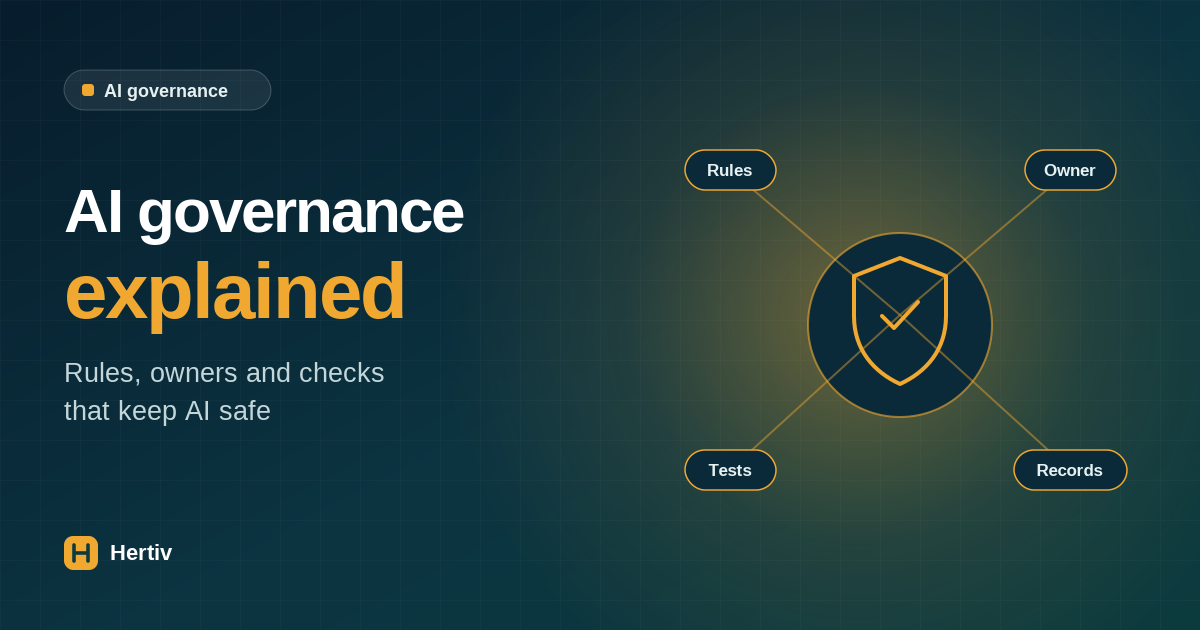
AI governance is the set of rules, roles and checks that keeps a company's AI safe, lawful and honest. It decides who may build and use AI, and how.
Page 159 of 229.
5483 posts · page 159 of 229
AI governance is the set of rules, roles and checks that keeps a company's AI safe, lawful and honest. It decides who may build and use AI, and how.
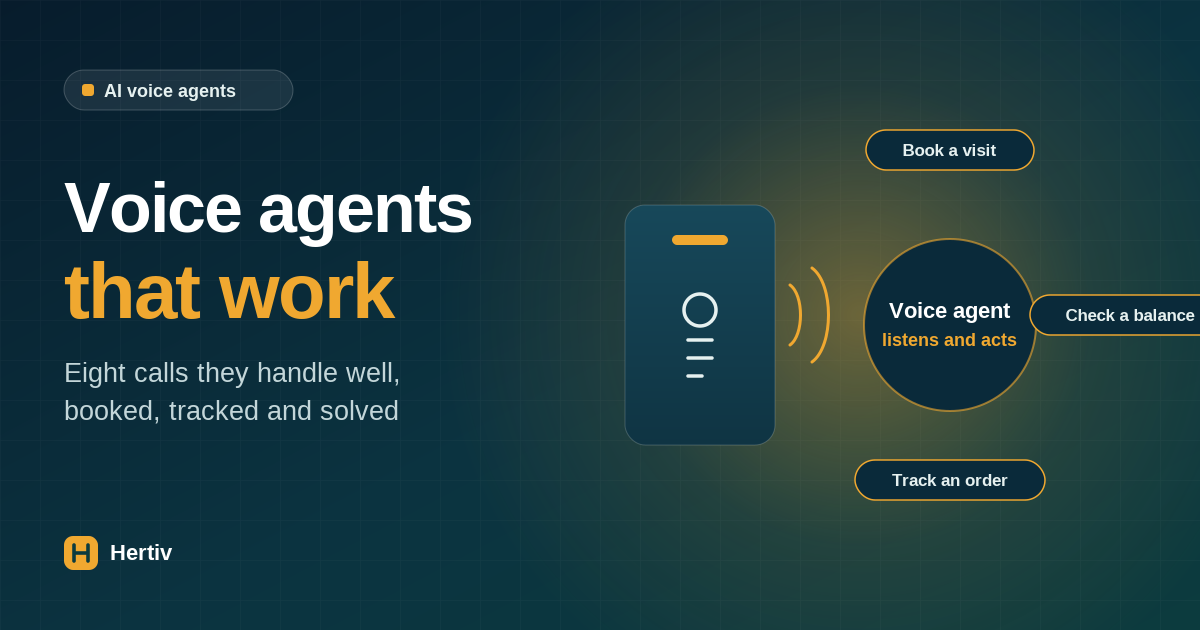
AI voice agents answer calls, book appointments and solve routine problems by talking with customers. Here are eight examples that work in real businesses.
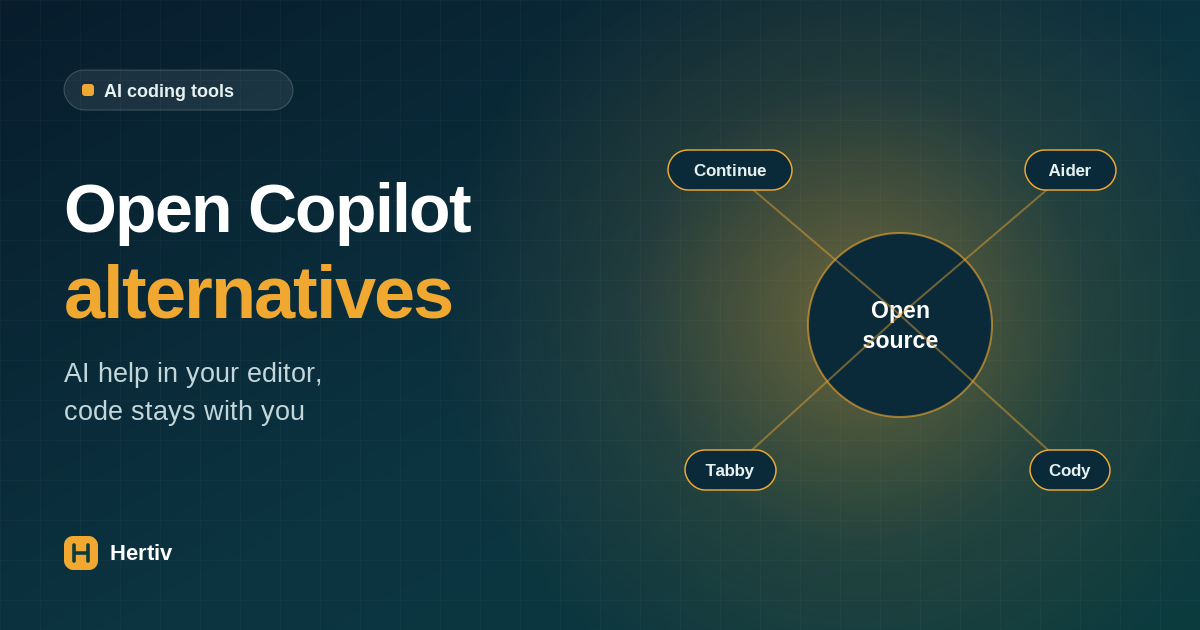
Open source Copilot alternatives let you keep your code on your own machines while still getting AI help in the editor. Here are 8 worth comparing.
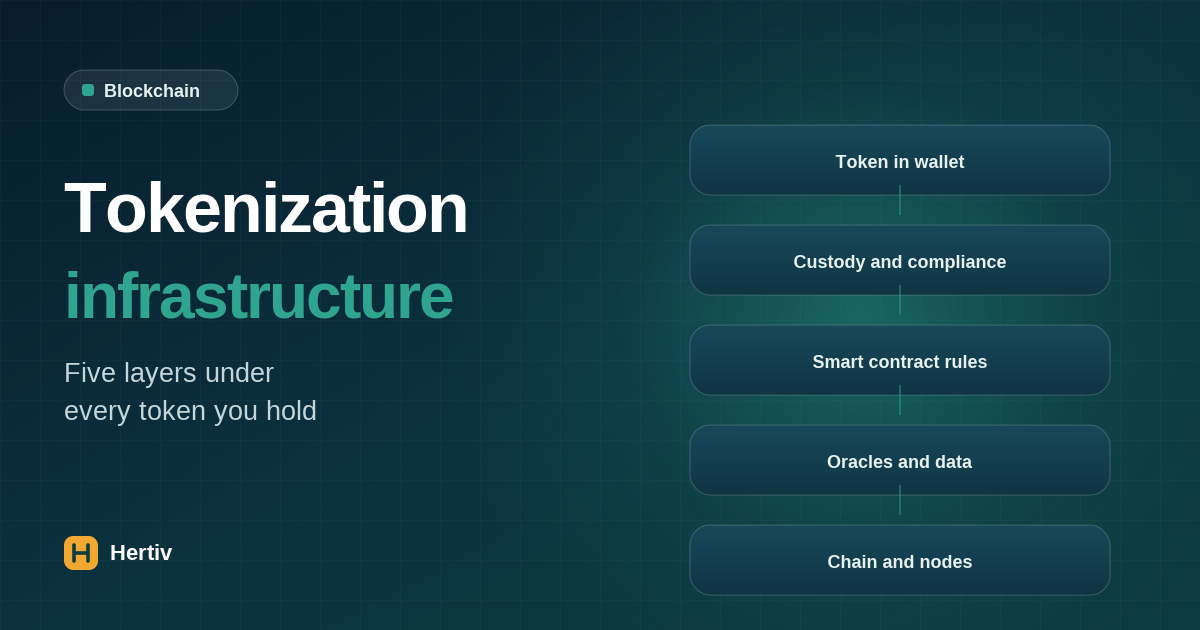
Tokenization needs more than a smart contract: chains, nodes, oracles, custody and compliance tools must work together before a token can be trusted.
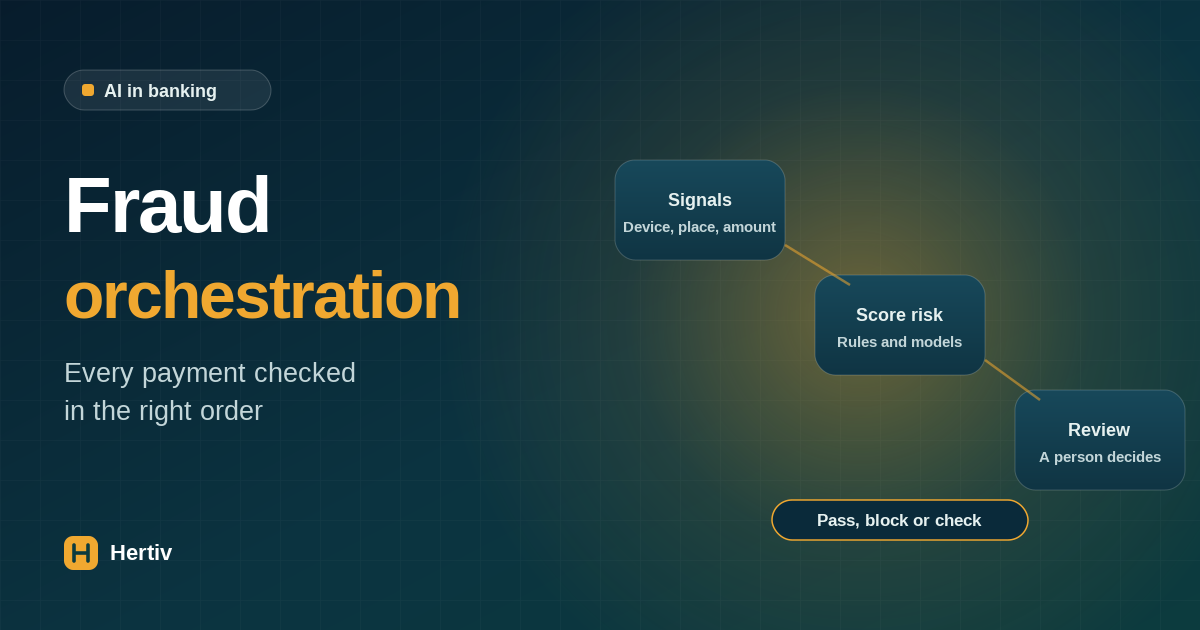
AI orchestration routes each payment through rules, models and human review in the right order, so fraud is caught fast and honest payments are not blocked.
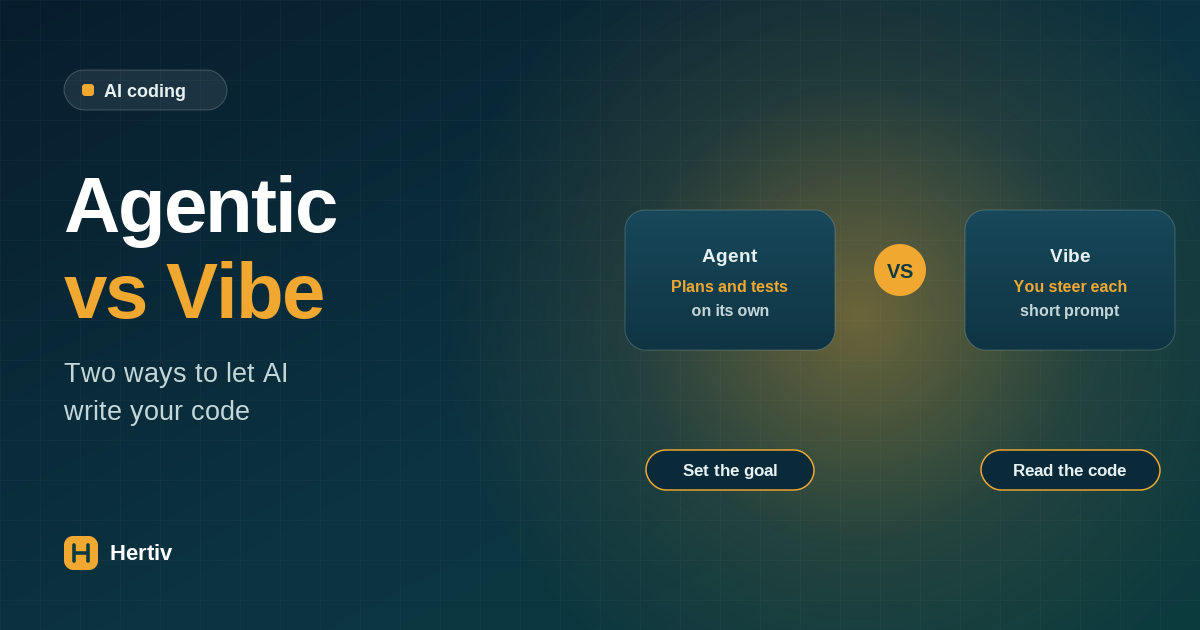
Agentic coding lets an AI agent plan, write and test code on its own, while vibe coding keeps the developer driving with short prompts.
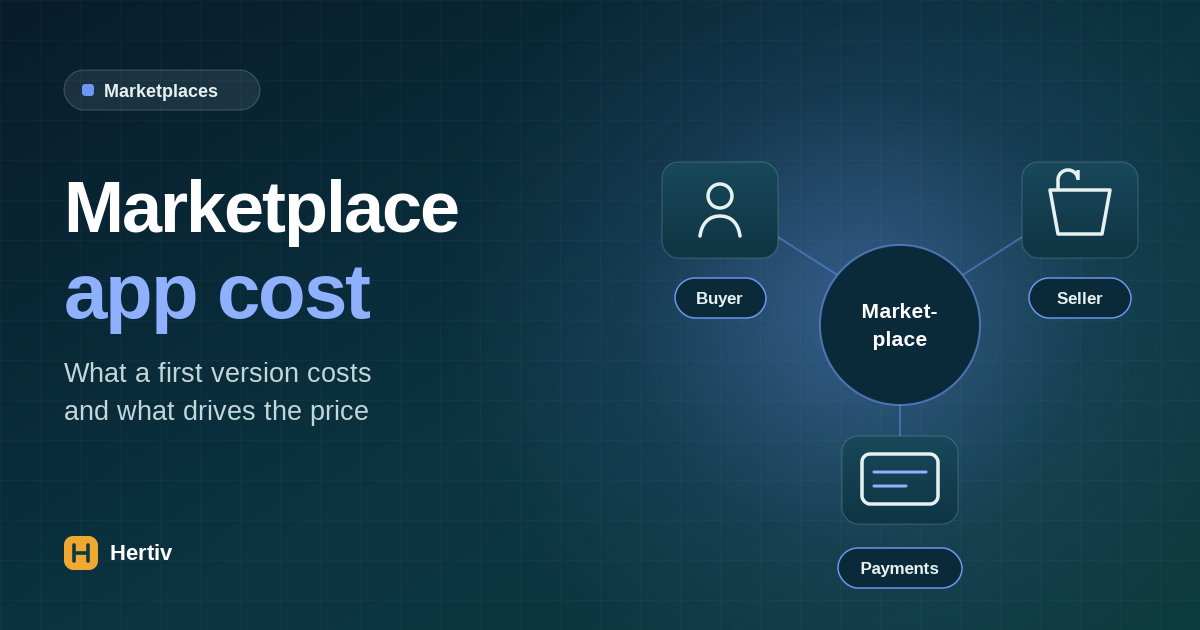
A marketplace app connects buyers and sellers in one place. Its cost depends on the features you launch with, the number of user types and the payments you support.
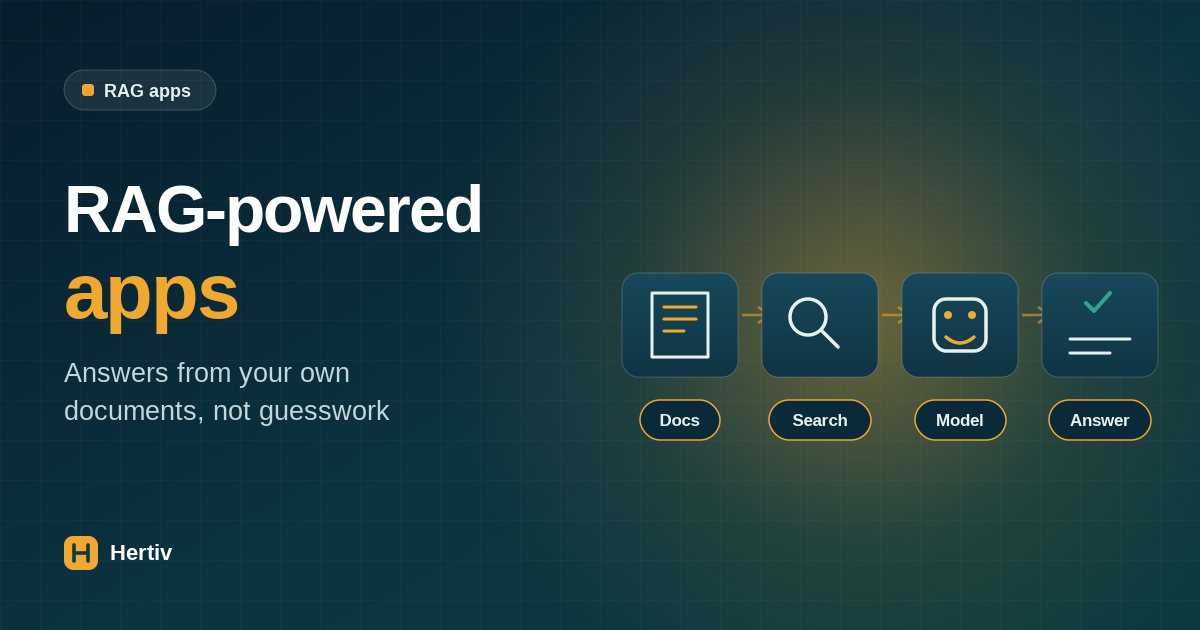
To develop a RAG-powered application, load your documents, split them into chunks, search them for each question and let the model answer from what it finds.
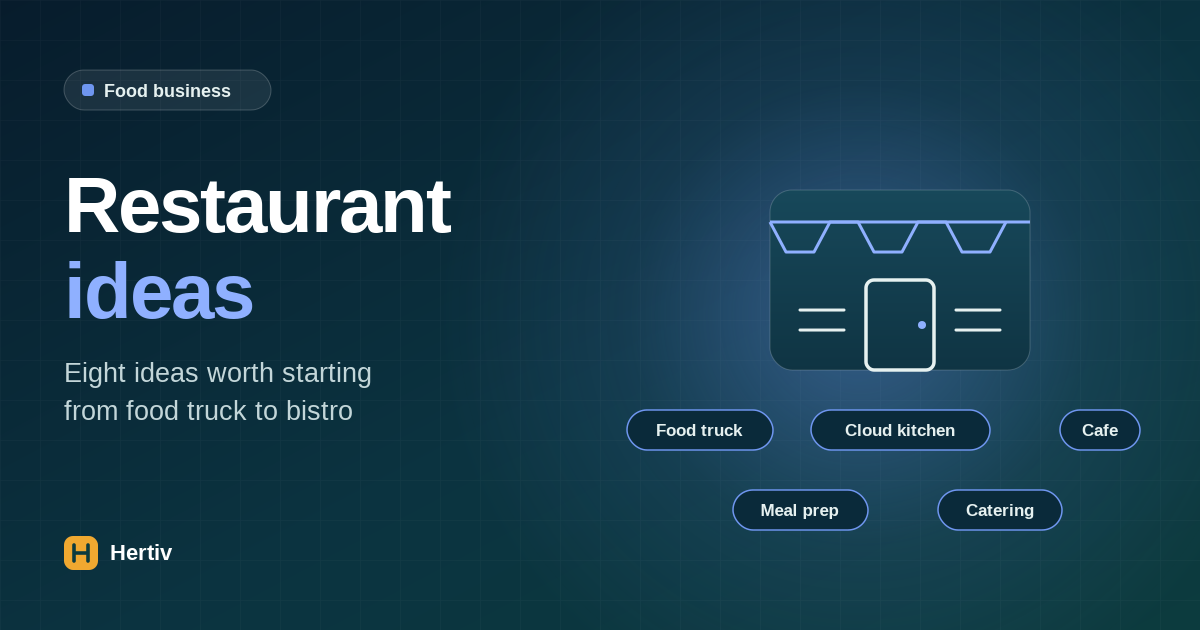
From a small cloud kitchen to a food truck, these eight restaurant business ideas fit different budgets and skills. Compare them and pick one you can test cheaply.
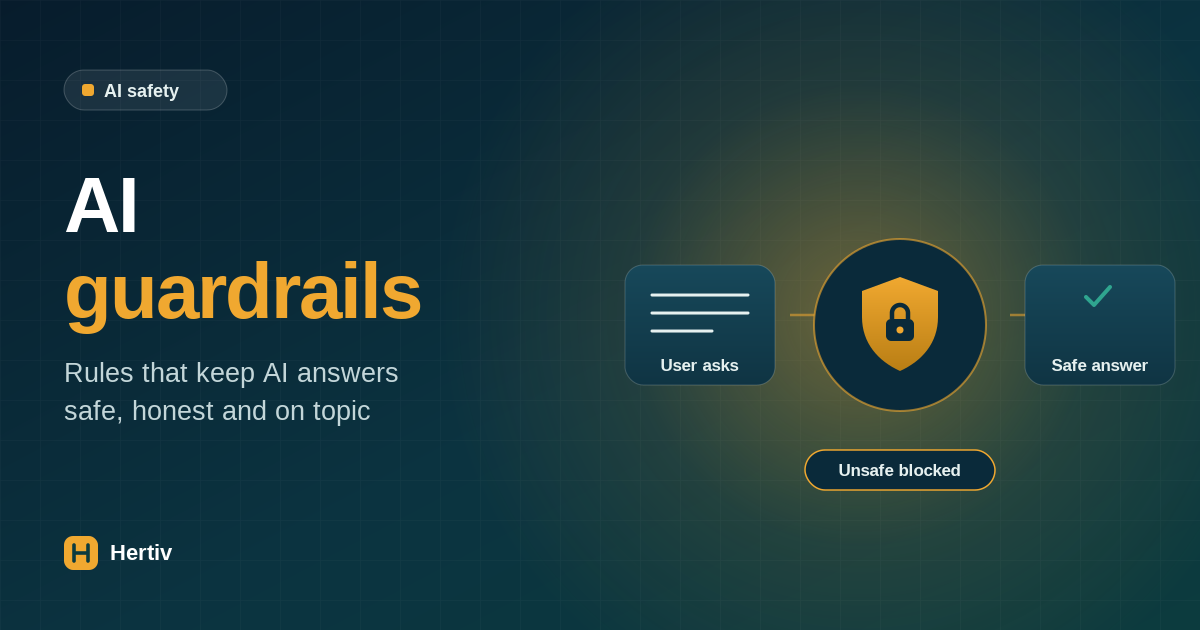
AI guardrails are rules that check what goes into an AI system and what comes out, so the system stays safe, honest and inside the limits you set.
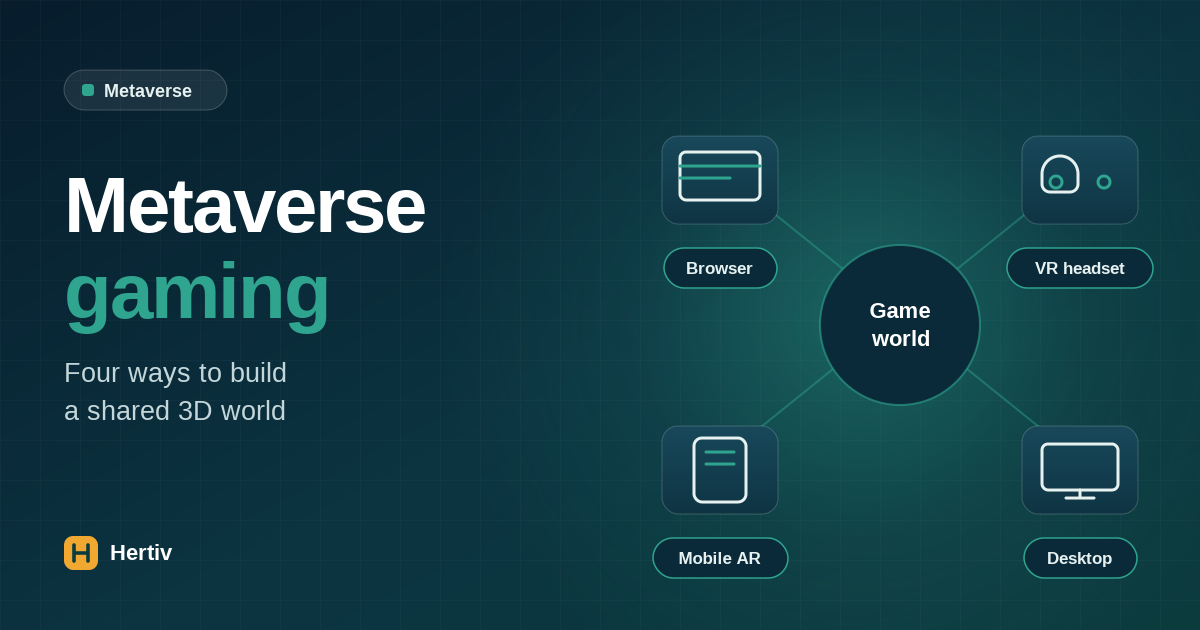
A metaverse gaming platform can run in a browser, on a VR headset, on a phone or as a desktop game. Compare the four ways and pick the one that fits your players.
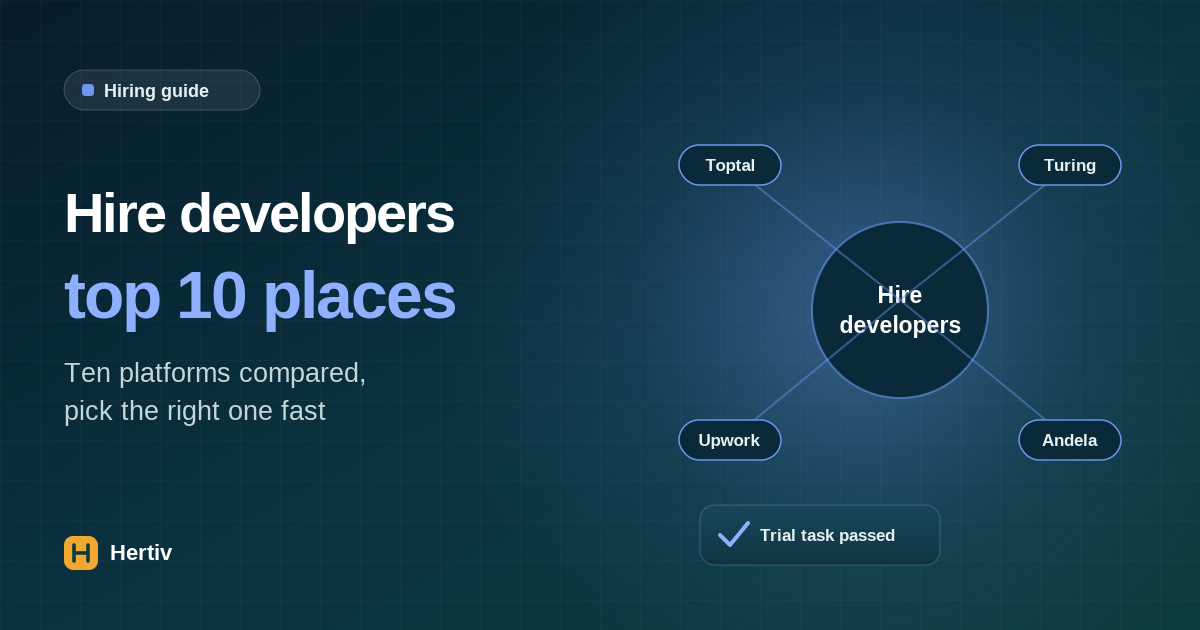
Hiring software developers is easier when you know where to look. Compare ten well-known platforms, what each does best, and how to pick one for your project.
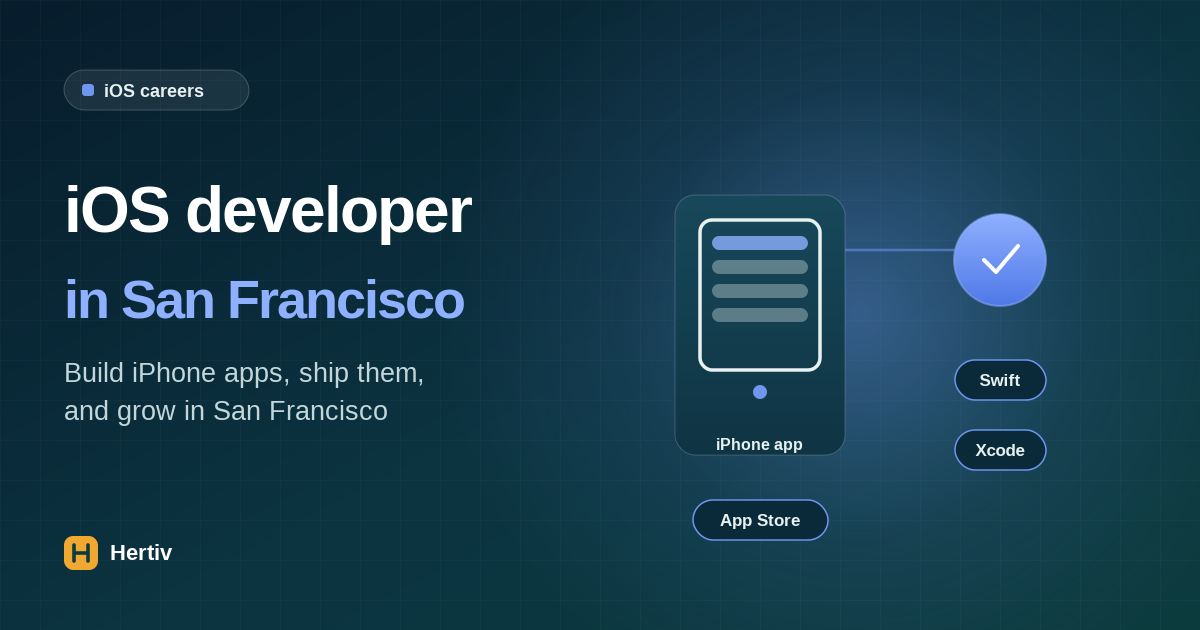
A mobile iOS developer in San Francisco builds and maintains iPhone apps, from the first screen to App Store release. Here is what the job involves.
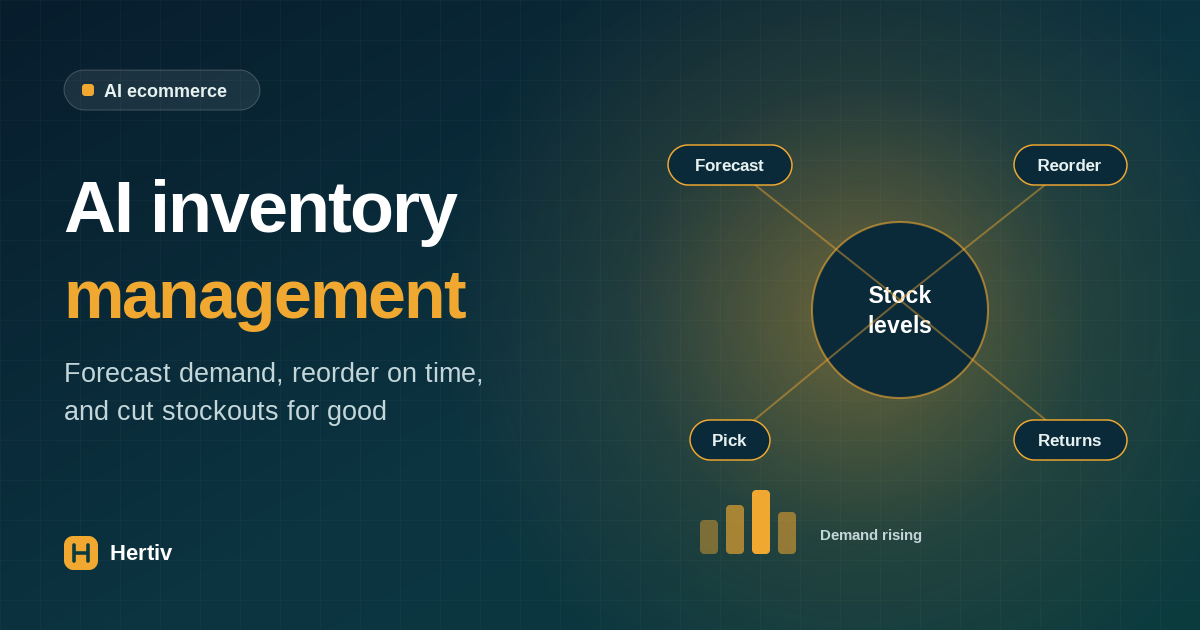
AI-powered inventory management predicts what an online store will sell, keeps the right stock on hand and cuts stockouts. Here is how it works and how to start.
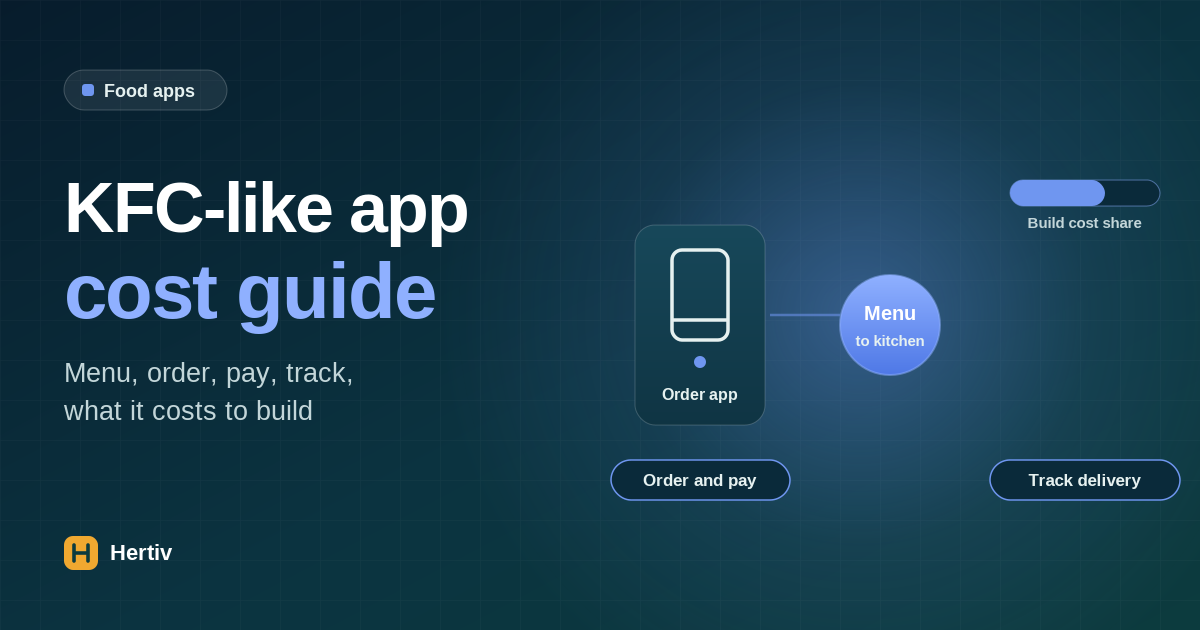
An app like KFC is a food ordering app with menus, deals, delivery tracking and loyalty. The cost depends on the features, the platforms and the team you hire.
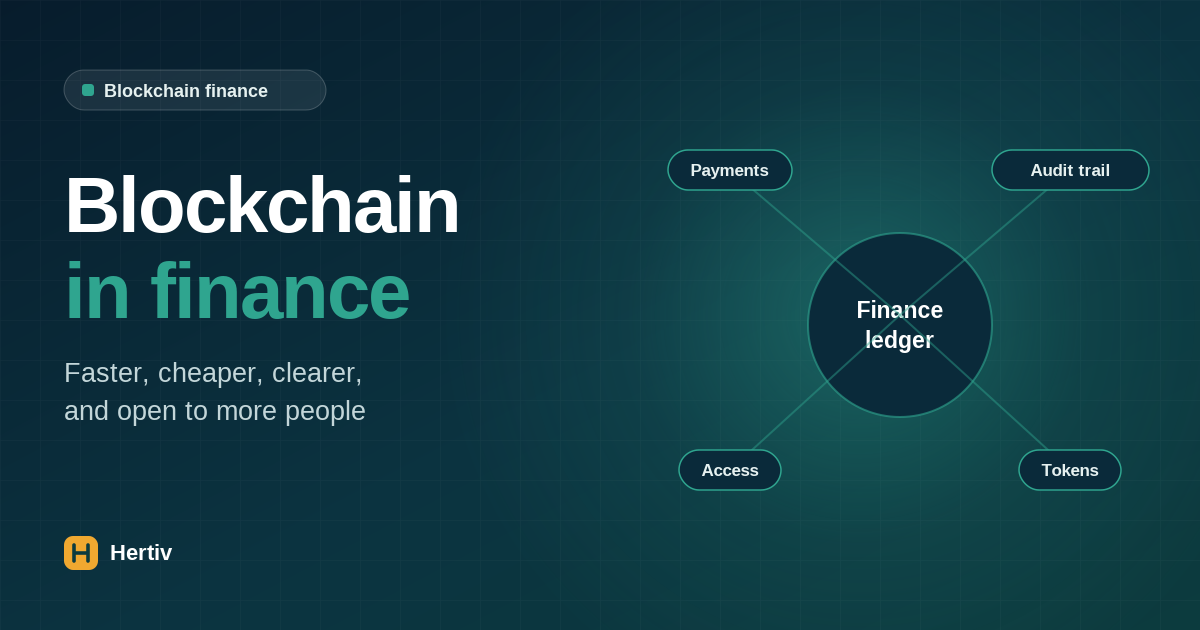
Blockchain gives finance faster settlement, lower costs, clearer records and wider access. Here are the nine benefits that matter most, and where each one pays off.
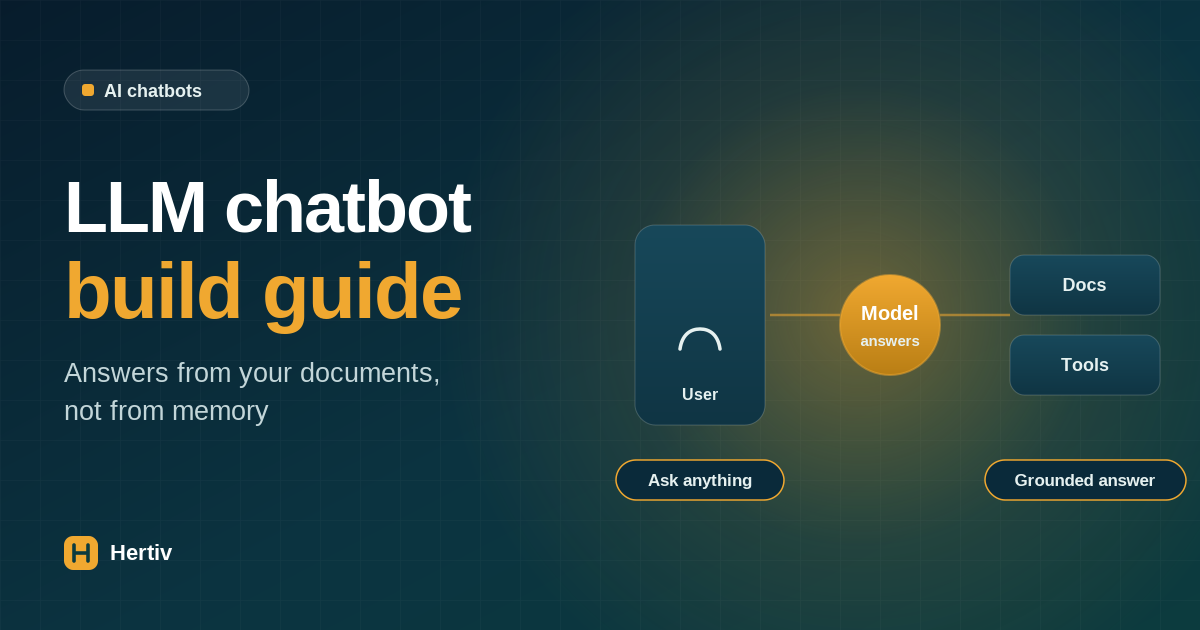
An advanced LLM chatbot answers from your own documents, remembers the conversation and hands off to a person when needed. Here is how to build one step by step.
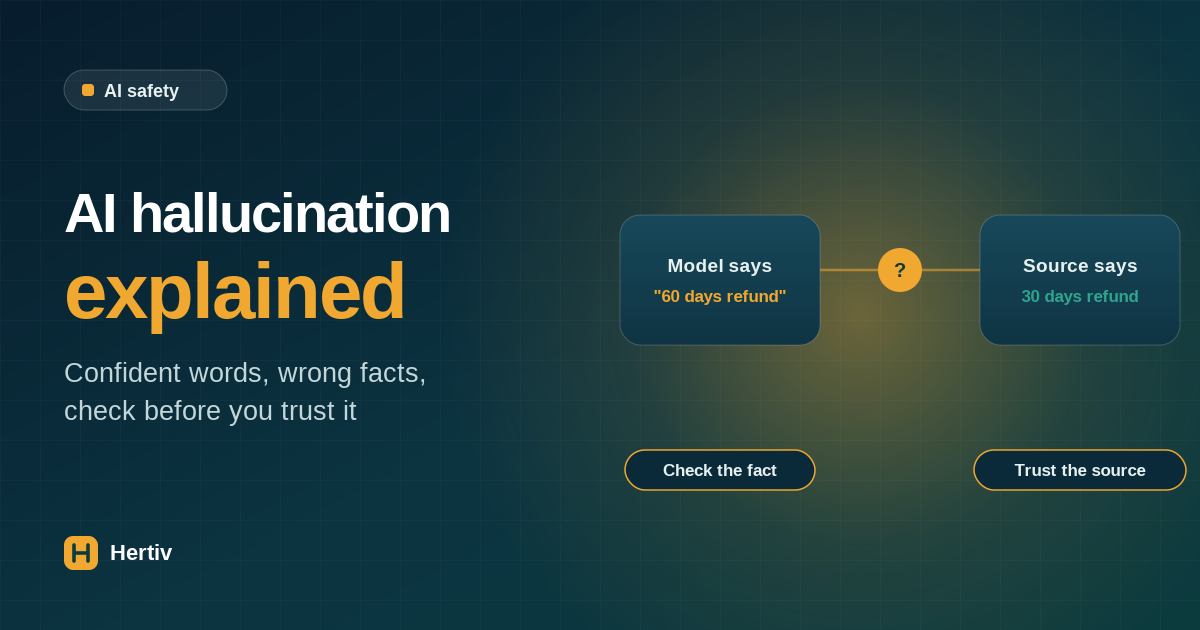
An AI hallucination is a confident answer that sounds right but is wrong. Models predict likely words, not facts, so they can invent details.
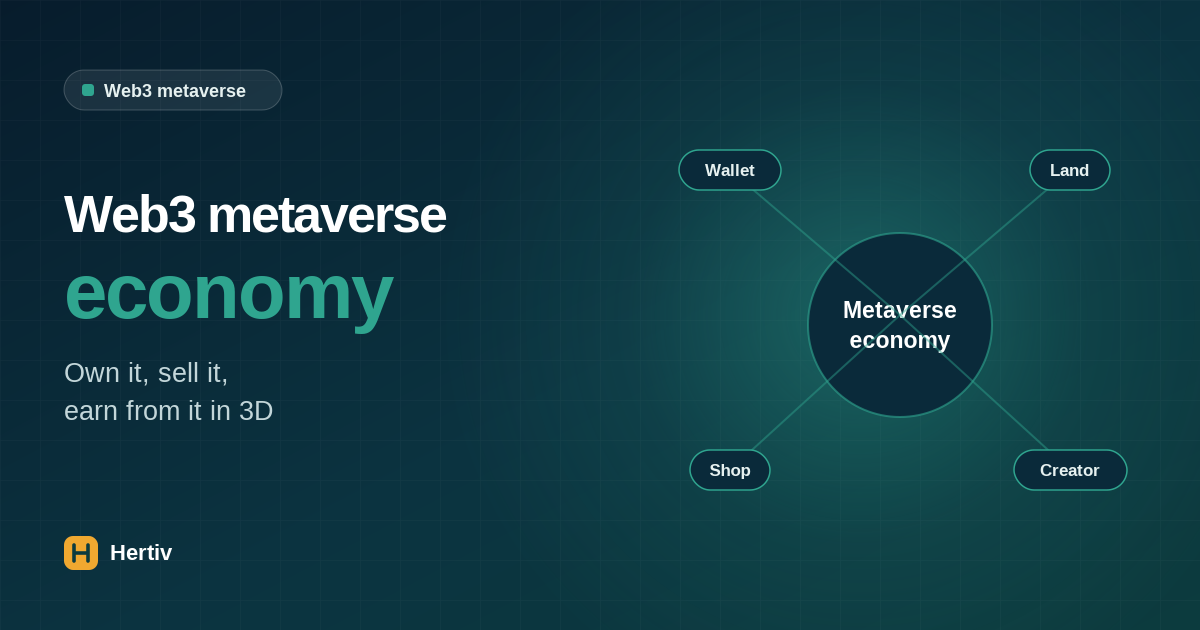
The Web3 metaverse lets people own digital items, sell them and get paid for their work without one company controlling the market.
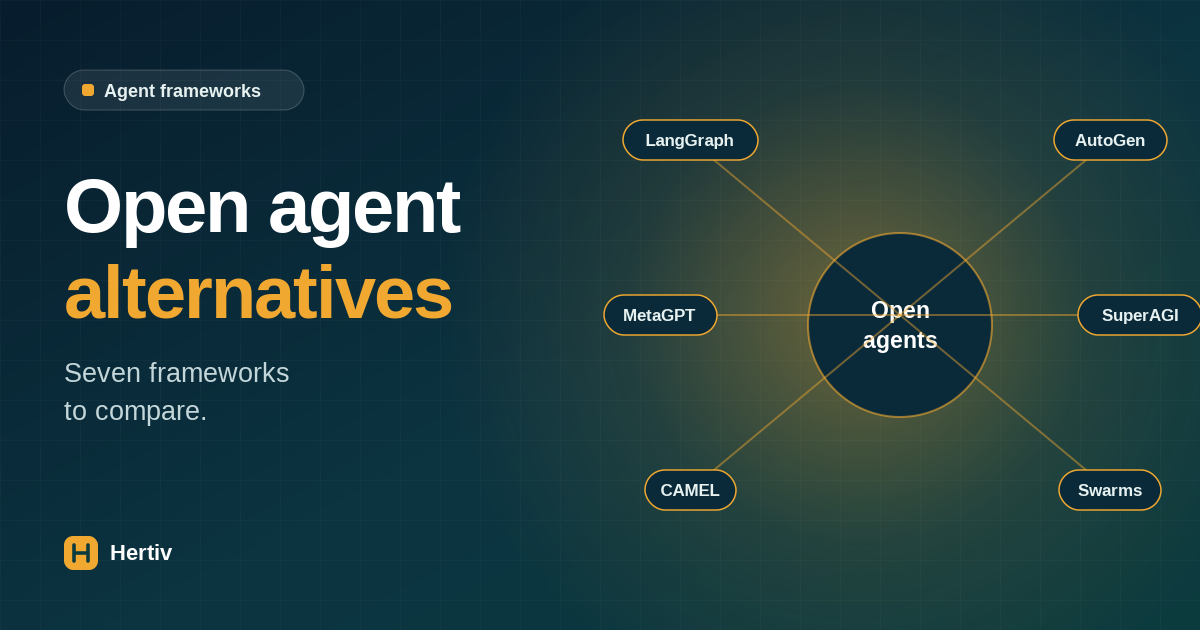
CrewAI builds teams of AI agents, but other open frameworks do the same job. These seven cover the same ground, from simple agent teams to full research crews.
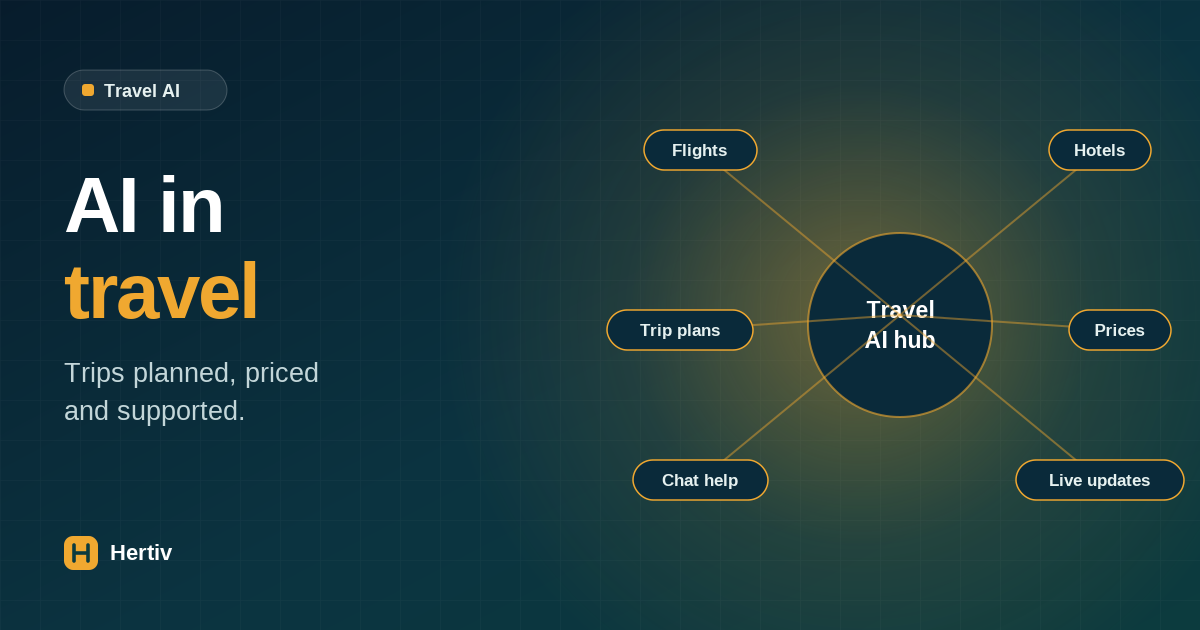
AI in travel and tourism plans trips, sets prices, answers traveller questions and keeps operations moving. Here is where it helps, and where a human needs to check.
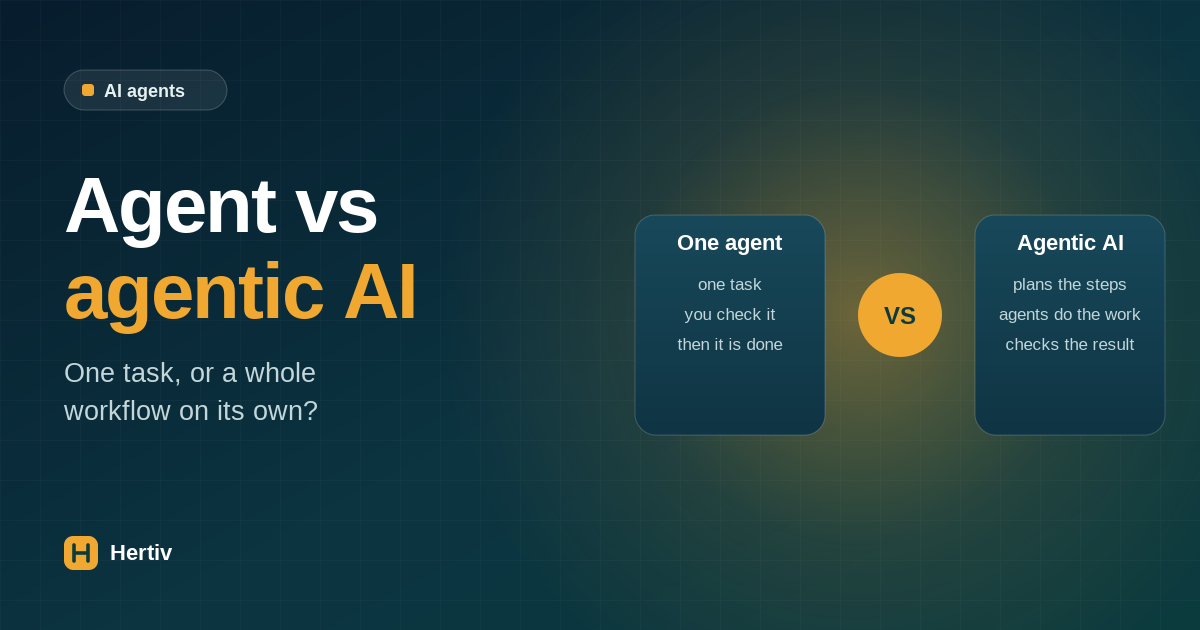
An AI agent does one job you give it. Agentic AI plans and runs a whole workflow on its own. Here is how they differ, and how to pick the right one.
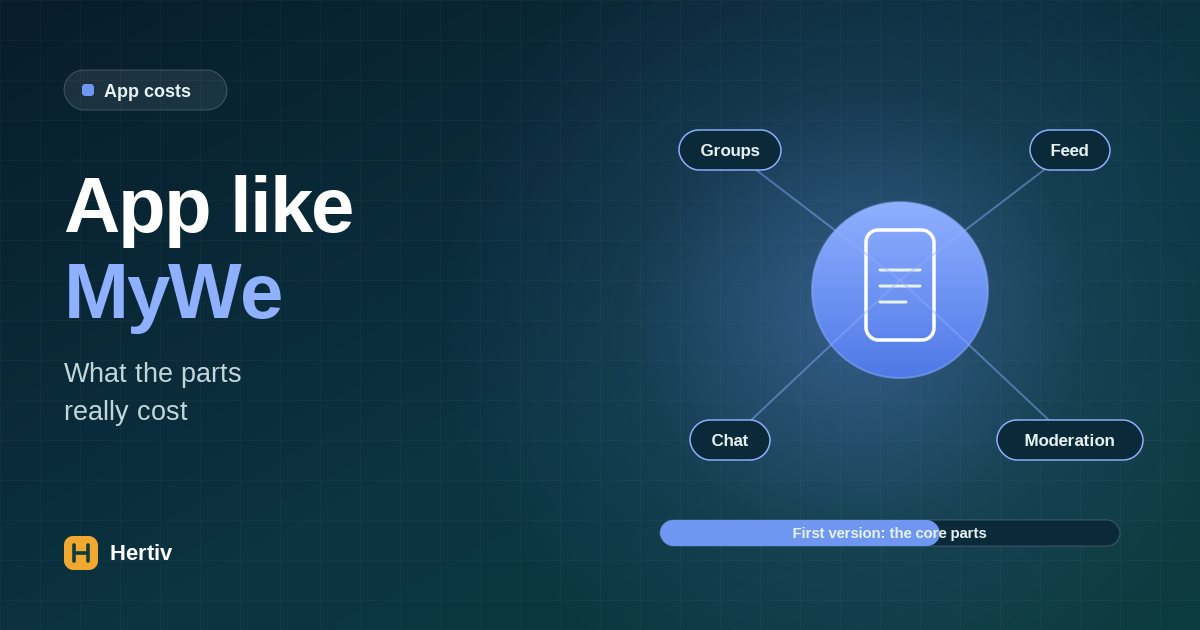
An app like MyWe costs what its parts cost: profiles, groups, feeds, chat and moderation, built in stages over 10 to 16 weeks.
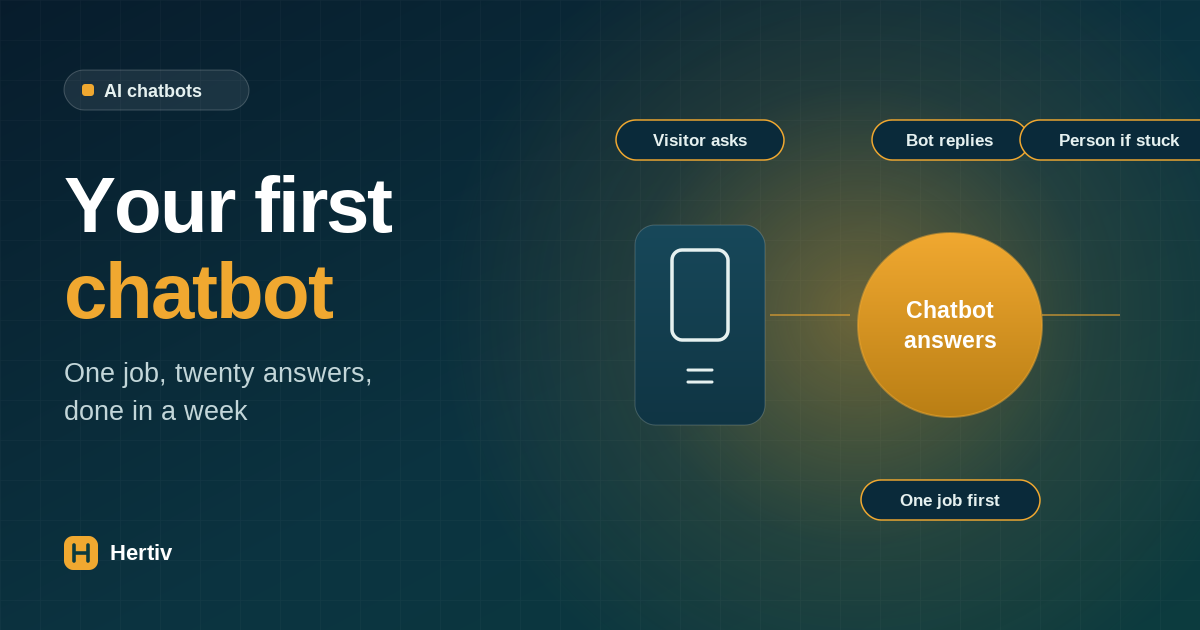
Your first chatbot needs one clear job, a short list of answers, and a human handover for everything it cannot handle well.
No posts on this page match. Use site search (Ctrl K) to search every post.
A senior engineer reads every request and replies within one business day with questions, a rough range, or a call link.