AI
Open Source Scale AI Alternatives: 6 to Compare
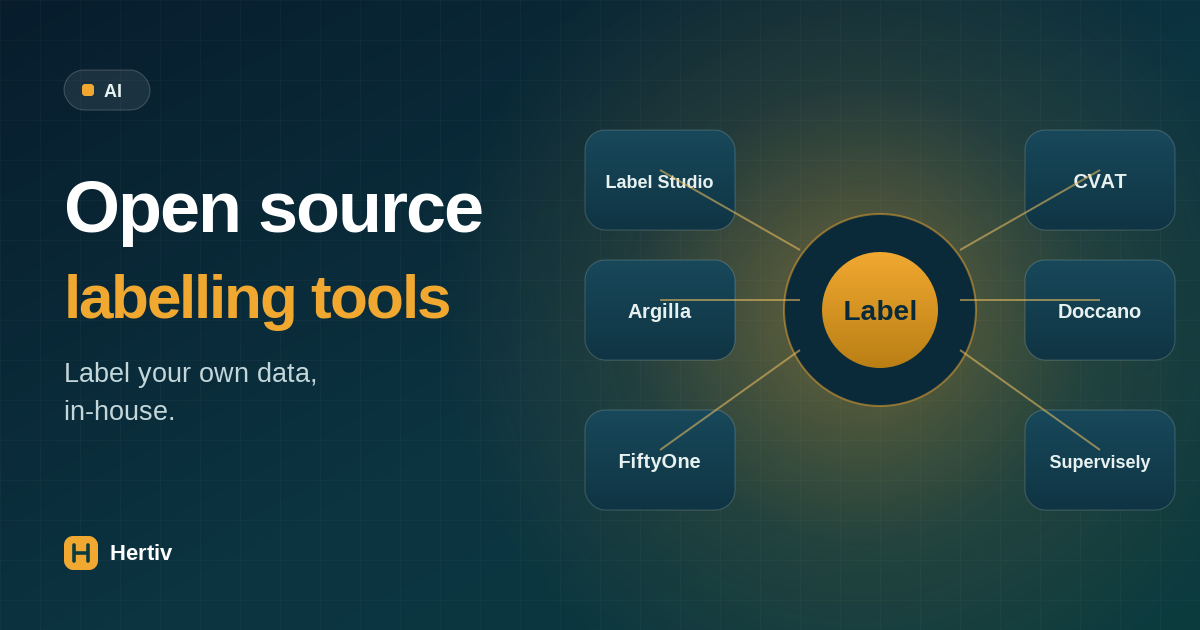
Scale AI labels training data for a fee, but open-source tools let teams label their own data. Compare six options on data types, quality checks and setup effort.
Page 171 of 227.
5434 posts · page 171 of 227
Scale AI labels training data for a fee, but open-source tools let teams label their own data. Compare six options on data types, quality checks and setup effort.
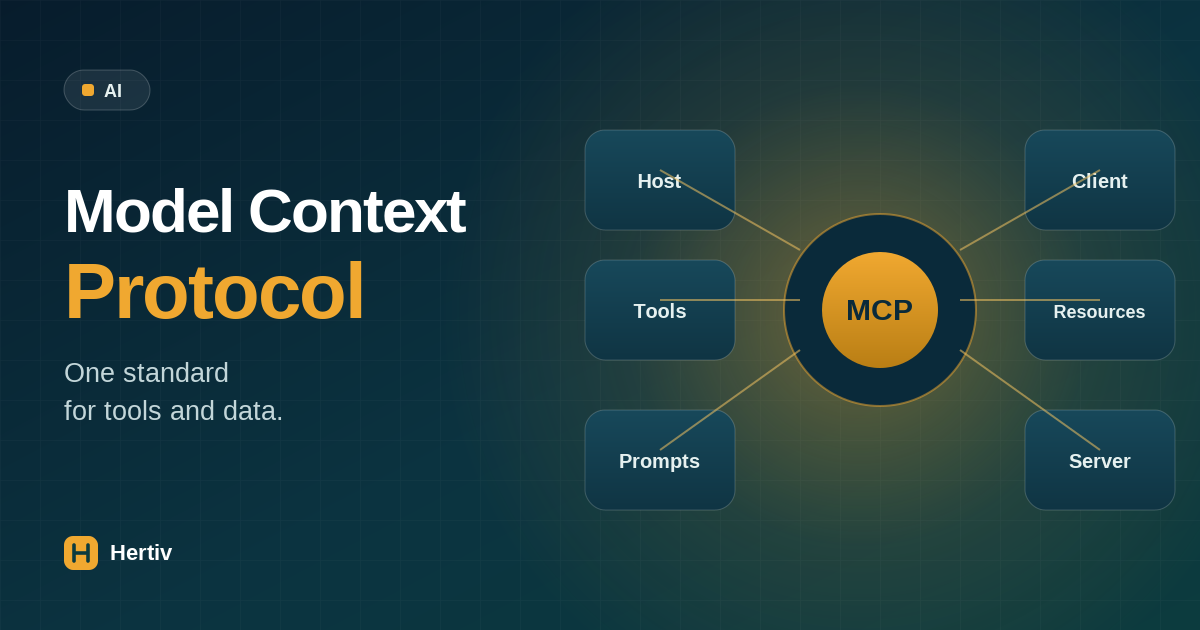
The Model Context Protocol is an open standard that lets an AI app call tools and read data from other systems in a consistent way. Learn how its parts fit together.
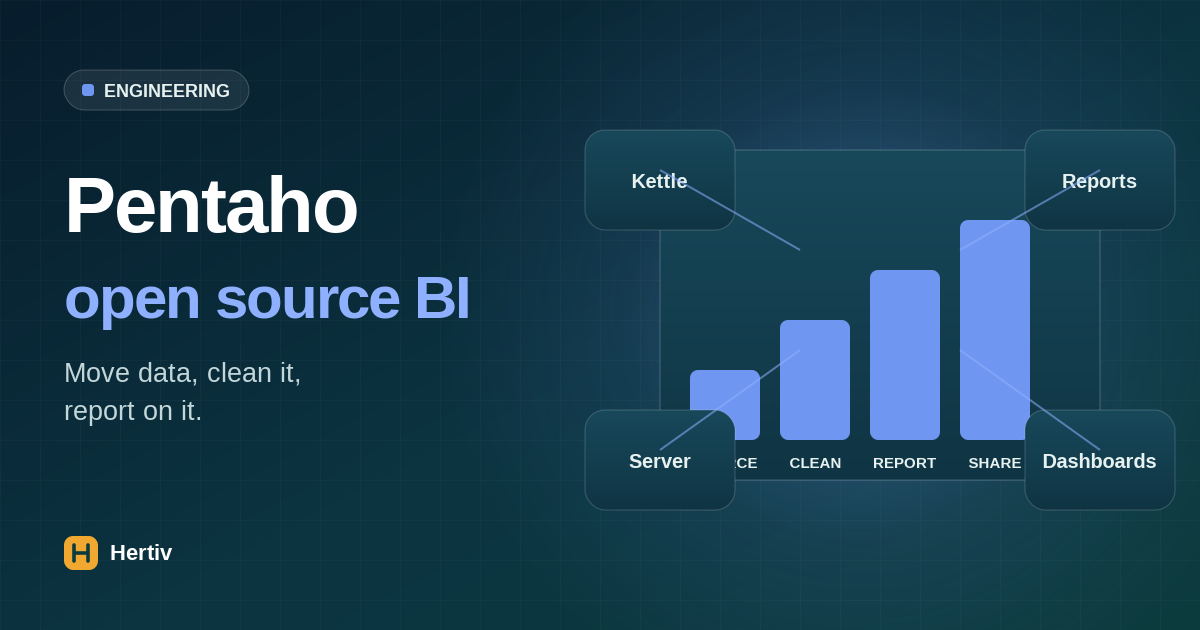
Pentaho is an open-source business intelligence suite for moving, cleaning and reporting on data. Learn its parts, how it works, and when it fits a small team.
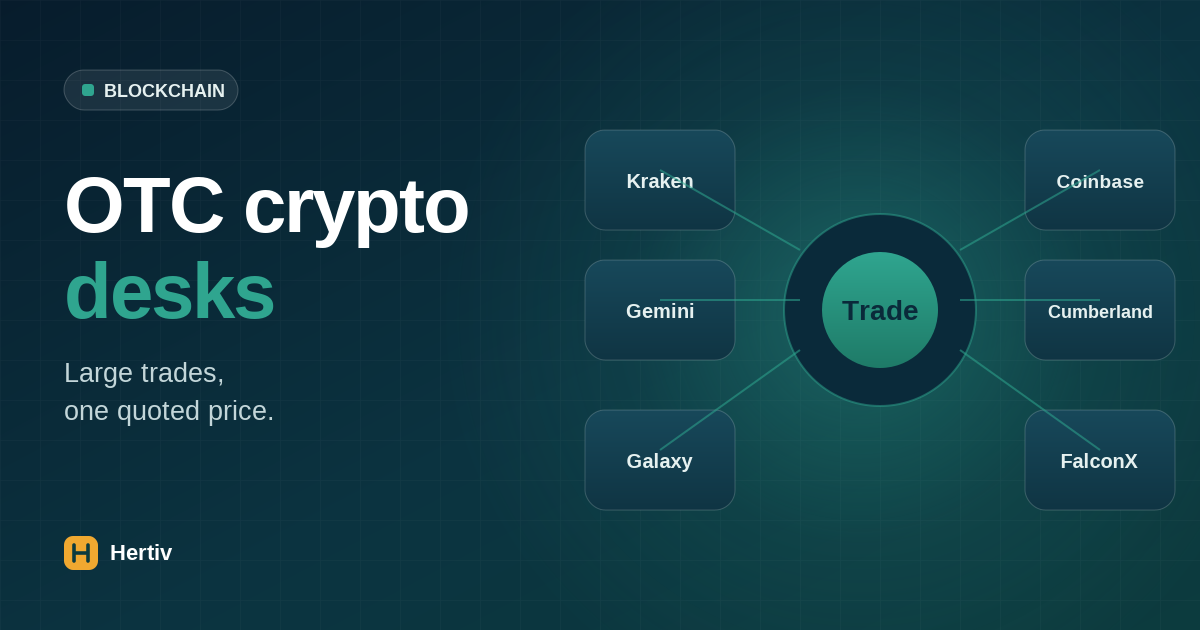
OTC crypto desks let businesses trade large amounts without moving the market. Compare six well-known desks on coverage, settlement and minimum trade size.
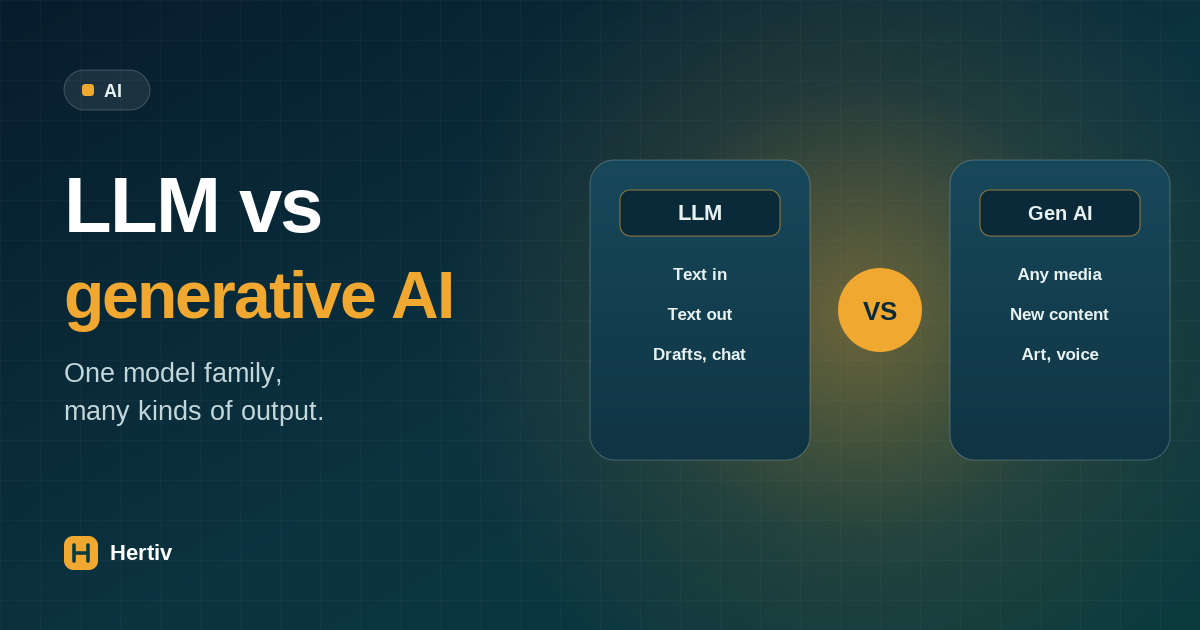
An LLM is one kind of generative AI: a model trained on text. Generative AI is the wider family, including image, audio and video models.
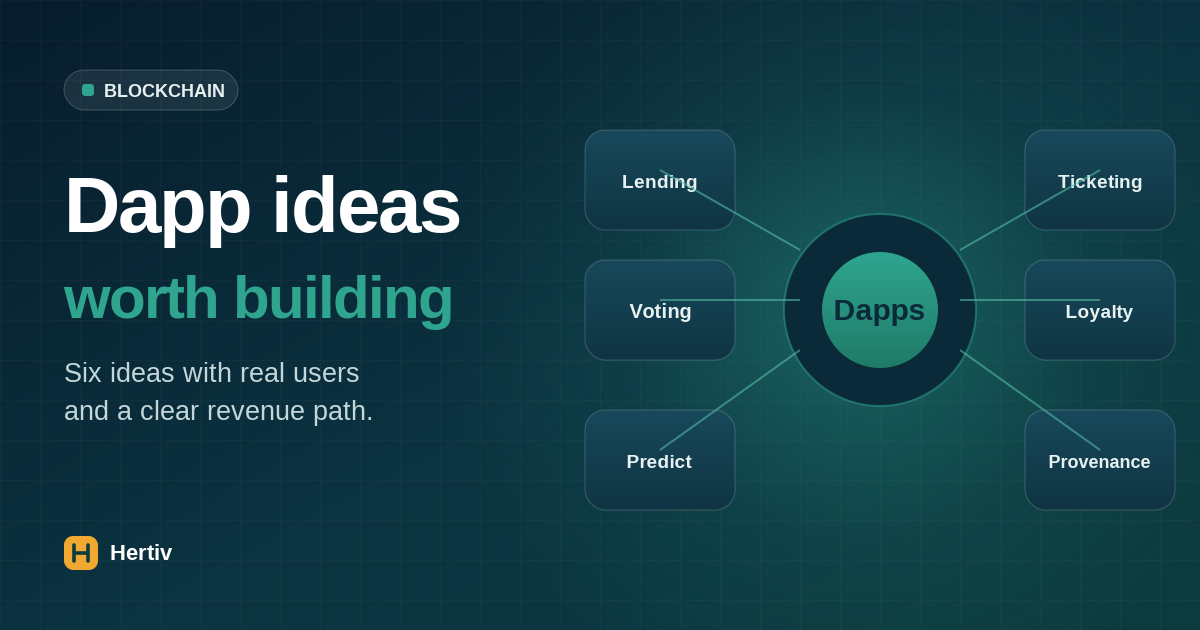
Good dapp startups solve one real problem on-chain: lending, ticketing, voting, loyalty, prediction or provenance. Six ideas worth a first build.
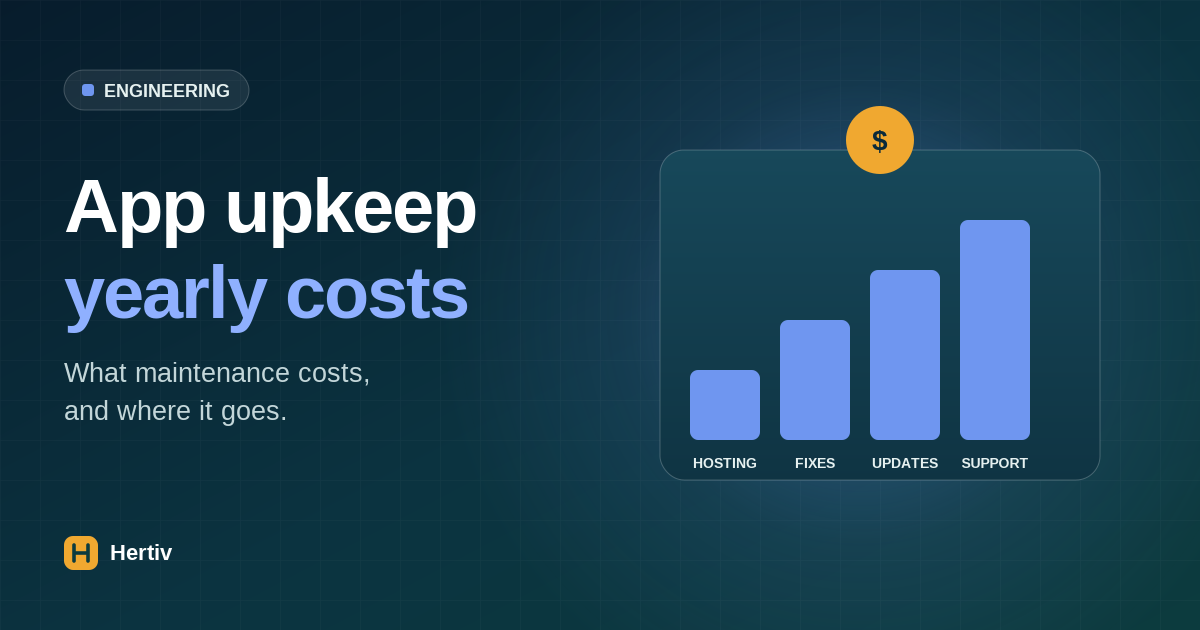
App maintenance usually costs 15 to 20 percent of the build cost per year, covering hosting, fixes, updates and support. The real number depends on size and traffic.
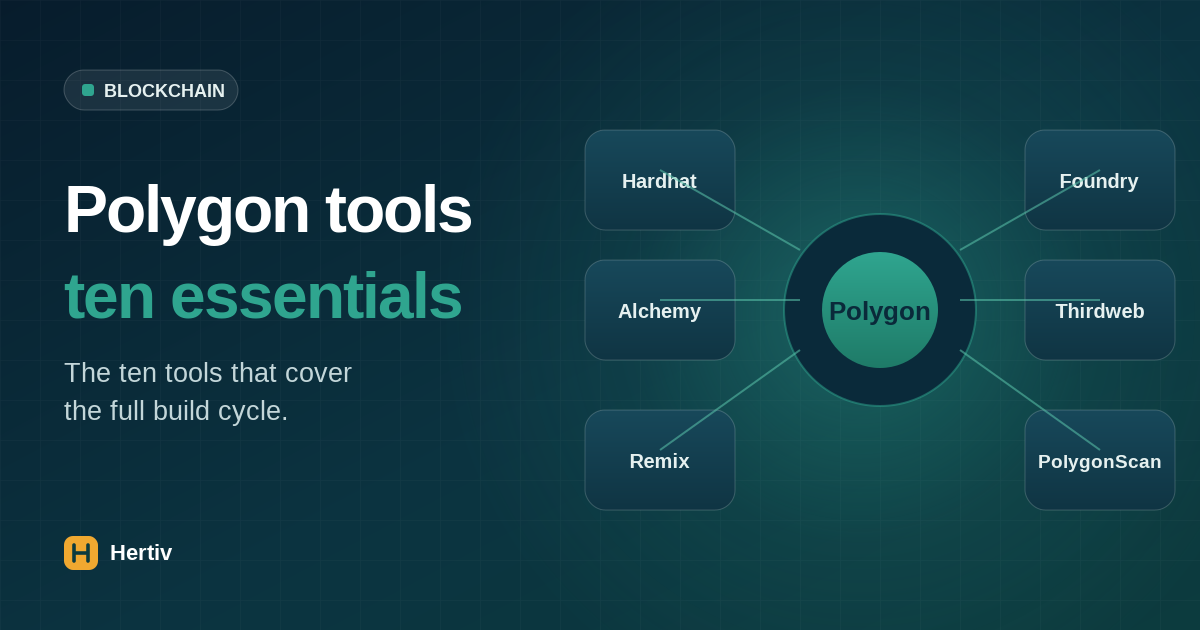
Polygon developers need a small set of tools that cover writing, testing, deploying and watching contracts. These ten cover the full build cycle.
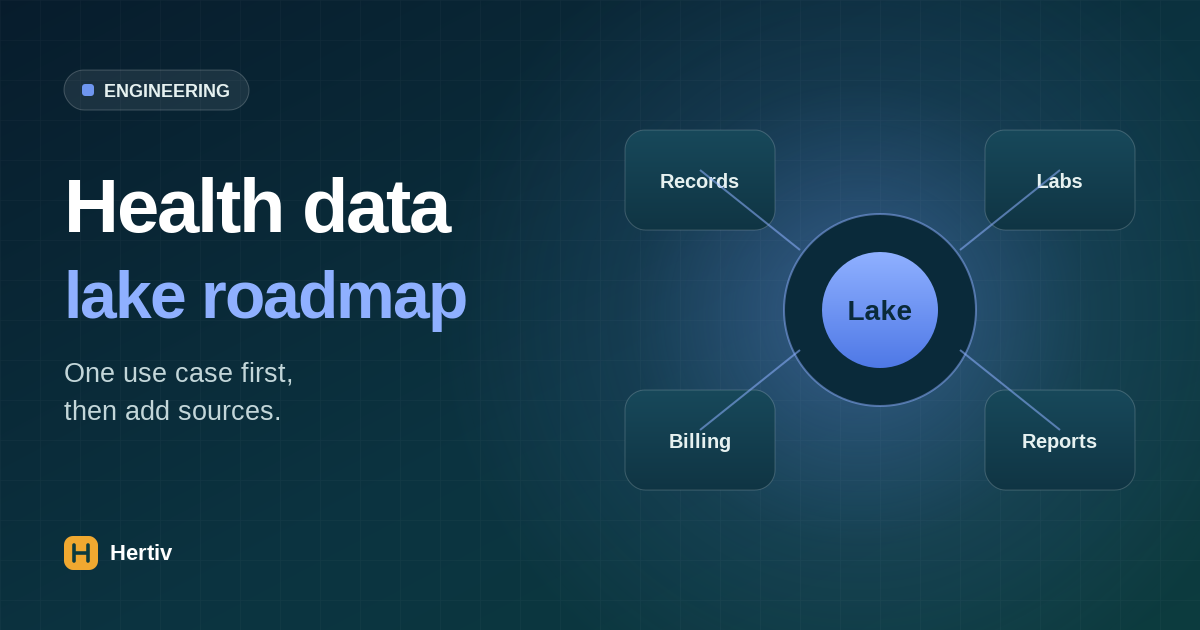
A healthcare data lake roadmap sets out how a hospital brings clinical and billing data into one store. Start with one use case, then add sources in order.
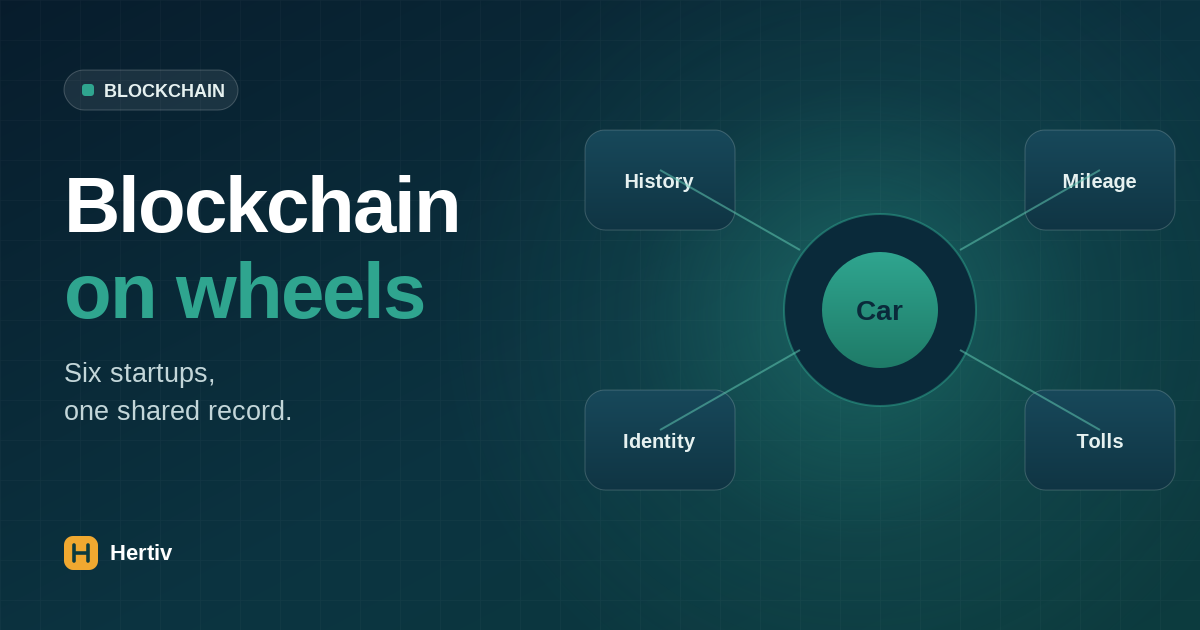
Six blockchain startups working on cars, from vehicle history records to mileage data and EV charging. Compare what each one does before you shortlist a partner.
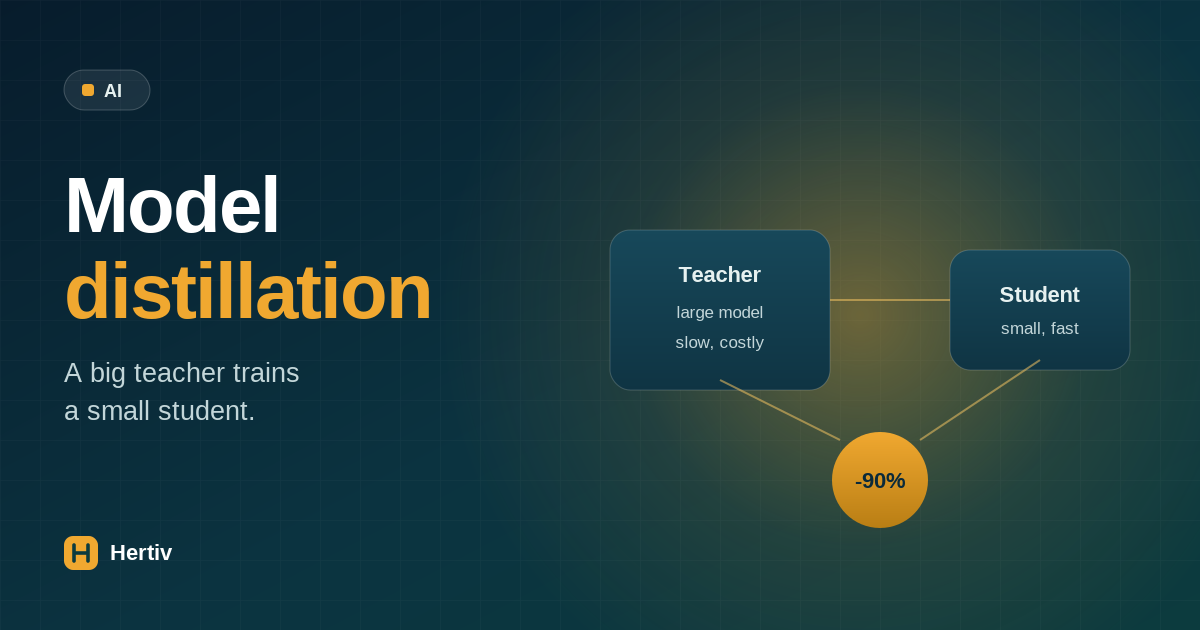
Model distillation trains a small, fast model to copy a large one. It keeps most of the quality while cutting the cost and latency of running the model.
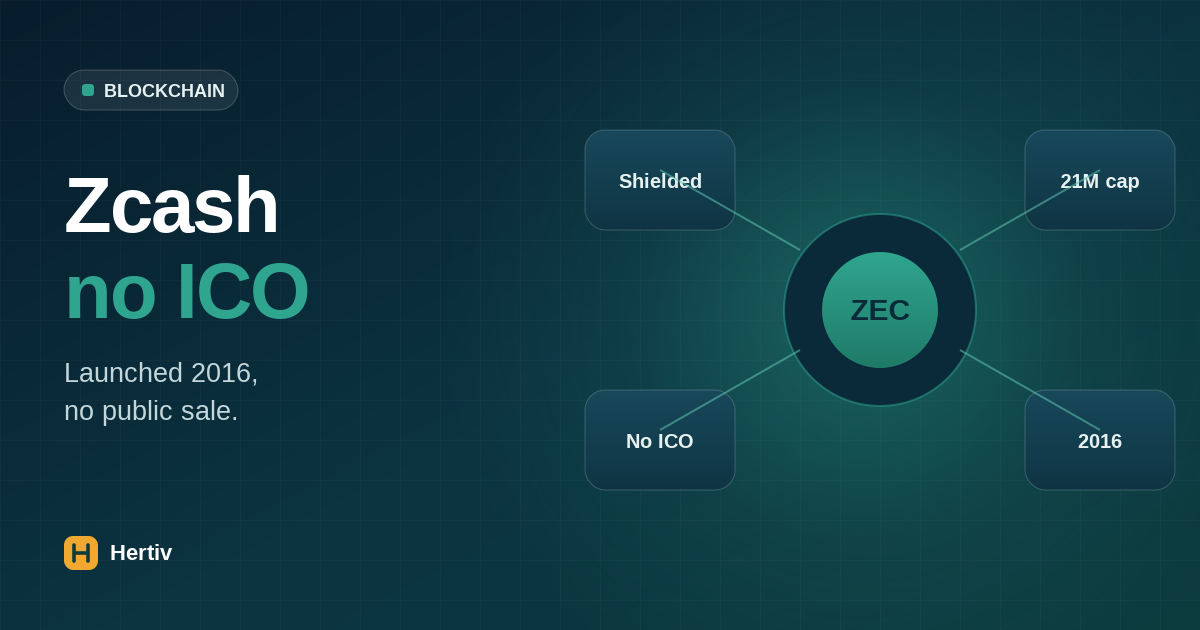
Zcash never held an initial coin offering. It launched in October 2016 as a privacy-focused fork of Bitcoin's code, funded by a share of block rewards.
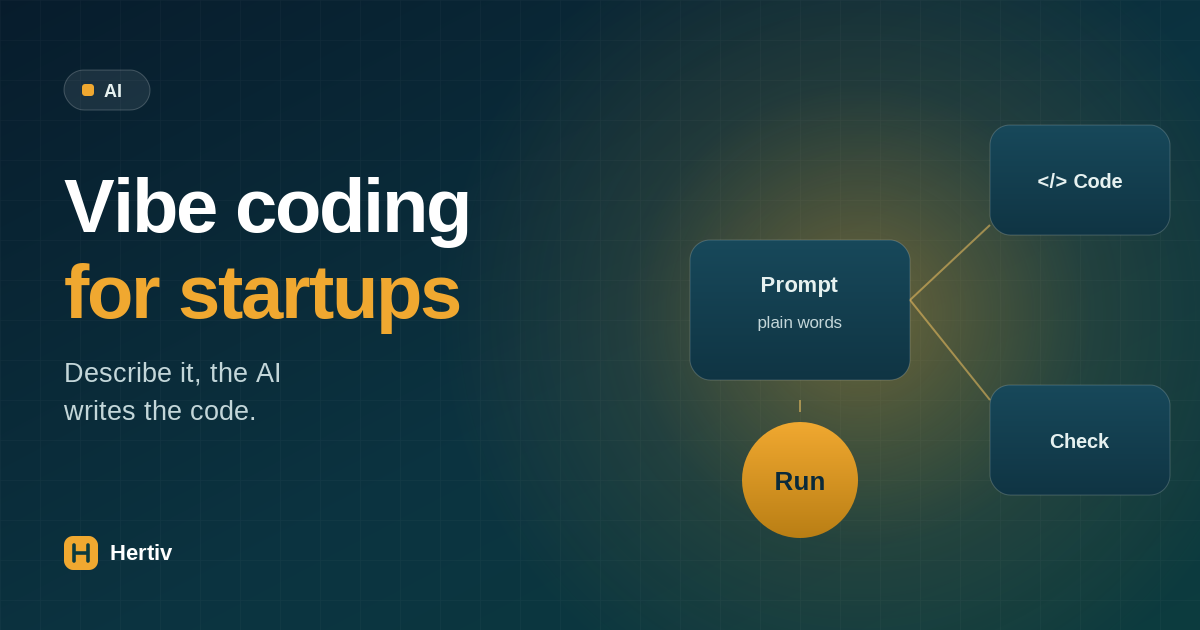
Vibe coding means describing software in plain words and letting an AI tool write the code. It speeds up prototypes, but review and testing are still needed first.
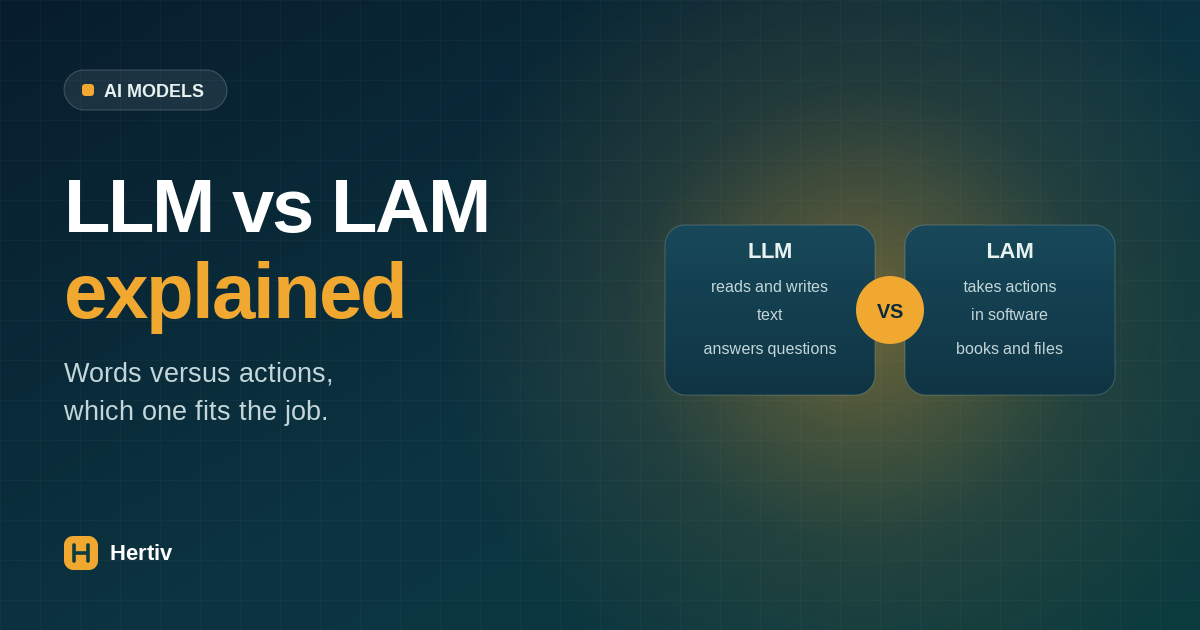
An LLM reads and writes text; a LAM takes actions in software, such as booking or filing. An LLM answers questions, while a LAM carries out the steps that follow.
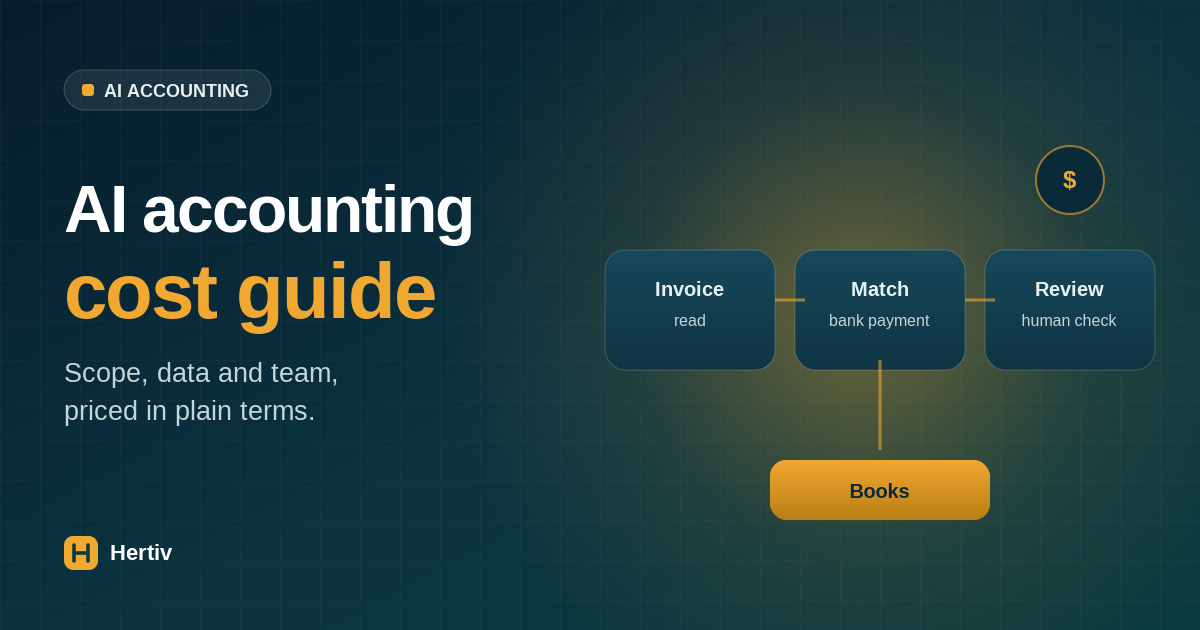
AI accounting software ranges from a pilot to a full product. A first version that reads invoices and matches payments costs far less than a ledger and tax suite.
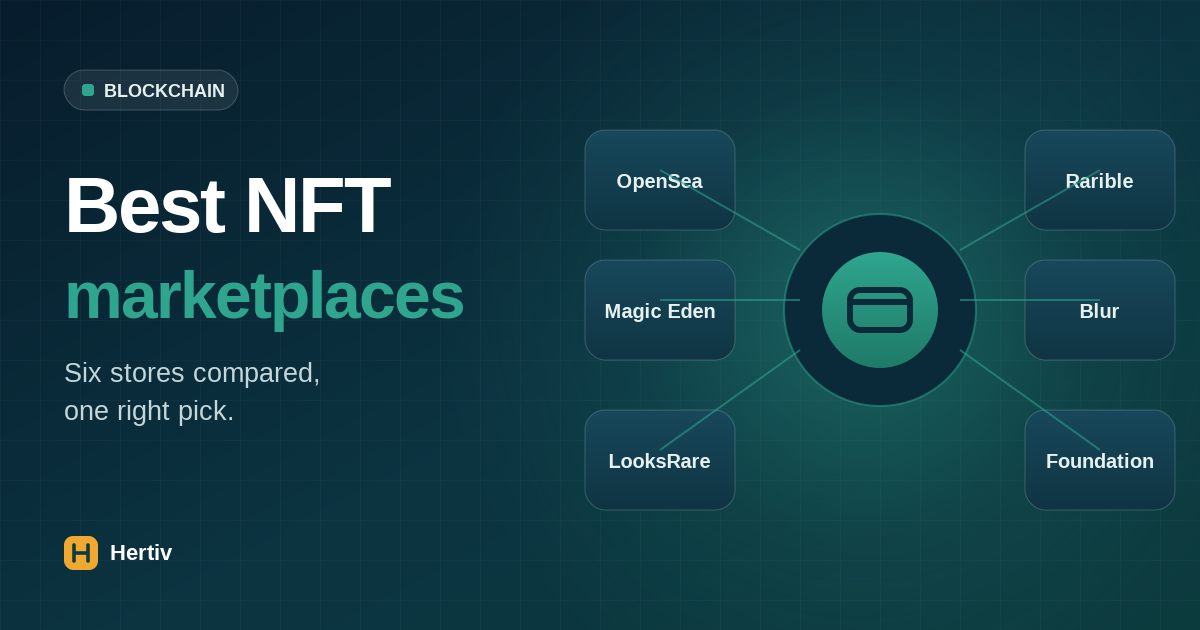
OpenSea gives the widest reach, Magic Eden suits low-fee Solana launches, and Rarible lets a startup run its storefront. The pick depends on chain, fees and control.
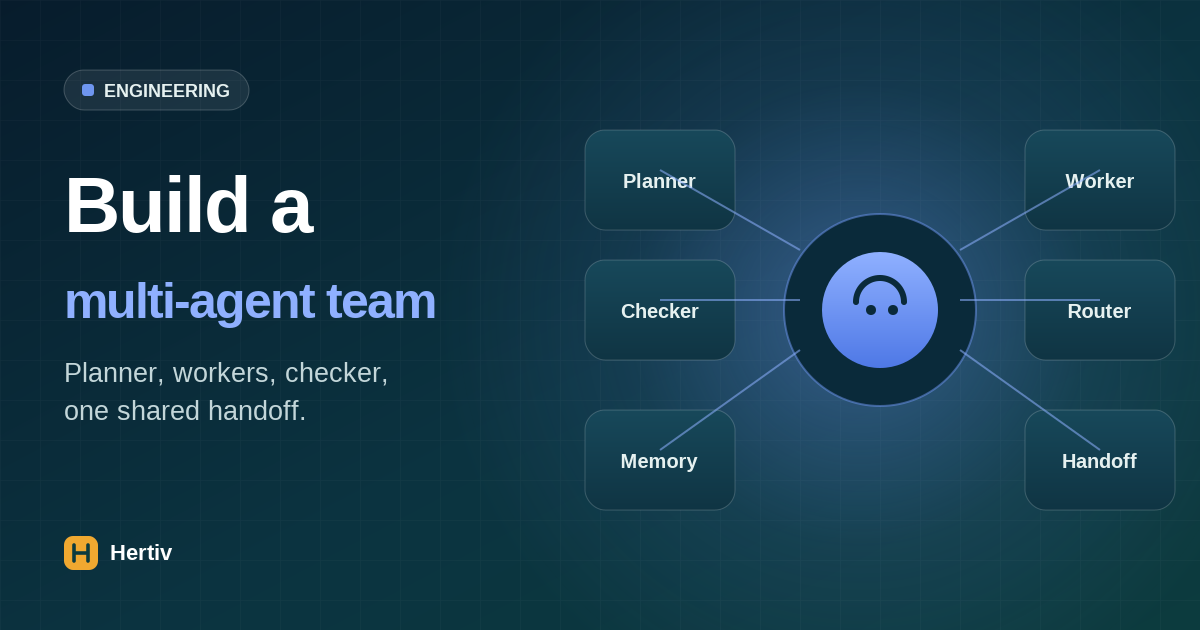
A multi-agent system is several AI agents working together on one job. Give each agent one clear role, a handoff form, and a test set that checks the team.
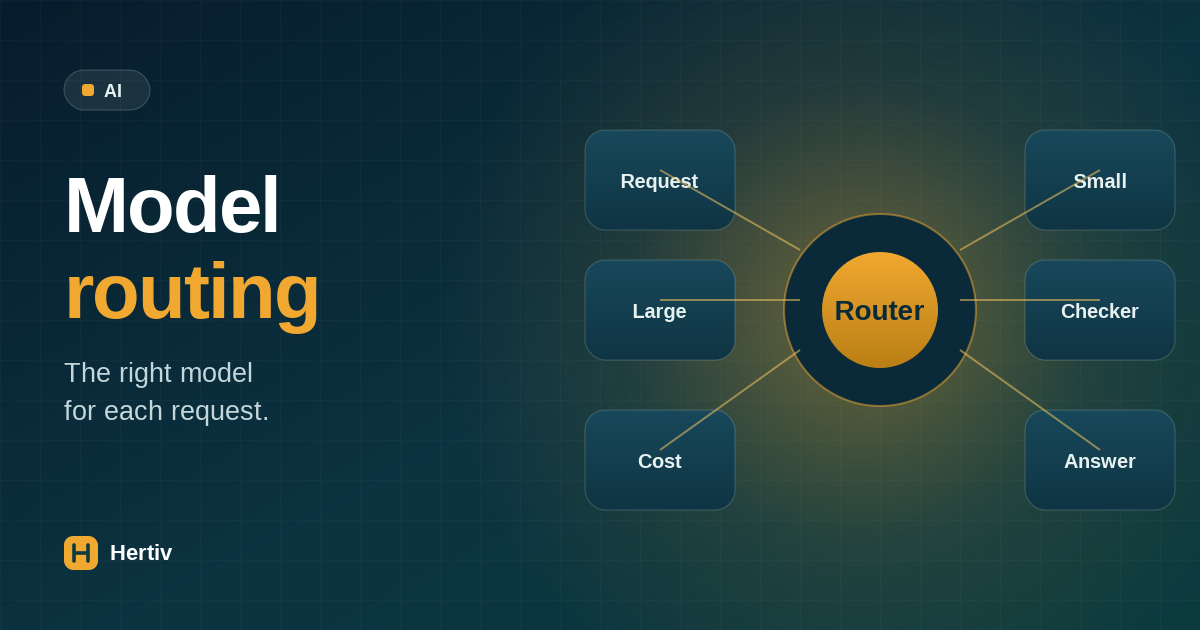
Model routing sends each request to the cheapest model that can handle it well. Learn how routers decide, when routing pays off, and how to set one up.
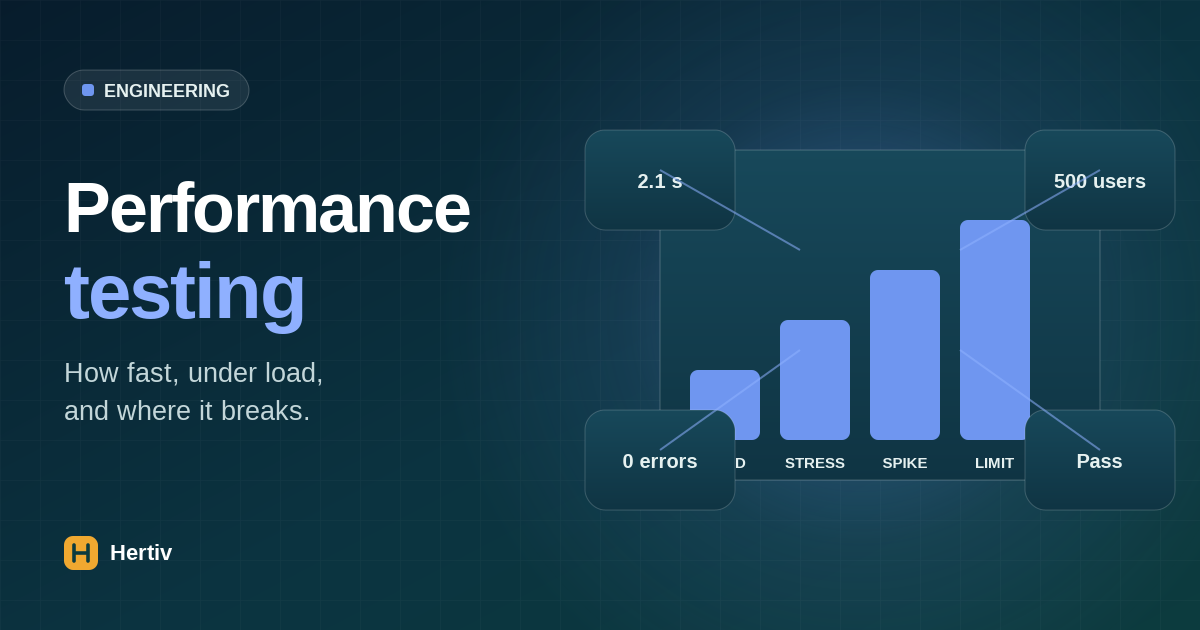
Performance testing checks how fast software responds under real load. Learn the test types, the metrics that matter, and how to run a first test.
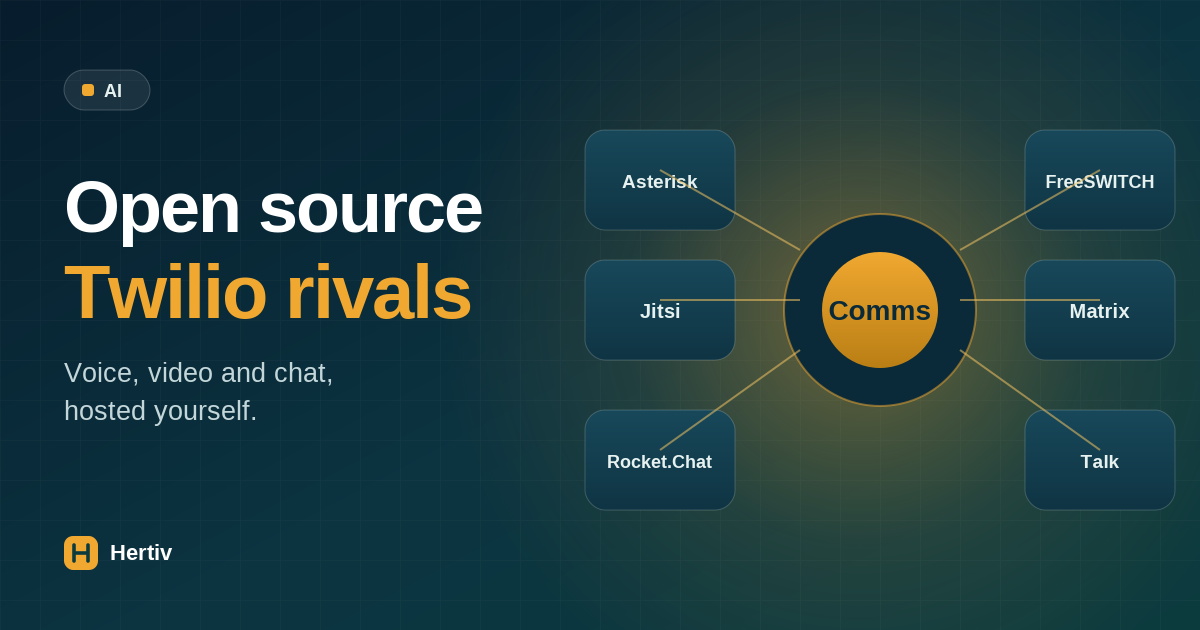
Twilio covers SMS, voice and video through one API, but no single open-source tool replaces all of it. Compare six open-source options and how to combine them.
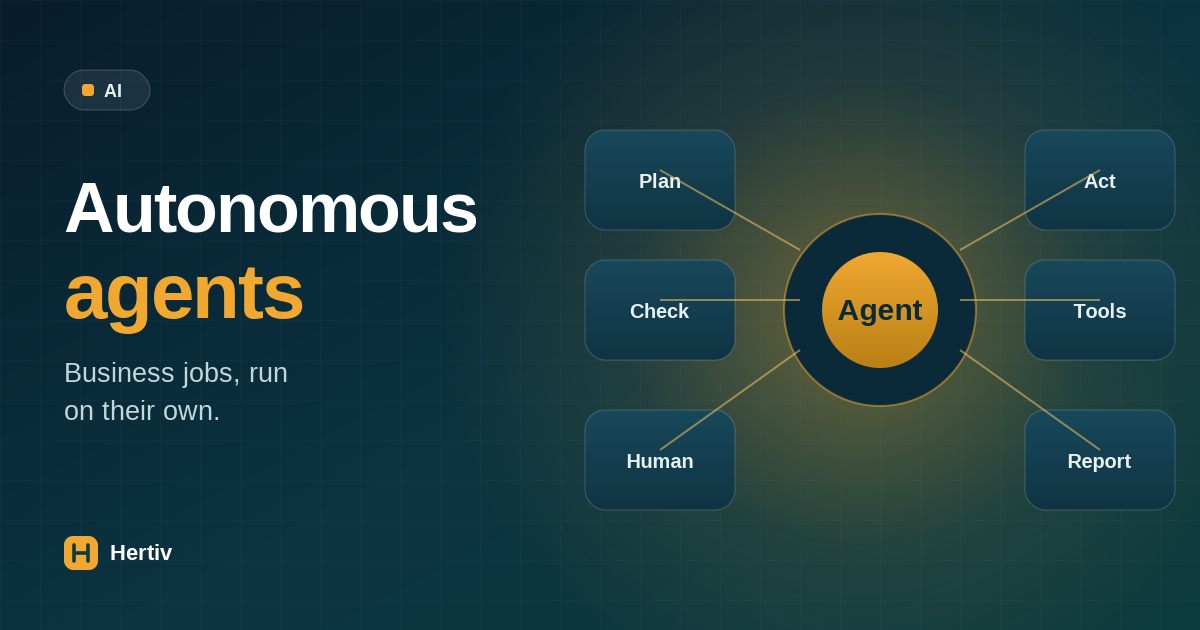
Autonomous agents run multi-step business jobs on their own, from matching invoices to booking meetings. Learn what they do, where they fit, and how to start safely.
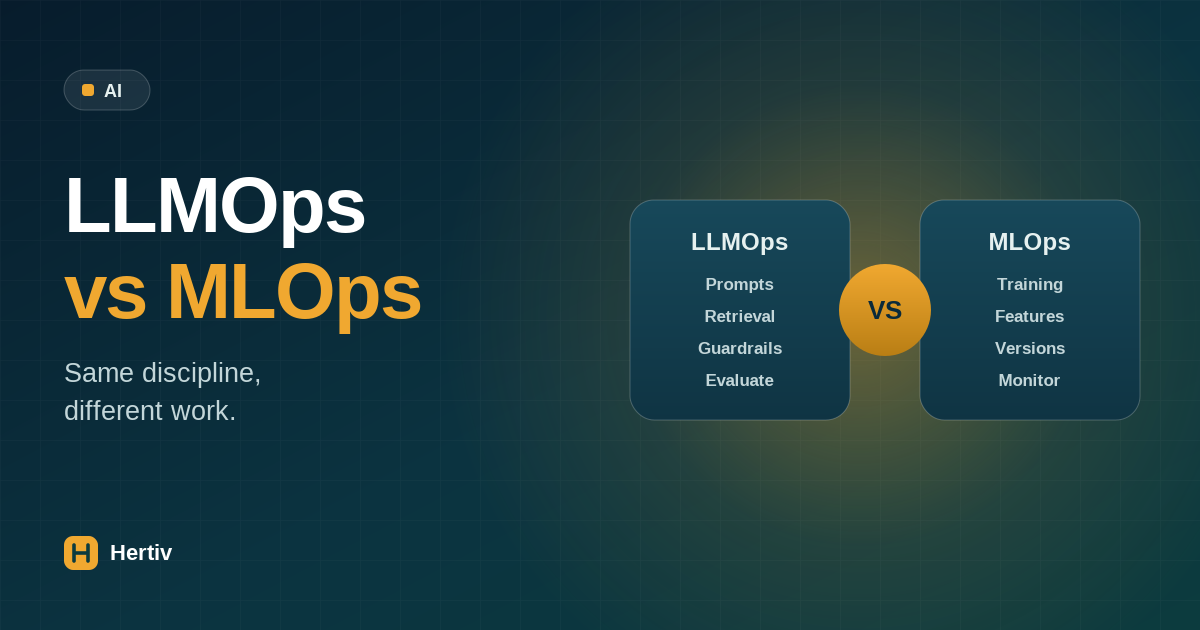
LLMOps runs language-model apps; MLOps covers machine learning models in general. They share pipelines, but differ on prompts, retrieval and evaluation.
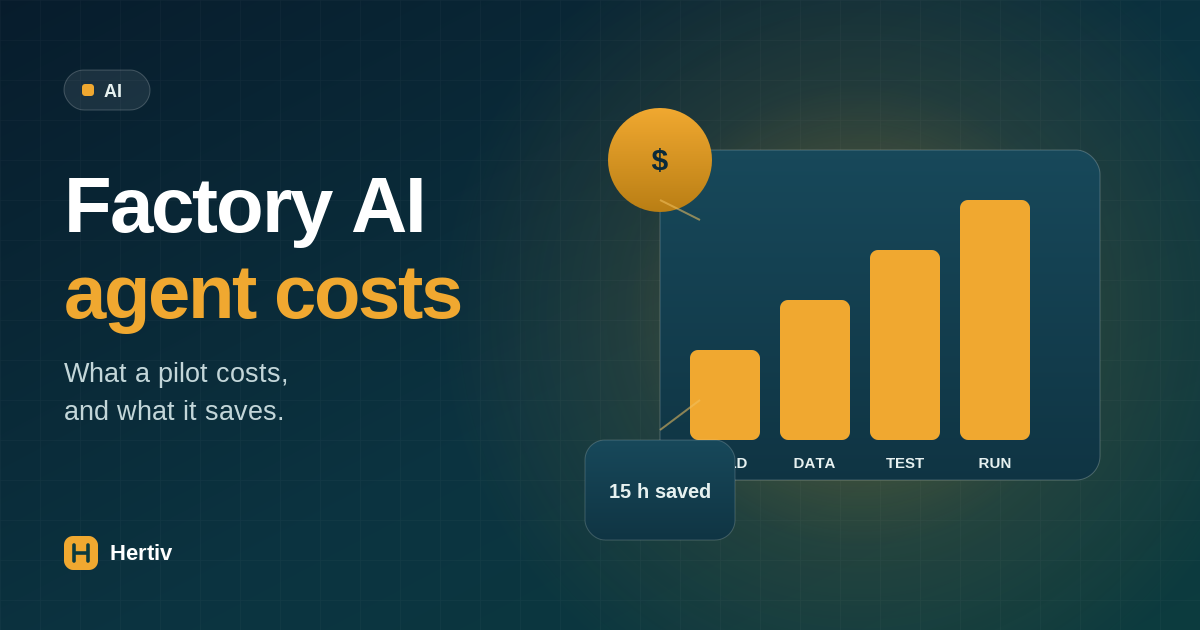
An AI agent for a factory costs from a small pilot budget to a large plant-wide build. The price depends on data, integrations and how much the agent may do alone.
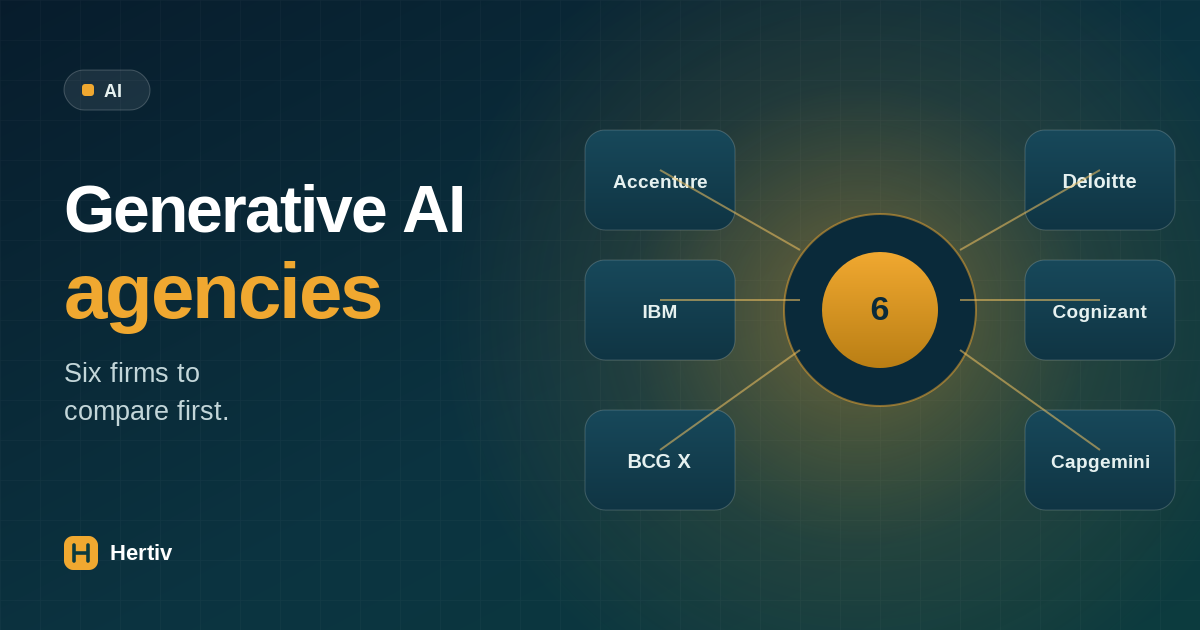
Six generative AI consulting agencies worth comparing, from global firms to AI-native builders. Compare what each does best before you shortlist.
No posts on this page match. Use site search (Ctrl K) to search every post.
A senior engineer reads every request and replies within one business day with questions, a rough range, or a call link.