AI
AI and Computer Vision Trends Worth Watching
The computer vision trends shaping products now: vision-language models, edge vision, synthetic data, 3D vision, video understanding and safer deployment.
Guides on AI agents, LLM apps, RAG, evaluation and MCP, written by the engineers who build them.
1924 posts · page 75 of 81
The computer vision trends shaping products now: vision-language models, edge vision, synthetic data, 3D vision, video understanding and safer deployment.
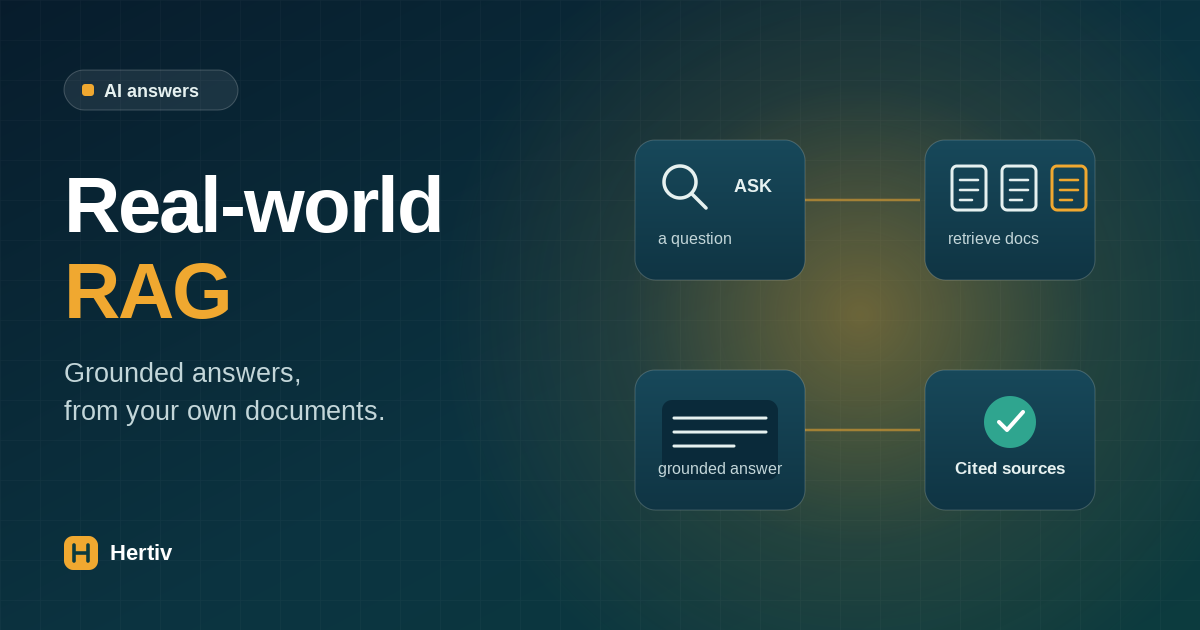
Retrieval-augmented generation grounds AI answers in a team's own documents. These six examples show where RAG works, what it needs, and where it falls short.
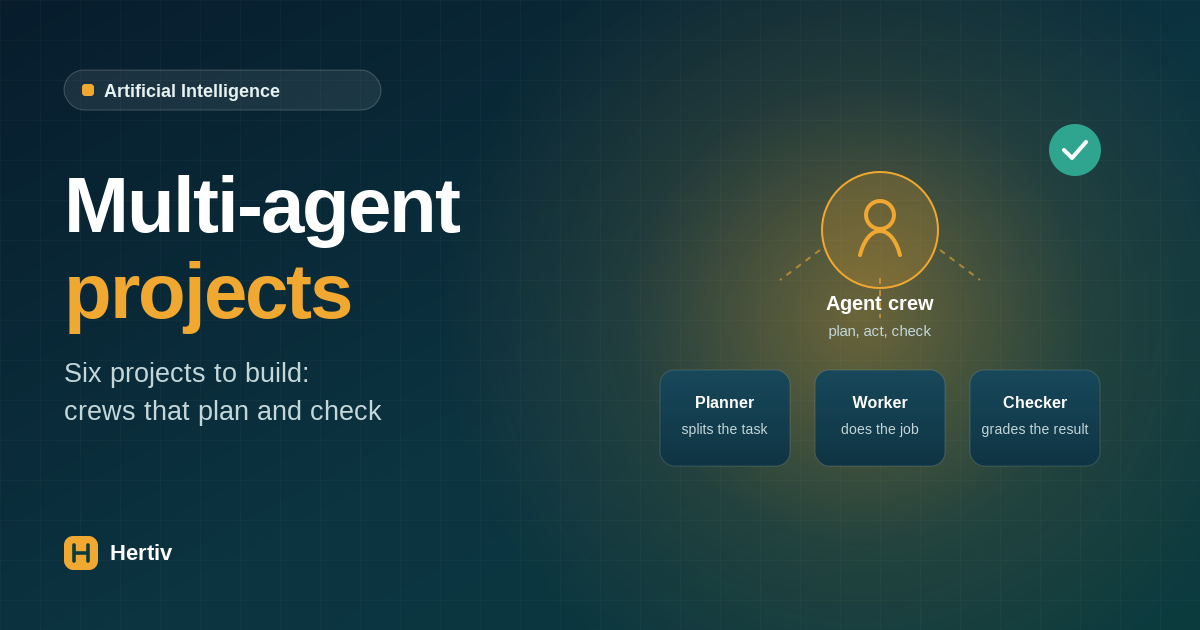
Multi-agent projects teach coordination, tool use and failure handling. Here are 6 buildable projects, from a travel crew to a game world, and what each teaches.
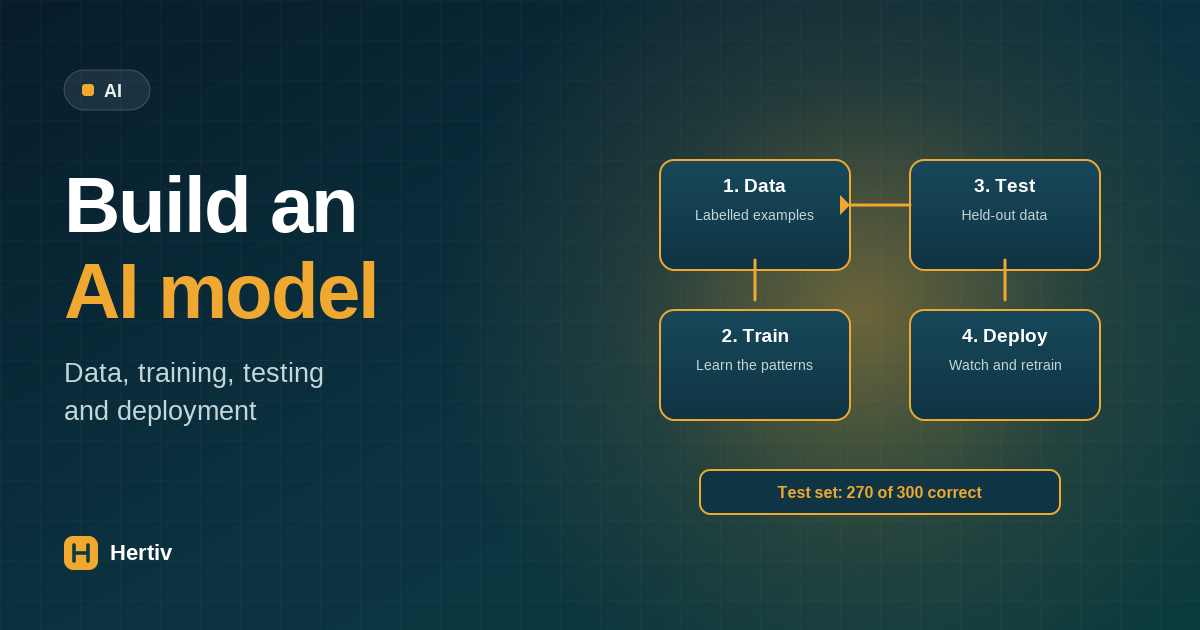
Building an AI model means choosing the model type, preparing data, training, testing on data it has not seen and watching it in production. Here is the process.
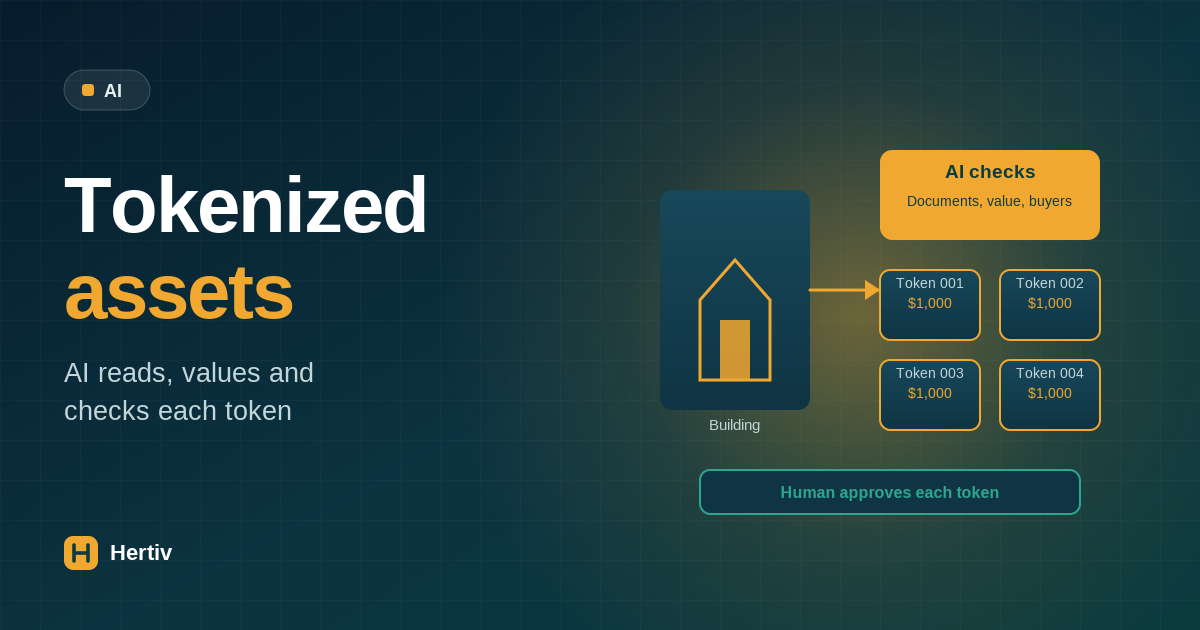
AI makes tokenization faster and safer: it values assets, reads documents, checks compliance and matches buyers. Here are the use cases where the combination works.
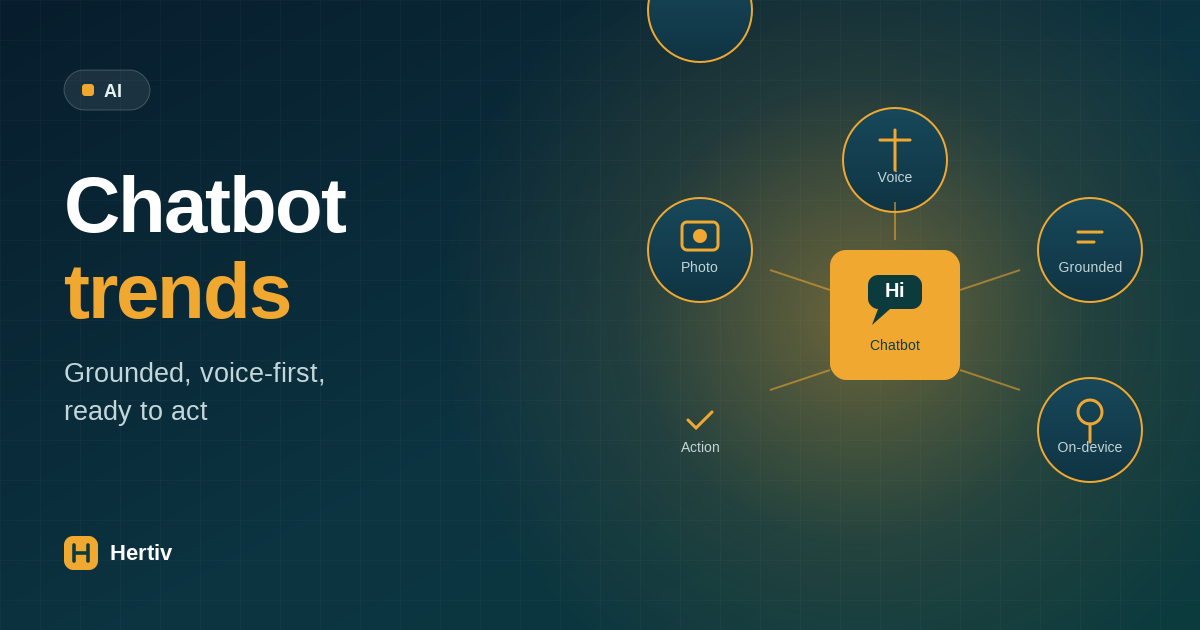
AI chatbots are moving beyond scripted answers toward grounded replies, voice conversations and actions for the user. Here are the trends shaping how they are built.
AI in manufacturing now does real factory work: spotting faults before a line stops, checking quality by camera and forecasting demand. Here are six examples.
An AI proof of concept tests whether an idea works on your own data before you fund the build. Follow these steps to scope it, build it and judge the result fairly.
AI is changing what virtual reality can do, from lifelike avatars to training worlds that adapt to the learner. Here are the use cases that work today.
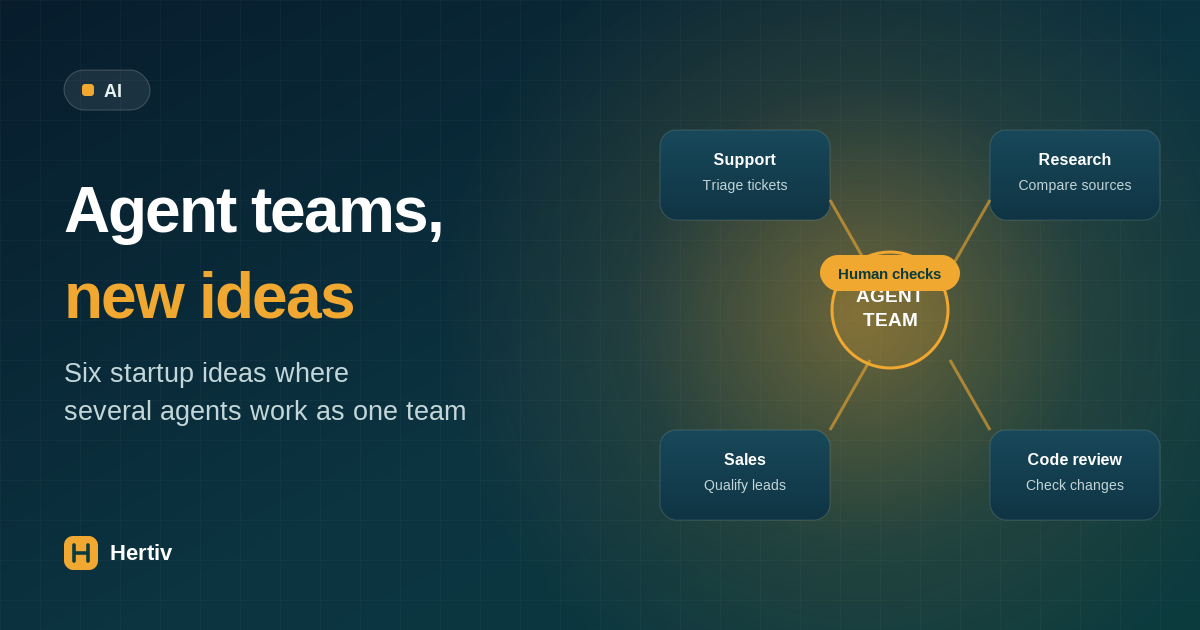
Multi-agent systems let several AI agents work together on one job. Here are six startup ideas where that teamwork pays off, and how to pick the one to build.
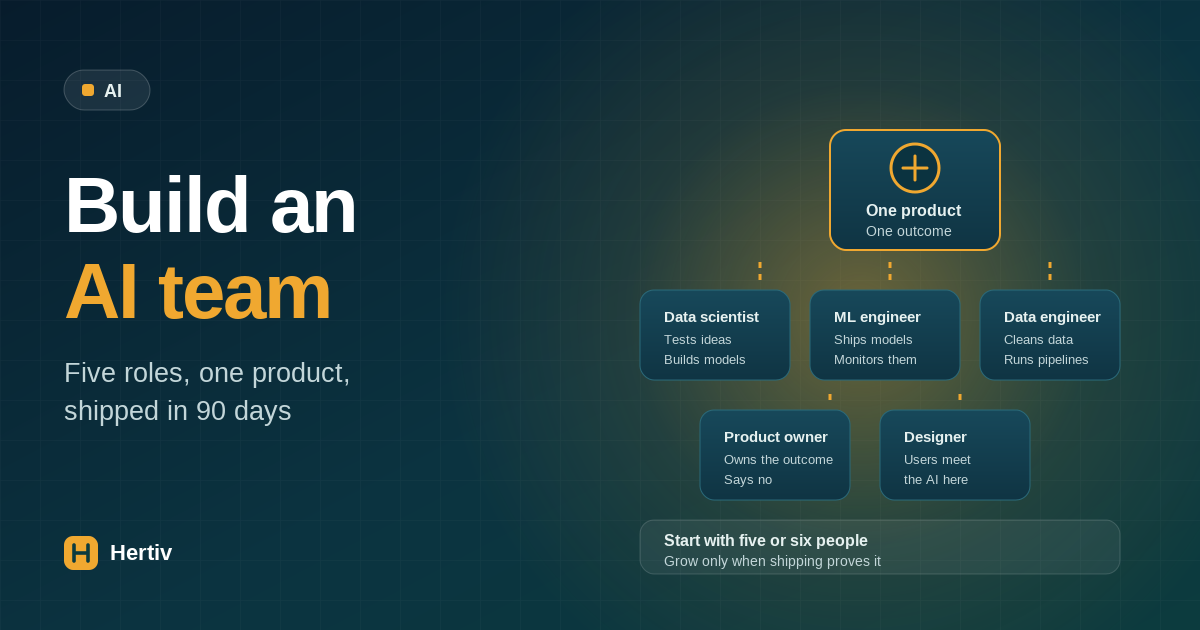
An AI team needs more than data scientists: product sense, engineering, data and design. Here is how to hire, structure and run a team that ships working AI.
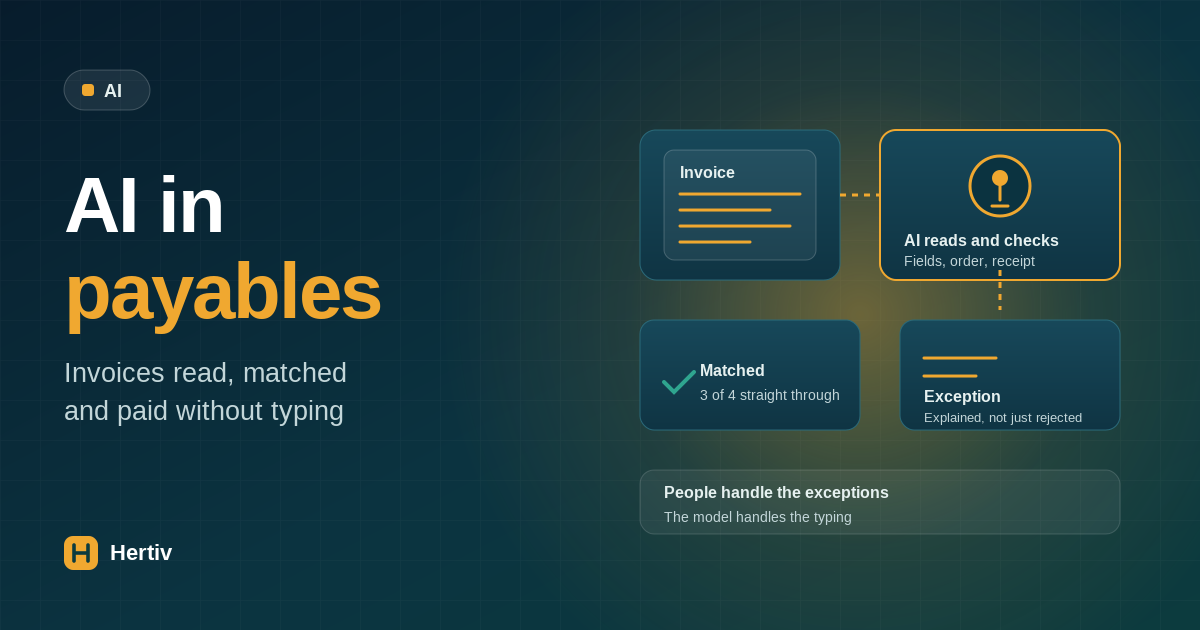
AI in accounts payable reads invoices, matches them to orders and flags problems before payment. These are the use cases that save the most time for finance teams.
AI is changing digital health in clear ways: notes that write themselves, imaging support and care at home. Here are six trends and what each one means for teams.
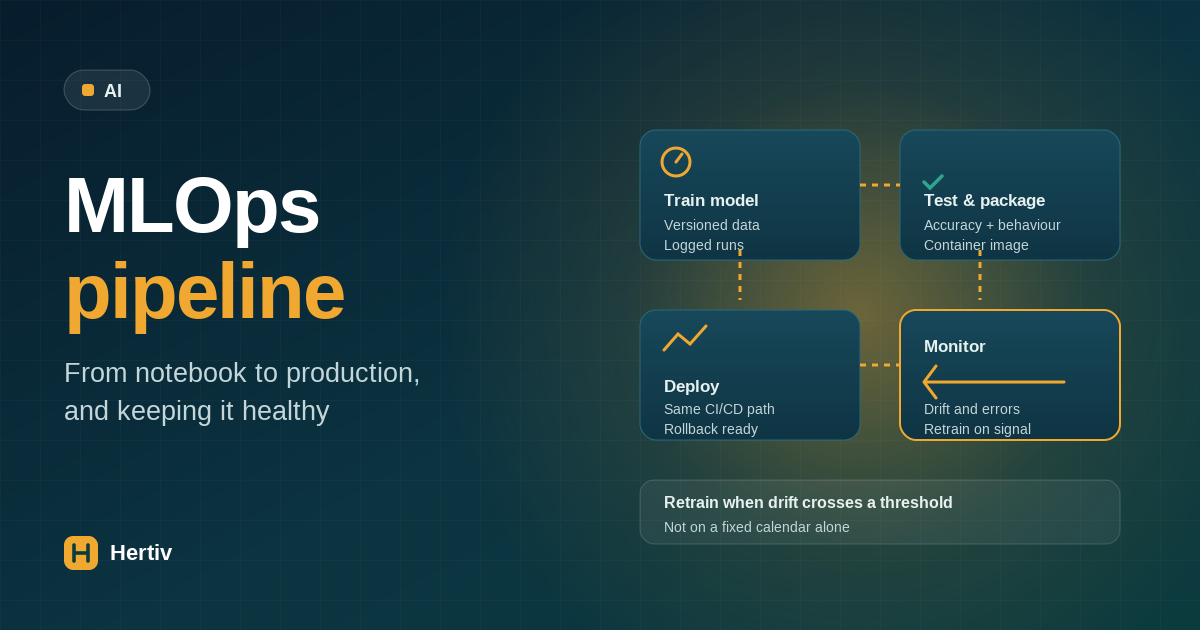
An MLOps pipeline takes a model from training to production and keeps it working: versioned data, tested models, automated deploys and monitoring.
AI helps chemical plants run steadier, safer and with less waste: process control, predictive maintenance, quality checks and faster R&D.
A generative AI platform for travel plans trips, answers booking questions and writes travel content from live prices. Learn what it does and how to choose one.
NLP projects teach the skills employers look for: cleaning text, training a model and shipping it in a product. Here are six buildable projects, and how to pick one.
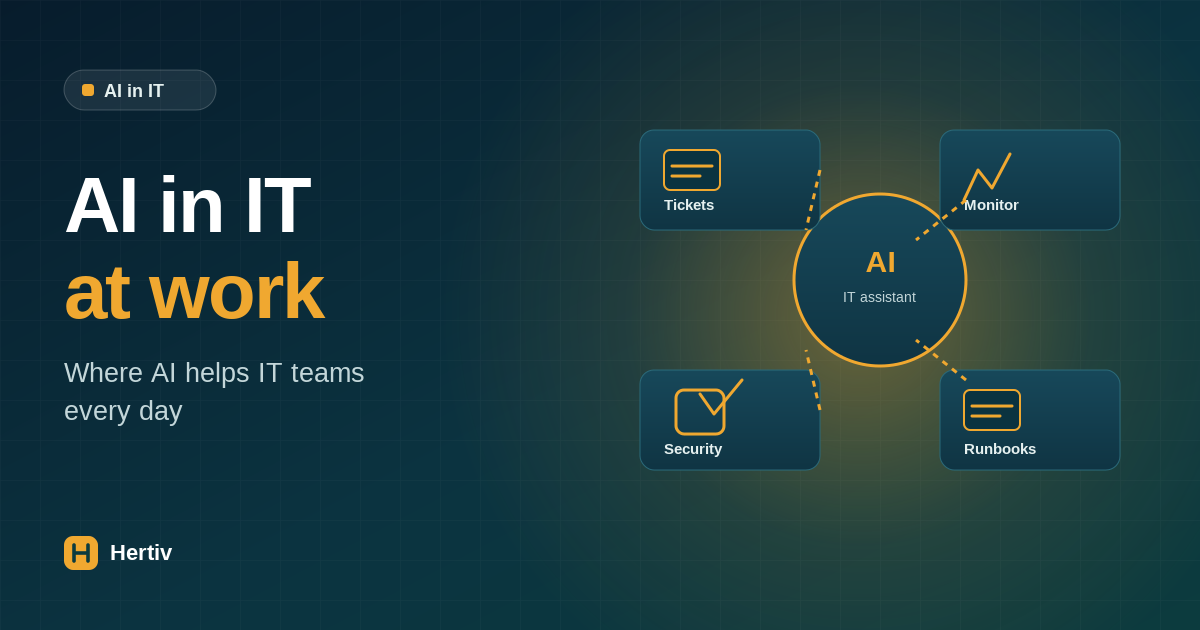
IT teams use AI to answer support tickets, watch systems, spot security problems and write documentation. Here are the use cases that work, and how to start one.
AI is changing how online shops recommend products, answer questions and set prices. These six trends show where the technology is actually being used today.
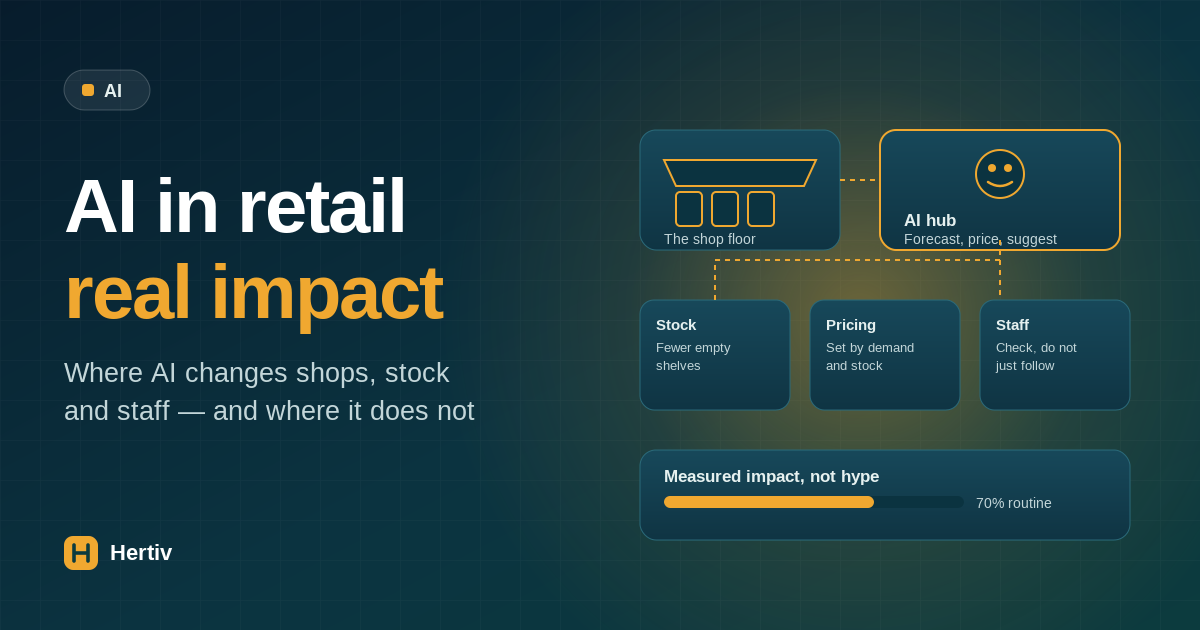
AI is changing retail in four places: the shop floor, the stockroom, the website and the back office. Learn where the impact is real and where it is still small.
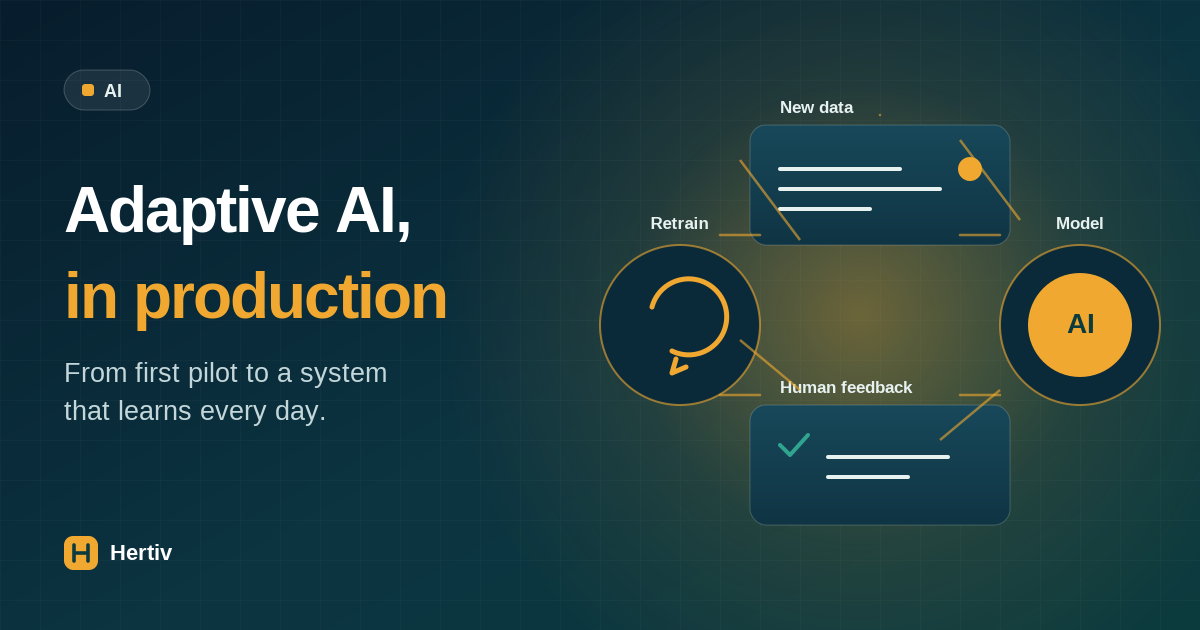
Adaptive AI keeps learning from new data after deployment, within guardrails you set. Build the feedback loop, retrain safely, and measure whether it works.
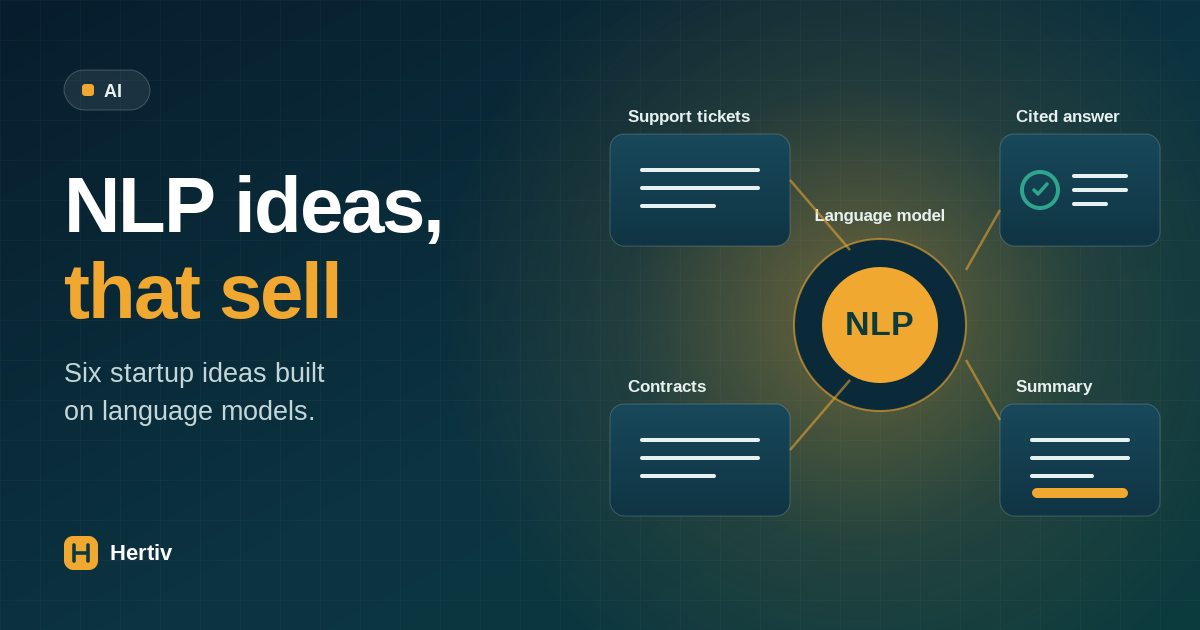
The NLP startup ideas that work share one trait: language is already the bottleneck, in support, legal, clinical or finance work. Six ideas and how to pick one.
AI research is moving from bigger models to smarter ones: reasoning, agents, multimodal input, small models and evaluation. Here are six directions that matter.
Intelligent agents in travel plan trips, compare options, book what fits and rebook after disruption. Here is what they can do, where they fail, and how to start.
No posts on this page match. Use site search (Ctrl K) to search every post.
A senior engineer reads every request and replies within one business day with questions, a rough range, or a call link.