Blockchain
What Are SPVs in Asset Tokenization, and Why Do They Matter?
An SPV is a separate company that holds the real asset behind a token, so token holders have a clear claim. Here is how the structure works and what can go wrong.
Page 123 of 235.
5629 posts · page 123 of 235
An SPV is a separate company that holds the real asset behind a token, so token holders have a clear claim. Here is how the structure works and what can go wrong.
Eight Kore.ai alternatives, from open-source Rasa to Copilot Studio and Dialogflow CX, compared by channel, cloud fit and control.
A barcode-scanning nutrition app like FoodSwitch costs $80,000-$250,000 for a first version in Australia, with the food database driving most of the budget.
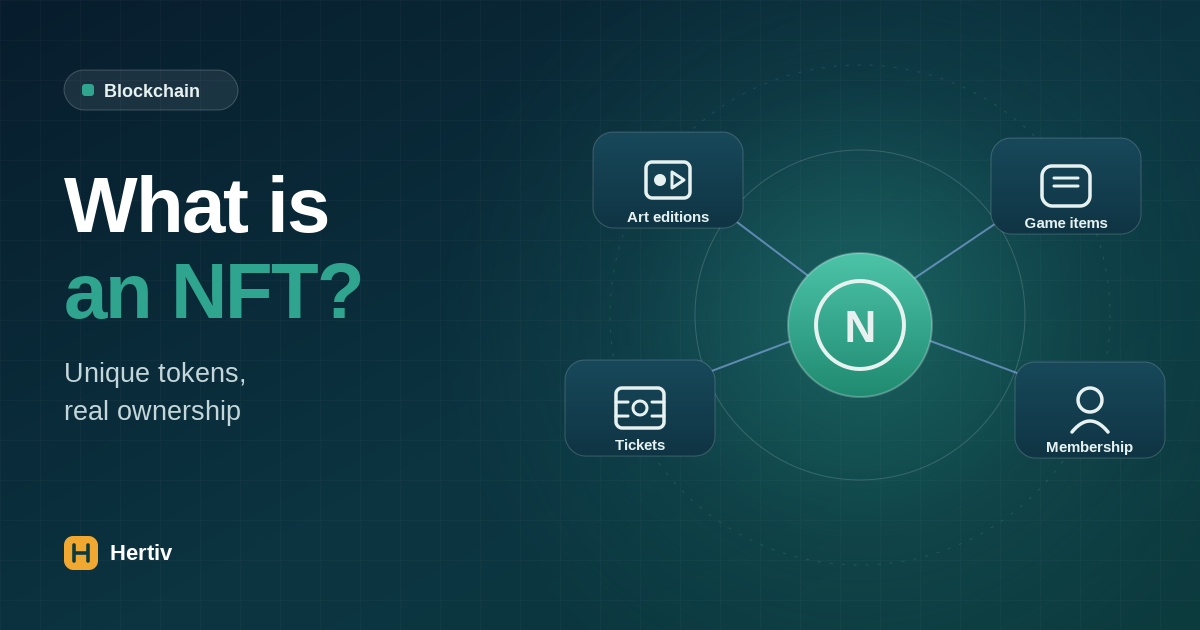
An NFT is a unique token on a blockchain that proves ownership of a specific digital item. Its rise came from scarcity, creator income and community.
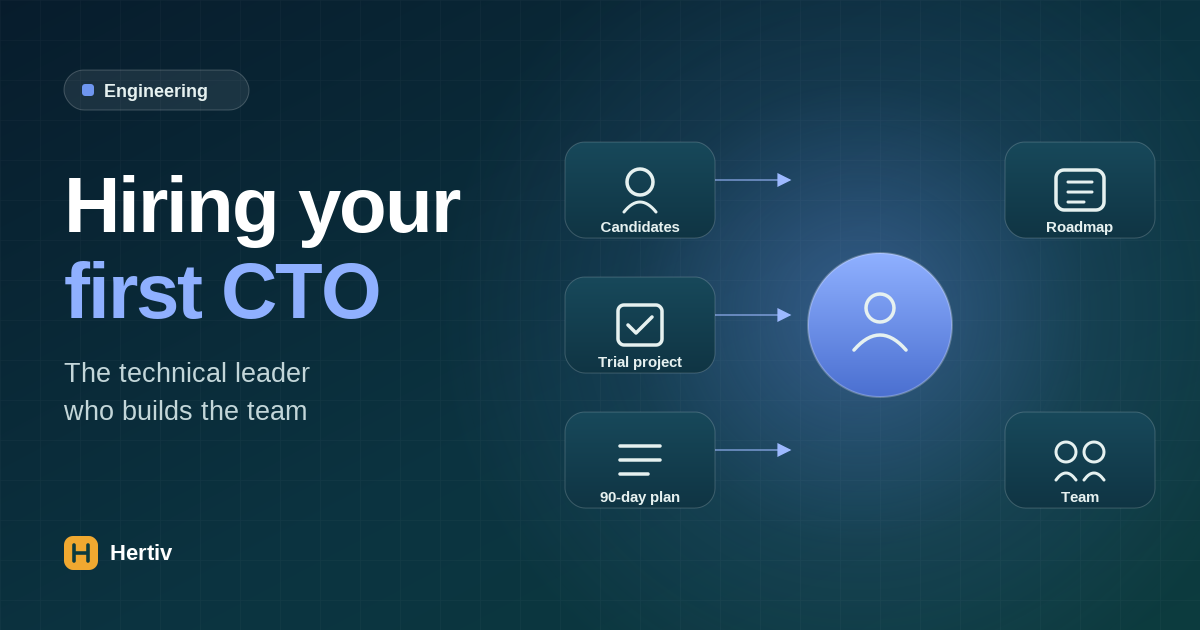
Hiring a CTO means finding a technical leader who can build the product and the team. Here is when to hire, what to look for, and how to judge candidates.
Robotic process automation lets banks run routine work with bots that follow fixed rules. Here is where it helps, where it fails, and how to put it in place.
An app like Grab costs roughly $150,000 to $500,000 for a multi-service version, and $60,000 to $120,000 for a single-service start. Here is what drives the price.
NFT artwork is digital art linked to a unique blockchain token, so ownership and origin can be checked by anyone. Here is how minting, buying and resale work.
Eight San Francisco product discovery firms compared on focus, fit and local presence — plus how to pick the right partner for your product.
API documentation tools turn an OpenAPI file into reference pages, guides and mock servers. Here are eight compared on what each does best and where it falls short.
SRC-20 tokens are fungible tokens on Bitcoin built with the Bitcoin Stamps protocol. Here is how they store data, how they differ from BRC-20, and the trade-offs.
RPA in manufacturing automates repetitive tasks such as order entry, inventory updates and quality reports. Here is where it fits, how it works and where it fails.
An auction app like Emirates Auction needs live bidding, deposits, inspections and payments. Here is what each part costs and how the total adds up.
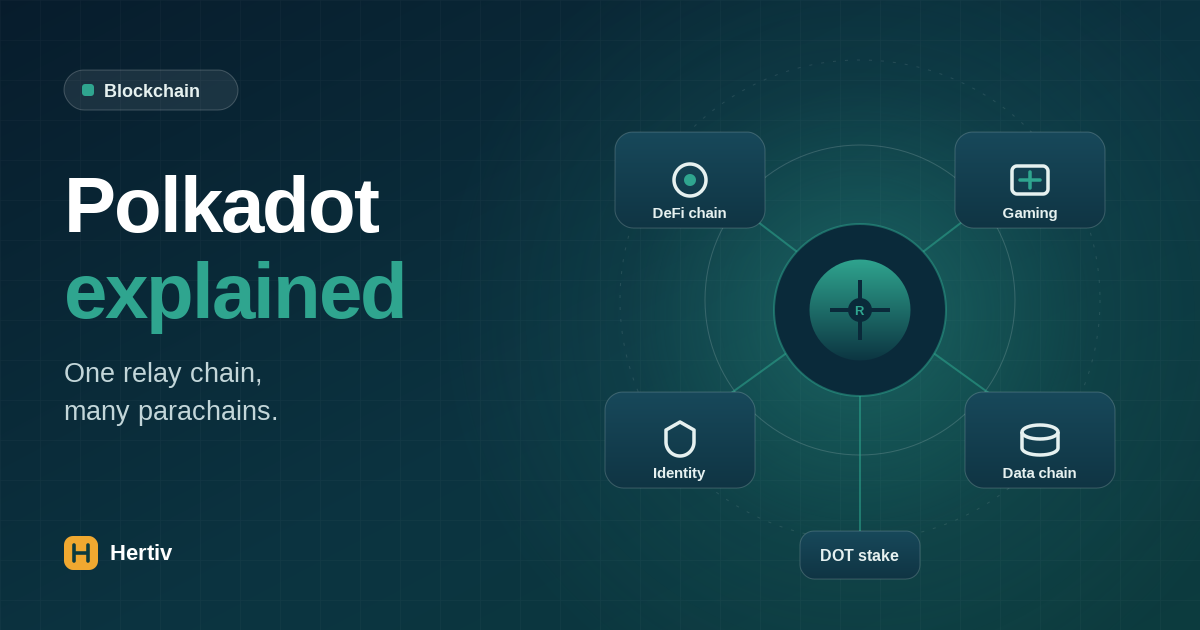
Polkadot is a blockchain network that connects specialised chains called parachains to one relay chain, so they share security. DOT is the token that pays for it.
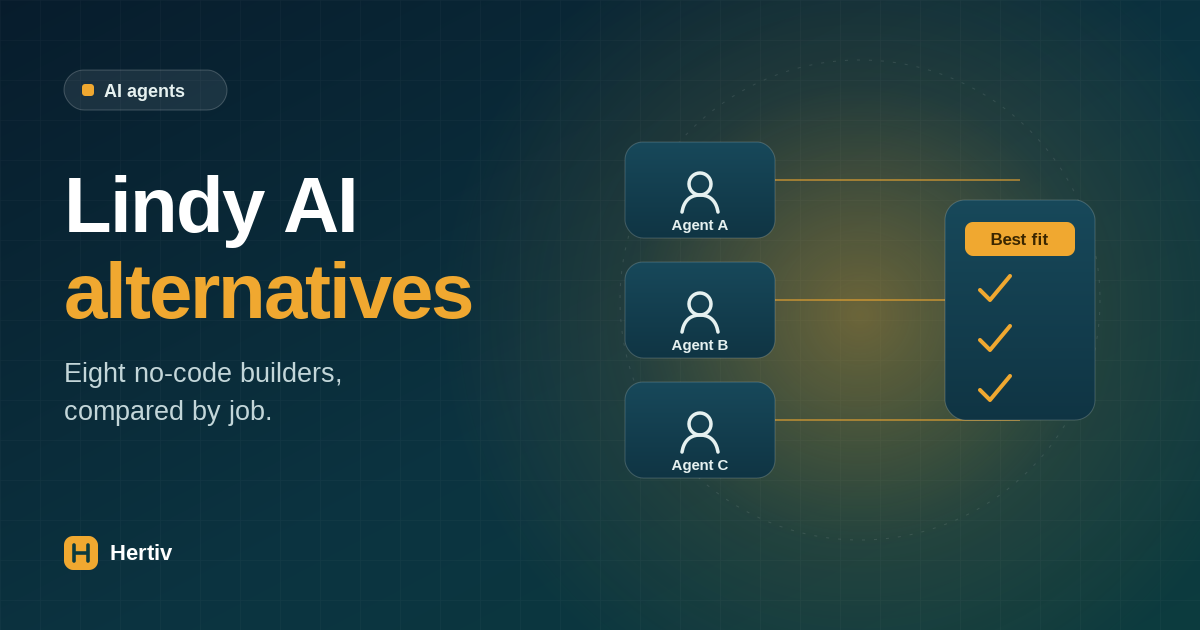
The best Lindy AI alternatives depend on the job: Relevance AI for agent teams, Zapier Agents for app coverage, n8n for self-hosting and Botpress for customer chat.
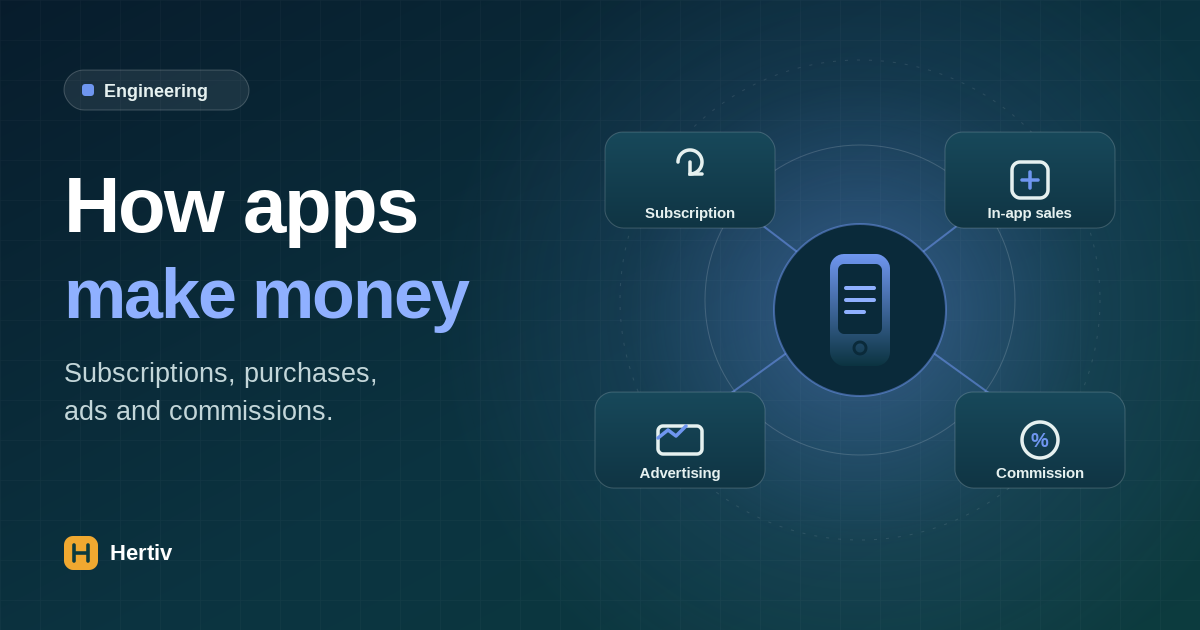
Apps make money through subscriptions, in-app purchases, advertising, commissions and paid downloads. The right model depends on how often people use the app.
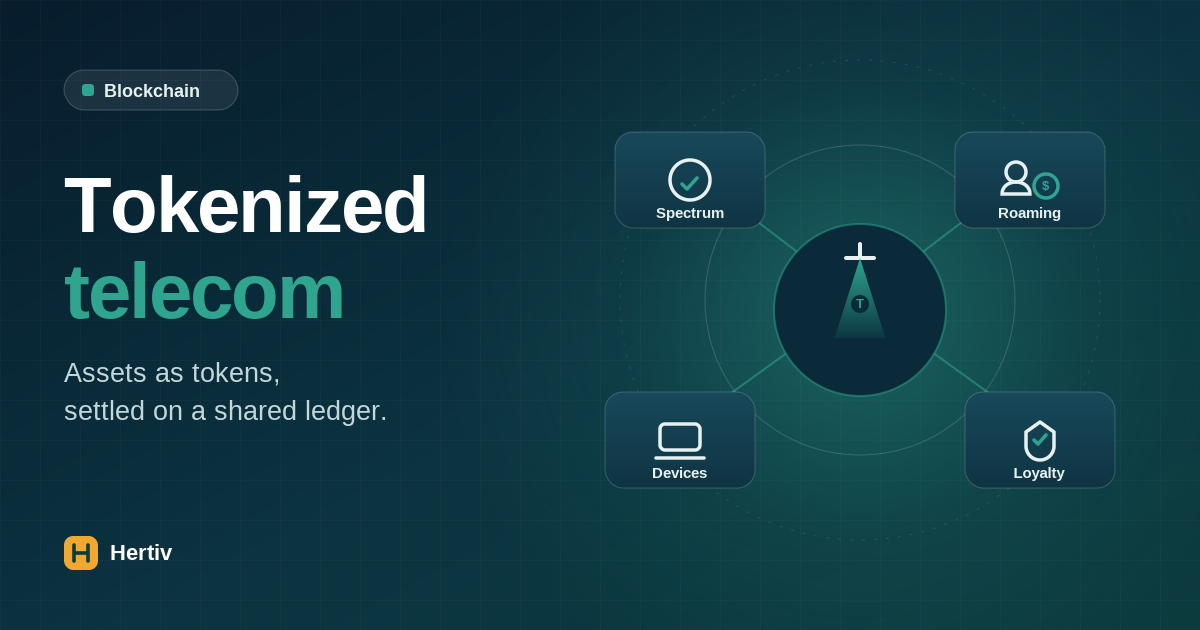
Tokenization in telecom turns network assets, spectrum rights and customer balances into digital tokens. Here is how it works, where it helps and what limits it.
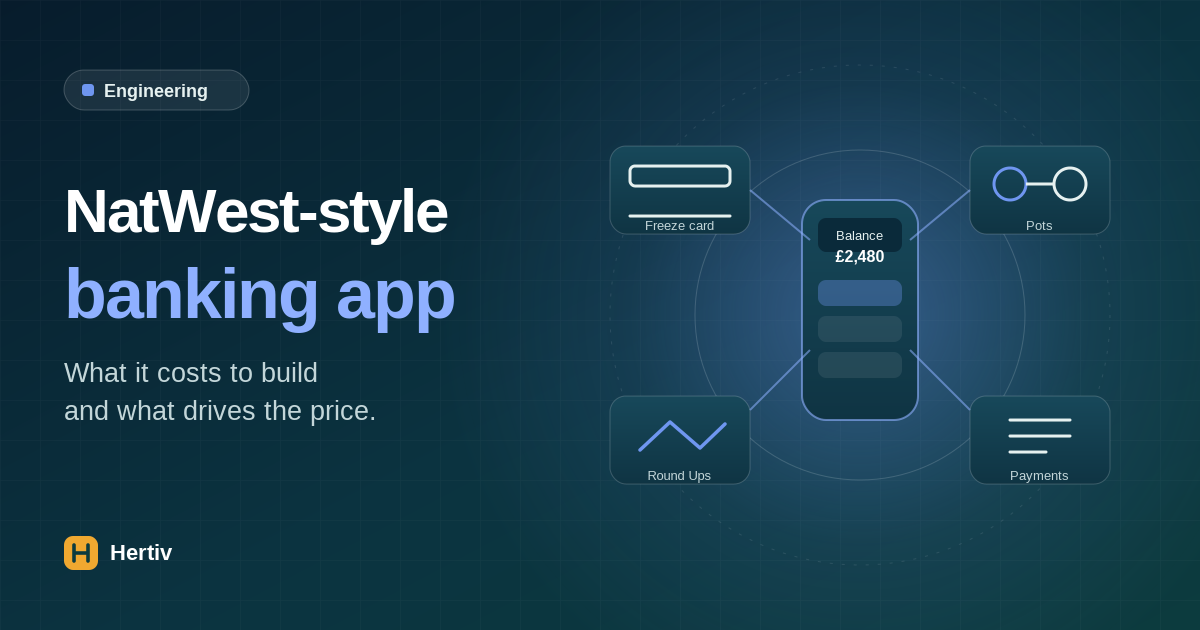
A first version of a NatWest-style banking app costs $120,000 to $250,000. This guide covers the cost bands and the features that drive price.
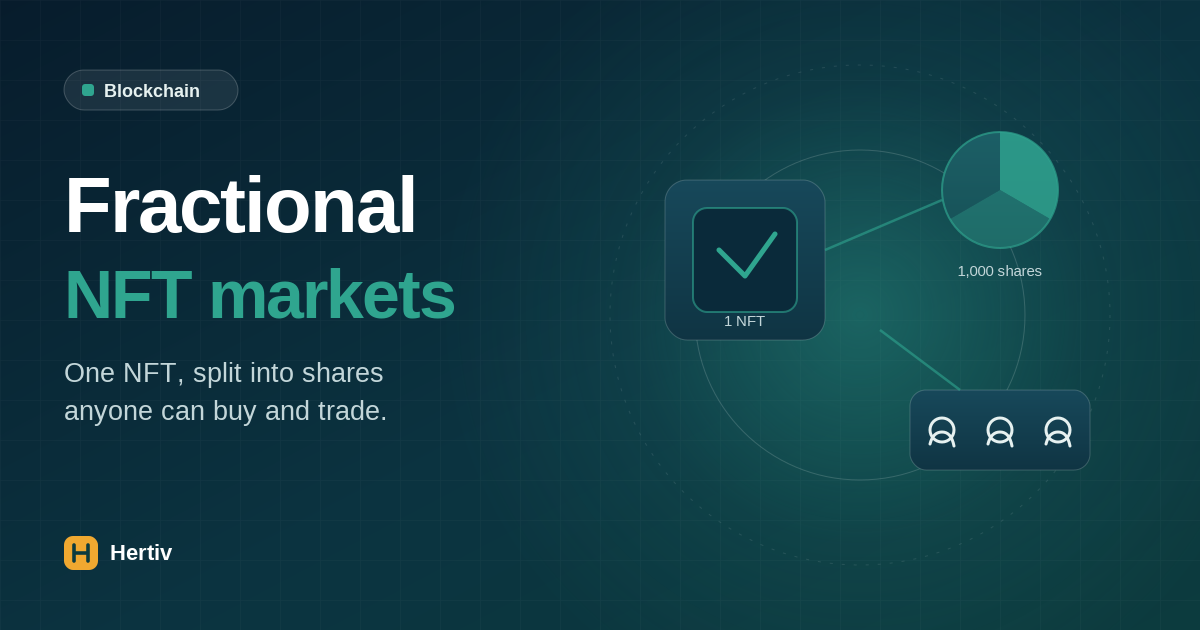
A fractional NFT marketplace lets many people own shares of one NFT. This guide covers how it works, the features you need and the build cost.
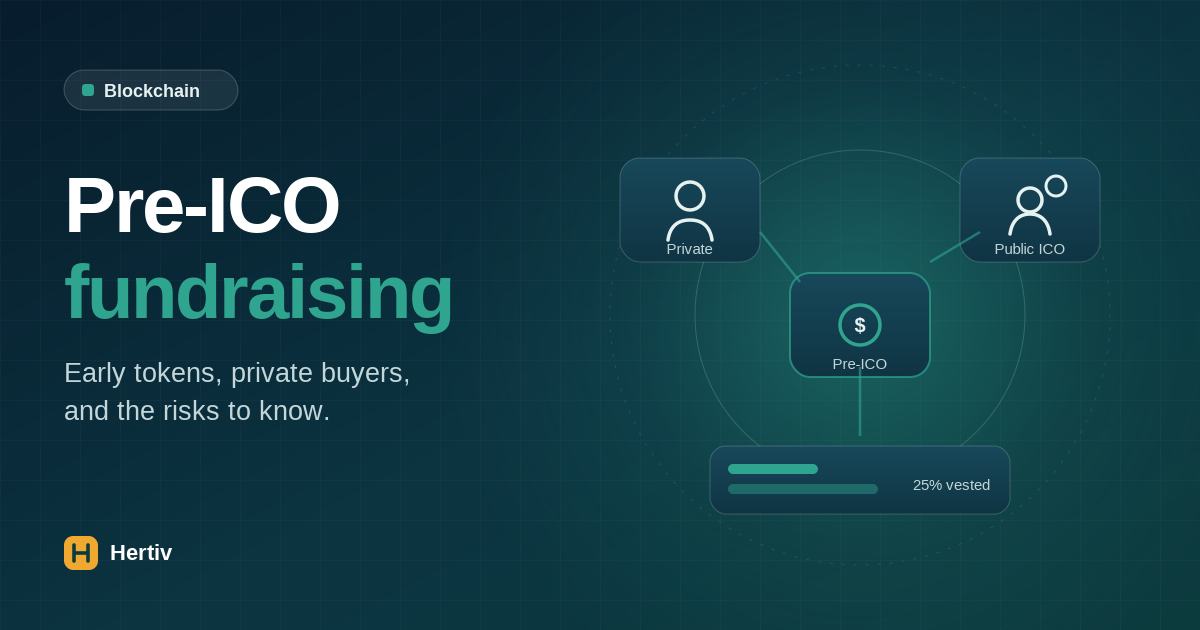
A pre-ICO is a private token sale held before a public ICO, usually at a lower price. This guide explains how it works and the risks buyers take.
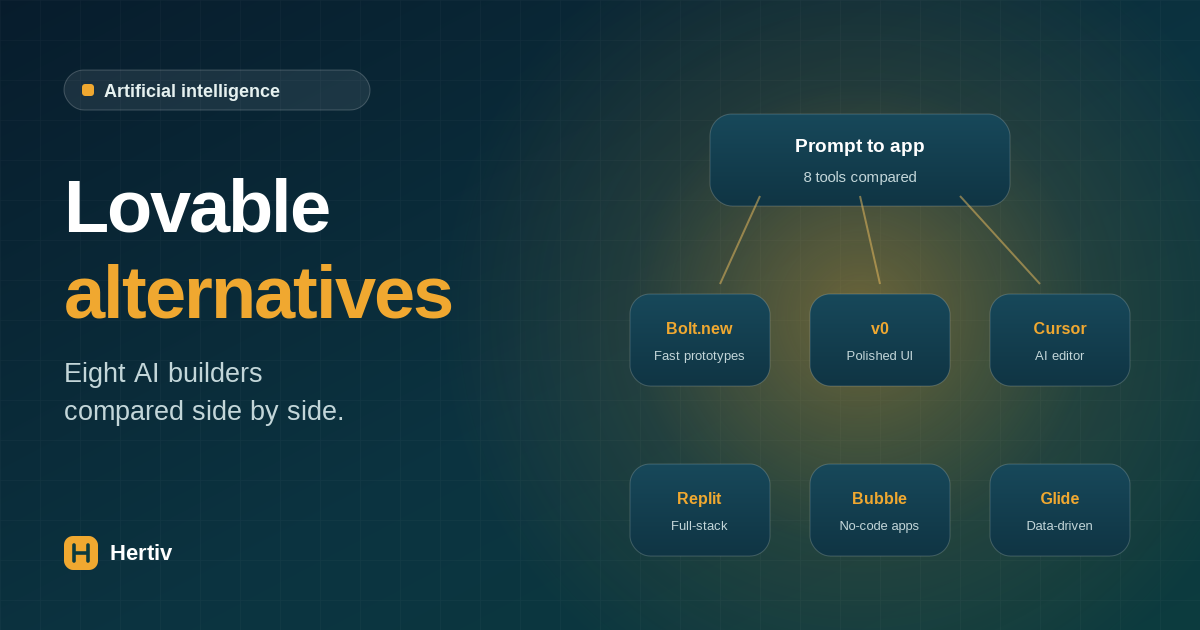
Lovable turns prompts into web apps, but it is not the only option. These eight alternatives cover code-first builders, no-code platforms and AI coding assistants.
Stablecoin as a service lets a company launch its own stablecoin without building the reserves, minting, compliance and wallet rails itself.
Web3 in banking means using blockchains, tokenised assets and smart contracts inside banking services. Payments, trade finance and custody come first.
A calorie counting app like Cronometer costs roughly $40,000 to $350,000 to build, depending on the food database, logging methods and AI features.
No posts on this page match. Use site search (Ctrl K) to search every post.
A senior engineer reads every request and replies within one business day with questions, a rough range, or a call link.