Blockchain
What Are Soulbound Tokens, and How Do They Work?
Soulbound tokens are digital tokens that cannot be transferred, so they prove who someone is or what they have done. Here is how they work and where they are used.
Page 122 of 235.
5629 posts · page 122 of 235
Soulbound tokens are digital tokens that cannot be transferred, so they prove who someone is or what they have done. Here is how they work and where they are used.
NLP reads, grades and explains student writing in plain language. Here is how schools and edtech teams use it for tutoring, feedback, grading and language learning.
Granola takes meeting notes without a bot, but it keeps no audio and caps free history at 30 days. These eight alternatives cover bots, recordings and team tools.
A ticketing app like Ticketmaster costs roughly $120,000 to $250,000 for a first version. Here is what drives the price and where the money goes.
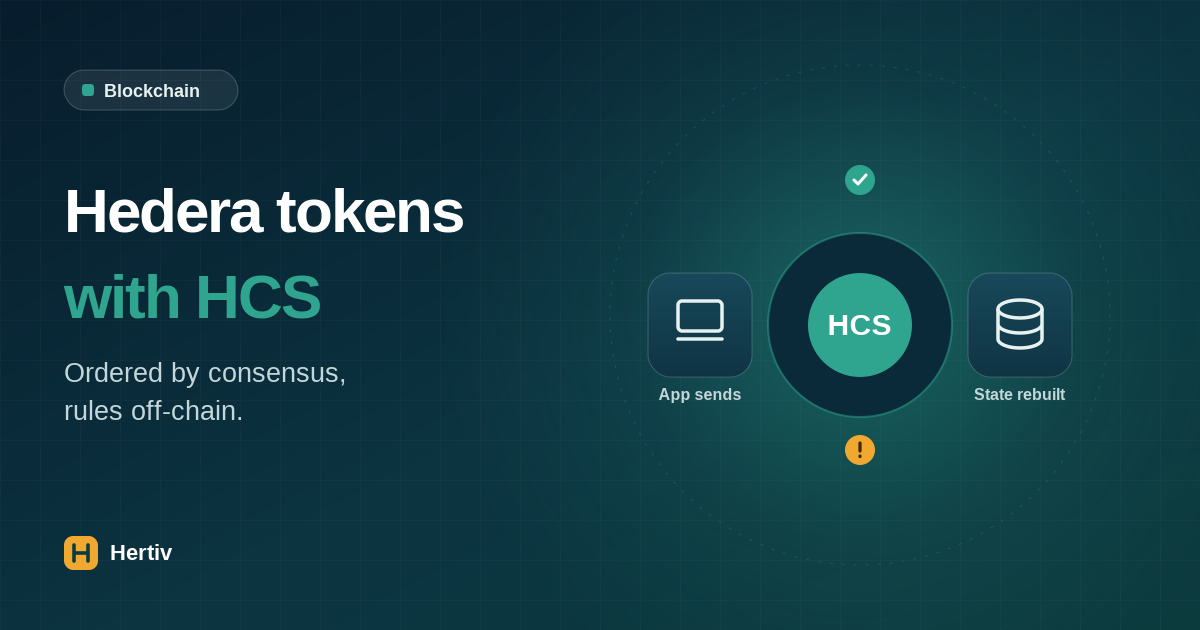
Hedera Consensus Service orders and timestamps token transfers, while the token rules run off-chain. Here is how that pattern works and when to use it.
A hybrid crypto exchange pairs a fast centralised order book with on-chain settlement and custody. Here is how the model works and what it takes to build one.
Healthcare software in Australia must satisfy TGA rules, privacy law and national data standards at once. Here is how to plan a build that passes.
InVideo AI turns a text prompt into a finished video, but Runway, Pictory, Synthesia and five others cover the same work. Compare them by job, not by feature list.
Digital transformation in pharma replaces paper, silos and manual checks with connected data across research, trials and manufacturing. Here is where to start.
Cloud-based digital signage software runs screens from a central dashboard. The build cost depends on the player apps, the CMS and the scale. Here are the bands.
A wallet like Phantom is a self-custody crypto wallet with swaps, staking and NFT support. Here is what to build, in what order, and what a first version costs.
An immutable ledger is a record that cannot be changed once written, because each entry is linked to the one before it. Here is how it works and where it helps.
Jasper is built for marketing teams, but Copy.ai, Writesonic, Writer and five others cover the same work. Compare them by job, not by feature list.
A spot bitcoin ETF holds actual bitcoin and trades on a stock exchange, so investors get bitcoin exposure through a brokerage account. Here is how it works.
Stablecoins give telecom operators a dollar-pegged way to settle roaming and wholesale bills faster than banks. Here is where they fit and where they do not.
An OTT app like Stan costs roughly $120,000 to $400,000 to build for a first version, depending on platforms, streaming quality and the content catalogue.
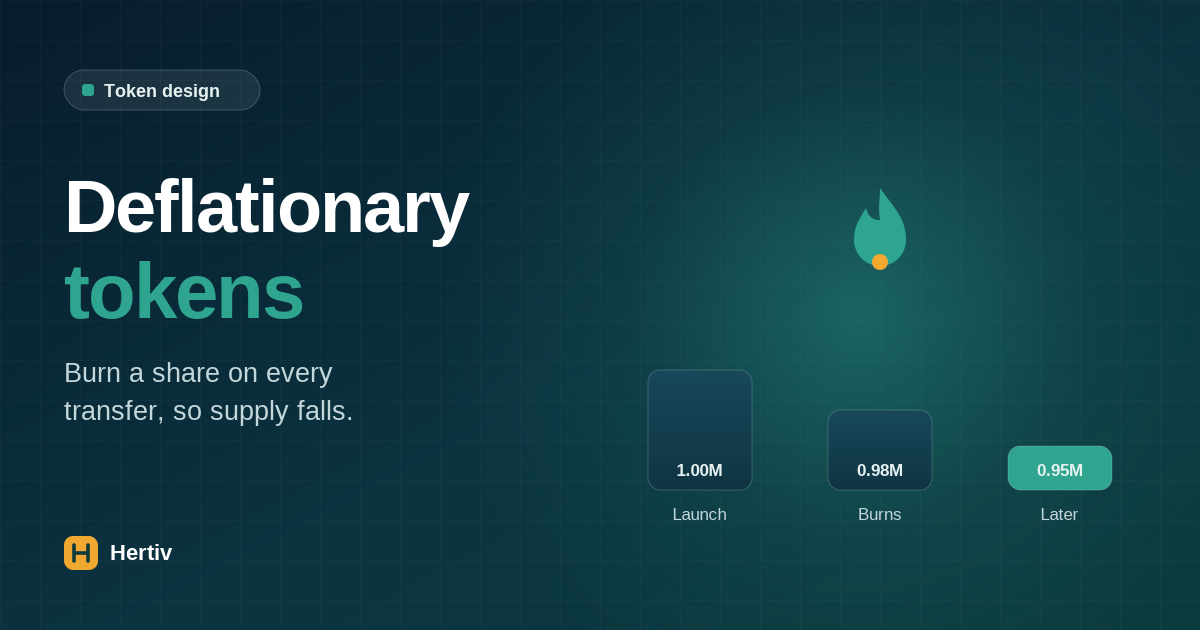
A deflationary token is built by writing a burn rule into its contract, then testing, auditing and deploying it. Here is the full sequence and the maths behind it.
Invoice tokenization turns an unpaid invoice into a token on a blockchain, so a business can sell it or borrow against it before the buyer pays.
Healthcare workforce management software handles scheduling, staffing, credentials and compliance for hospitals and clinics. Here is what to check before you buy.
Eight Julius AI alternatives compared: ChatGPT, Claude, Gemini, Copilot, DataLab, Polymer, Akkio and Obviously AI — by data sources, charts and pricing model.
Predictive analytics helps telecom carriers spot churn, predict network faults and stop fraud before they happen. Here is how the models work and where they pay off.
An app like AT&T Smart Home Manager costs about $80,000 to $250,000 for a first version, depending on device support, Wi-Fi tools and outage features.
A gold-backed cryptocurrency is a token tied to physical gold in a vault, each token worth a fixed weight. Here is how to build one, from custody to redemption.
Metaverse social media puts people together as avatars in shared 3D spaces, where they talk and attend events live. Here is what it needs and how to build it.
No posts on this page match. Use site search (Ctrl K) to search every post.
A senior engineer reads every request and replies within one business day with questions, a rough range, or a call link.