Blockchain
Crypto Bank Software: 3 Modules Every Platform Needs
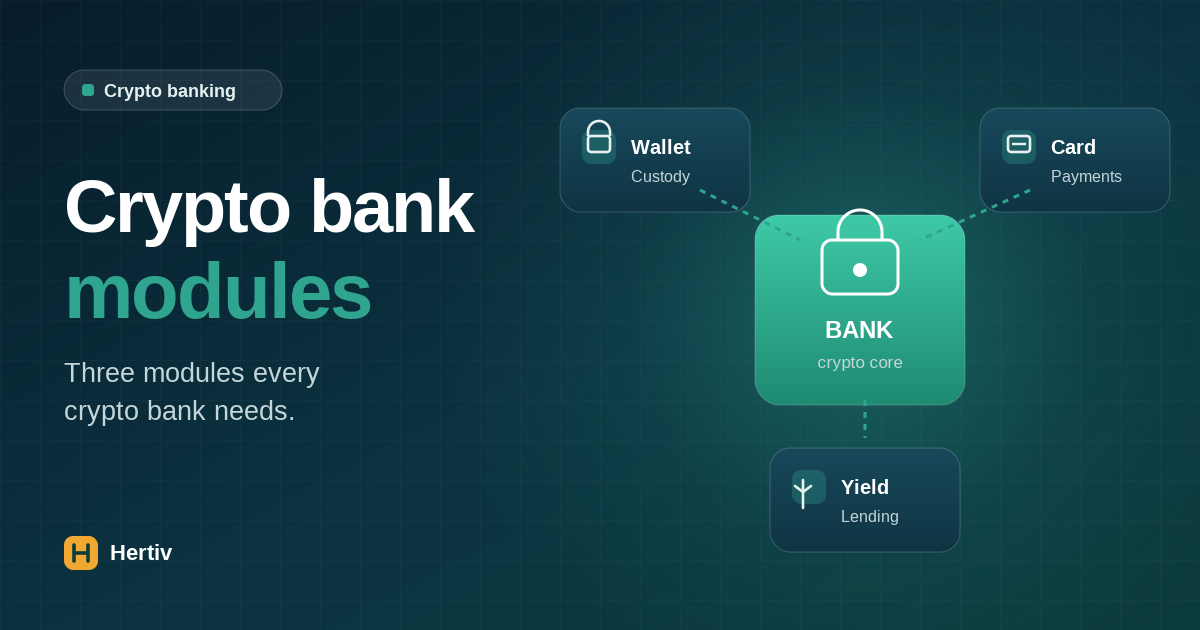
Crypto bank software usually ships as three modules: custody, payments and cards, and lending and yield. Compare each one and which to build first.
Page 180 of 226.
5414 posts · page 180 of 226
Crypto bank software usually ships as three modules: custody, payments and cards, and lending and yield. Compare each one and which to build first.
Learn what drives crypto wallet development cost: wallet type, chains, security and features, plus team size, timelines and running costs.
Build a Shein-style fashion app for Australia: catalogue, flash sales, checkout and returns, plus the consumer and privacy rules that apply.
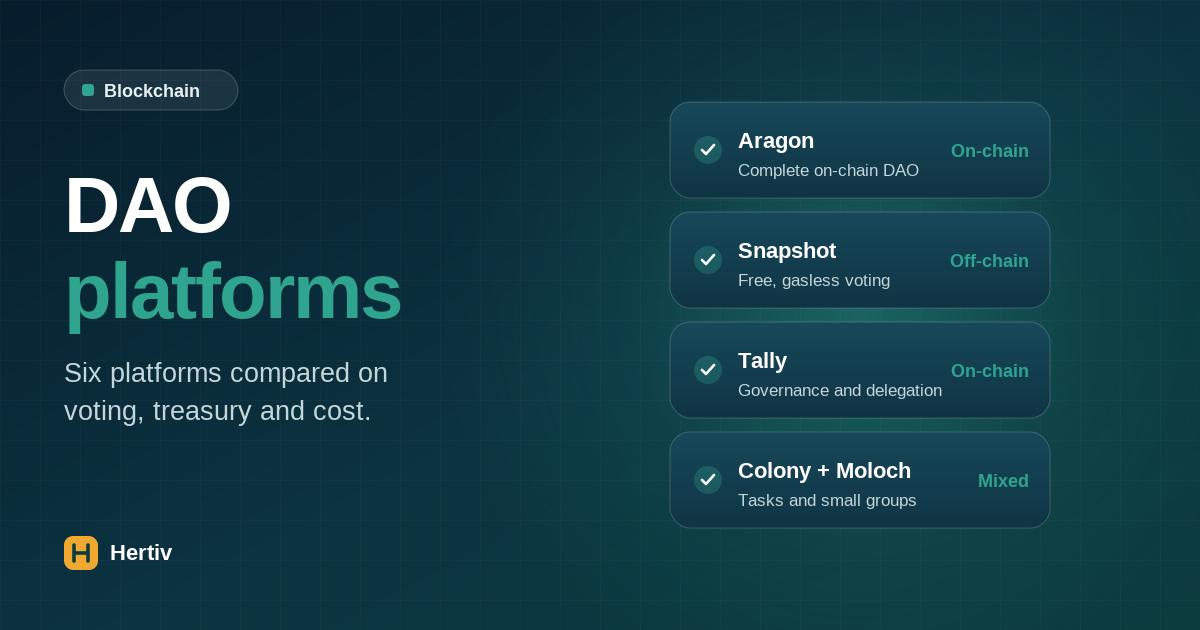
Compare six DAO platforms on voting style, execution and cost. Find the right fit for your community, fund or contributor team.
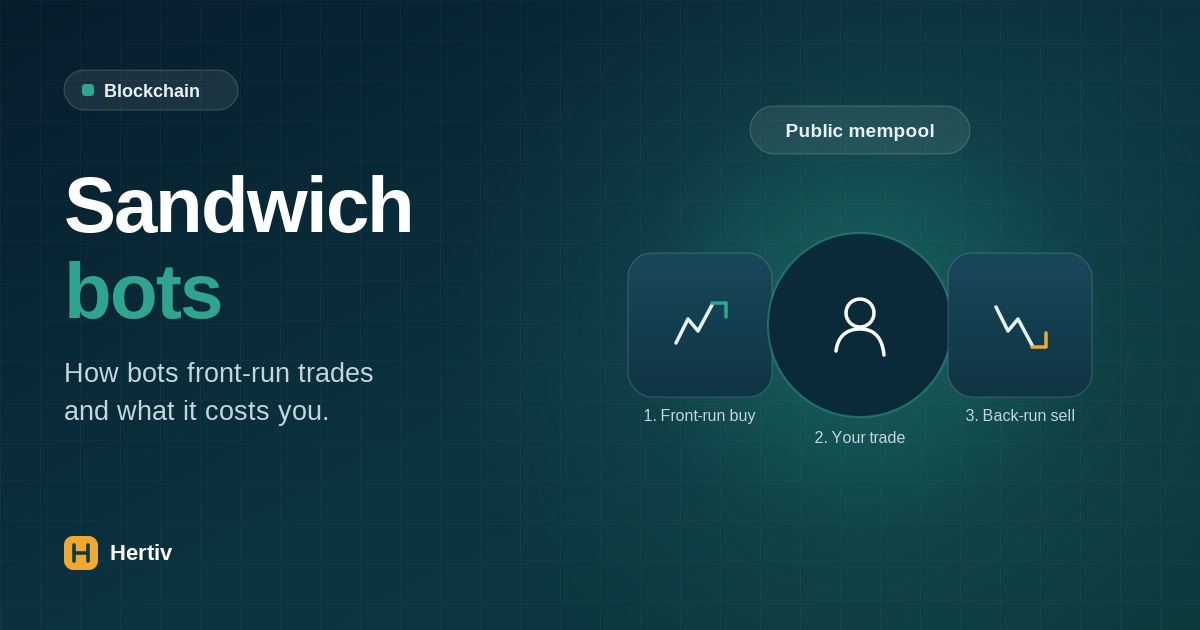
A sandwich bot places trades around your trade to profit from the price move it causes. Learn how it works, why it targets some trades, and how to stop it.
React 18 adds concurrent rendering, automatic batching and transitions to the React library. Learn what changed, what it fixes, and how to upgrade safely.
Messy data, strict privacy rules, bias and tight workflows decide whether healthcare AI reaches patients or stays a pilot. Learn the challenges and the fixes.
Cardano favours careful design and predictable transactions, while Solana favours speed and low fees. Compare the two chains before you build.
Building a crypto exchange costs far more than the code alone: licences, audits, banking and support all add up. See what a first version should include.
LangChain, LlamaIndex and Haystack lead the field, but the right RAG framework for a startup depends on team size, data shape and budget. Compare six options.
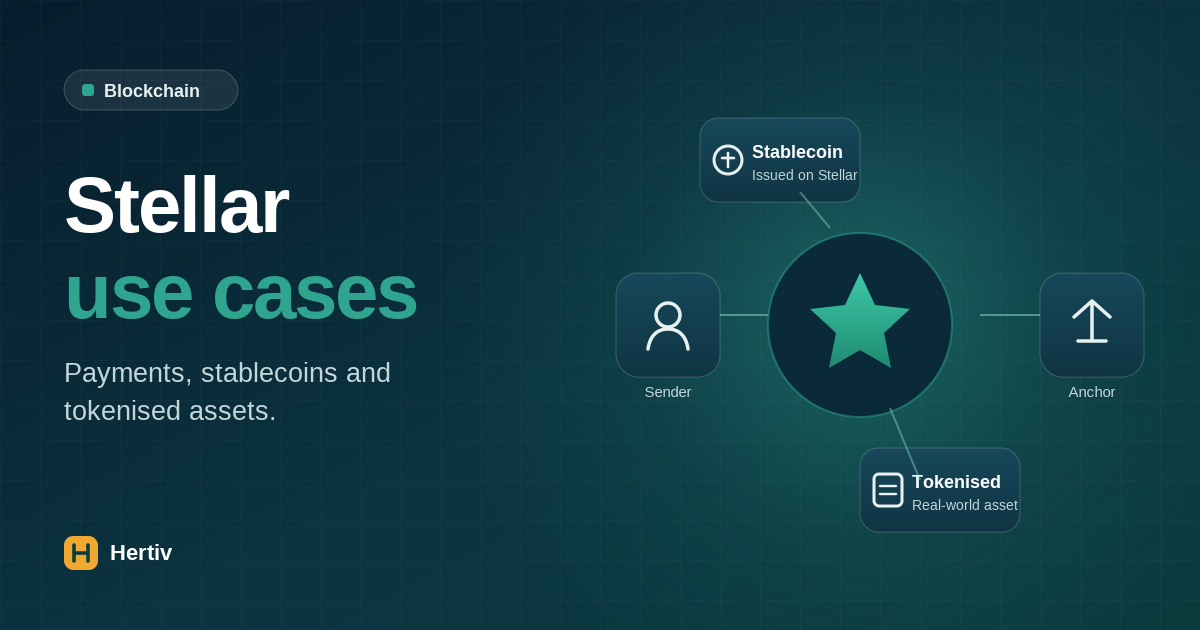
Stellar is built for fast, low-cost value transfer. These six use cases — payments, stablecoins, tokenised assets and more — show where the network fits best.
Building a social media app in the UK means pairing a product plan with UK GDPR, the Online Safety Act and age checks. Here is the build path, from idea to launch.
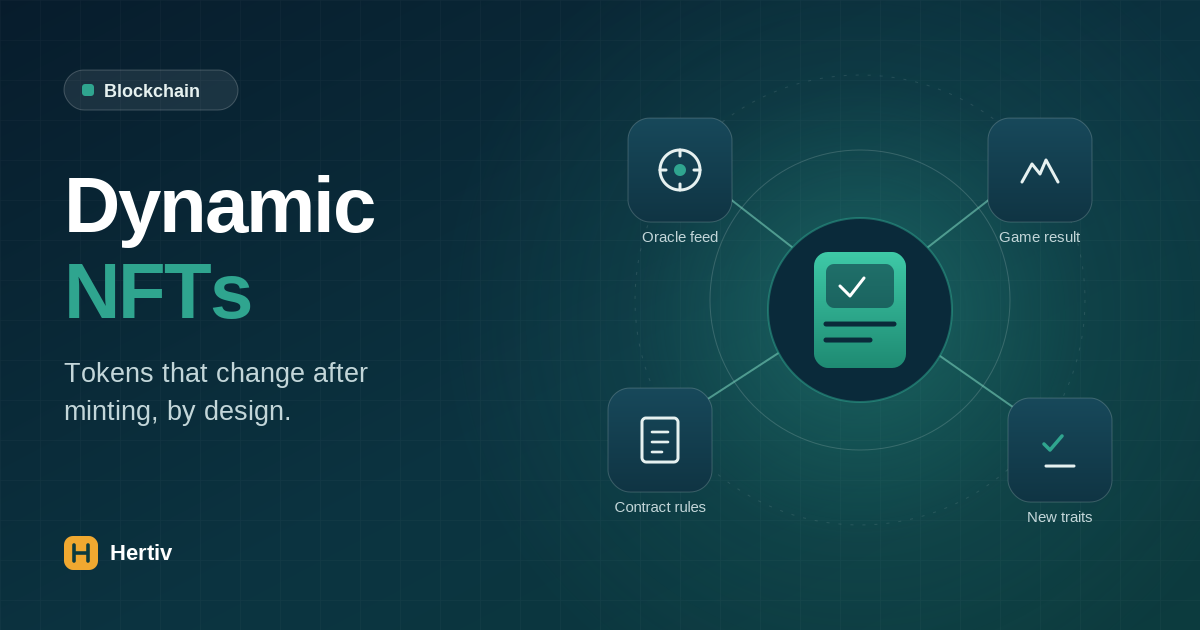
A dynamic NFT is a token whose metadata can change after minting, driven by smart contract rules and outside data. Here is how dNFTs work and where they are used.
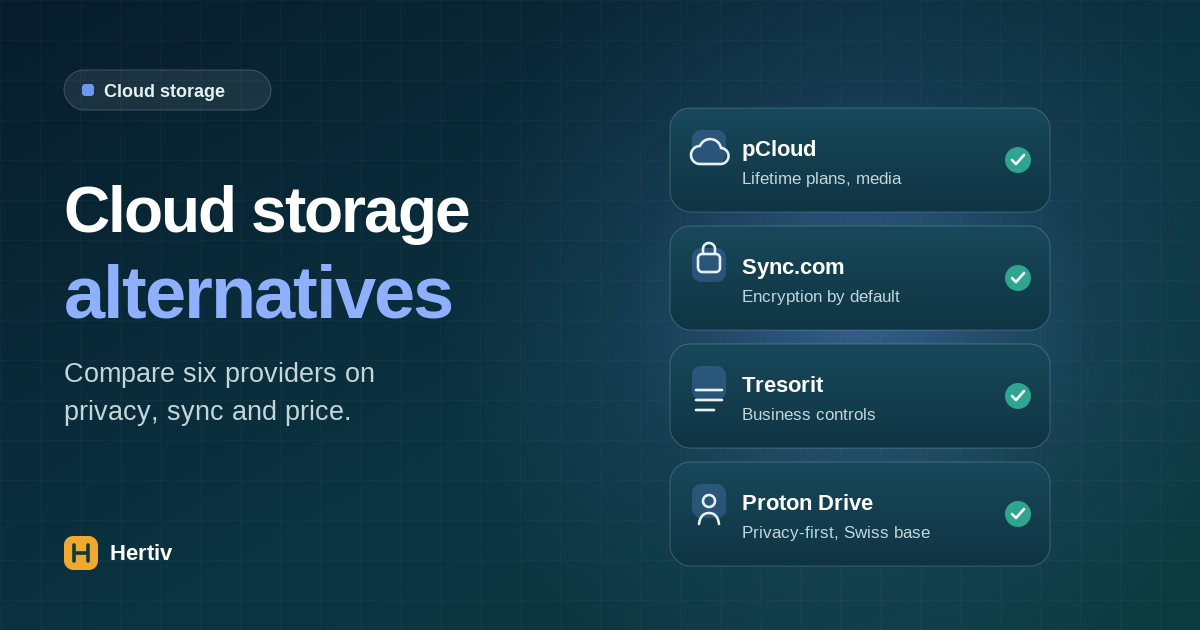
There is more to cloud storage than the big names. Compare six alternatives on privacy, encryption, sync and price to find the fit for your team.
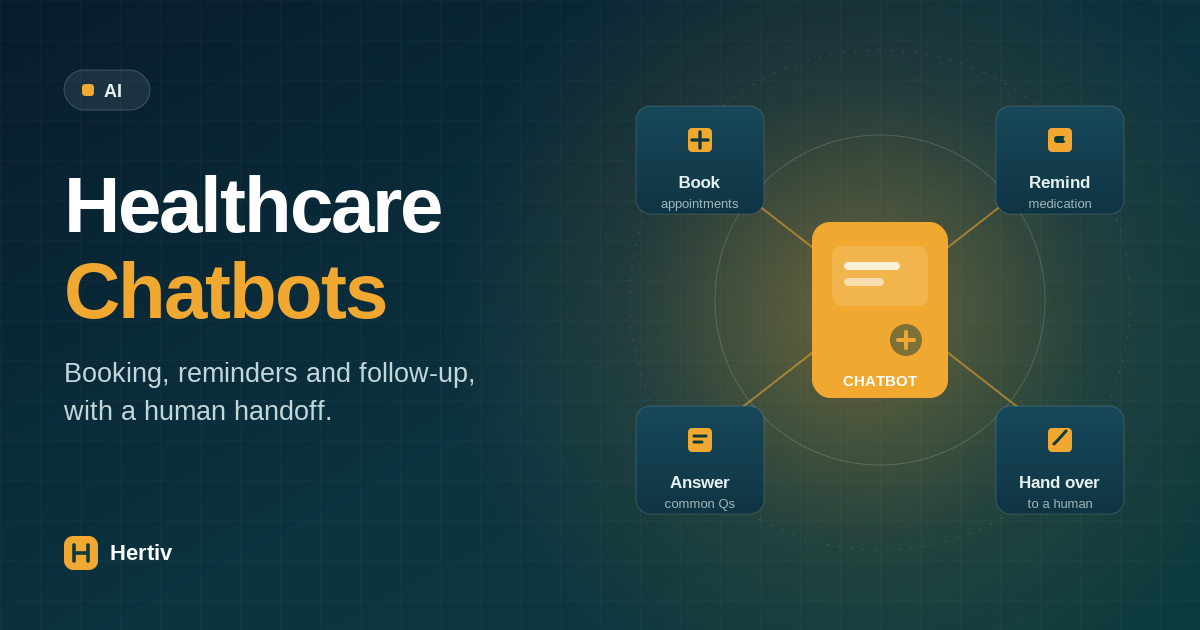
A healthcare AI chatbot books appointments, answers routine questions and follows up with patients, but it must not diagnose. Here is how to use one safely.
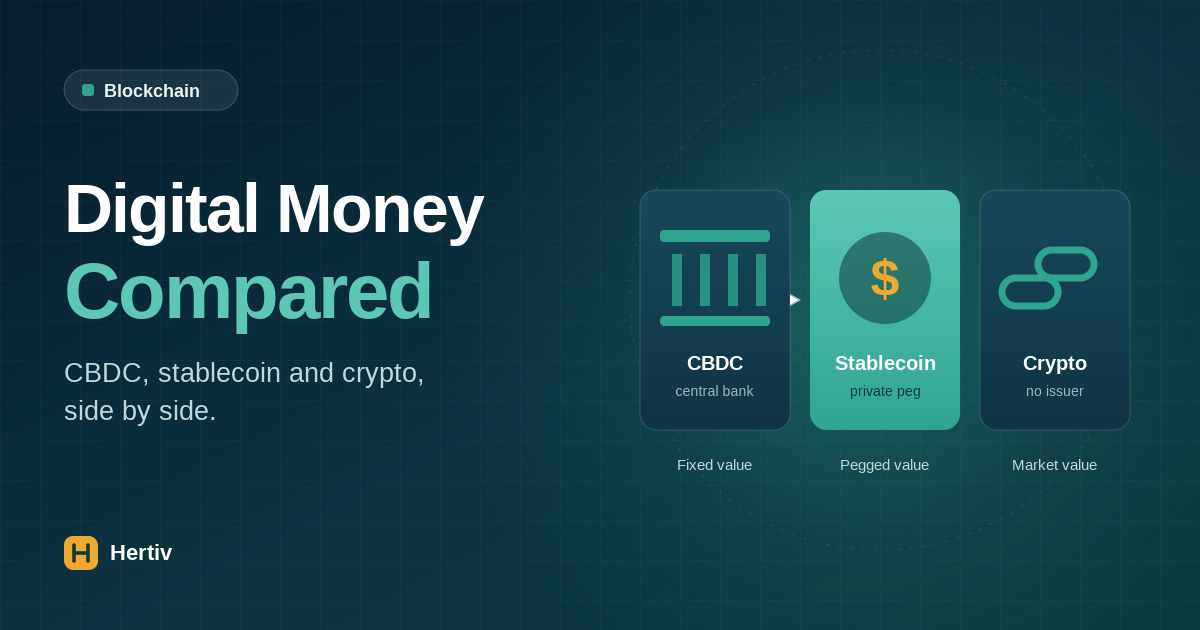
A CBDC is central bank money, a stablecoin is a private pegged token, and a cryptocurrency is a decentralised asset. Here is how the three compare.
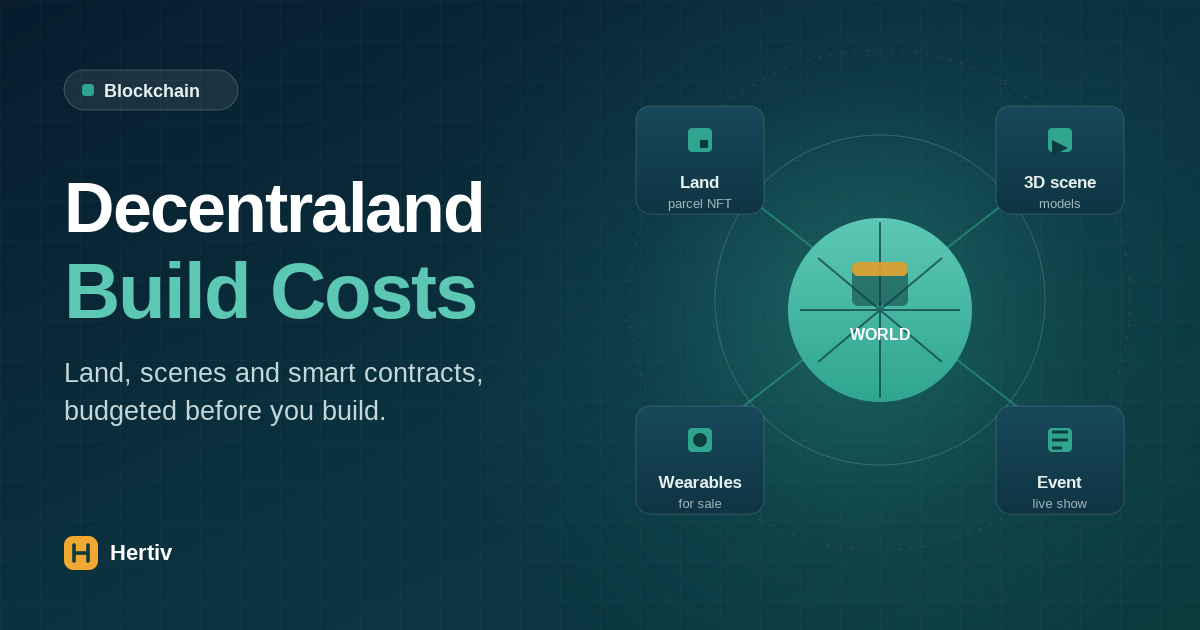
Building on Decentraland means paying for land, 3D scenes, smart contracts and upkeep. Here is what each part costs and how to budget for a build.
ERC-20 tokens are fungible assets on Ethereum that follow one shared standard, so wallets, exchanges and apps handle them the same way. Here is how they work.
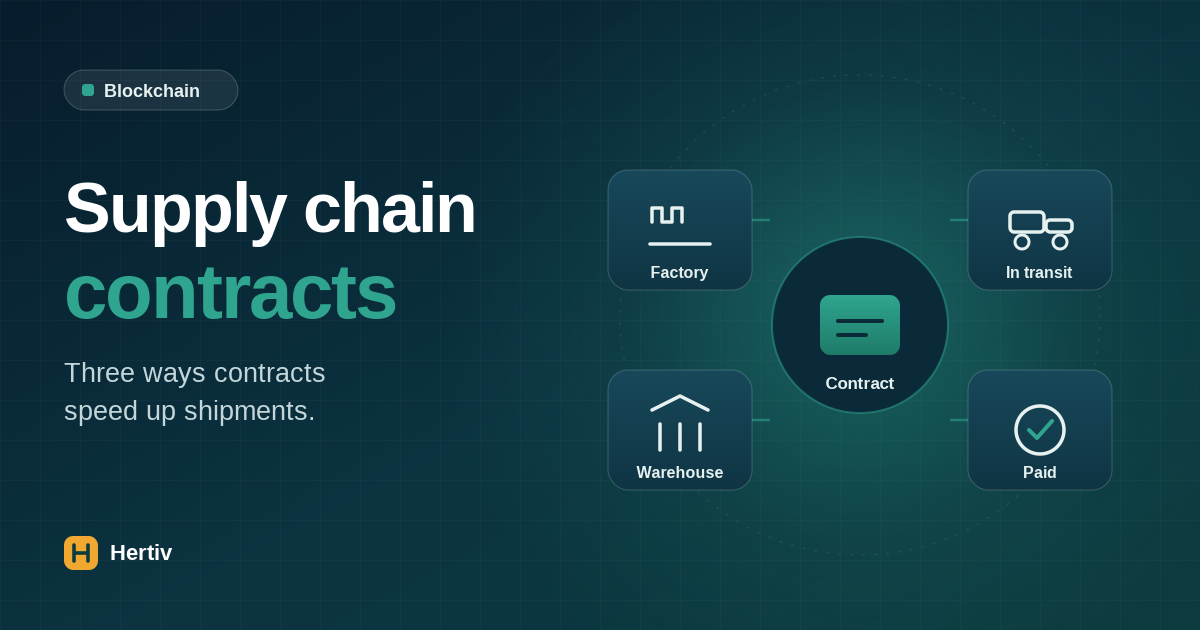
Smart contracts streamline supply chains by releasing payment on delivery proof, keeping one tamper-evident record of goods, and checking compliance automatically.
The top dApps on Polygon span prediction markets, lending, trading and NFT marketplaces, all with low fees and fast confirmations. Here are six worth knowing.
React Native mistakes — skipped native checks, slow lists and untested releases — turn a fast framework into a slow app. Here is how to spot them early.
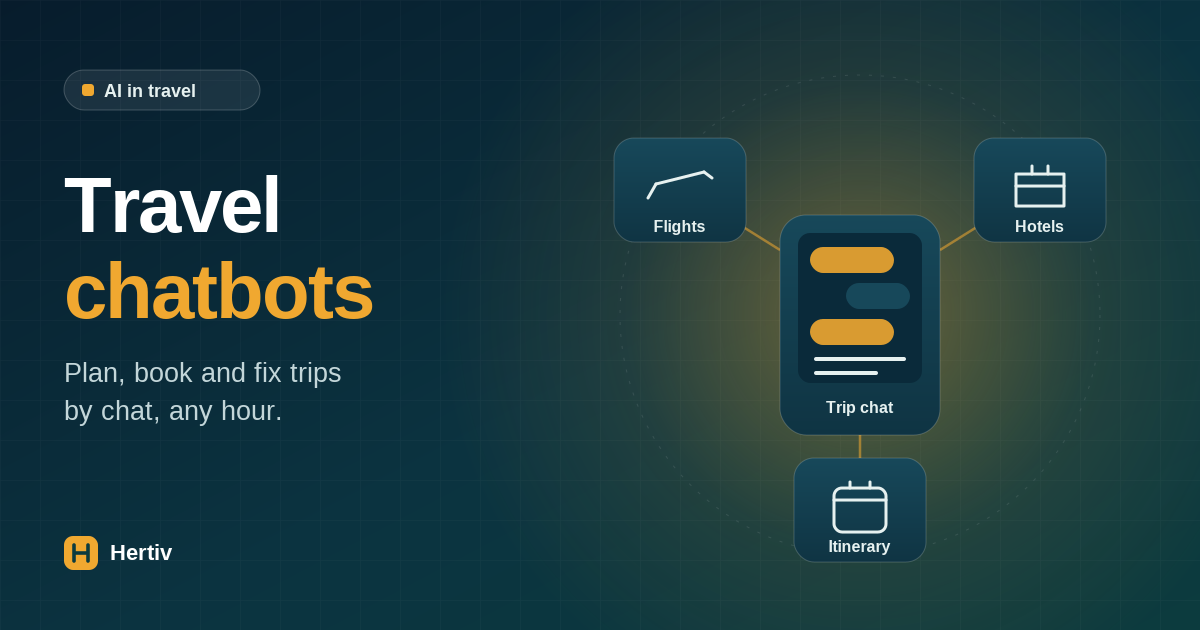
AI chatbots in travel answer questions, help plan trips and fix booking problems at any hour. Here is what they do well, where they fall short, and how to use them.
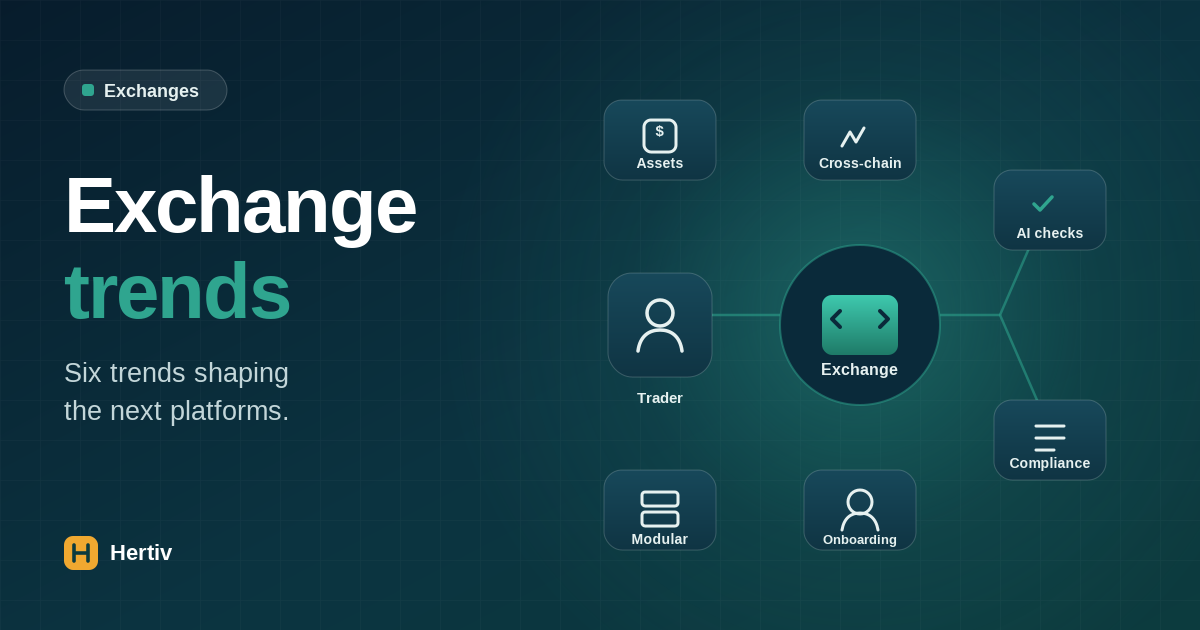
Crypto exchange platforms are adding AI risk checks, tokenized assets, cross-chain liquidity and simpler onboarding. These are the trends shaping the next builds.
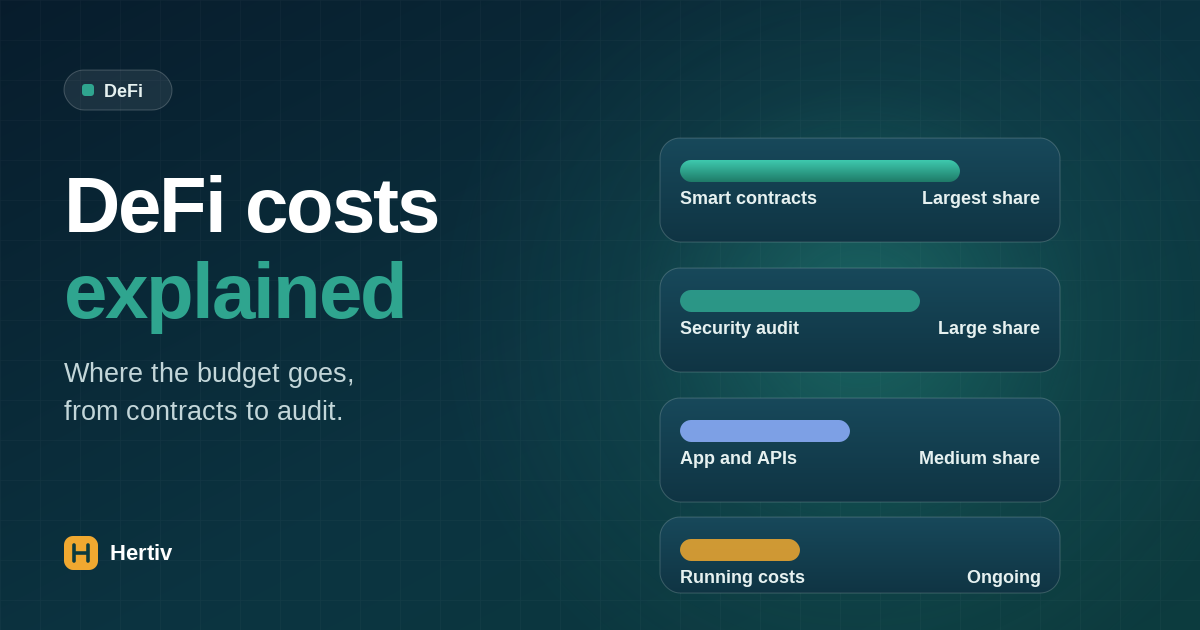
DeFi development costs come from scope, smart contract work, security audits and running the product after launch. Here is how each part of the budget works.
No posts on this page match. Use site search (Ctrl K) to search every post.
A senior engineer reads every request and replies within one business day with questions, a rough range, or a call link.