Engineering
What Is Python and Where Is It Used? A Plain Guide
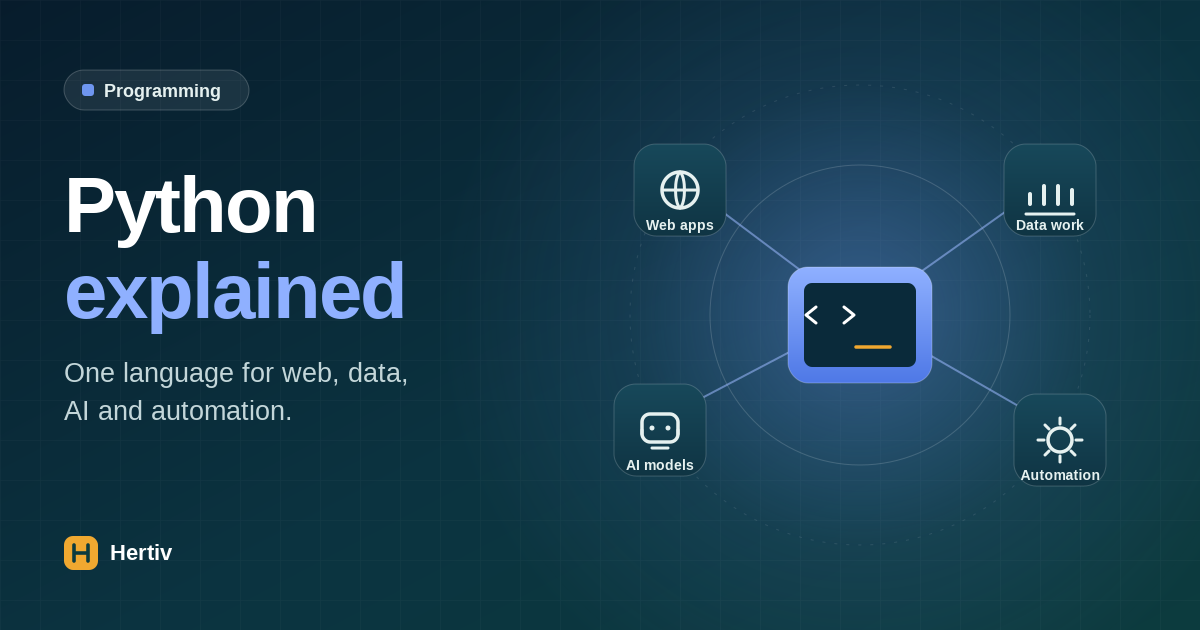
Python is a general-purpose language known for readable code and a large library of ready-made tools. It is used for web apps, data work, AI and automation.
Page 128 of 234.
5600 posts · page 128 of 234
Python is a general-purpose language known for readable code and a large library of ready-made tools. It is used for web apps, data work, AI and automation.
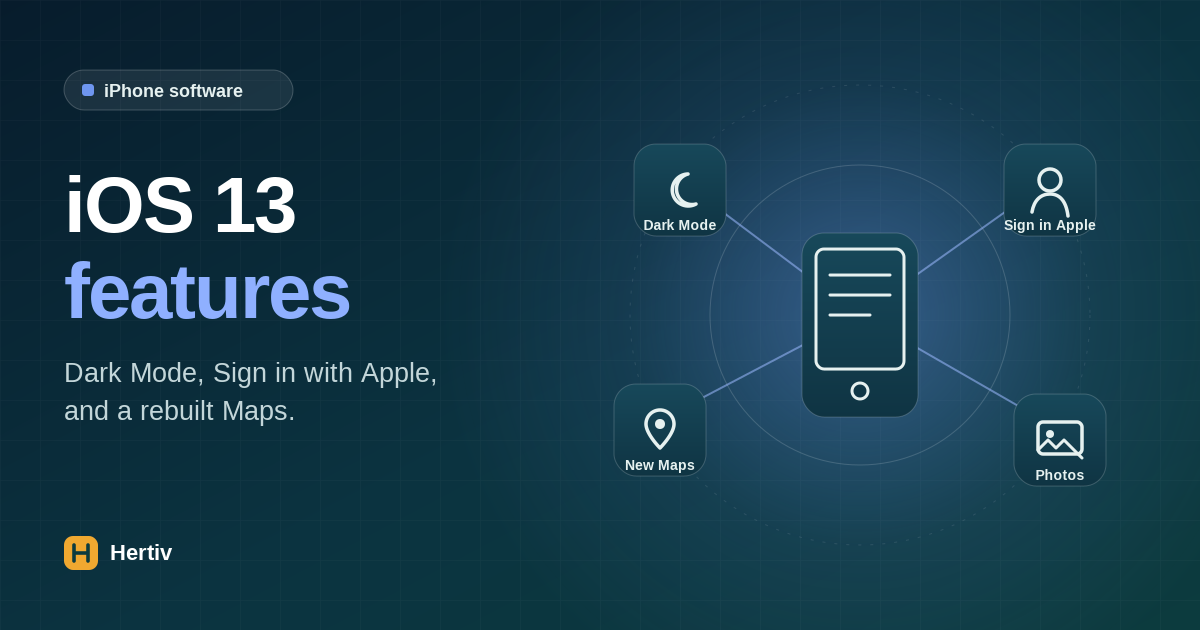
iOS 13 arrived in September 2019 with Dark Mode, Sign in with Apple and a rebuilt Maps app. These are the features that mattered most.
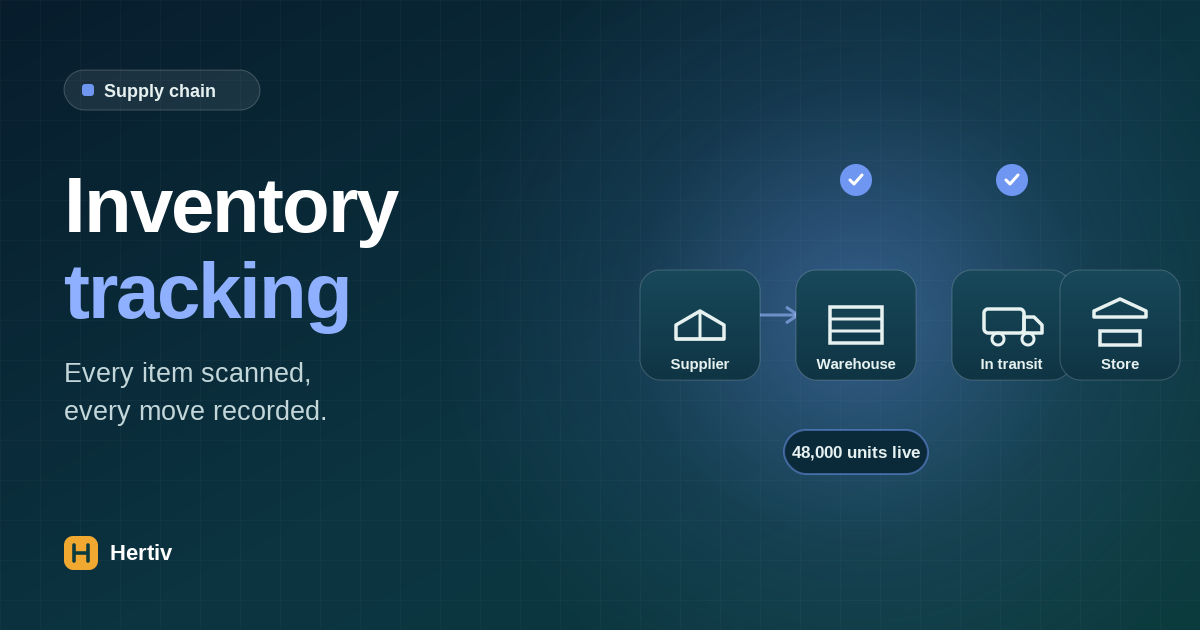
An inventory tracking system records every item as it moves through a supply chain. This guide explains what it tracks, how data is captured, and how to choose one.
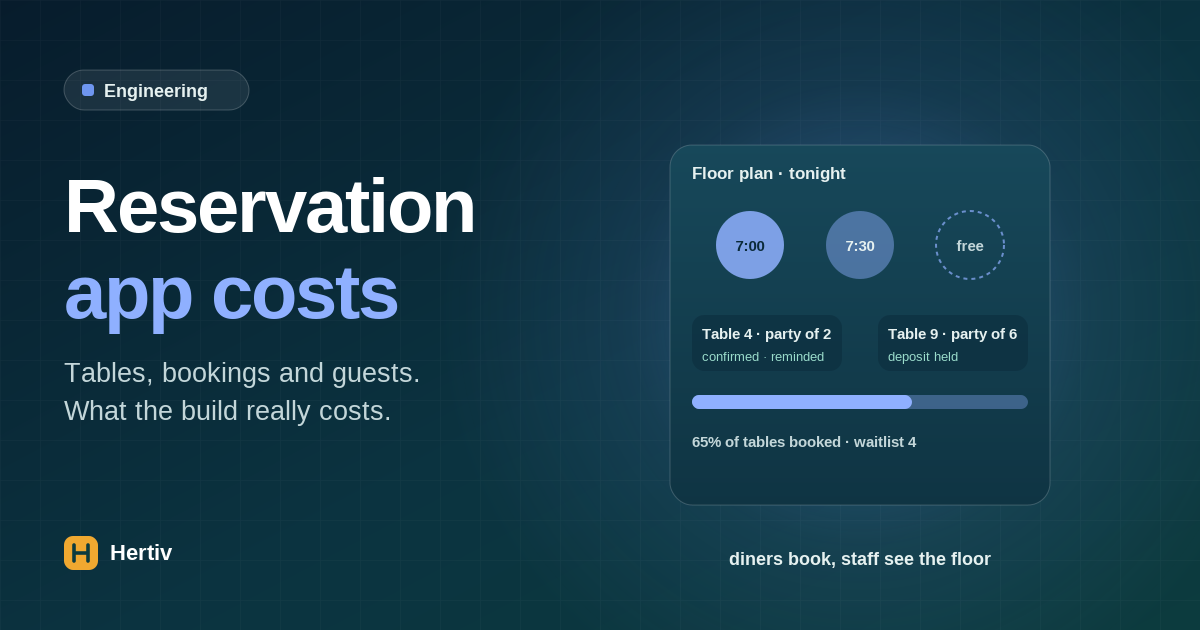
OpenTable has run restaurant reservations since 1998. Building a similar app means a diner app, a restaurant dashboard and a live table system — here is the cost.
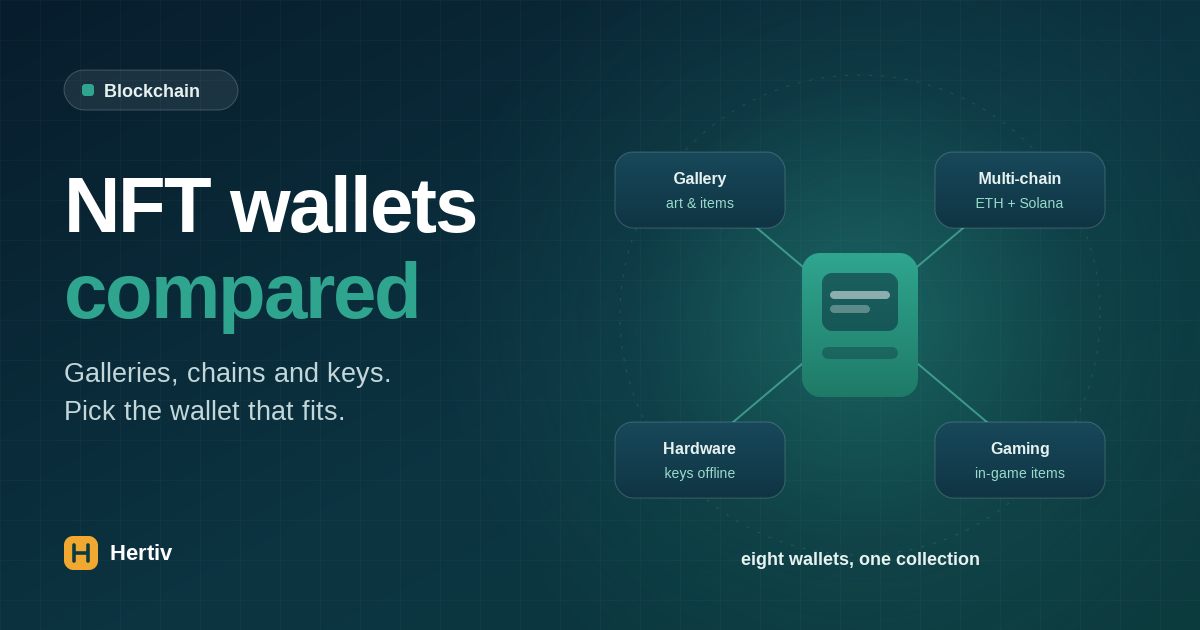
An NFT wallet has to show your collectibles clearly, work on the chains you collect on, and keep your keys safe. Here are eight options, with what each handles best.
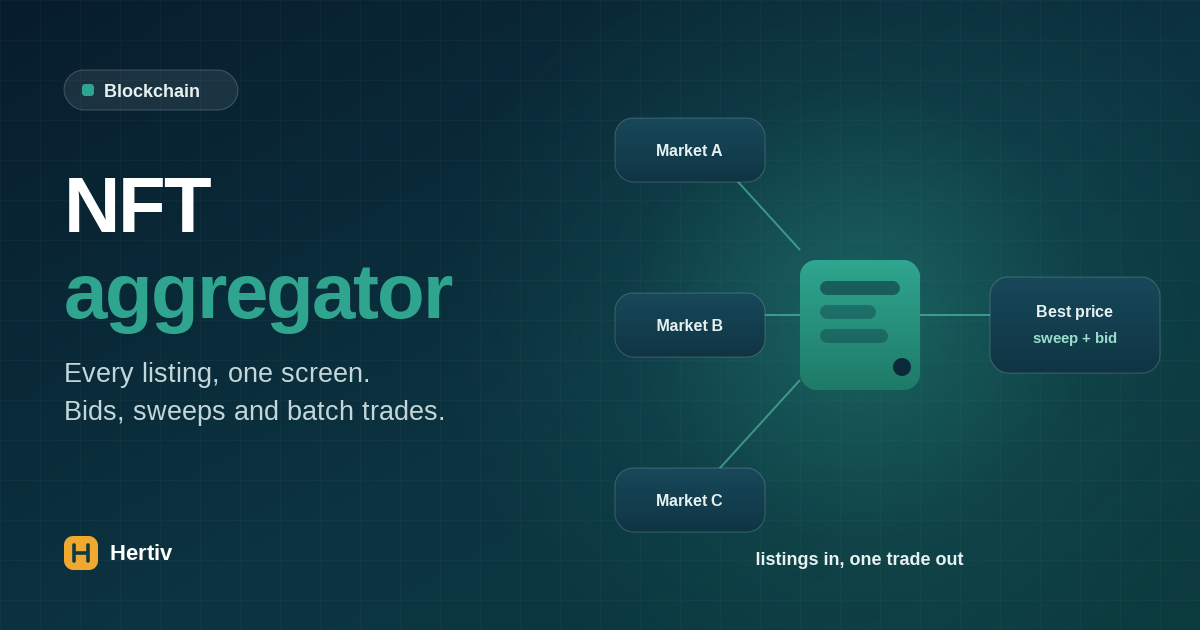
An NFT aggregator like Blur pulls listings from several marketplaces into one trading screen. Here is how it works, what to build, and what it costs.
Not every site needs Google Analytics and its cookie banners. Here are eight alternatives, from privacy-first tools to full product analytics.
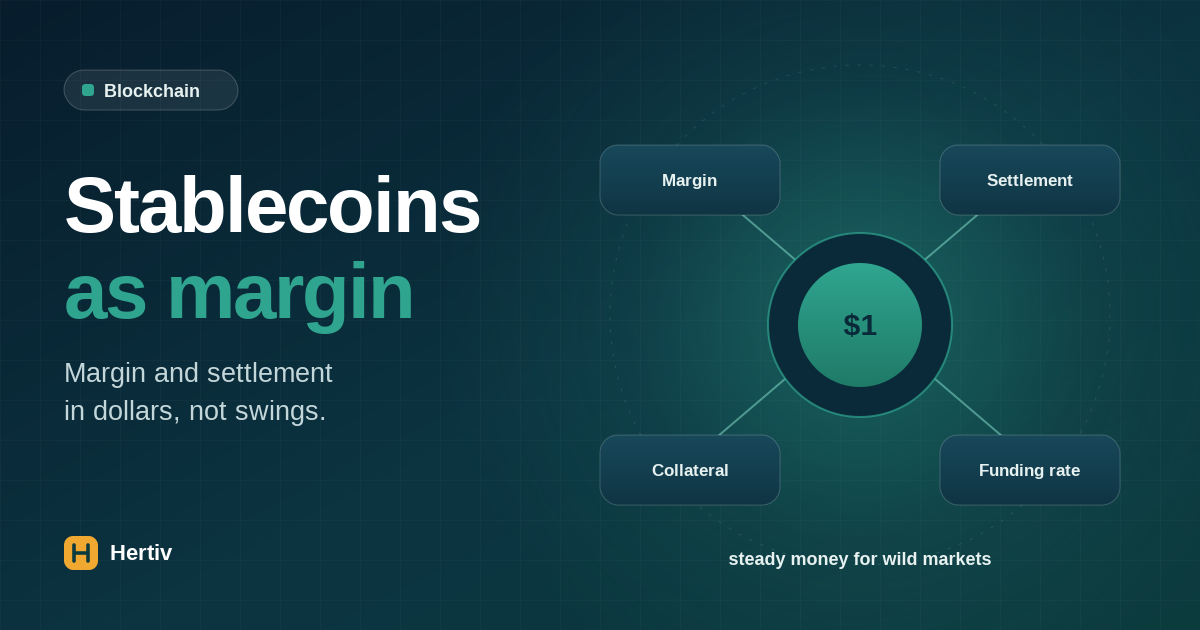
Stablecoins are the money of crypto derivatives exchanges: traders post them as margin and settle contracts in them. Here is how they work and what can go wrong.
Loyalty program tracking shows hotels and airlines which guests come back and what they spend. Here is how the tracking works and what to measure.
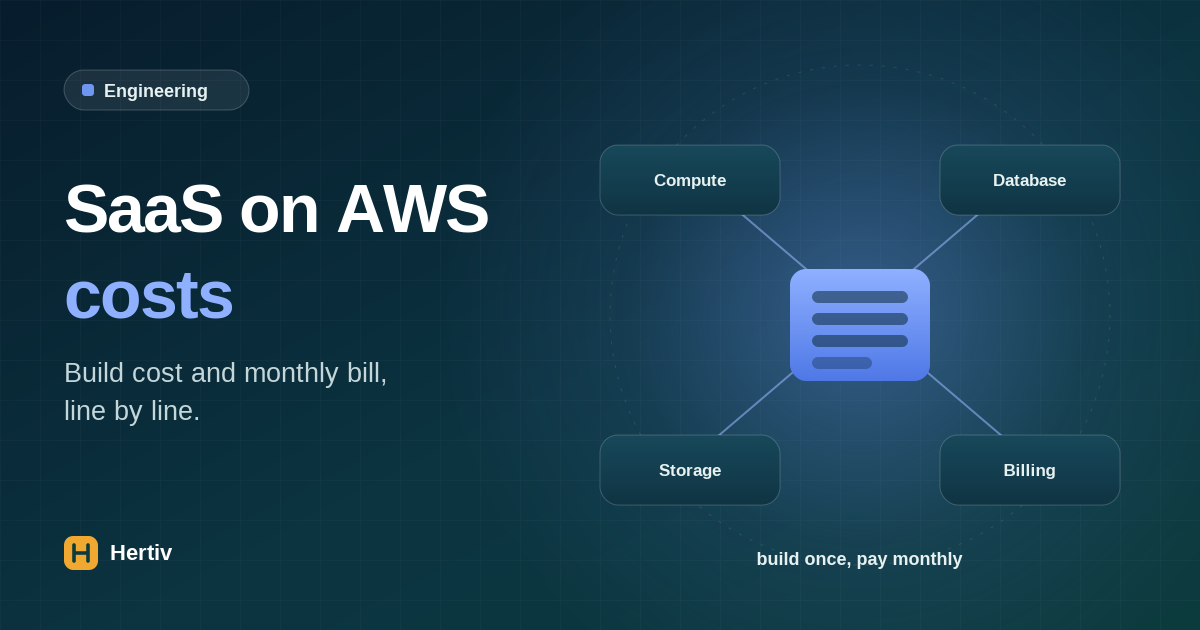
Building a SaaS app on AWS means paying for the build once and for the cloud every month. Here are the cost bands and the services that drive the bill.
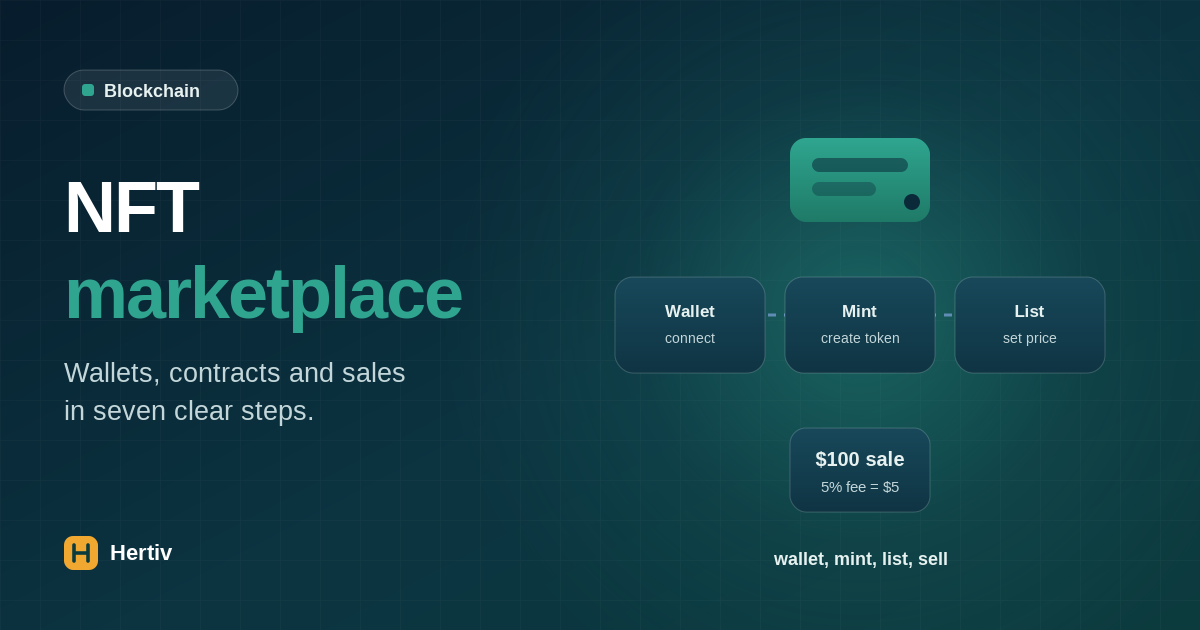
An NFT marketplace needs wallets, contracts, listings and payments working together. These steps show how to plan, build and launch one.
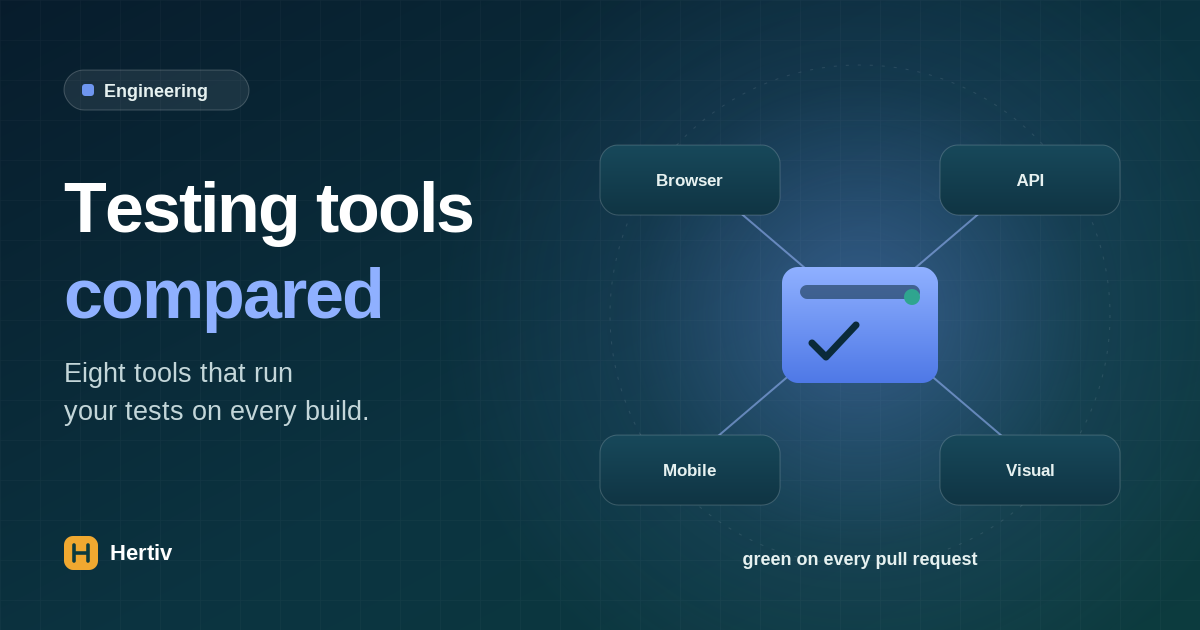
Manual testing slows every release. These eight automated testing tools cover browser, API, mobile and visual checks, so compare them before you pick one.
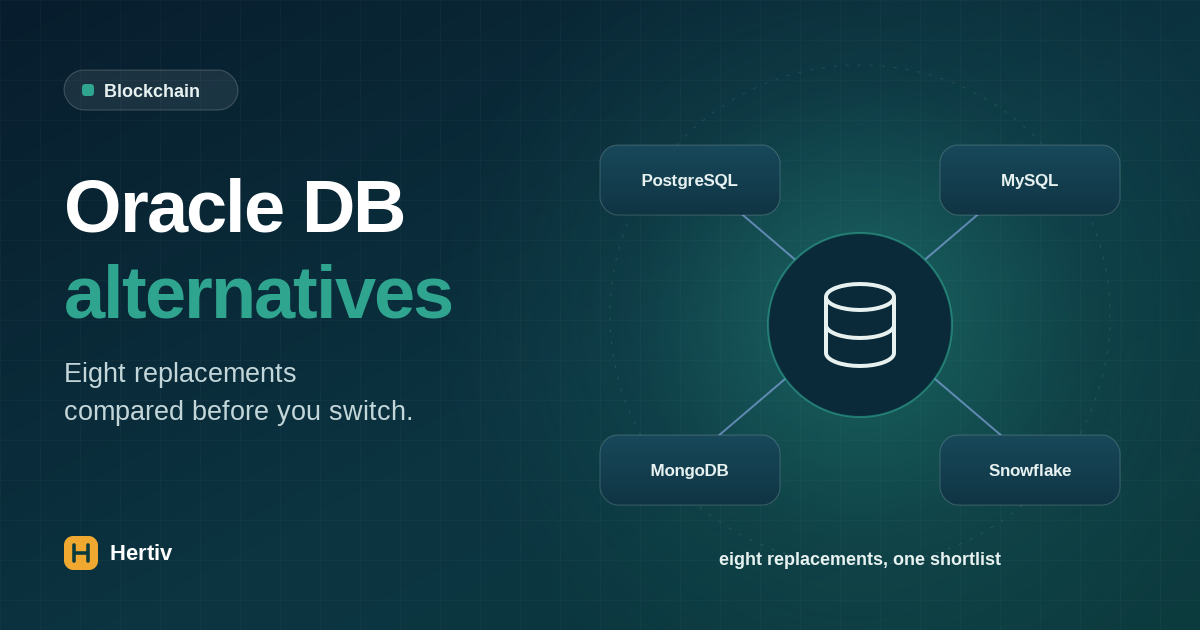
Oracle Database is powerful but costly to run. These eight alternatives cover open source, cloud-native and document options, so compare them before you switch.
An AI agent for customer onboarding greets new customers, checks identity, collects details and sets up their account. It works best where the steps are clear.
RFID tags track patients, equipment, medicines and blood bags in hospitals without line of sight. The benefits are fewer errors, faster searches and less lost stock.
Tamara lets shoppers split a purchase into interest-free payments. A similar app costs $80,000–$180,000 for a first version, and $200,000–$450,000 for a full app.
A metaverse NFT marketplace lets avatars browse, buy and sell NFTs inside a 3D world. This guide covers the parts, the chain choice and the build steps.
Vibe coding lets AI write code from plain-language prompts, but that code can hide security gaps. Here are the risks and how to check the code before it ships.
Supply chain risk management means spotting what could break your supply chain and preparing for it, so goods keep moving when suppliers or transport fail.
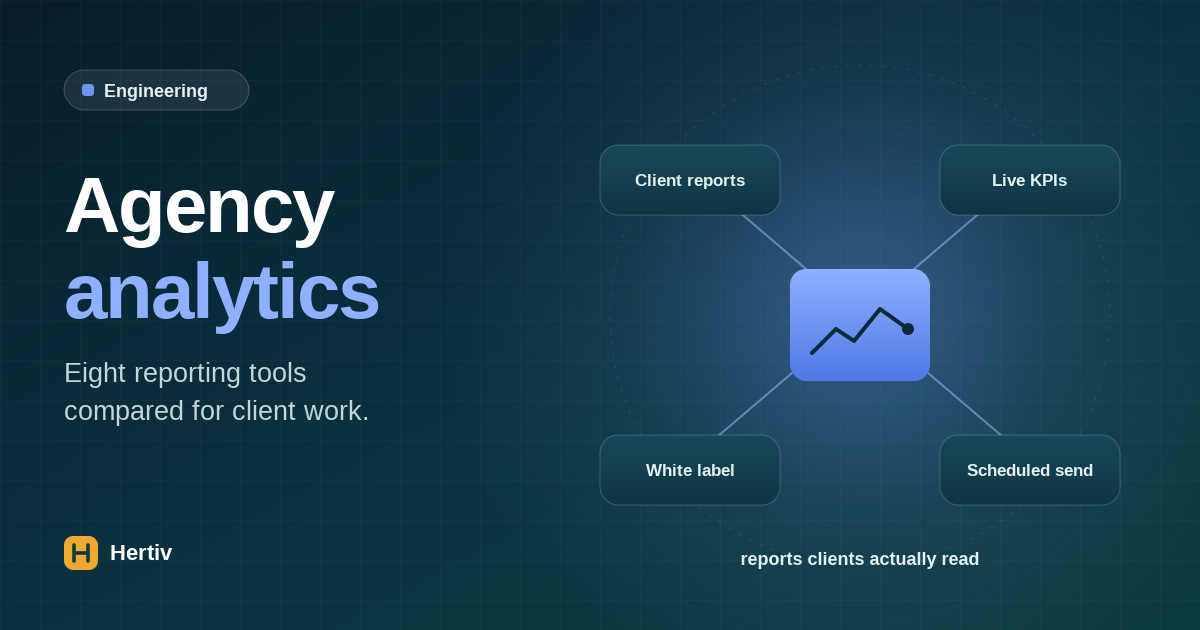
Agency Analytics is a popular client reporting tool, but it is not the only option. Here are eight alternatives, from simple report builders to full dashboards.
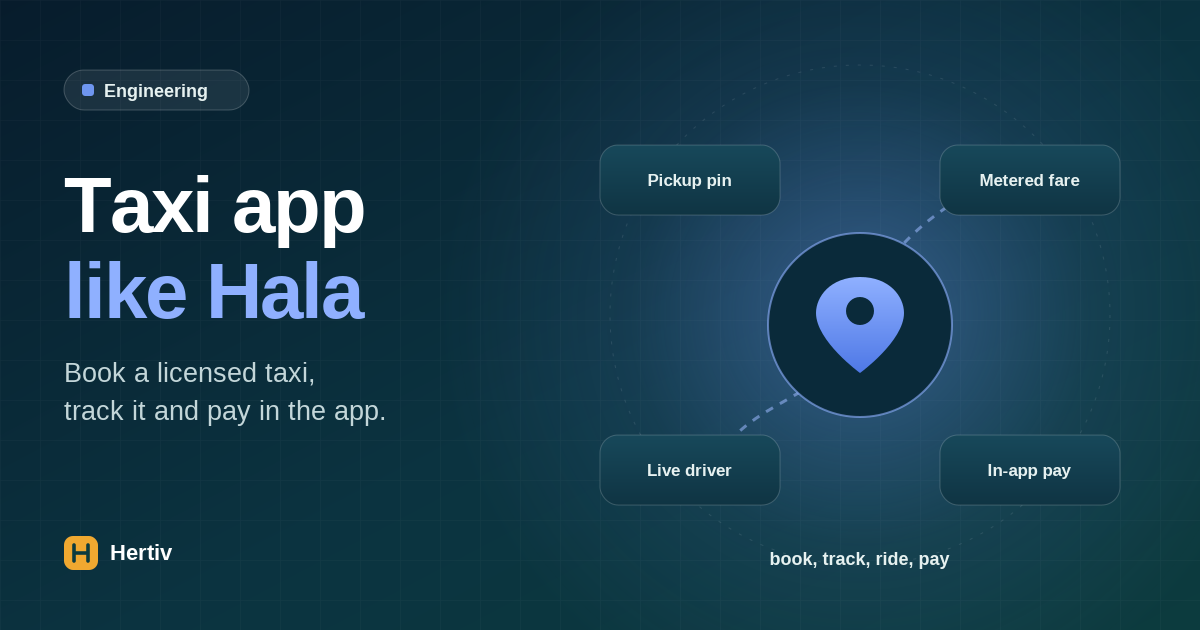
A taxi booking app like Hala Taxi costs $70,000 to $200,000 for a first version and $200,000 to $500,000 for a full app, plus $4,000 to $12,000 a month to run.
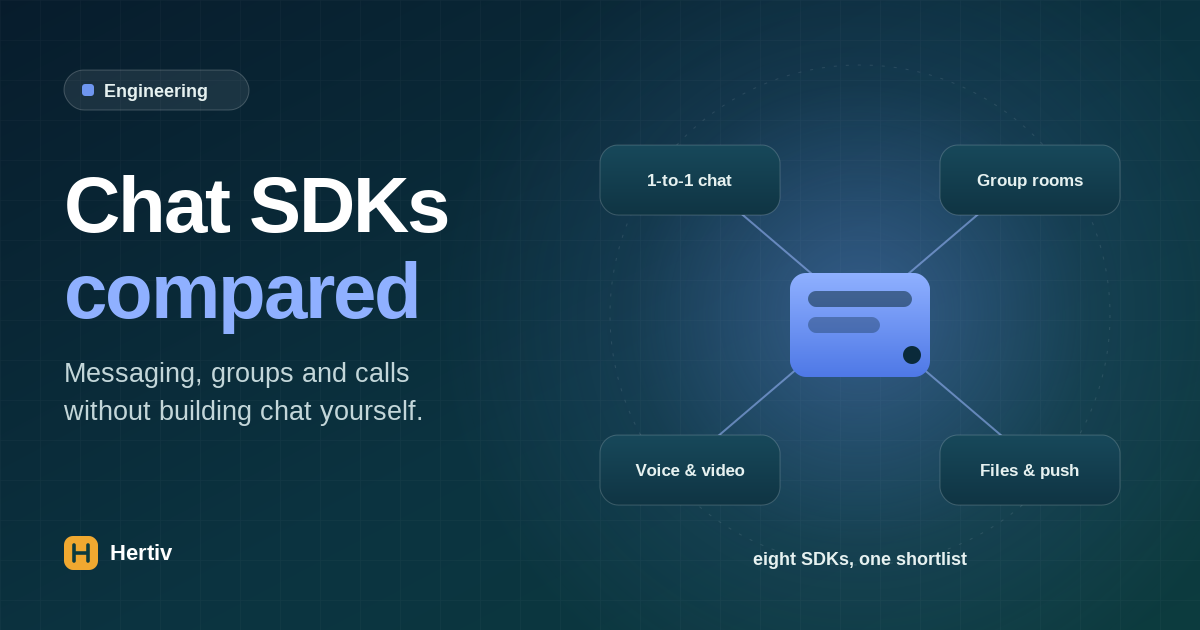
Chat SDKs and APIs add messaging to an app without building chat from scratch. Here are eight options, with what each one handles best and what to check first.
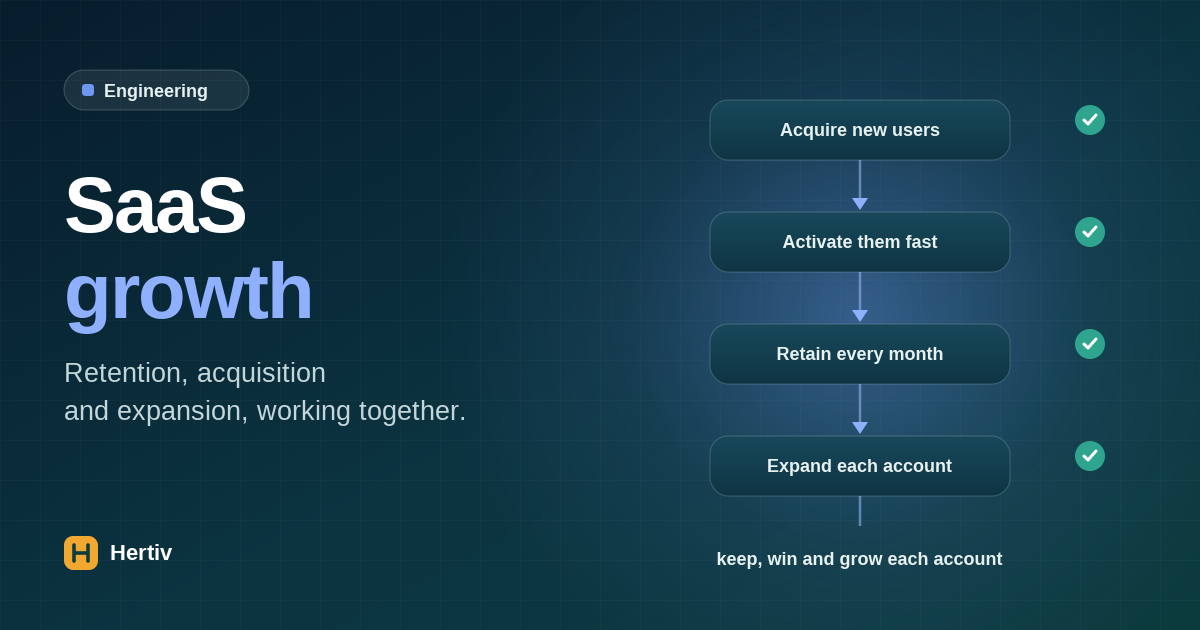
A SaaS company grows when it keeps customers, wins new ones and earns more from each account. Learn which drivers matter and how to measure them.
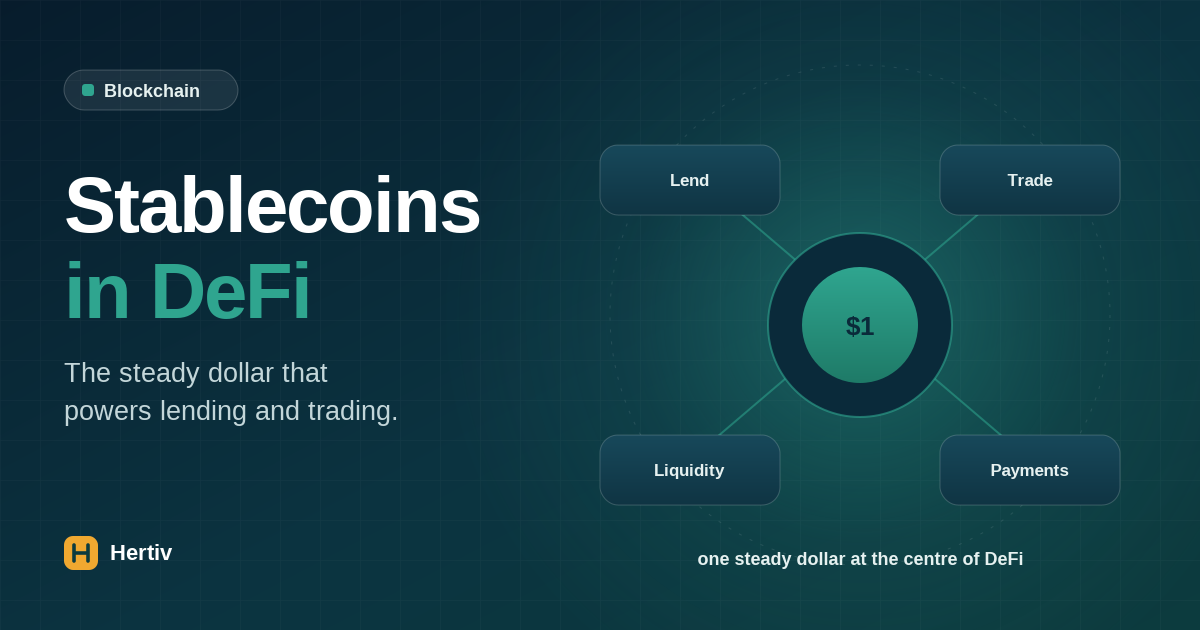
Stablecoins give DeFi a steady unit of value for lending, trading and saving. Learn where they sit in a protocol and what can go wrong.
No posts on this page match. Use site search (Ctrl K) to search every post.
A senior engineer reads every request and replies within one business day with questions, a rough range, or a call link.