Engineering
How Enterprise SaaS Drives Digital Transformation
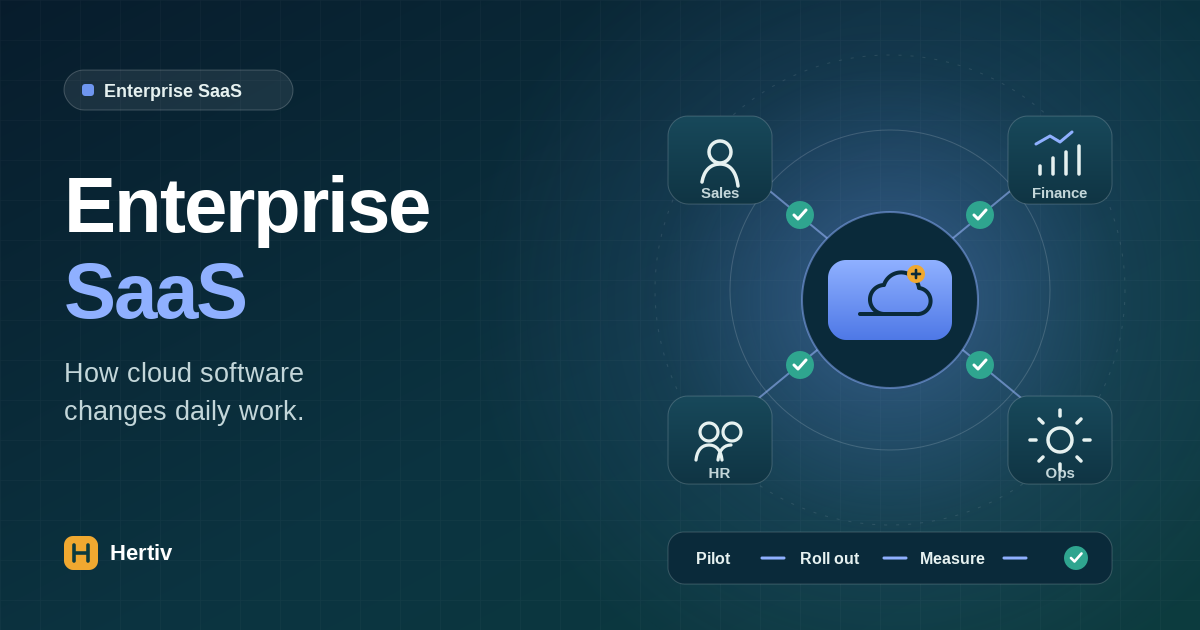
Enterprise SaaS drives transformation with shared data, defined workflows and continuous updates. Here is how it changes daily work and how to roll it out.
Page 107 of 236.
5658 posts · page 107 of 236
Enterprise SaaS drives transformation with shared data, defined workflows and continuous updates. Here is how it changes daily work and how to roll it out.
A play-to-earn crypto game costs roughly $30,000 to $300,000 to build, depending on scope. Here is what drives the price: tokenomics, audits, art and multiplayer.
Eight conversational AI platforms compared for startups, from Dialogflow CX and Copilot Studio to Rasa and Botpress, with what each fits and what it costs to start.
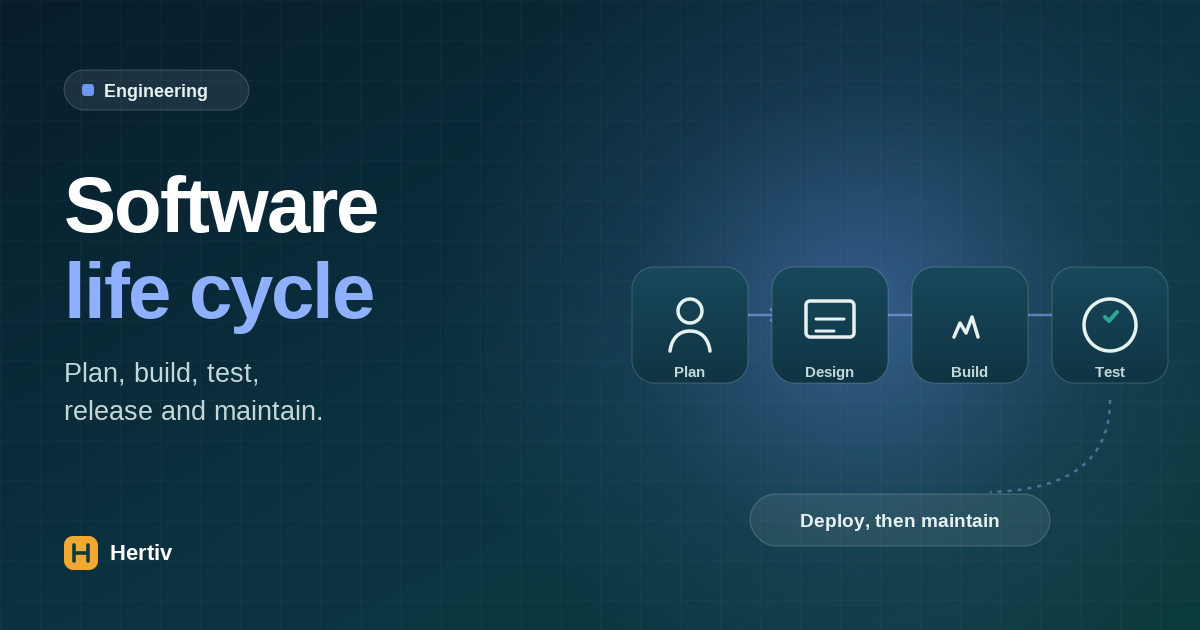
The software development life cycle moves a product from idea to release and maintenance in set phases. Here is what each phase does and where projects go wrong.
Tokenized real-world assets fall into classes: property, bonds and funds, commodities, and collectibles. Here is what each class covers and what to check first.
Eight workflow automation tools compared by what they automate, who builds the flows and how pricing works, so a growing team can pick one without a long trial.
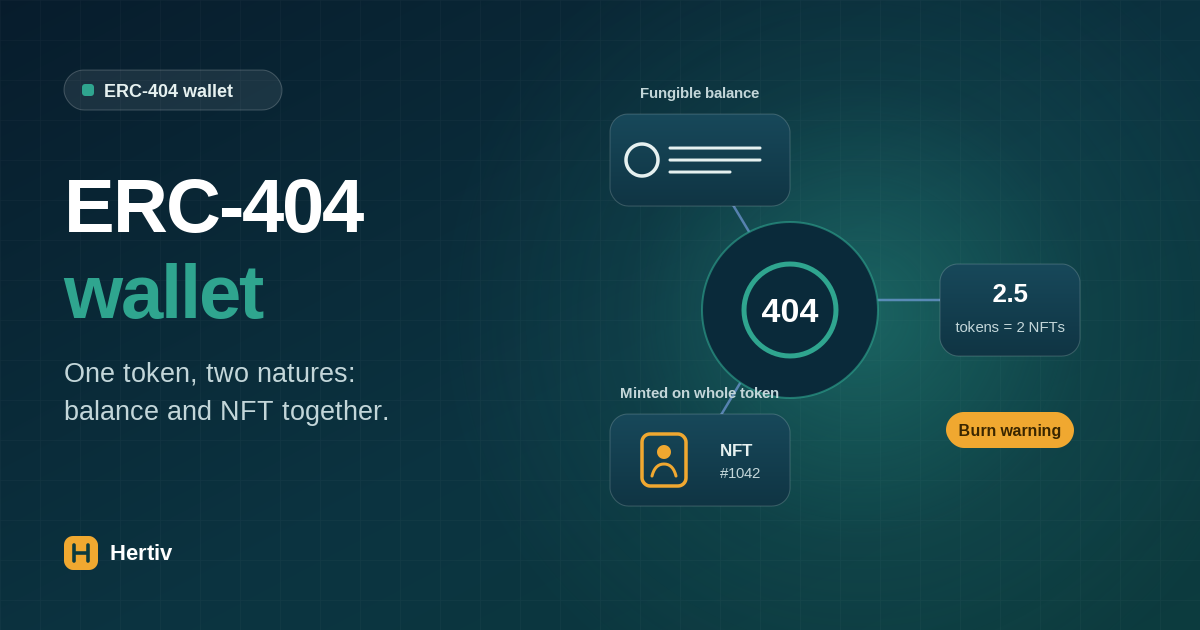
An ERC-404 wallet must show fungible balances and NFTs from one hybrid token, and handle the mint-and-burn that follows every transfer. Here is how to build it.
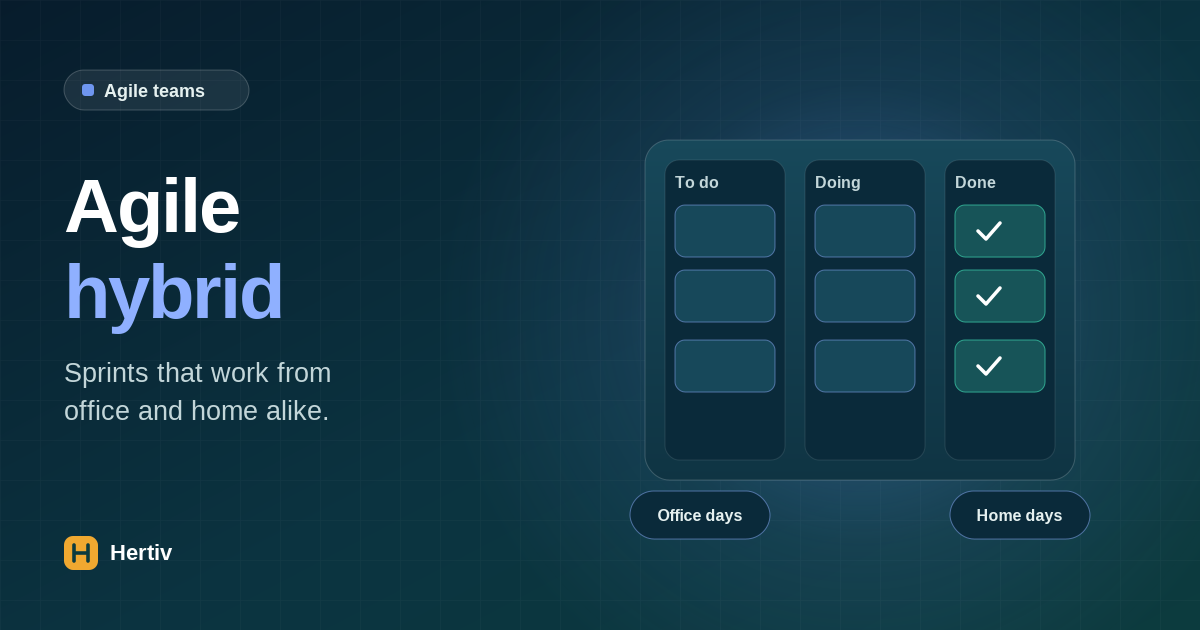
Agile can work in a hybrid workplace when rituals go async-first and decisions are written down. Here is what changes, what to measure, and the mistakes to avoid.
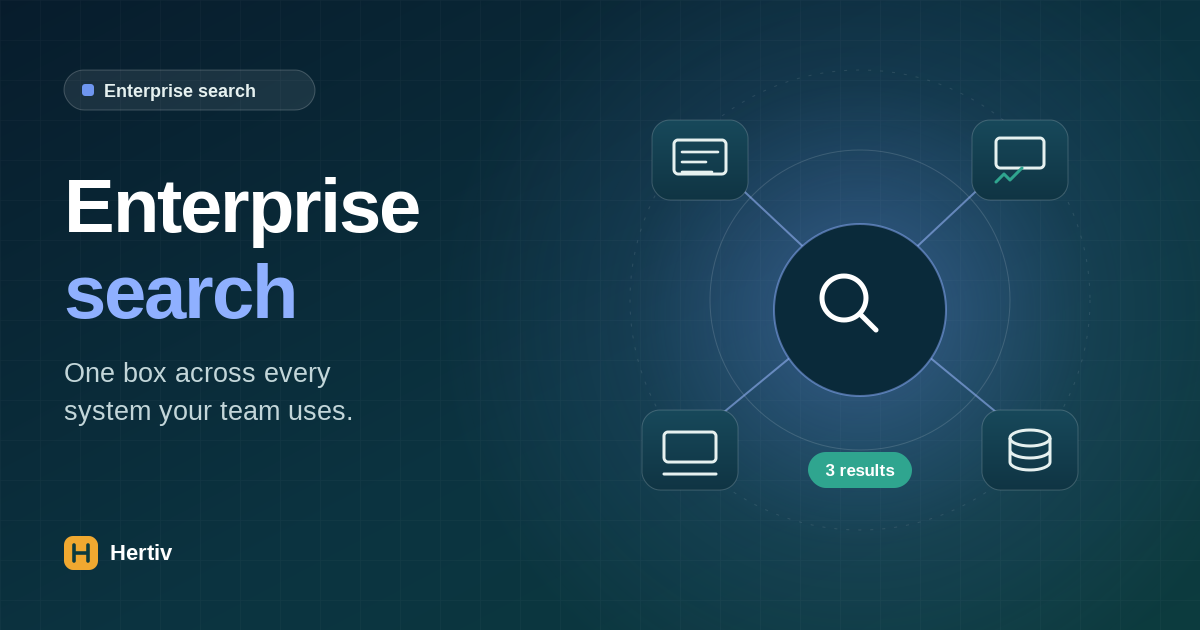
Enterprise search software finds answers across documents, email, CRM and tickets from one box. Here is how it works, what to compare, and how to roll it out.
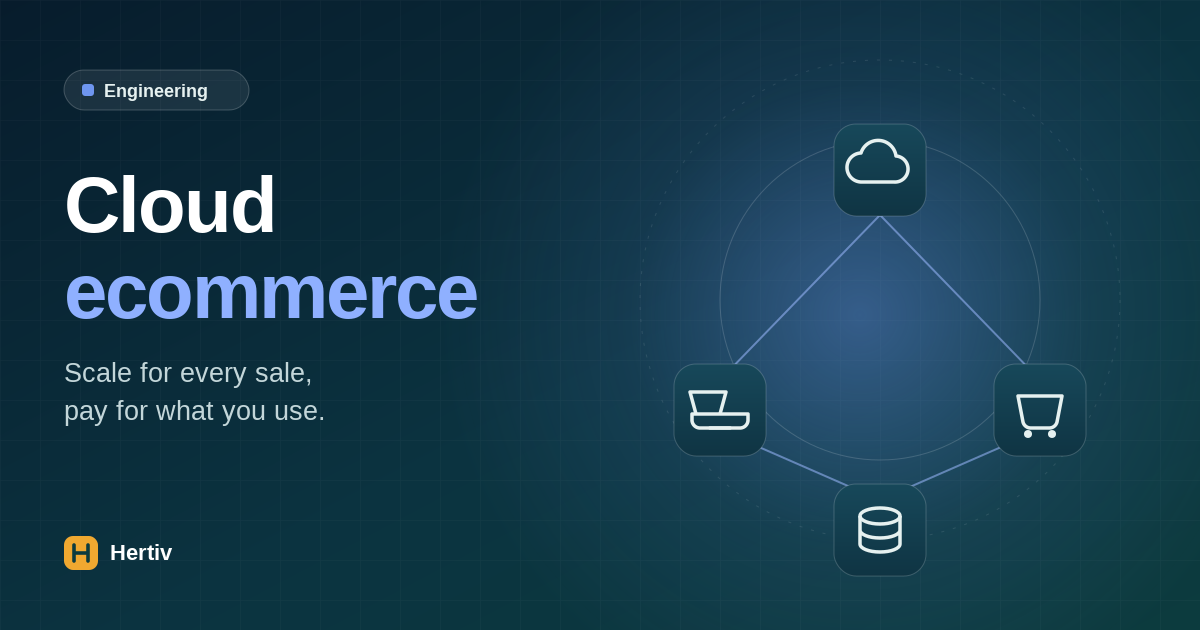
Cloud computing lets online stores scale for sales peaks, ship faster and pay for capacity by the hour. Here is how it works, what it costs and where teams go wrong.
Solidity, Rust, Vyper, Move, Cairo, Clarity, Michelson and Cadence compared: which chains they run on, what each is best for, and how hard each is to learn.
A fantasy sports app costs roughly $15,000 to $40,000 for a basic MVP and $100,000 to $150,000 for a full paid-entry platform. Data feeds, payments and KYC add more.
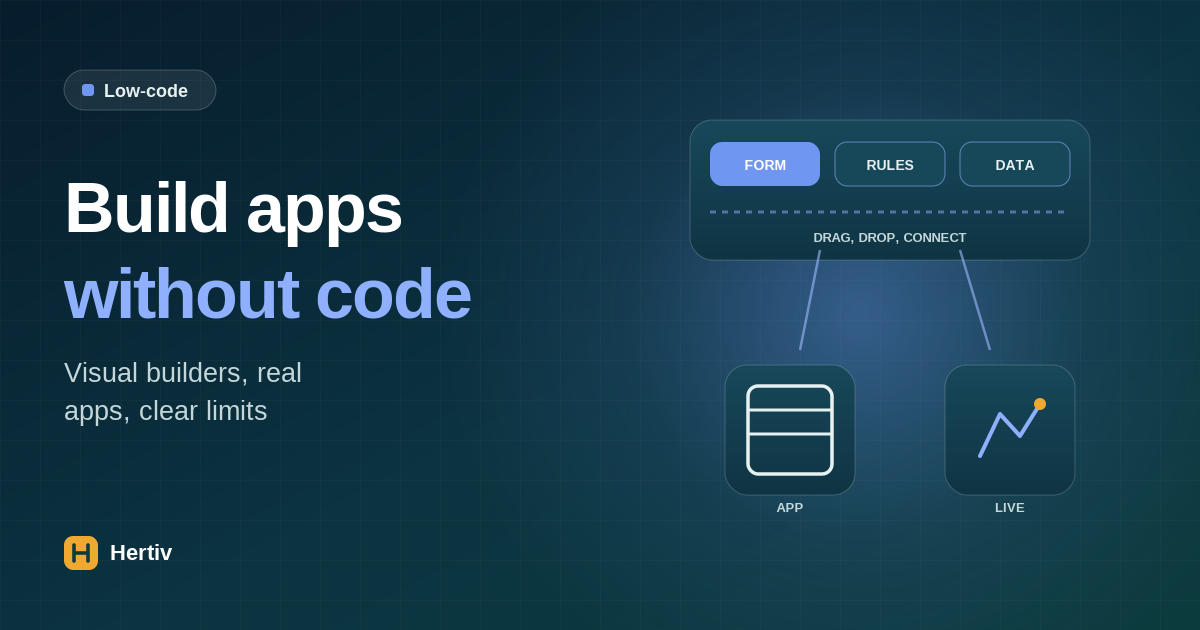
Low-code and no-code tools build real apps faster, but they do not replace custom development. Here is where they fit and where they stop.
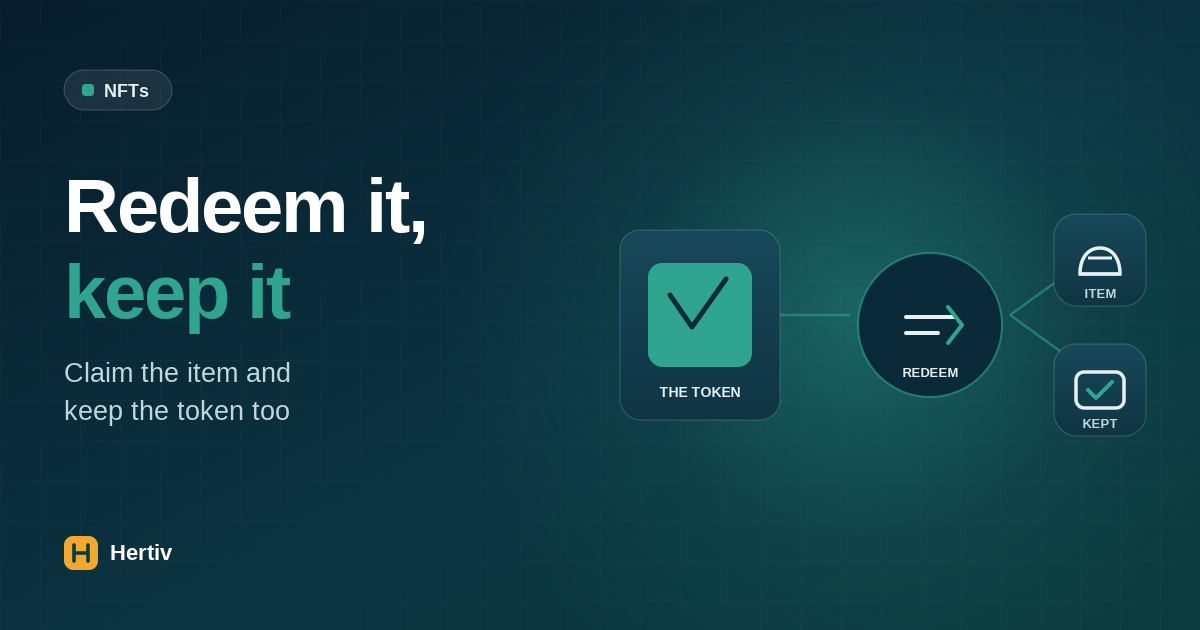
A redeem-and-retain NFT lets you claim the physical item it stands for and keep the token. Here is how redemption works and what to check first.
Generative AI platforms help newsrooms draft, summarise, translate and personalise content. Here is what they do and the rights questions to settle first.
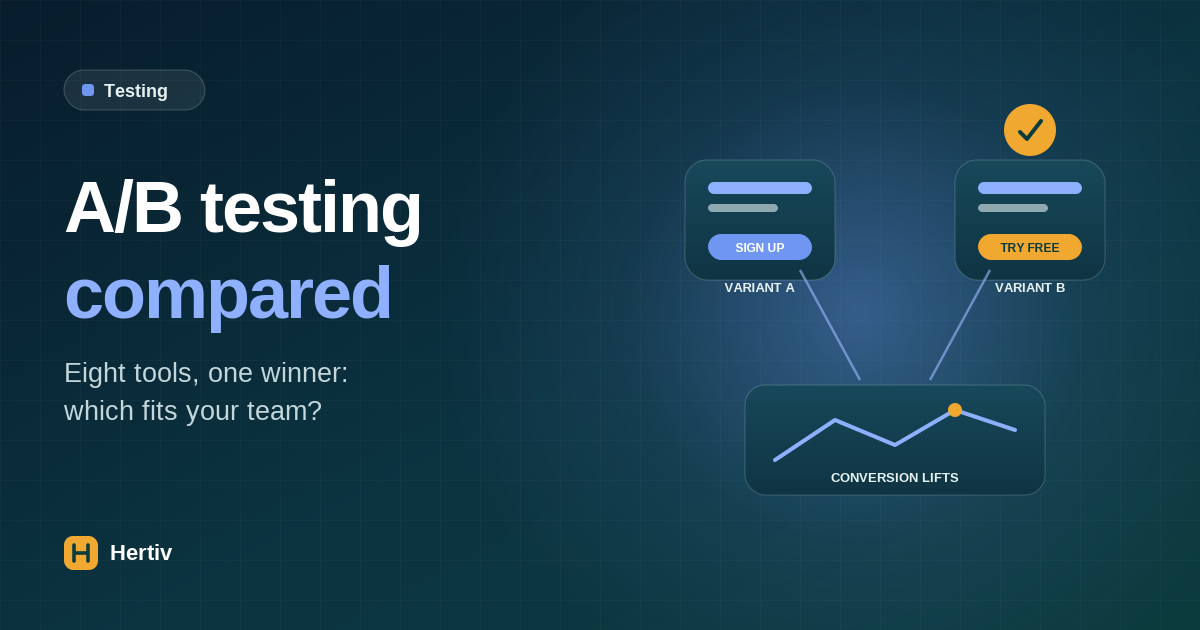
A/B testing software shows which page, headline or checkout step converts better. Here are eight tools compared on testing depth, statistics and price.
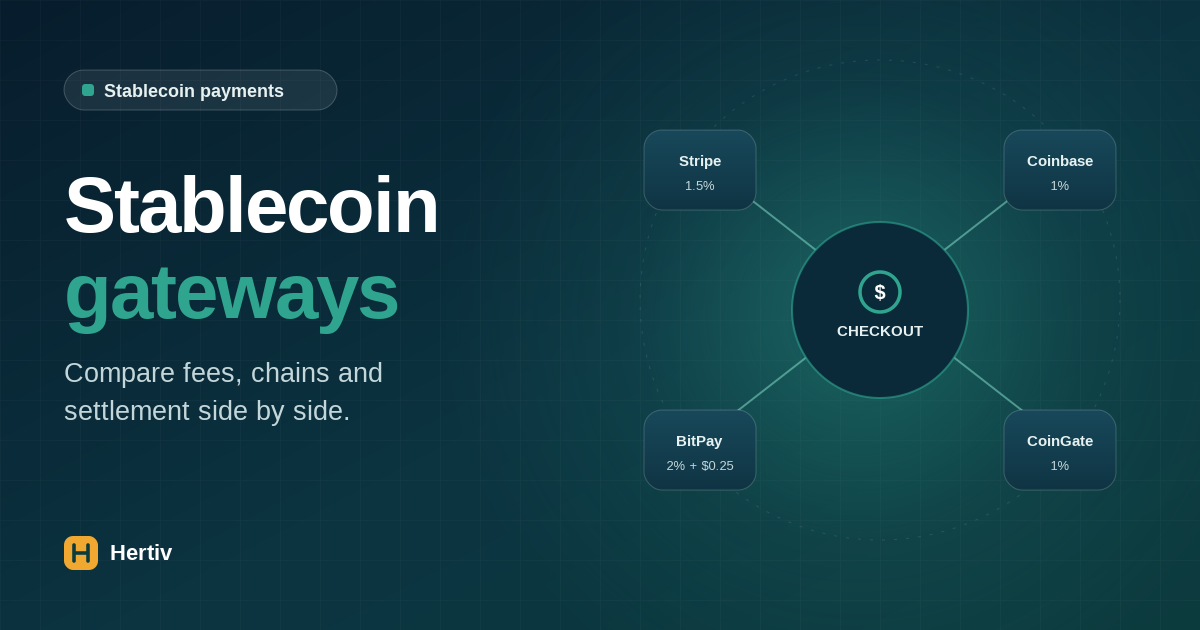
The best stablecoin payment gateway for a startup depends on fee, chains, settlement and onboarding. Here are eight that accept USDT and USDC, compared side by side.
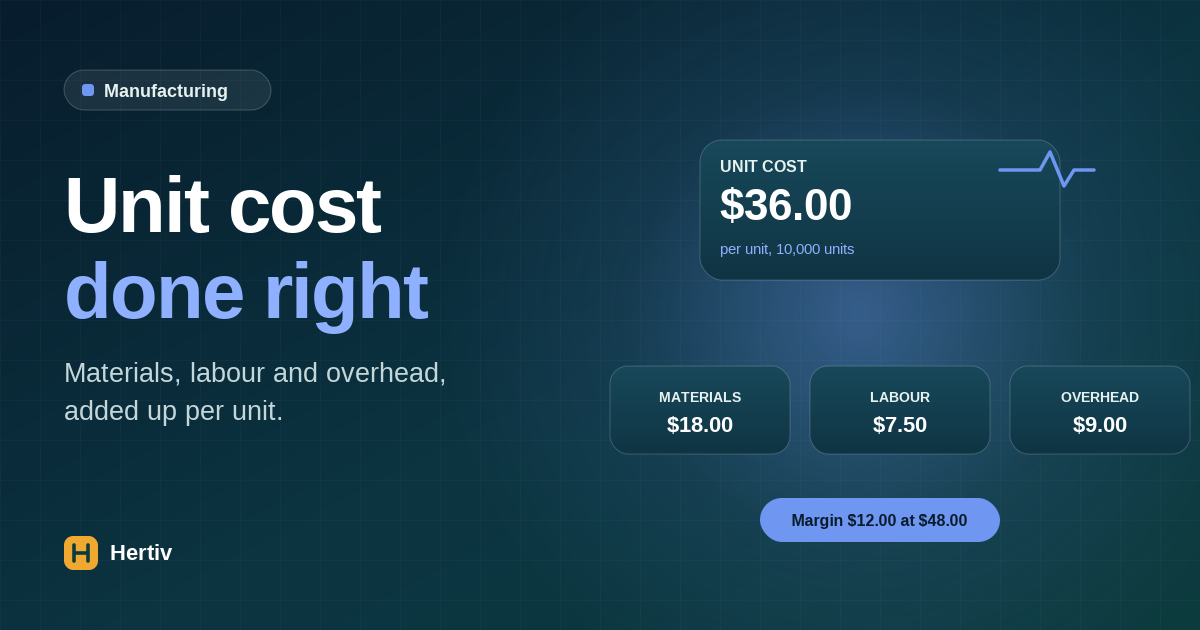
Manufacturing cost estimation adds up materials, labour, overhead and packaging for one unit, then checks the total against real quotes. Here is the method.
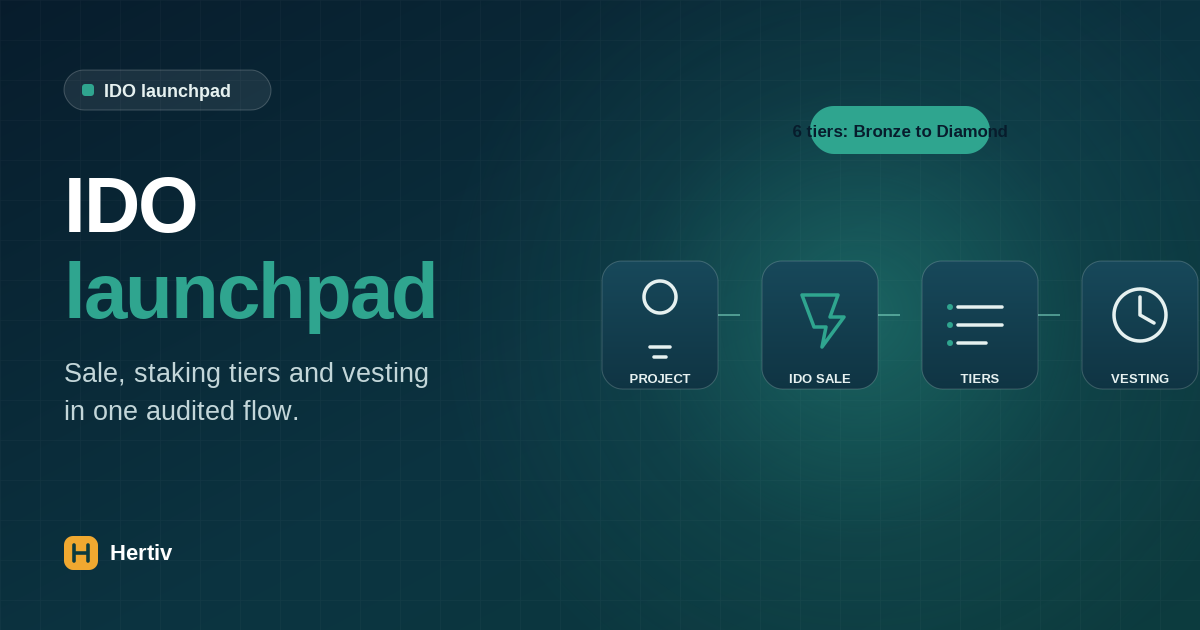
A BSCPad-style IDO launchpad is a set of smart contracts for token sales, staking tiers and vesting, plus a vetted project pipeline. Here is the build, step by step.
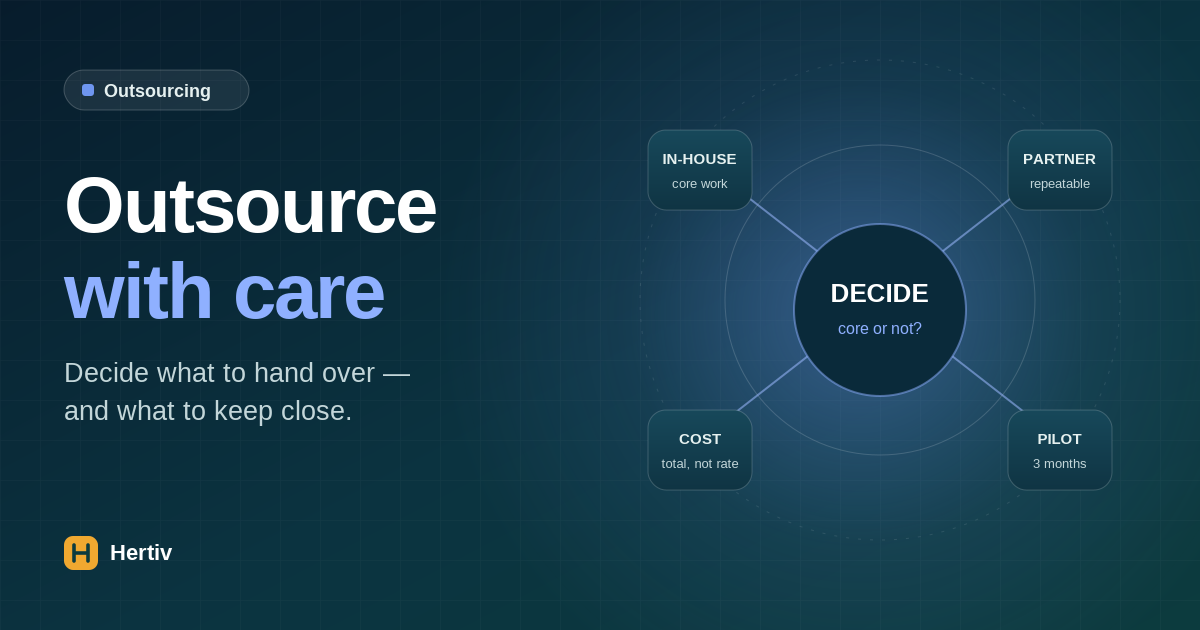
Outsourcing is a good decision when the work sits outside your core skills and a partner can do it better or cheaper. Here is how to judge the call.
A real estate CRM keeps buyers, sellers and deals in one place, from the first inquiry to closing and beyond. Here is what makes it different and how to pick one.
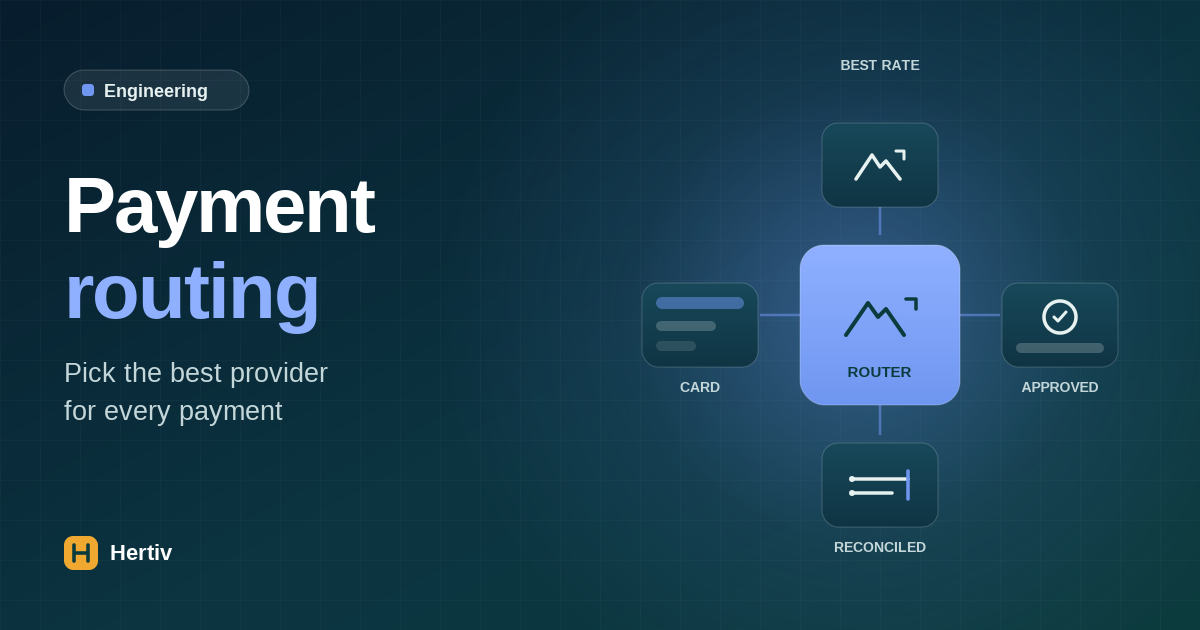
A payment orchestration layer that routes payments across several providers costs roughly $40,000 to $150,000 to build. Here is what drives the price.
A Cardano IDO launchpad sells new tokens with eUTXO validators and batchers, not an Ethereum-style sale contract. Here is how the parts fit together.
Conversational UX lets customers talk to your product in plain words instead of hunting through menus. Here is when it pays off for a startup and when it does not.
No posts on this page match. Use site search (Ctrl K) to search every post.
A senior engineer reads every request and replies within one business day with questions, a rough range, or a call link.