Blockchain
How to Develop a Sustainable NFT Game
A sustainable NFT game lasts because its economy rewards play without inflating away and its chain uses little energy. Here is how to design one.
Page 89 of 233.
5571 posts · page 89 of 233
A sustainable NFT game lasts because its economy rewards play without inflating away and its chain uses little energy. Here is how to design one.
Tezos is a proof-of-stake blockchain that upgrades itself through on-chain voting, with a strong art community and an Ethereum-compatible layer 2.
DevOps culture is the shared habits that let developers and operations ship together: small releases, shared ownership and honest postmortems.
Financial close automation reconciles accounts, chases approvals and builds the audit trail. Here are eight tools worth comparing.
Tokenization in retail turns products, loyalty points and payments into tokens. Here is how retailers use it, what it costs, and where it pays off.
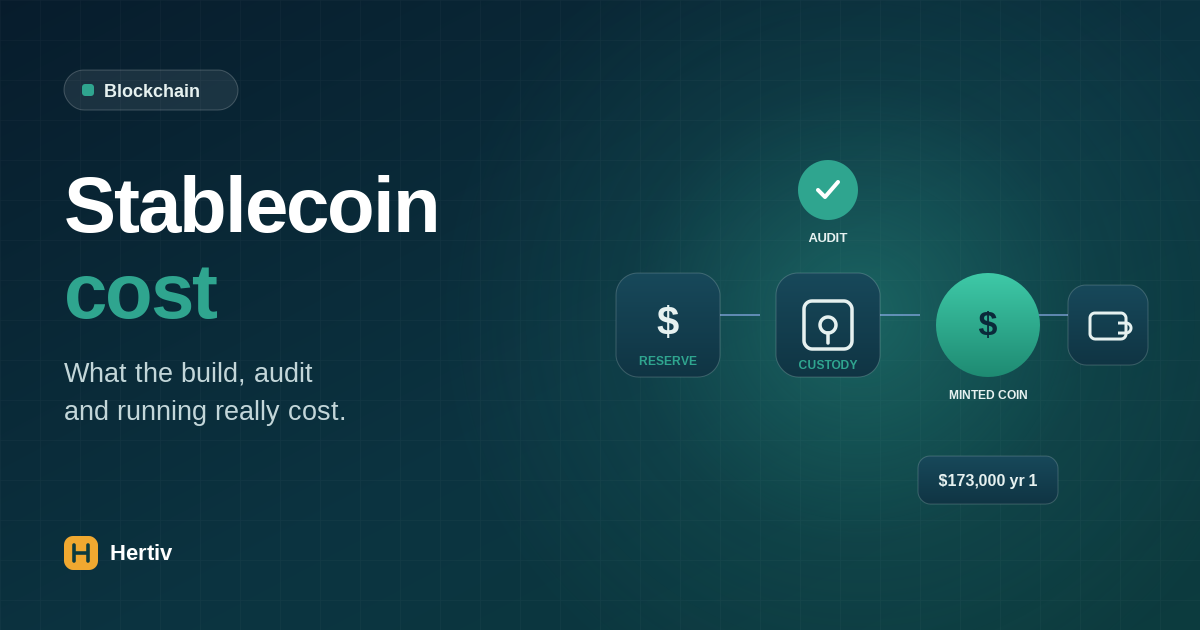
Stablecoin development cost depends on the model, the chain and the compliance load. This guide breaks down the build, audit and running costs.
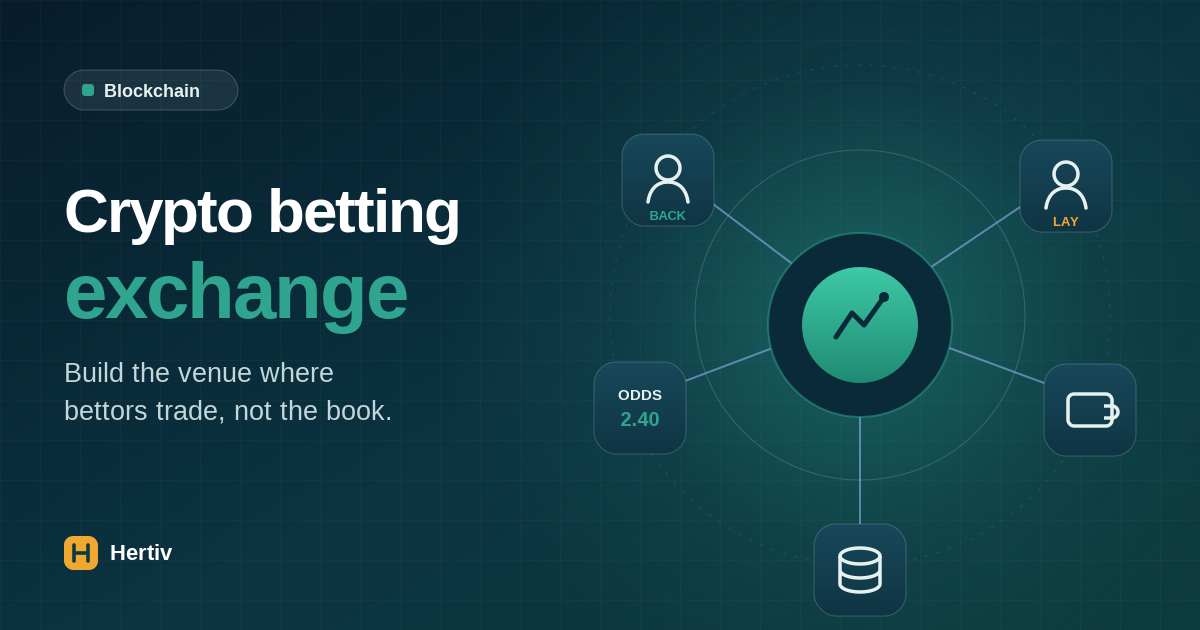
A crypto sports betting exchange lets users bet against each other with crypto instead of a bookmaker. Here is how to build one, from licence to launch.
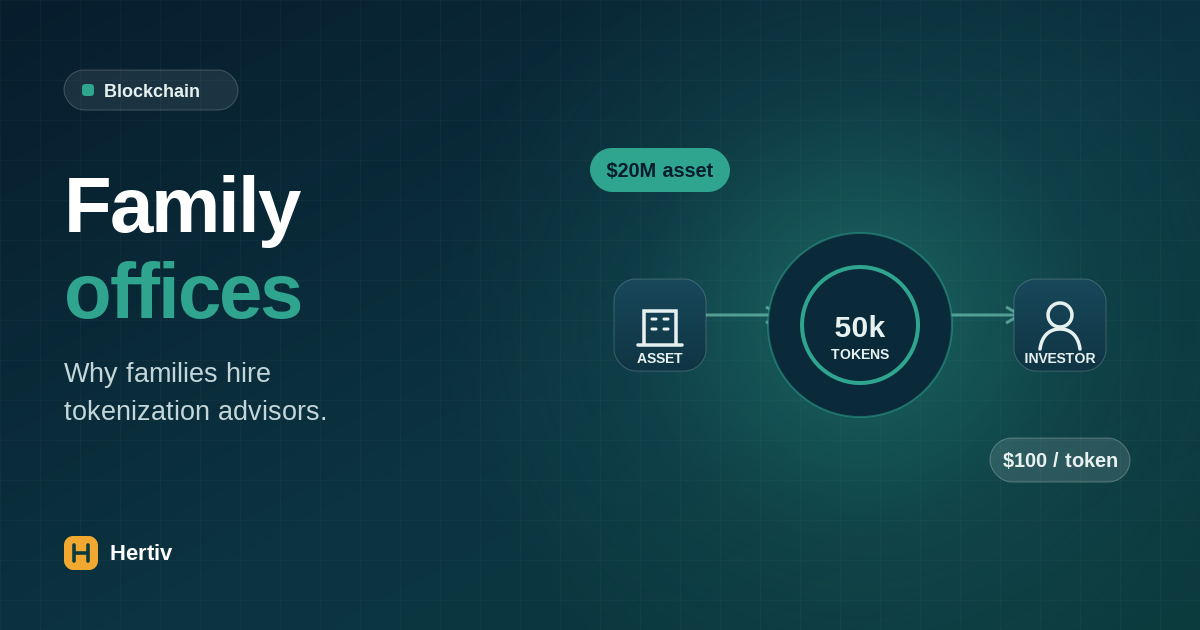
Family offices hire tokenization advisors because turning a real asset into tokens touches law, tax, platform choice and investor rules at once.
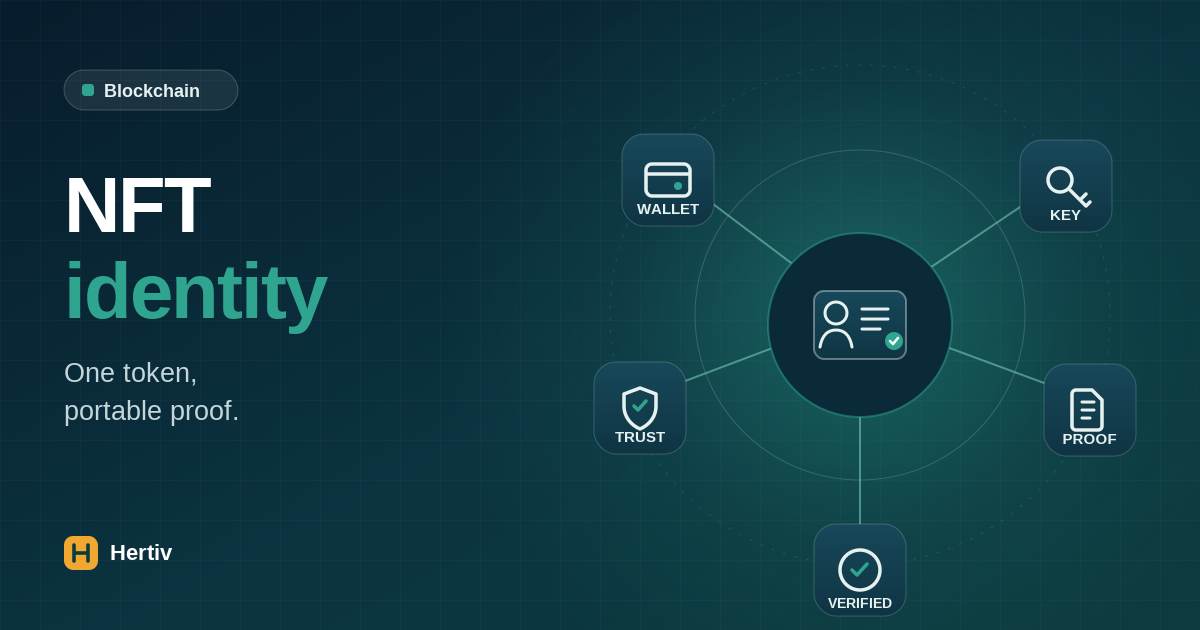
NFT technology for digital identity uses a unique token as portable proof of who someone is or what they are entitled to, instead of a password in one database.
A digital workforce in retail e-commerce is AI agents doing routine retail work alongside human staff, from product questions to supplier follow-ups.
Eight white label NFT marketplace solutions compared: NFTically, Rarible, Mintable, Venly, Thirdweb, Mintbase, Enjin and Magic Eden, with what each one is best for.
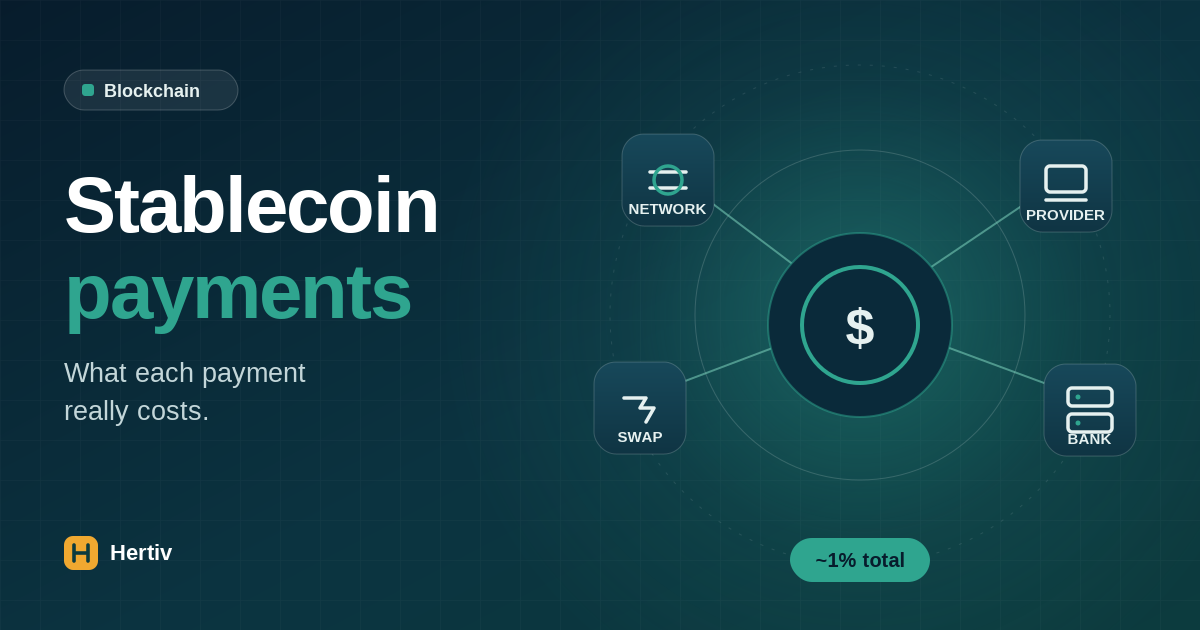
Stablecoin payments usually cost from a few cents to about 1% of the amount sent. Network, provider and conversion fees make up the bill, and each one can be cut.
Start NFT art by making a finished series, picking a chain and marketplace, minting your first token and pricing low enough to build a sales record.
Governments are testing blockchain voting for a tamper-evident count and wider access. Learn what the systems do, where trials stand and what blocks adoption.
Compare 8 generative AI infrastructure tools for hosting, serving and fine-tuning models, from managed APIs to self-hosted GPU inference, with how to choose.
A DevOps engineer builds and runs the pipeline that moves code into production safely. Learn the core duties, skills, team differences and how to get into the role.
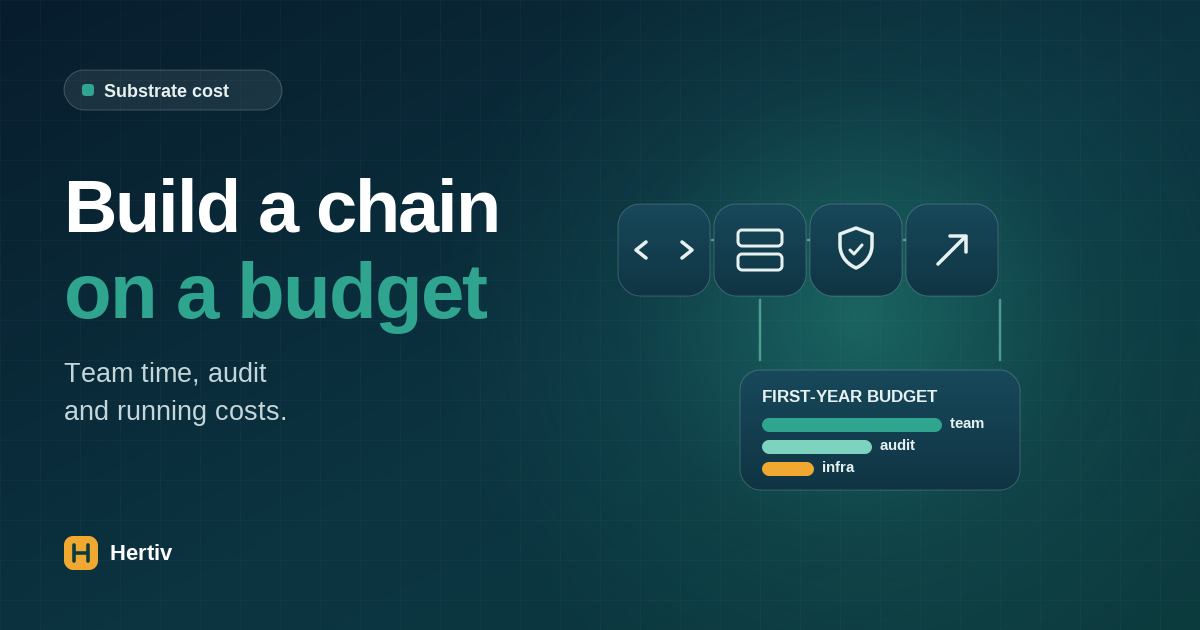
Substrate is free and open source, but building a chain on it is not. Here is what drives the cost, from team time to audits, and how to budget a first chain.
Launching a meme coin on Solana takes minutes, but getting noticed takes a plan. Here are the launch steps, the liquidity setup and the mistakes to avoid.
Hong Kong now licenses crypto exchanges, stablecoin issuers and tokenised funds under clear rules. Here is what changed and who needs a licence.
NFT ticketing turns each ticket into a token with resale rules built in. Here is how it changes resale, royalties and fan data, and what is still in the way.
Intelligent automation pairs AI with rules to handle HR and payroll work that needs judgement. Here is where it fits, and where a human still decides.
Tokenization cost depends on the asset, the legal setup, the smart contracts and the platform. Here is what drives the bill, and how to budget for a first project.
Making an NFT game starts with a game worth playing, then adds tokens only for the items that need ownership or trading. Here is the full build path.
Enterprises compare application security tools across code scanning, dependency checks and live testing, since no one tool covers the whole pipeline.
No posts on this page match. Use site search (Ctrl K) to search every post.
A senior engineer reads every request and replies within one business day with questions, a rough range, or a call link.