Blockchain
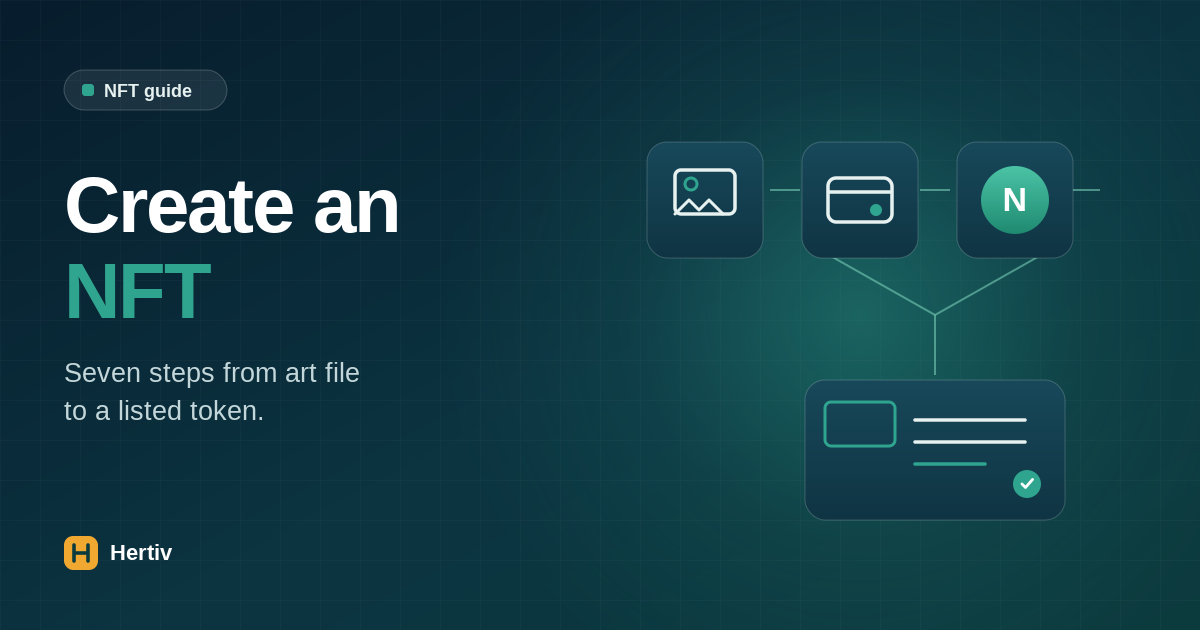
How to Create an NFT in 7 Steps
Creating an NFT means turning a digital file into a unique token on a blockchain. These seven steps cover the wallet, the file, the details, the mint and the listing
Page 74 of 230.
5518 posts · page 74 of 230
Creating an NFT means turning a digital file into a unique token on a blockchain. These seven steps cover the wallet, the file, the details, the mint and the listing
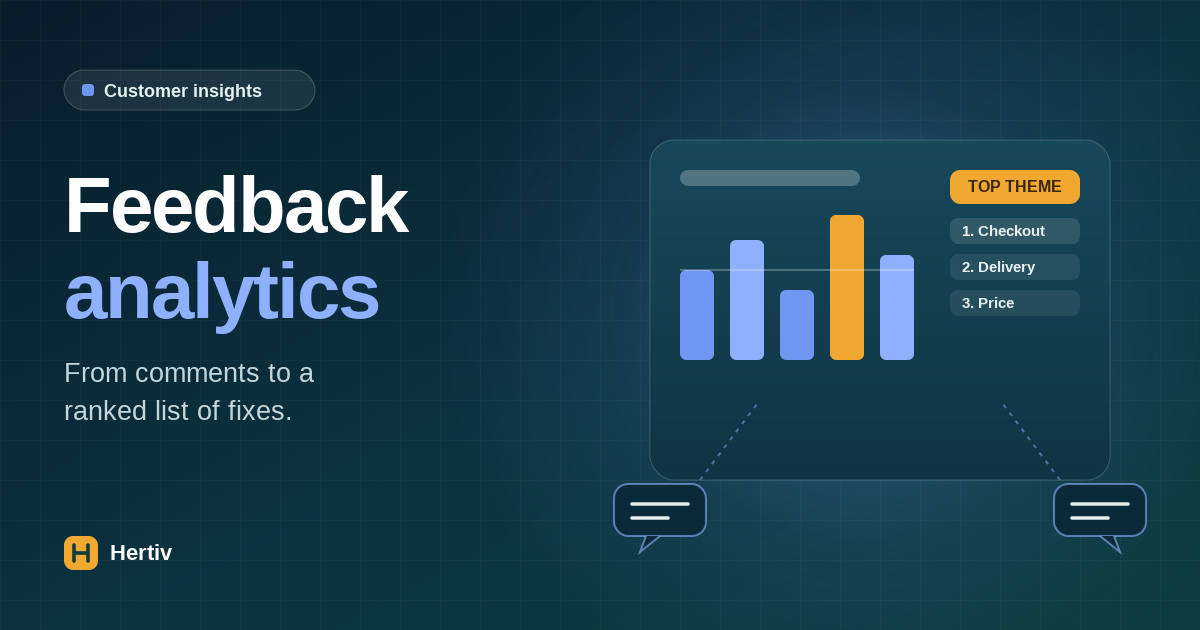
Customer feedback analytics turns surveys, reviews and support notes into a ranked list of what to fix. Here is how to collect, analyse and act on it.
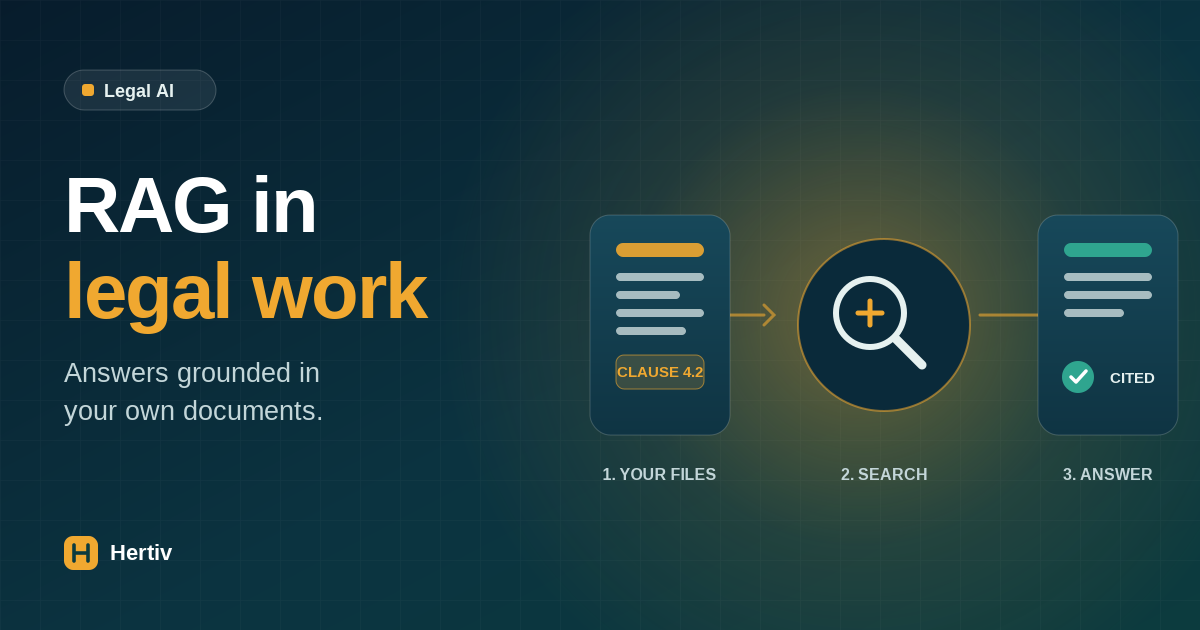
RAG lets legal teams ask questions against their own documents and get answers with sources. Here are eight use cases that work in firms today.
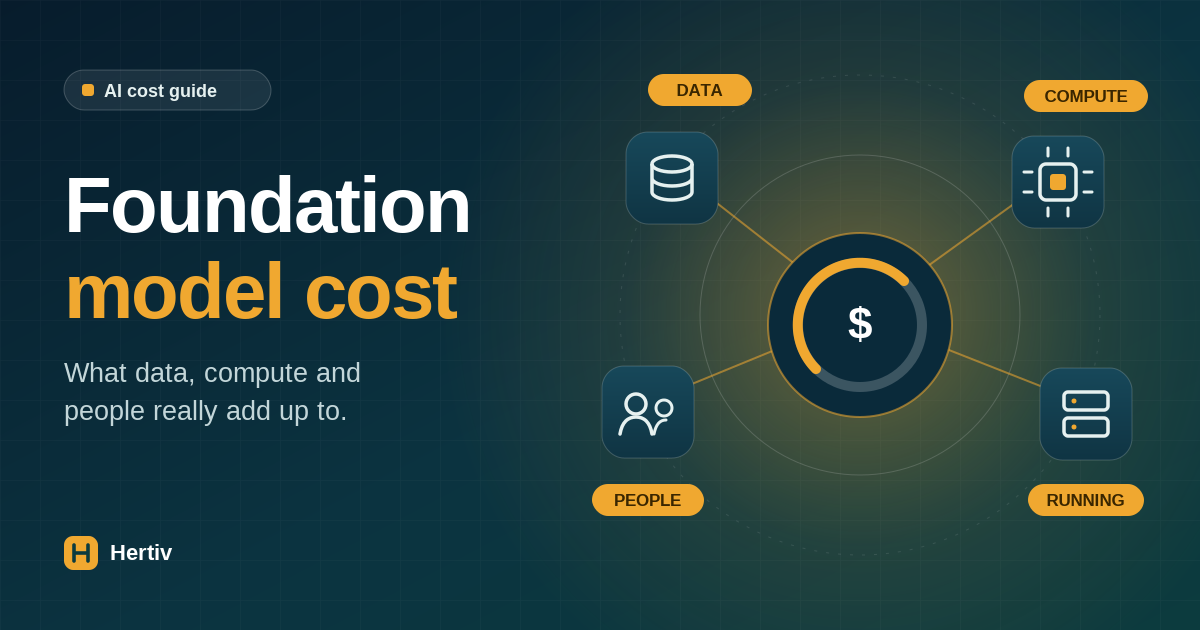
Building a foundation model means paying for data, compute, people and running costs. Here is what each part costs and how to size a budget before you start.
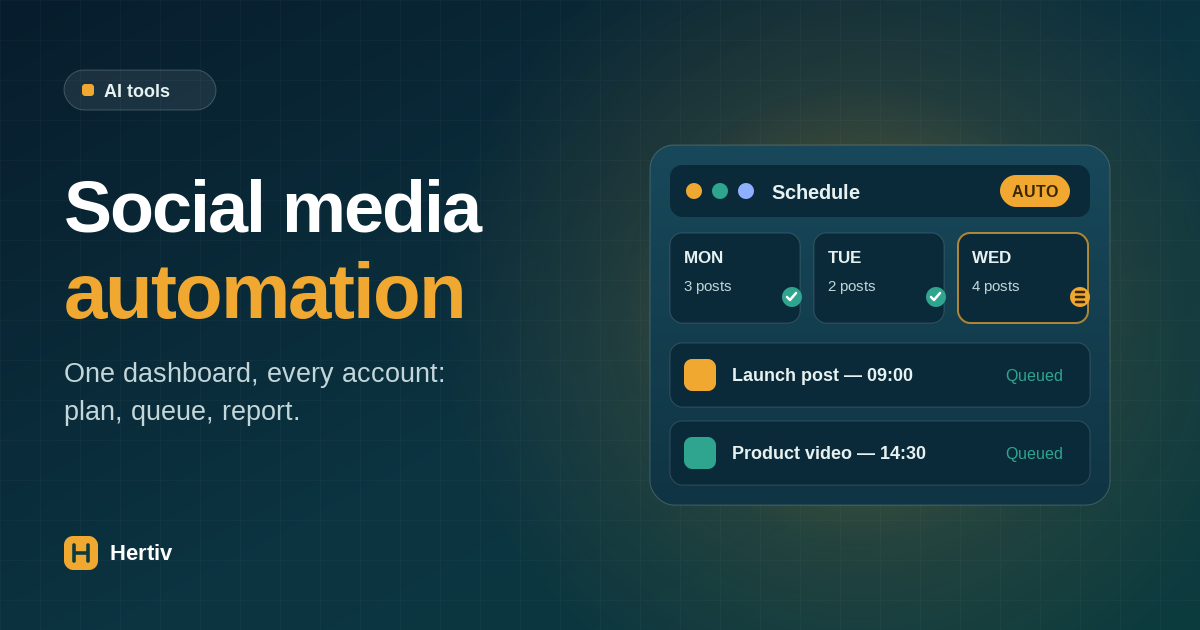
Eight social media automation tools compared on scheduling and reporting: Buffer, Hootsuite, Sprout Social, Later, SocialPilot, Metricool, CoSchedule and Sendible.
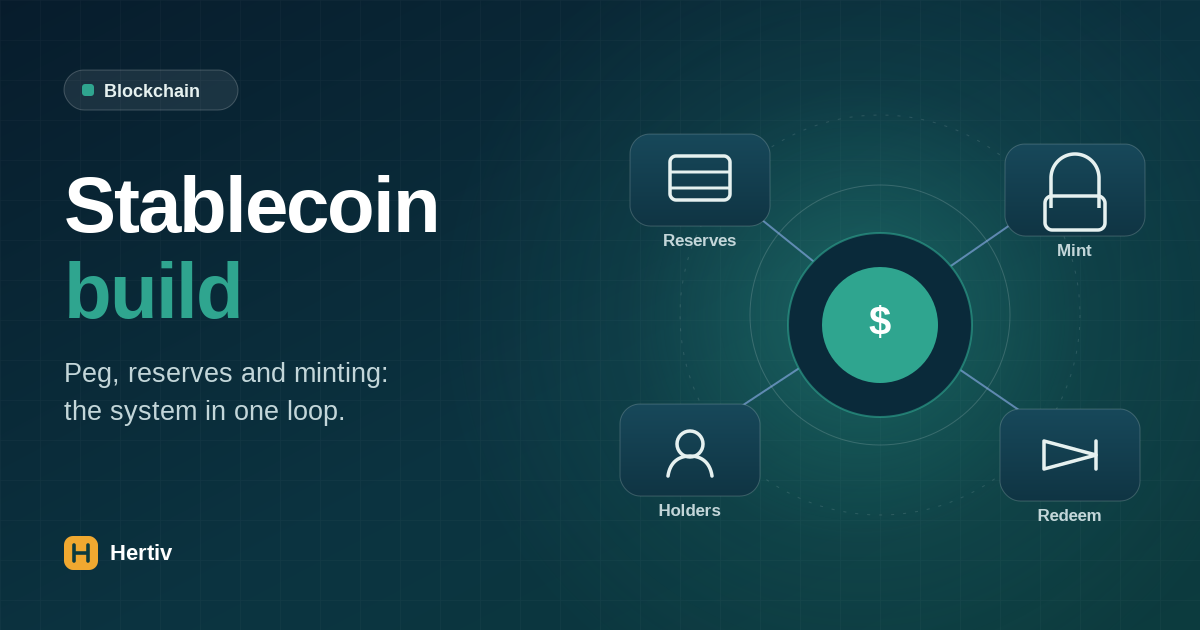
Implementing a stablecoin means building the token, the reserve and the minting system that keeps its peg. Here is the order of work, from peg model to pilot.
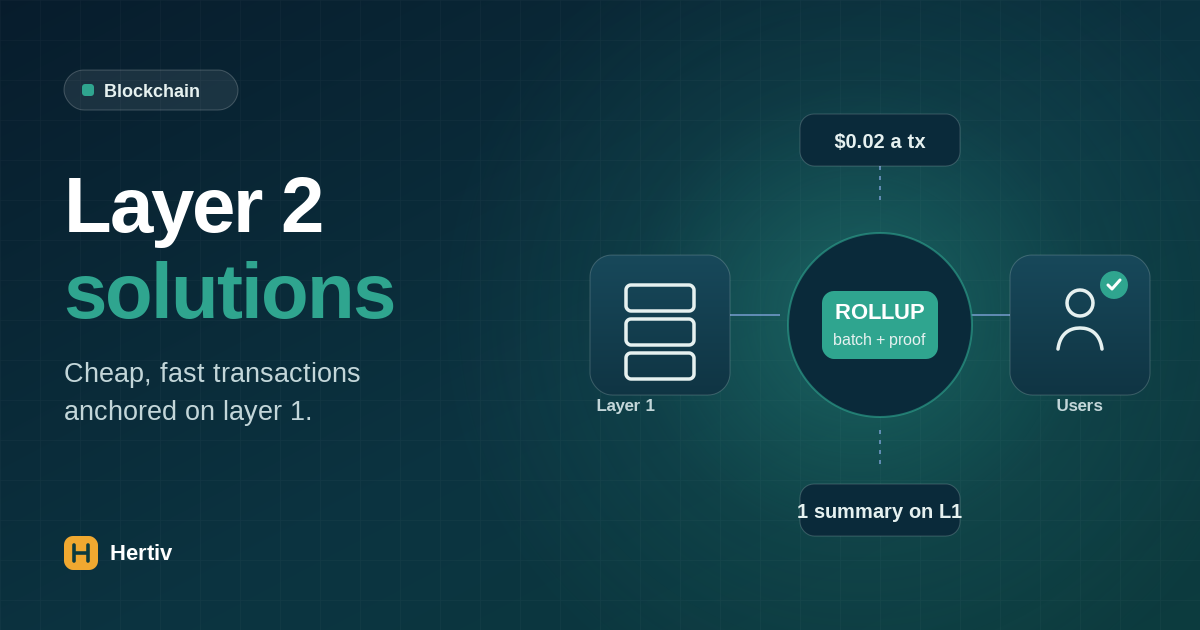
Layer 2 solutions cut the cost and raise the speed of transactions, but they are only part of the answer to scaling. Here is what they fix and what they cannot.
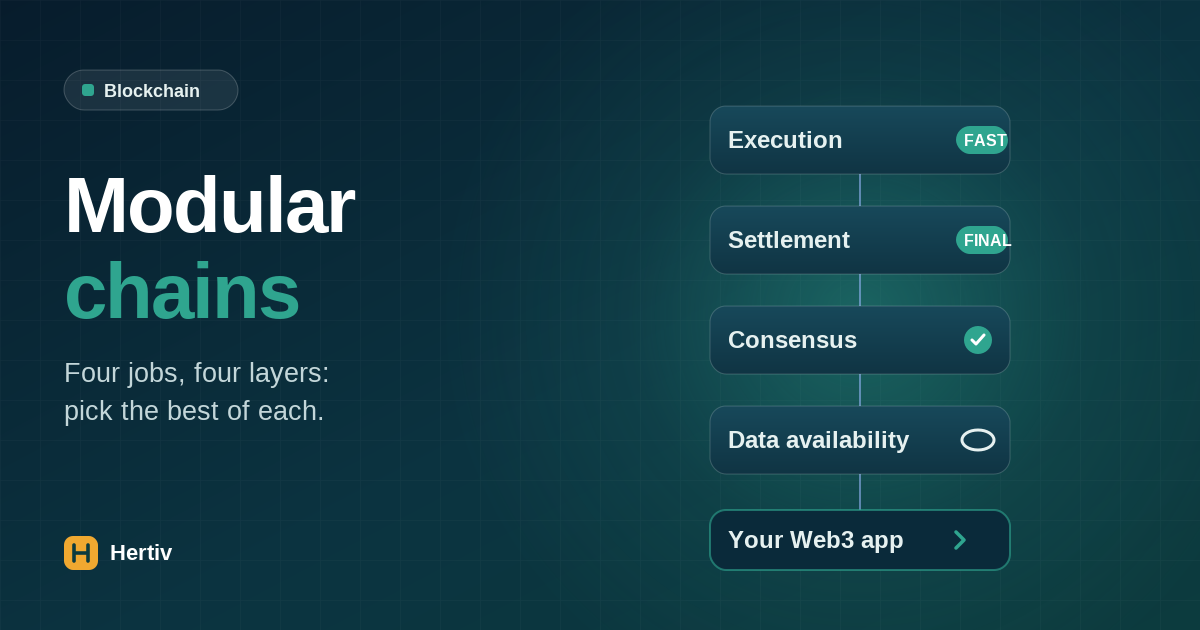
A modular blockchain splits a chain's four jobs across layers. Here is how the layers fit together, when the design helps a Web3 project, and how to choose a stack.
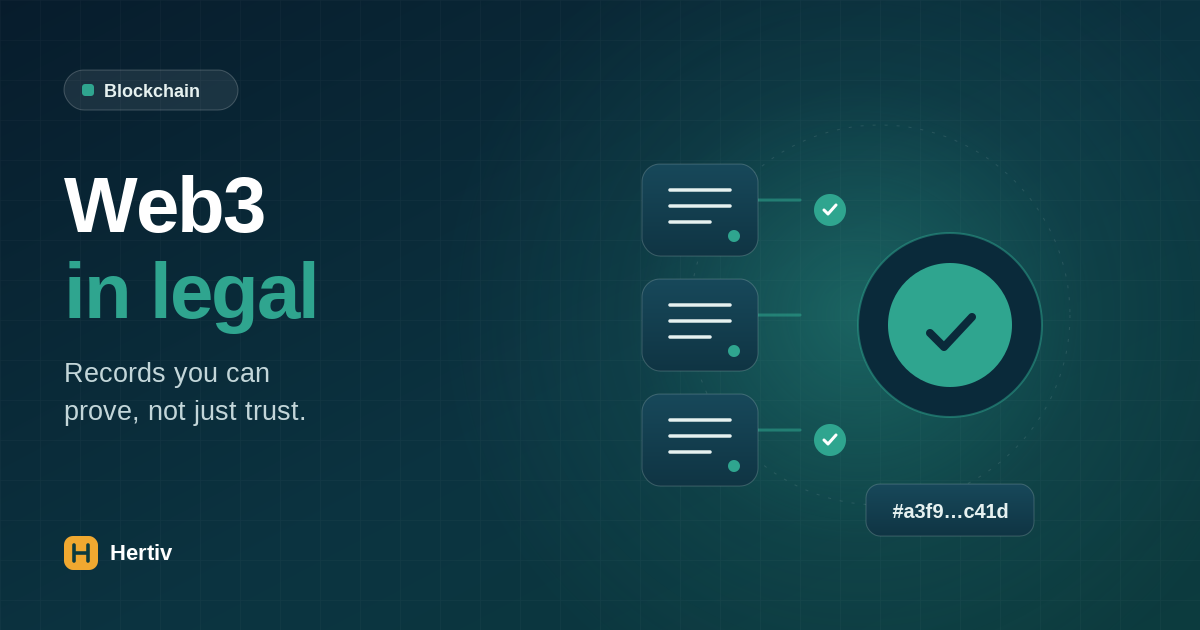
Web3 tools help in legal work, from timestamped evidence to tokenized property records. These eight show where blockchains help and where a database wins.
A generative AI platform for insurance reads policies and claims, then drafts summaries, answers and decisions for staff to check. Here is what it covers.
Function calling adds a model call plus the cost of every tool result it reads, so the bill grows with retries and long outputs. Here is how to count it.
Stablecoin payments settle in minutes, but a working setup needs the right coin, chain, wallet and provider. Here is the step-by-step plan.
The best homelab automation software depends on what you run: Home Assistant for the house, Proxmox for servers, Ansible for setup. Compare 7 tools here.
The best database for an ecommerce site fits your catalog, order volume and team skills. Compare 8 options, from PostgreSQL to MongoDB, before you commit.
NFTs change collecting by making ownership and trading checkable on a public record. The item stays the point, but the record around it works differently.
AI in entertainment shapes what you watch, hear and play, from recommendations to script drafts. Here is where it works today and where the limits matter.
Smart contracts in pharma run agreed rules automatically when data checks out, from drug shipments to trial records. Here is where they help and where they do not.
Graph RAG costs more to build than plain RAG because you pay to extract and store a knowledge graph, then pay again on every query. Here is how the parts add up.
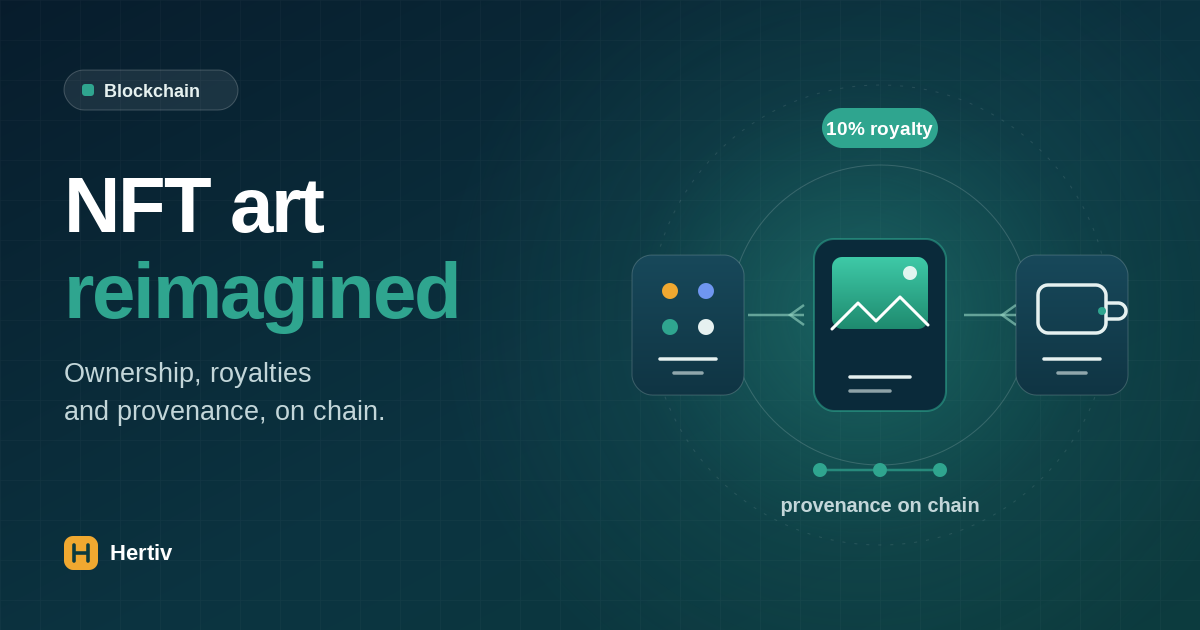
NFTs gave digital artists a way to sell original work with proof of ownership, changing how art is bought and sold. Here is what actually changed and what did not.
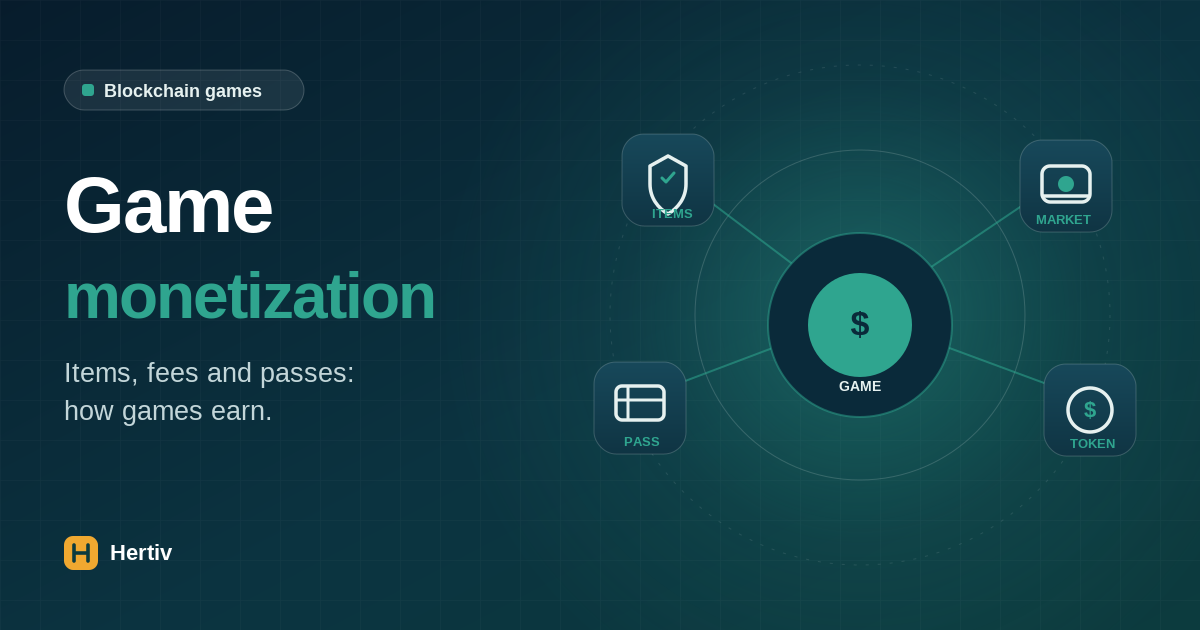
Blockchain games earn from item sales, marketplace fees, season passes and tokens, with players owning the items they buy. Here is how each model works.
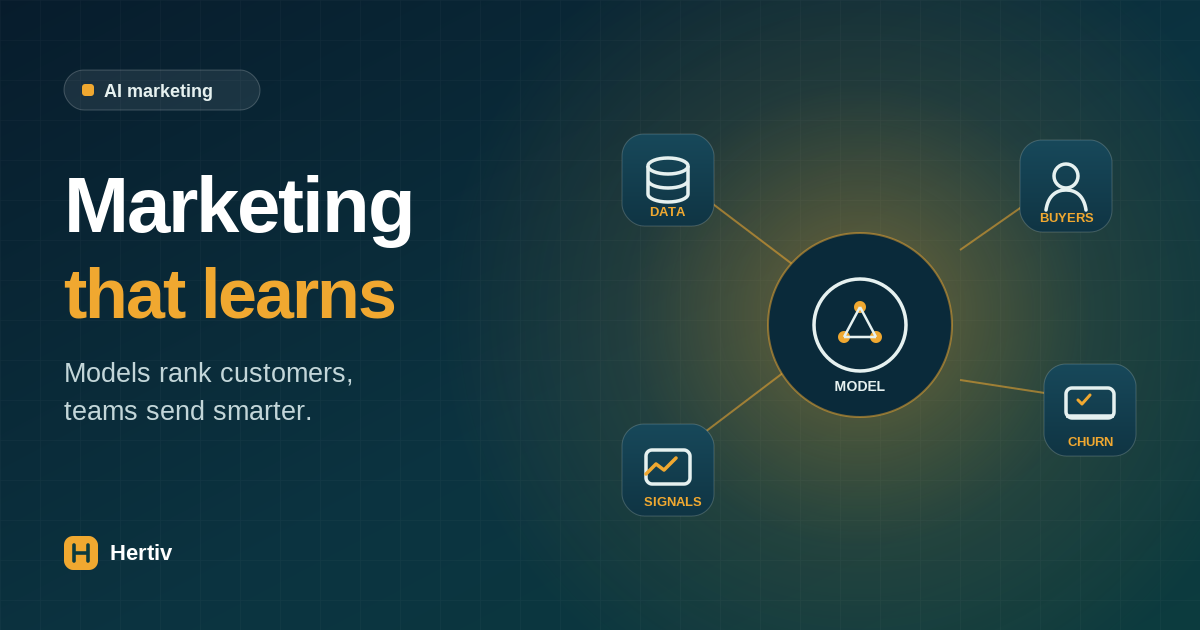
Machine learning for marketing predicts what customers will do next, so teams can target better, time messages well and spot churn early. Here is how it works.
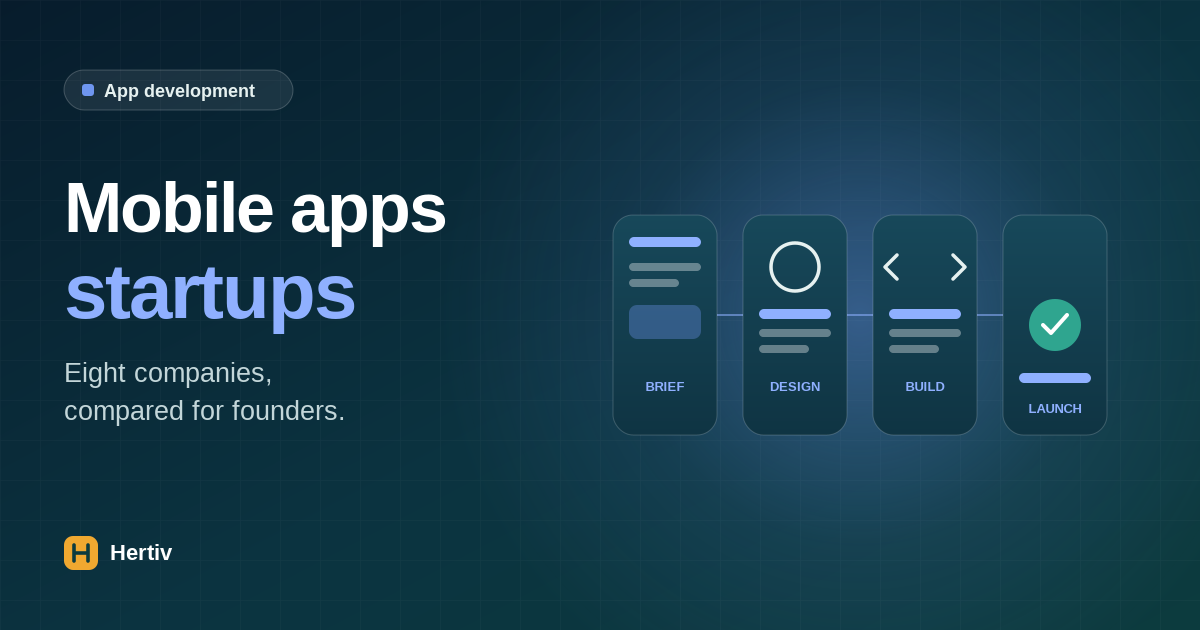
These eight mobile app development companies all work with startups, but differ in focus, budget and strengths. Here is how they compare and how to pick one.
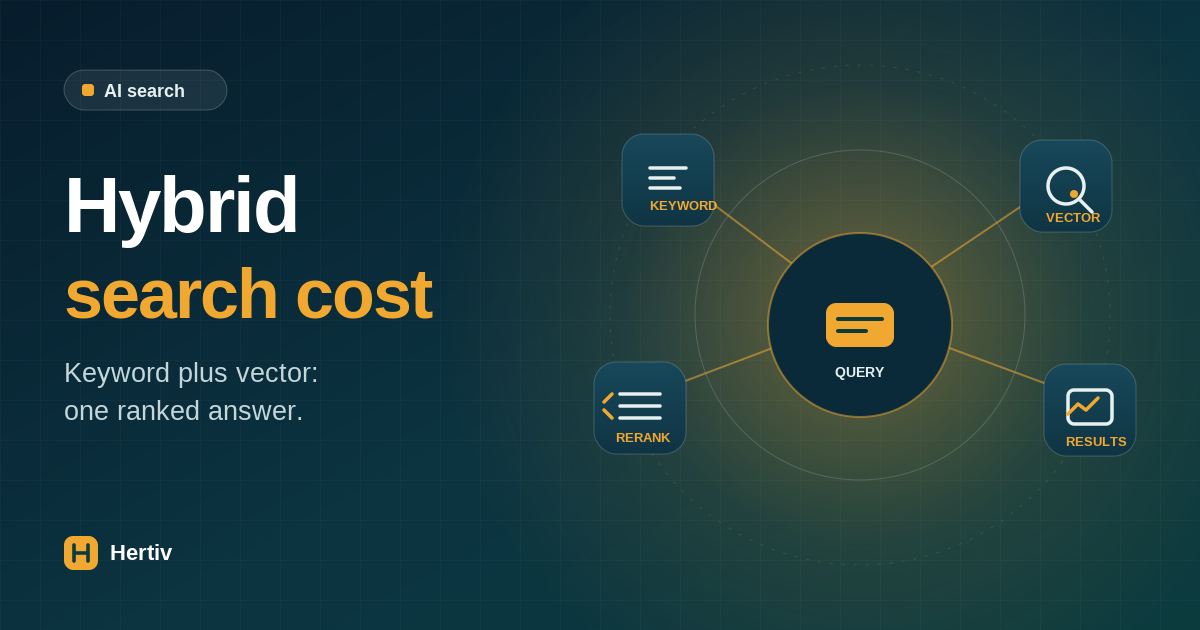
Hybrid search mixes keyword and vector search, and its cost comes from indexing, queries and reranking. Here is what each part costs and how to estimate your total.
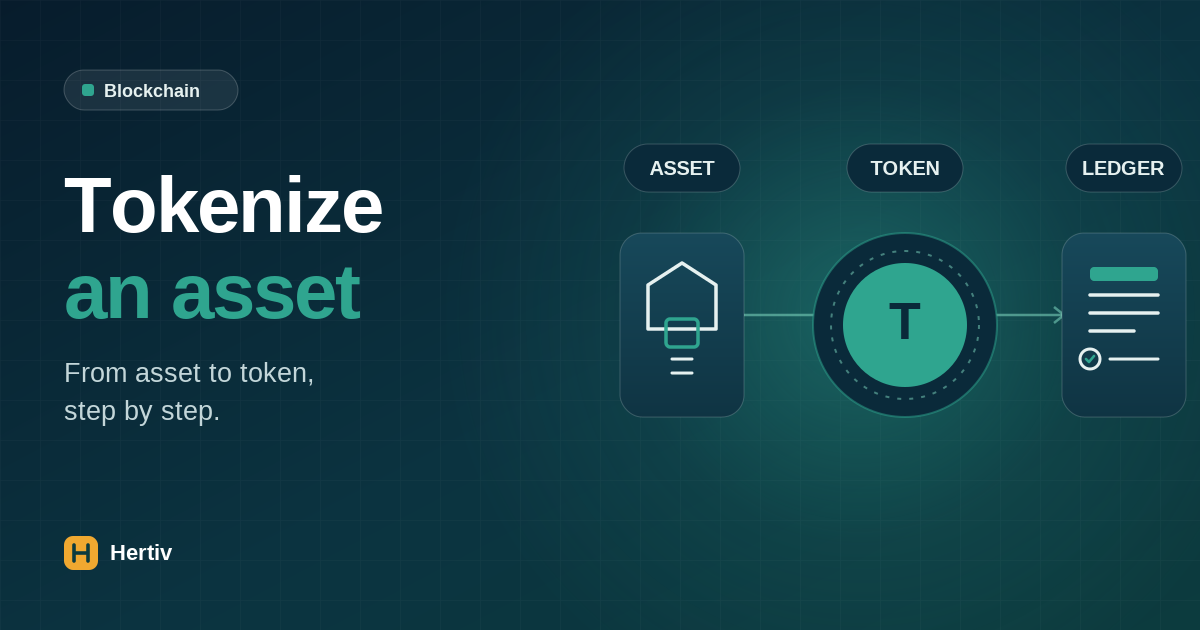
Implementing tokenization means turning an asset into digital tokens with the legal, custody and issuance work done first. Here is the step-by-step path.
No posts on this page match. Use site search (Ctrl K) to search every post.
A senior engineer reads every request and replies within one business day with questions, a rough range, or a call link.