Blockchain
Best Web3 Wallets for Startups: 6 to Compare
A startup that touches crypto needs a wallet users trust and developers can build on. Compare six leading Web3 wallets on chains, onboarding and integration.
Page 174 of 226.
5424 posts · page 174 of 226
A startup that touches crypto needs a wallet users trust and developers can build on. Compare six leading Web3 wallets on chains, onboarding and integration.
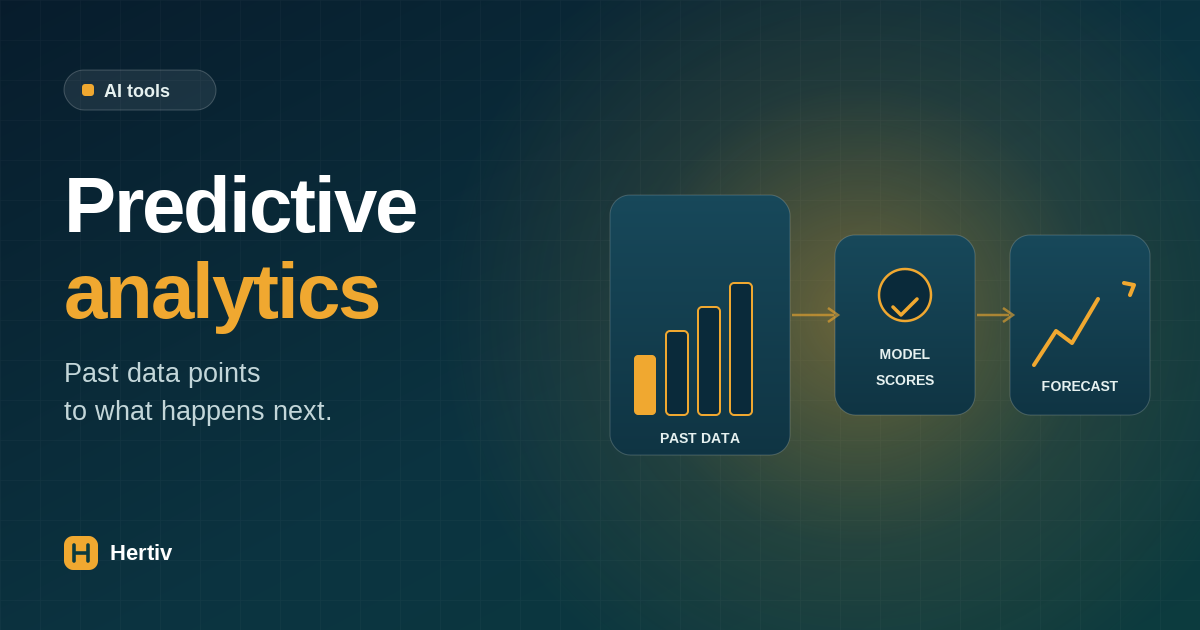
Predictive analytics uses past data to estimate what is likely to happen next, from churn to demand. Learn how it works, what data it needs, and when it pays off.
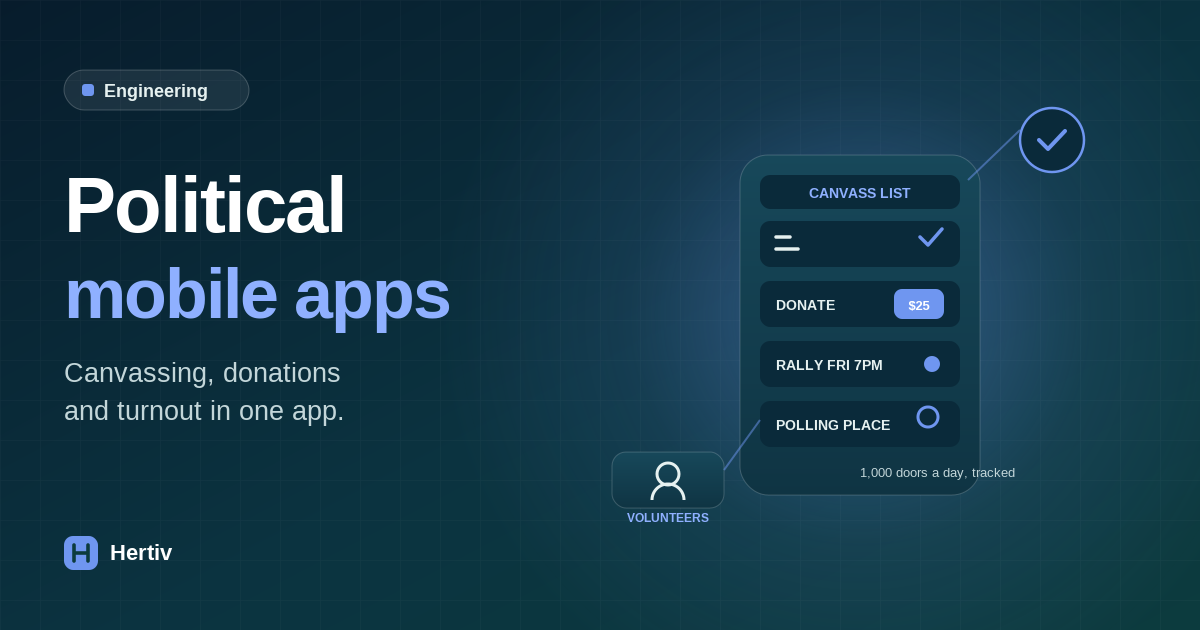
Political mobile apps help campaigns reach voters, organise volunteers and collect donations. Here is what they do, what they cost, and where they go wrong.
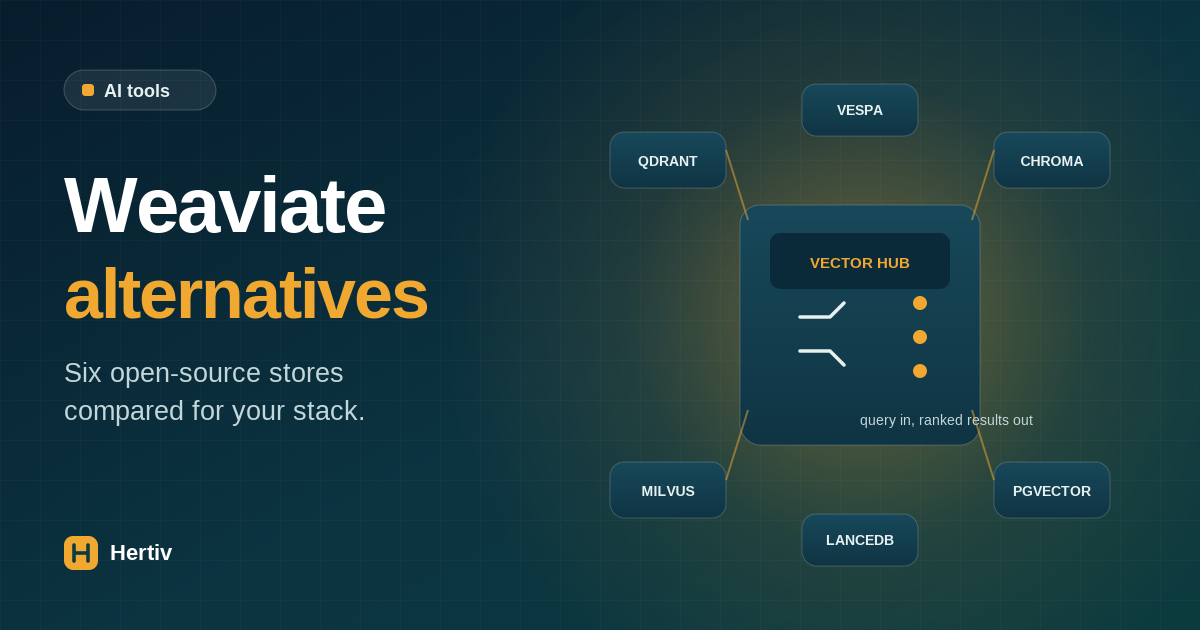
Weaviate is a strong vector database, but it is not the only open-source option. Compare six alternatives on hosting, scale, filtering and fit for your workload.
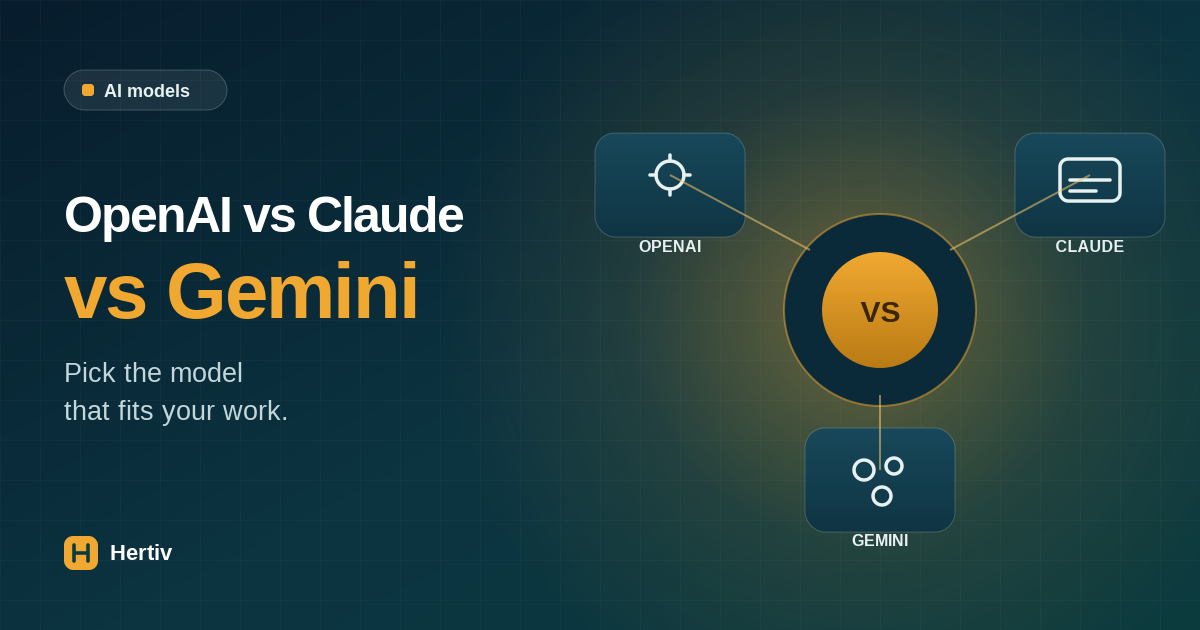
OpenAI, Claude and Gemini are the three leading hosted model families. Compare their strengths, fit and trade-offs, then pick by your workload, not by the headlines.
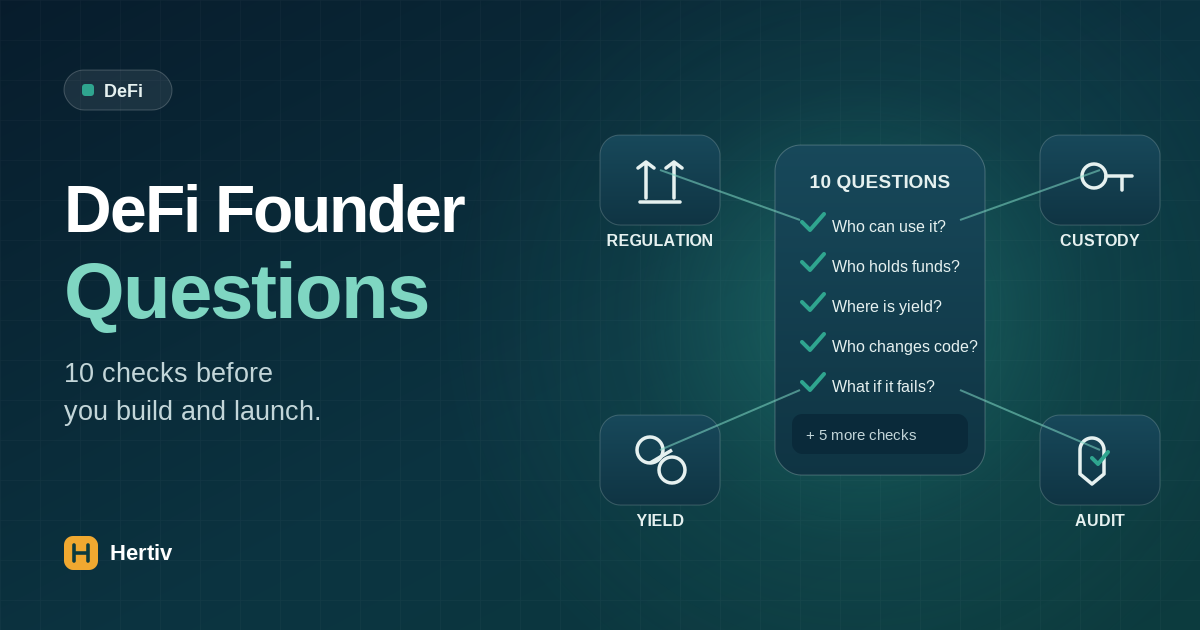
Before you build a DeFi product, answer ten questions on regulation, custody, yield, governance and failure plans, and see what a solid answer looks like.
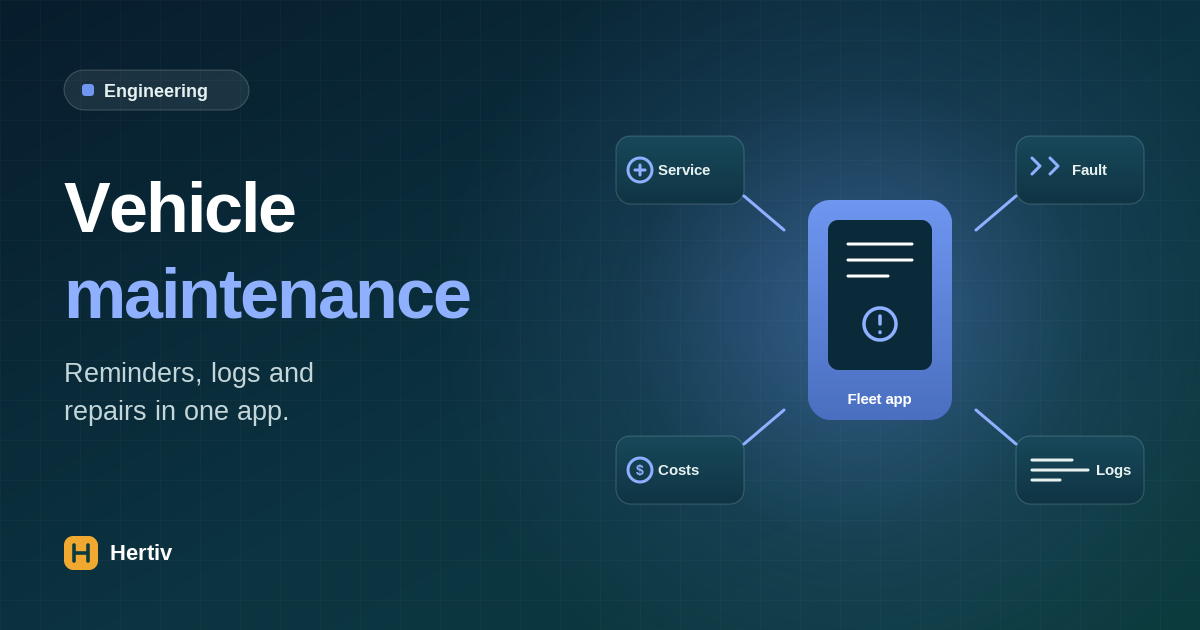
A vehicle maintenance app tracks service schedules, repairs and costs for every vehicle in a fleet. Here is what to build first and what data it needs.
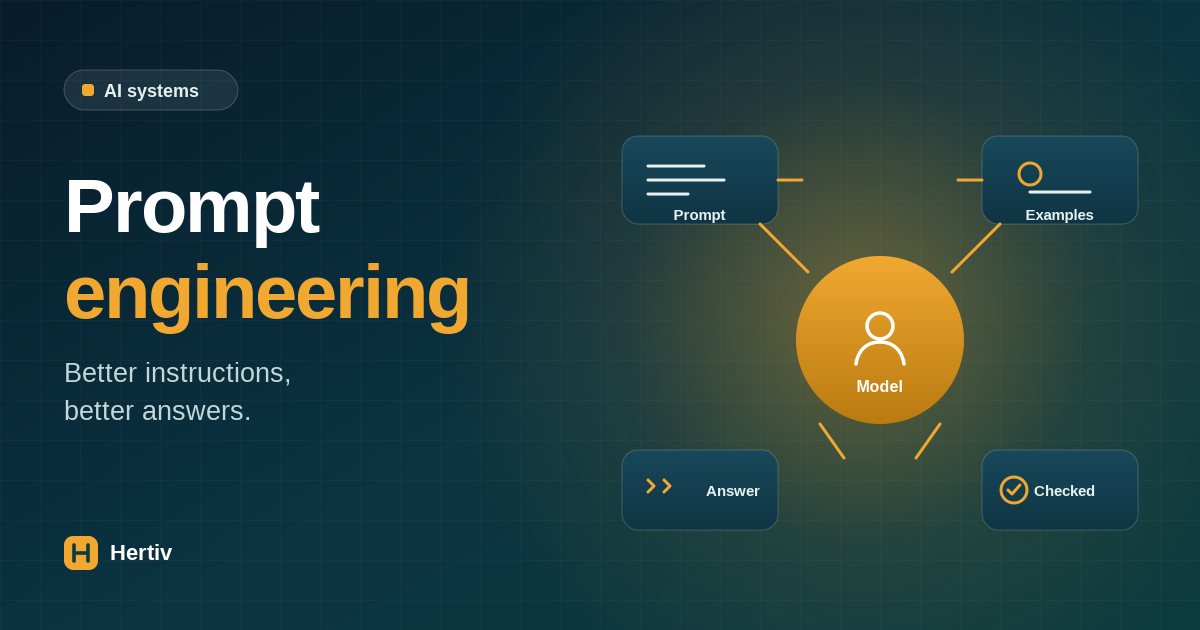
Prompt engineering is writing clear instructions that get reliable, useful output from a language model. Small changes in wording can change the answer a lot.
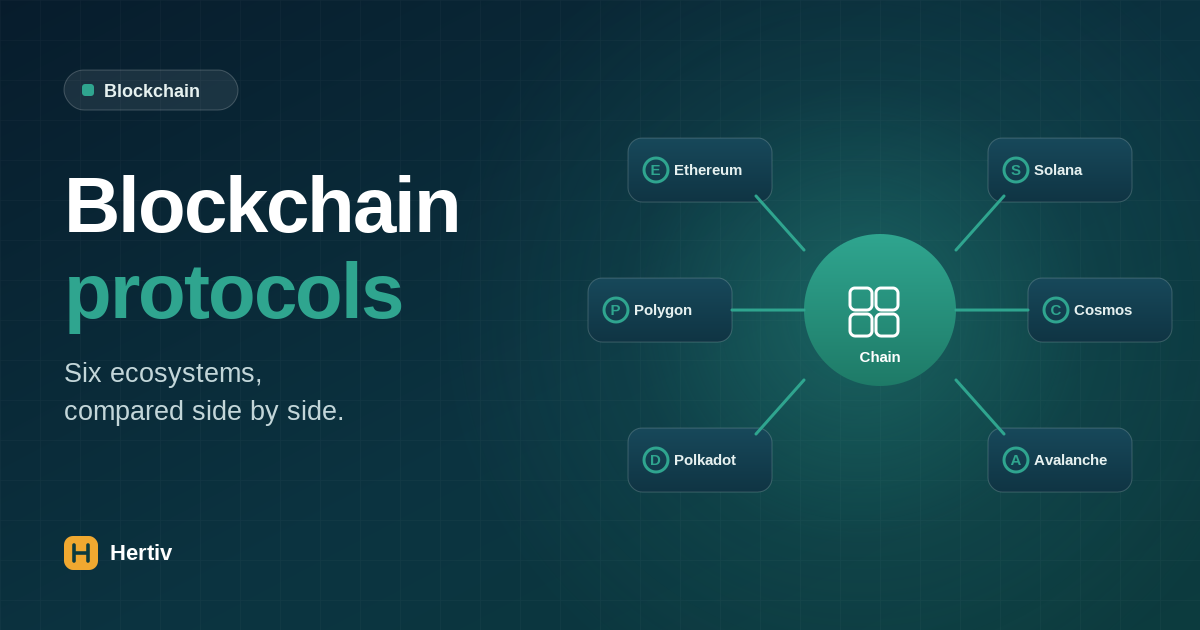
The best blockchain protocol depends on what you are building: payments, apps or cross-chain tools. Compare six leading ecosystems on speed, cost and trade-offs.
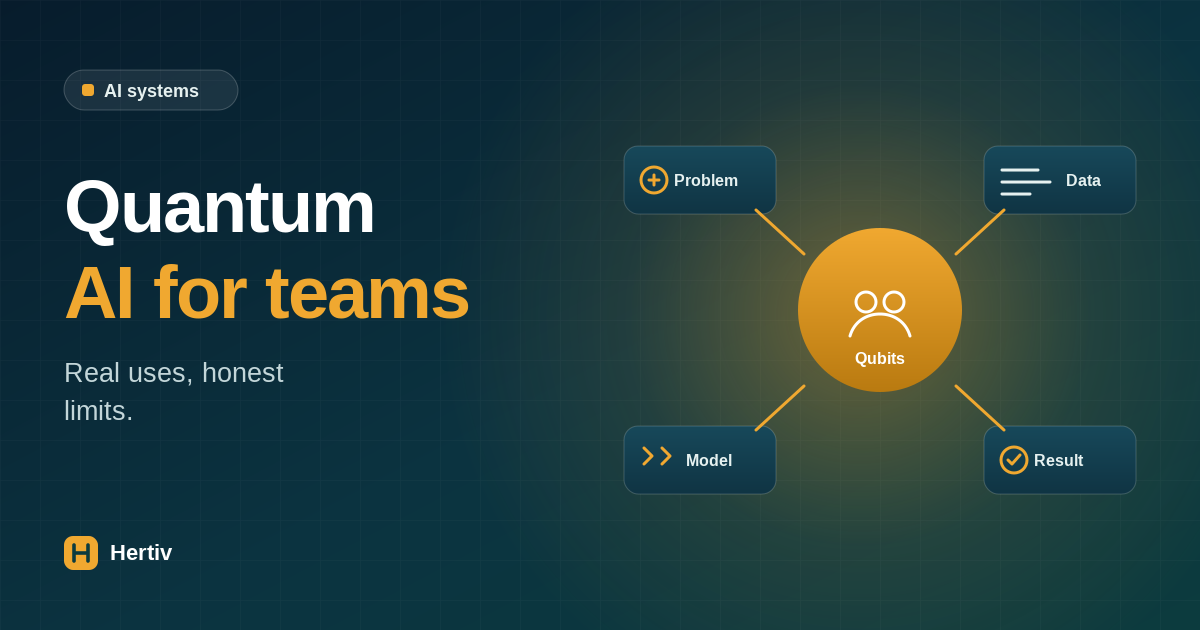
Quantum AI pairs quantum computing with machine learning for hard optimisation and simulation problems. Here is what it can do today, and what it cannot.
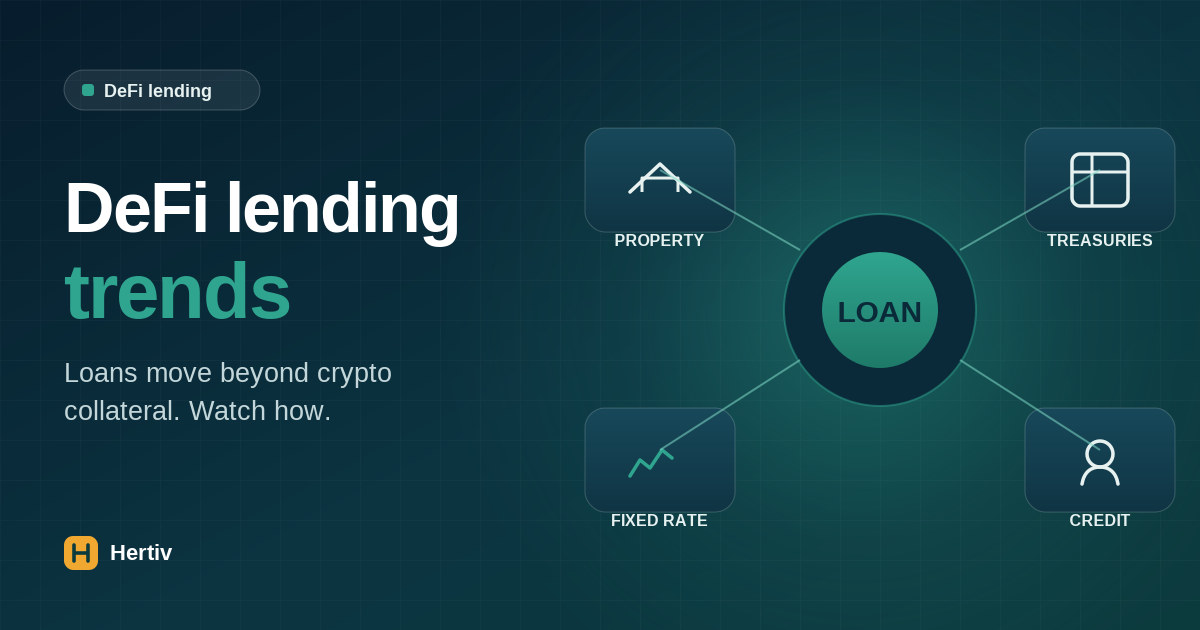
DeFi lending is moving beyond overcollateralized loans to real-world collateral and fixed rates. Here are ten trends shaping what borrowers and lenders do next.
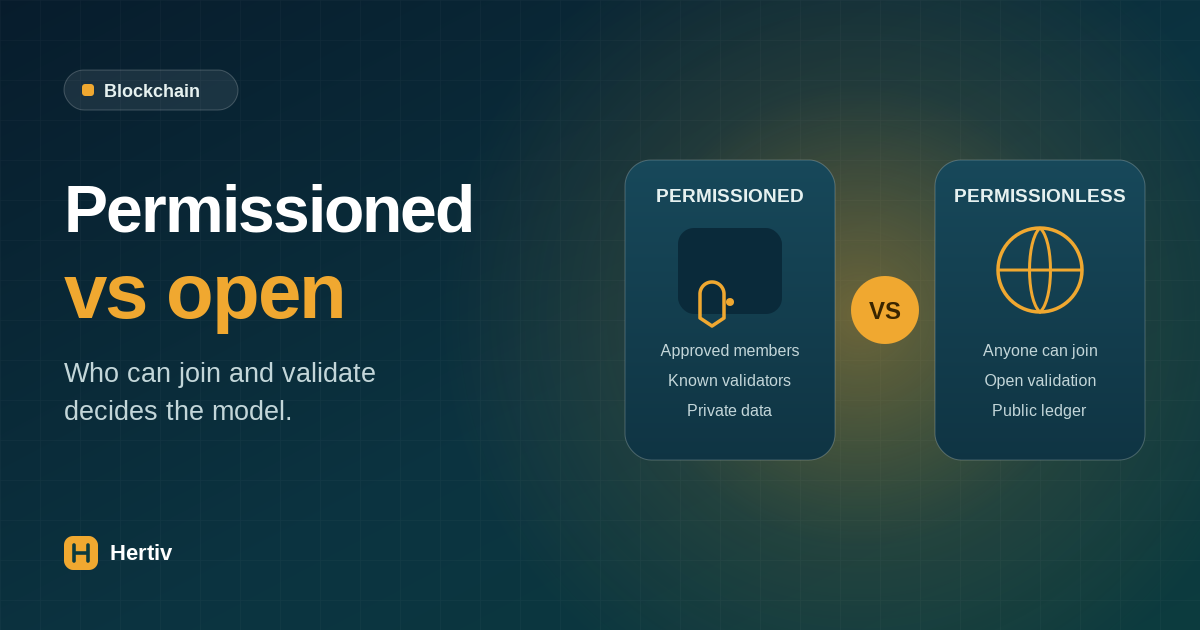
Permissioned blockchains limit who can join and validate; permissionless ones let anyone join. Compare control, speed, trust and cost to pick the right model.
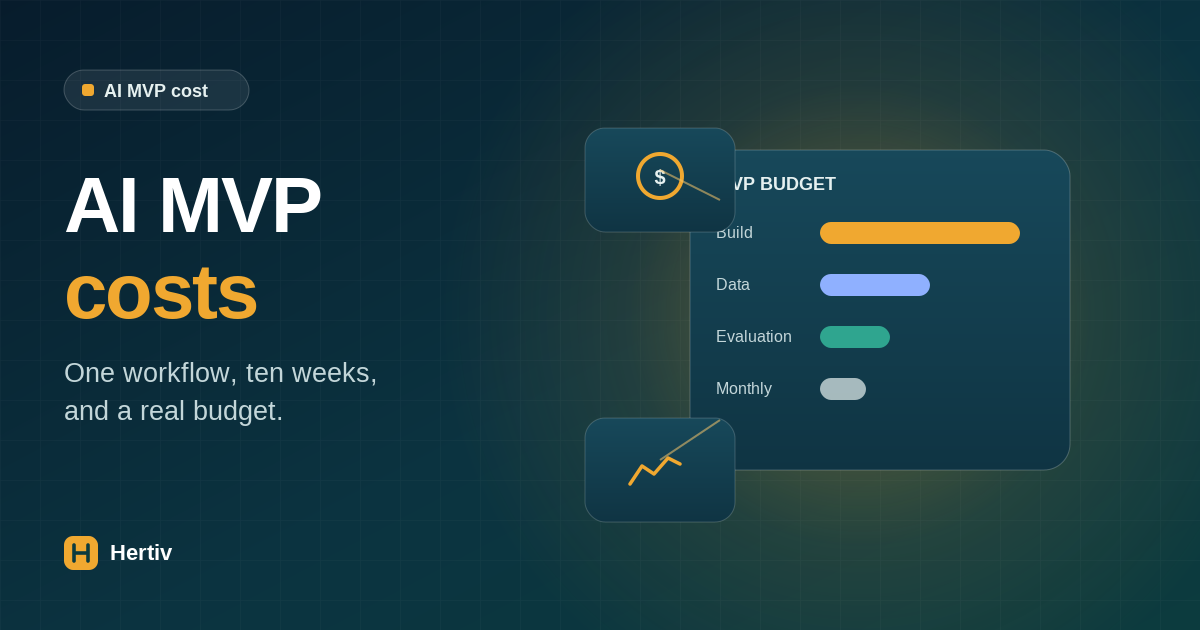
An AI MVP costs far less than a full product, but model calls, data work and evaluation add up. Here is what drives the price and how to plan a realistic budget.
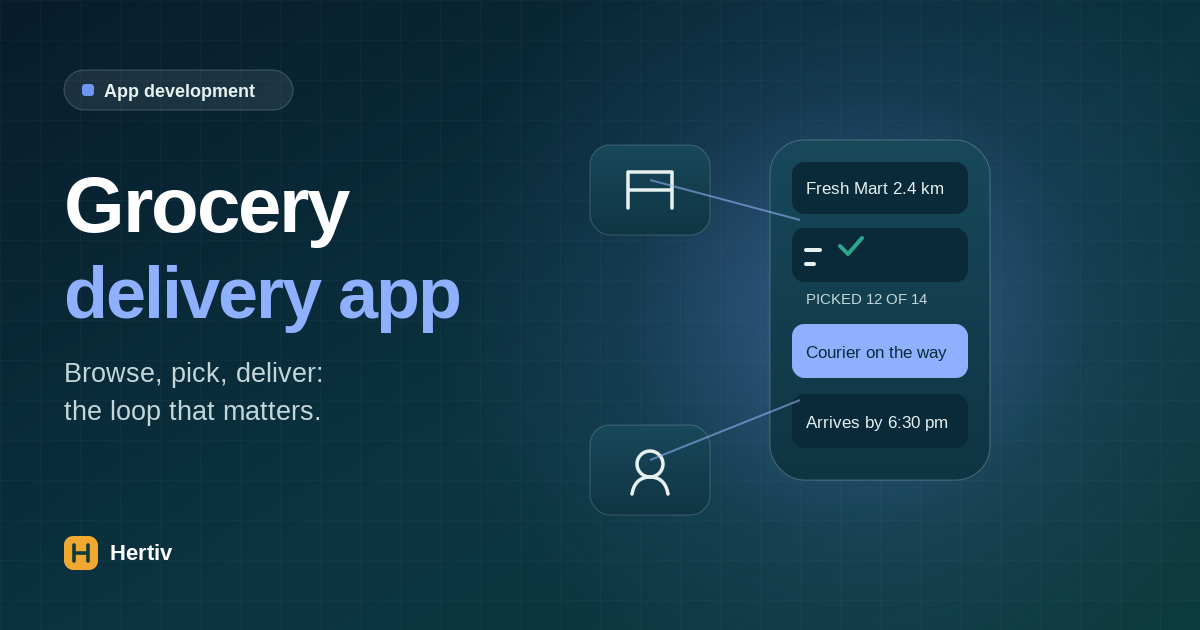
Instashop is a grocery delivery app that connects shoppers with local stores. Here is the feature set, the picker and delivery flow, and what a first version costs.
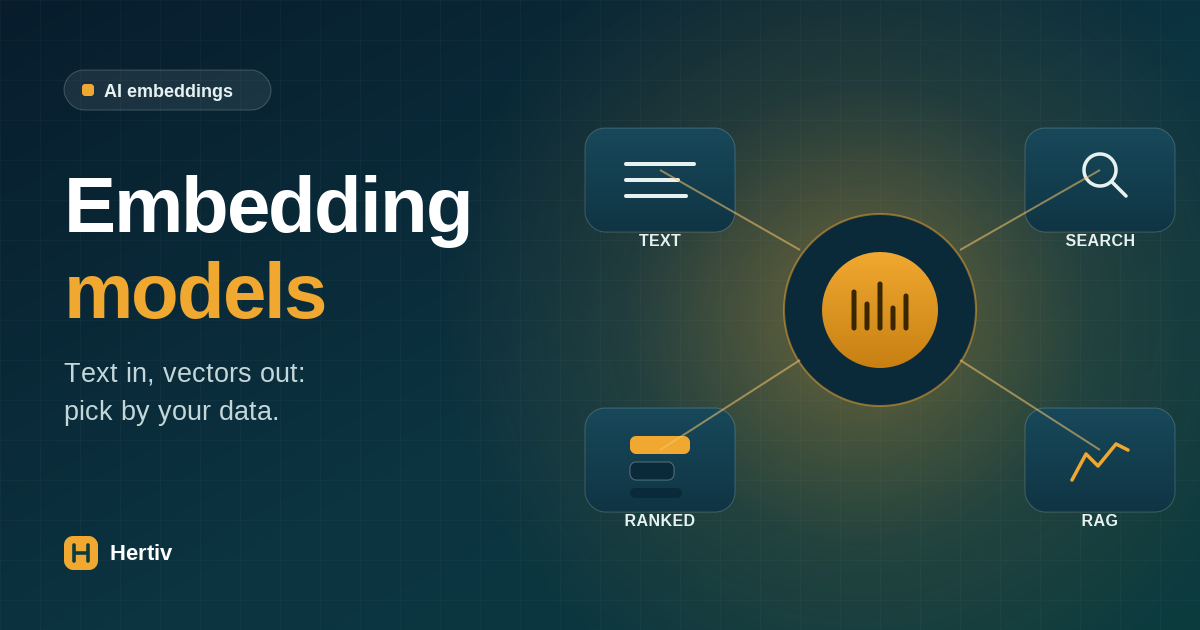
Embedding models turn text into vectors for search, recommendations and RAG. Compare six options for startups on quality, cost and how easily each fits a small team.
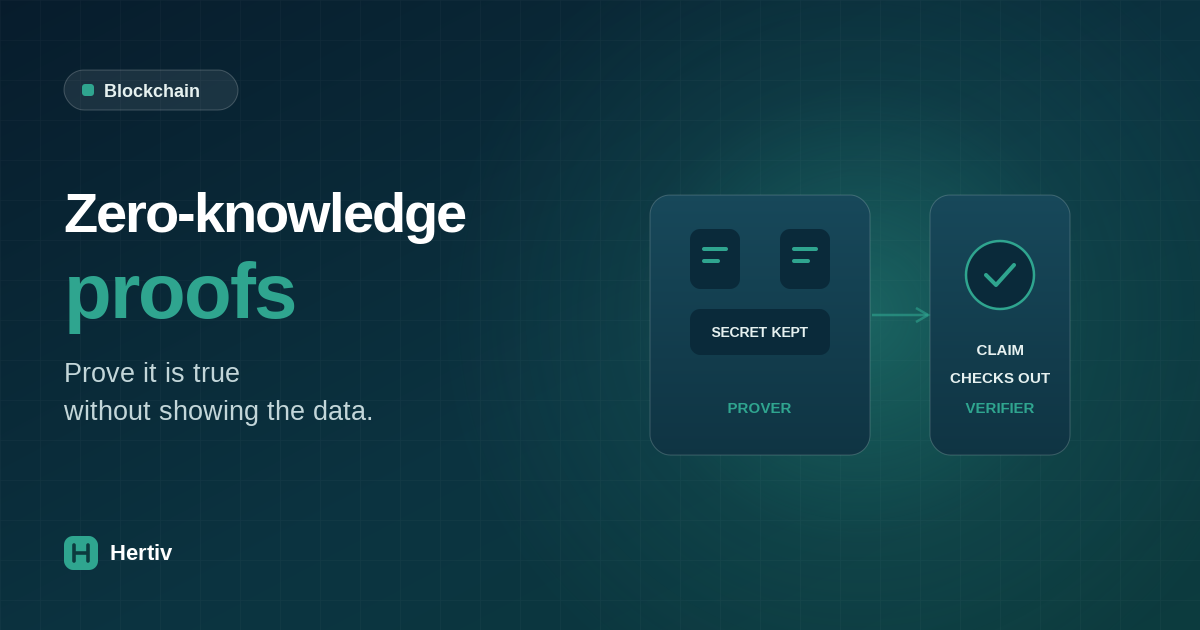
Zero-knowledge proofs let you prove something is true without revealing the details. Here are ten blockchain use cases, from private payments to voting.
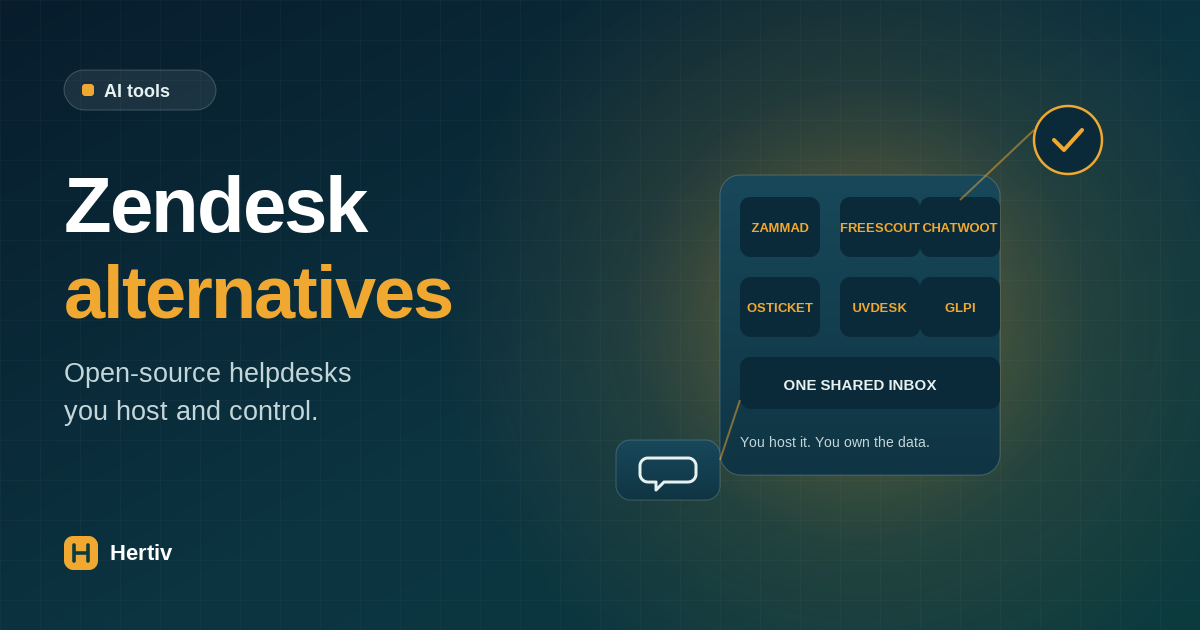
Zendesk is strong, but its AI features and pricing are not for every team. These six open-source helpdesk tools offer automation, chatbots and self-hosting.
A digital twin is a live virtual copy of a real factory, building or machine. Here is how it works inside an enterprise metaverse and where it pays off.
Predictive AI forecasts what will happen from past data; generative AI creates new text, images or code. Here is how they work and when to use each.
An AI parenting app answers questions, tracks growth and plans routines. Here is what drives the cost, what a first version includes, and a planning budget.
NFT startup ideas that solve a real problem: ticketing, membership, gaming assets, music royalties, real estate and phygital goods, with what each one needs to work.
An app like Yuka scans food barcodes and scores products for health. Here is what to build first, how scoring works, and what a first version costs.
The pandemic forced years of digital change into months, and the openings it created are still there. Here is where businesses are still finding room to move.
From Decentraland to VRChat, these ten apps showed what shared virtual worlds could be. Here is what each one pioneered and who it fits today.
No posts on this page match. Use site search (Ctrl K) to search every post.
A senior engineer reads every request and replies within one business day with questions, a rough range, or a call link.