AI
Custom AI Development for B2B: How It Works
Custom AI development for B2B means building an AI system around one company's data and workflows. When it pays, how a project runs, and what to check first.
Guides on AI agents, LLM apps, RAG, evaluation and MCP, written by the engineers who build them.
1909 posts · page 5 of 80
Custom AI development for B2B means building an AI system around one company's data and workflows. When it pays, how a project runs, and what to check first.
Manufacturers can automate spare-parts questions, warranty claims and order updates without losing the personal touch. Here is what to automate first.
A customer support AI agent answers routine questions, checks orders and passes hard cases to people. Learn how it works and how to run one well.
A DAO governance model decides who votes, how much each vote counts and who carries out the result. Here are five models, their trade-offs and how to pick one.
Web crawling tools collect pages at scale so your pipeline always has fresh data. Here are eight tools to compare, from no-code crawlers to open source frameworks.
Good machine learning starts with good data. Here is where training data comes from, how to collect it, and the checks that keep a dataset usable.
A data entry AI agent reads invoices, forms and emails, pulls out the fields that matter and files them in your systems. Here is what it handles and how it works.
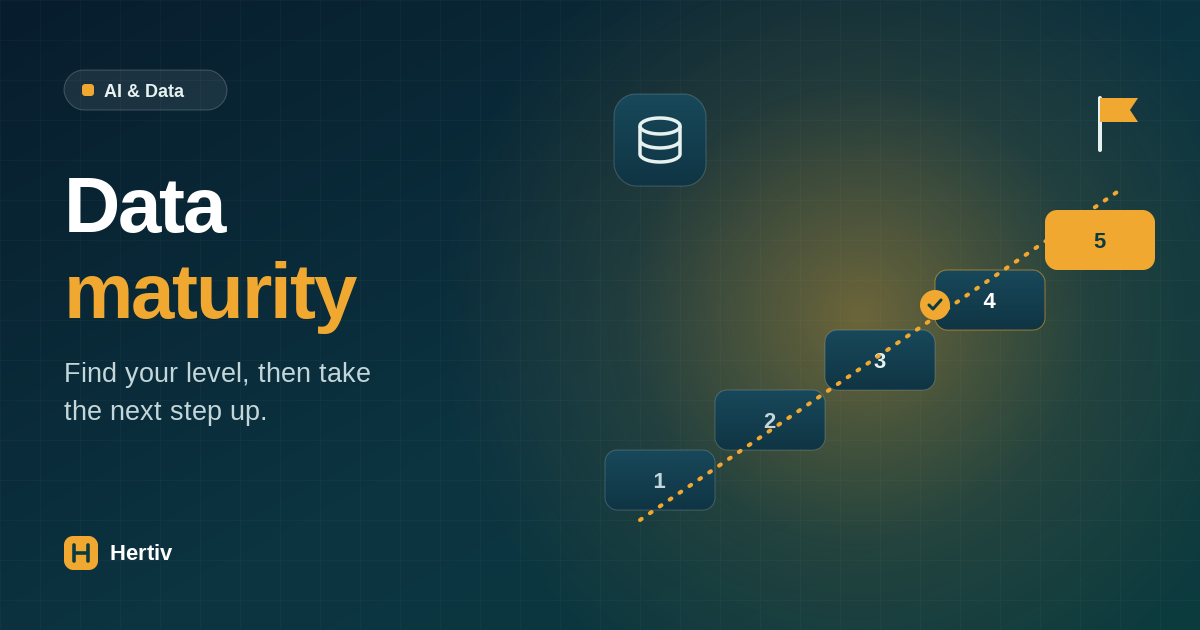
A data maturity model places your team on a scale from ad hoc spreadsheets to data that drives decisions. Use it to find your level and the next step up.
Publishers, artists and platforms are pushing back against AI training on their data, with crawler blocks and lawsuits. Here is what changed for builders.
Software for customizable data models lets you shape tables and fields to fit your business. Eight tools compared, from enterprise suites to free tools.
Data science as a service gives you a data science team on demand, without hiring one. Here is what it covers, what it costs, and when it beats building in-house.
The data science issues that sink most projects are bad data, leakage, overfitting and models that never reach users. Learn how to spot each one early.
A data science laboratory is a small, dedicated team and workspace for testing data ideas before they reach production. Here is what it does and how to set one up.
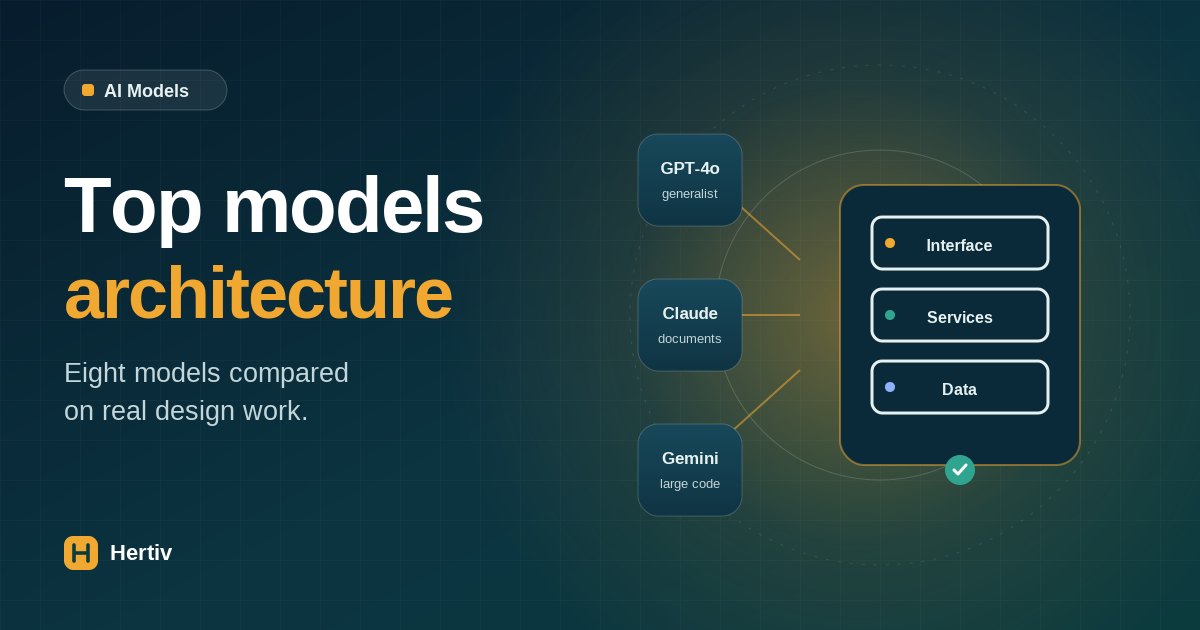
The AI models that help most with software architecture reason about trade-offs, read a large codebase and explain their choices, not just write code fast.
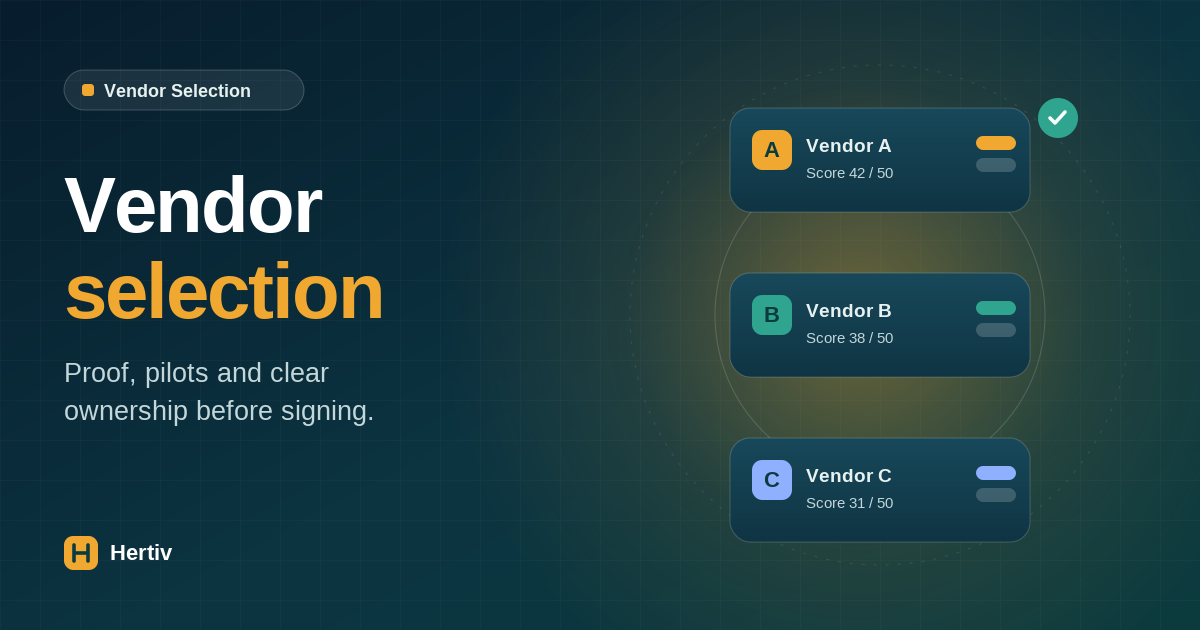
Choosing a data science vendor comes down to proof: check past work in your domain, run a paid pilot on your own data, and agree on ownership first.
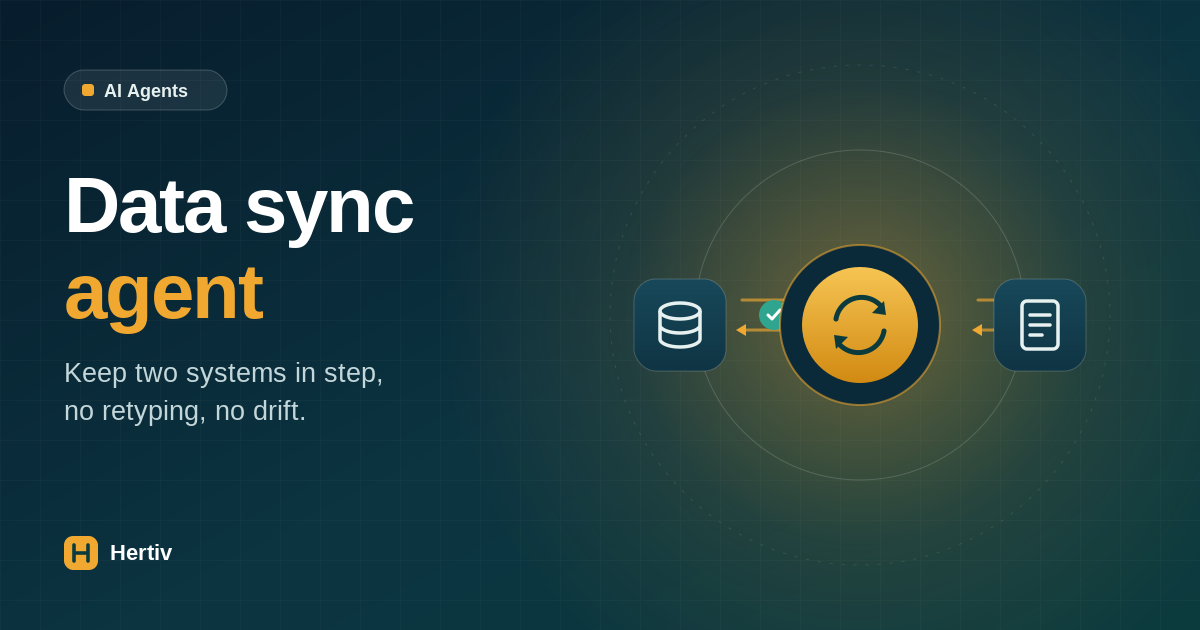
A data sync agent keeps the same records up to date in two systems by watching for changes and copying them across. Here is how it works and how to set one up.
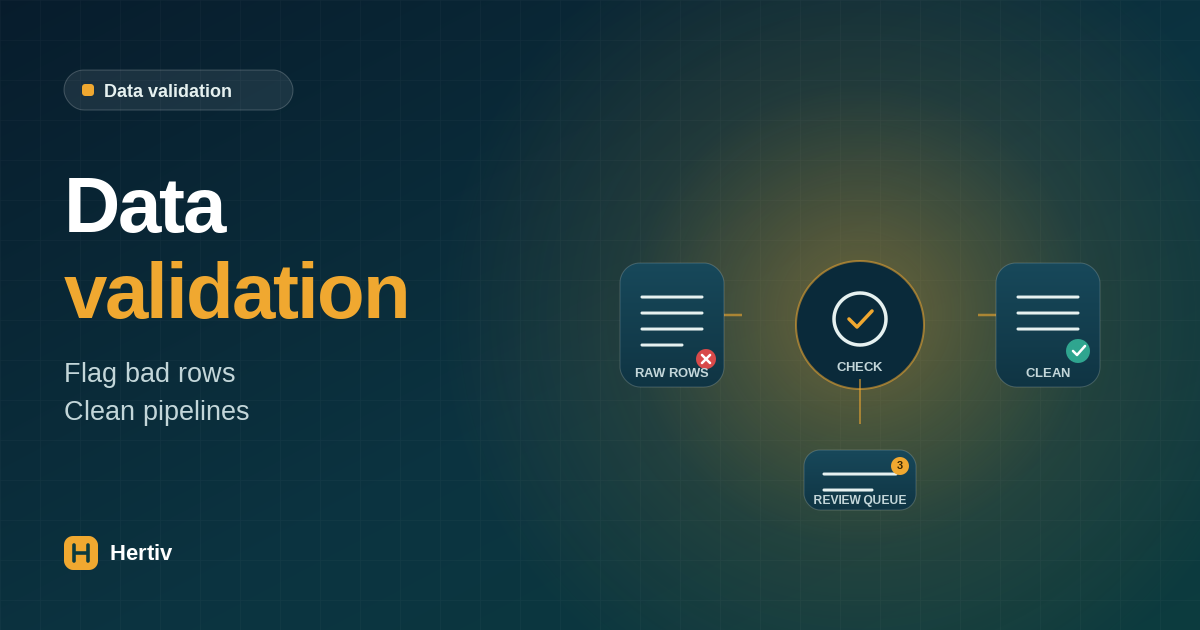
A data validation AI agent watches incoming data, flags what looks wrong, and routes it for review before bad rows reach reports.
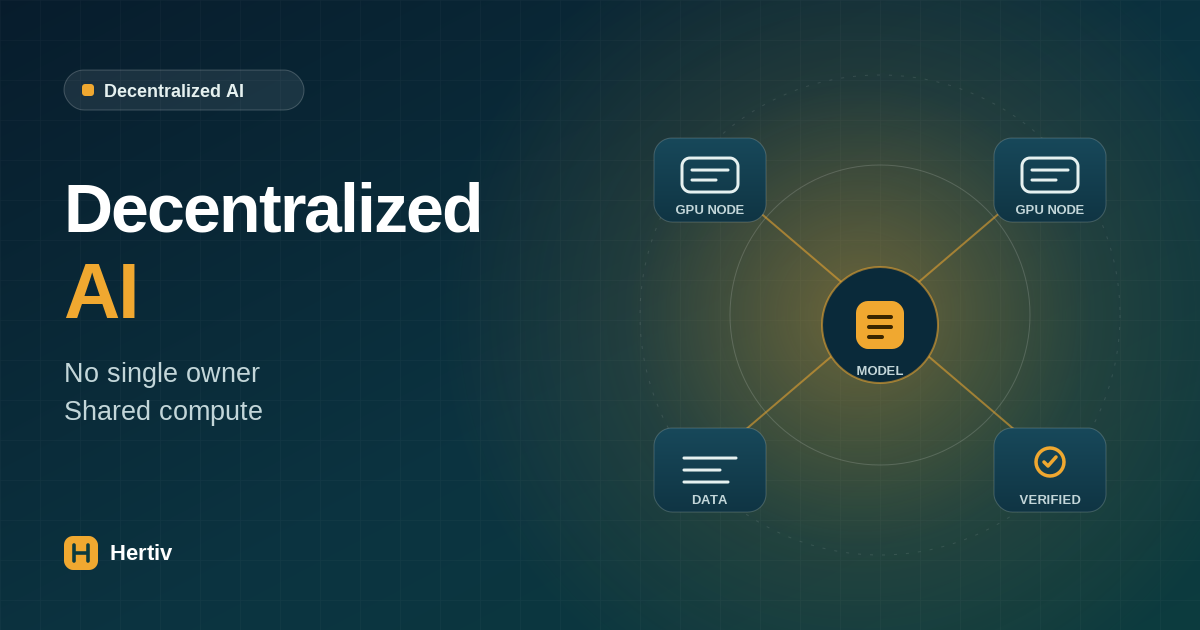
Decentralized AI spreads training and inference across many machines no single company controls. Here is how it works, where it fits, and what to watch for.
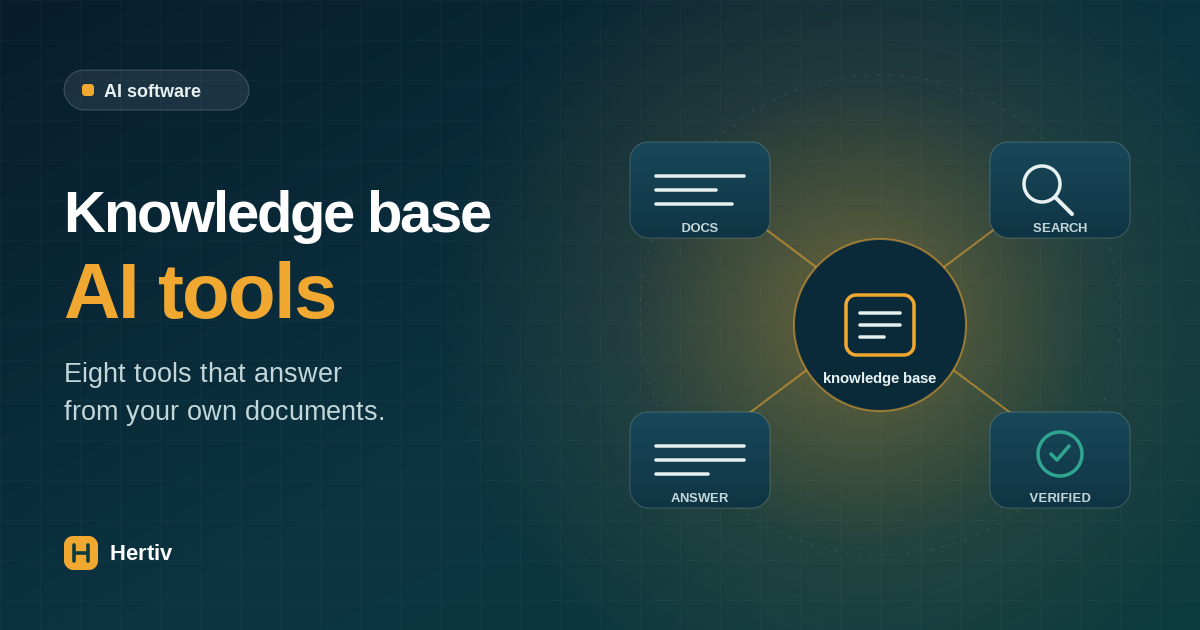
The best knowledge base software with AI automation answers from your own documents, drafts replies and flags stale pages. These eight tools do that job well.
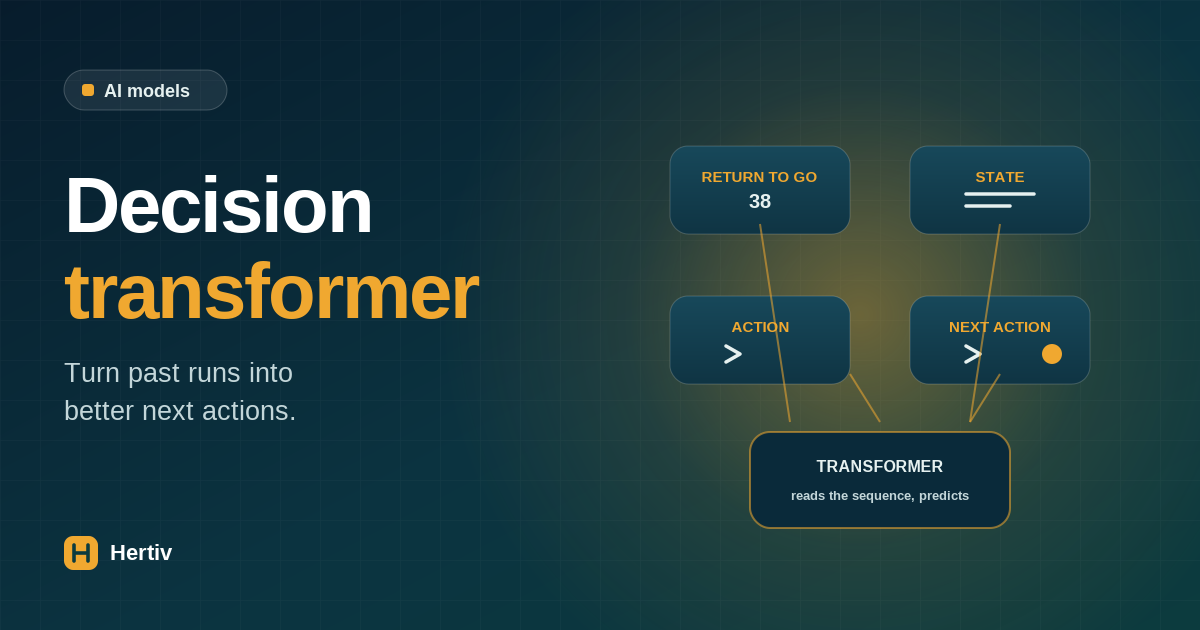
A decision transformer treats reinforcement learning as sequence prediction: it reads past states and a target return, then predicts the next action.
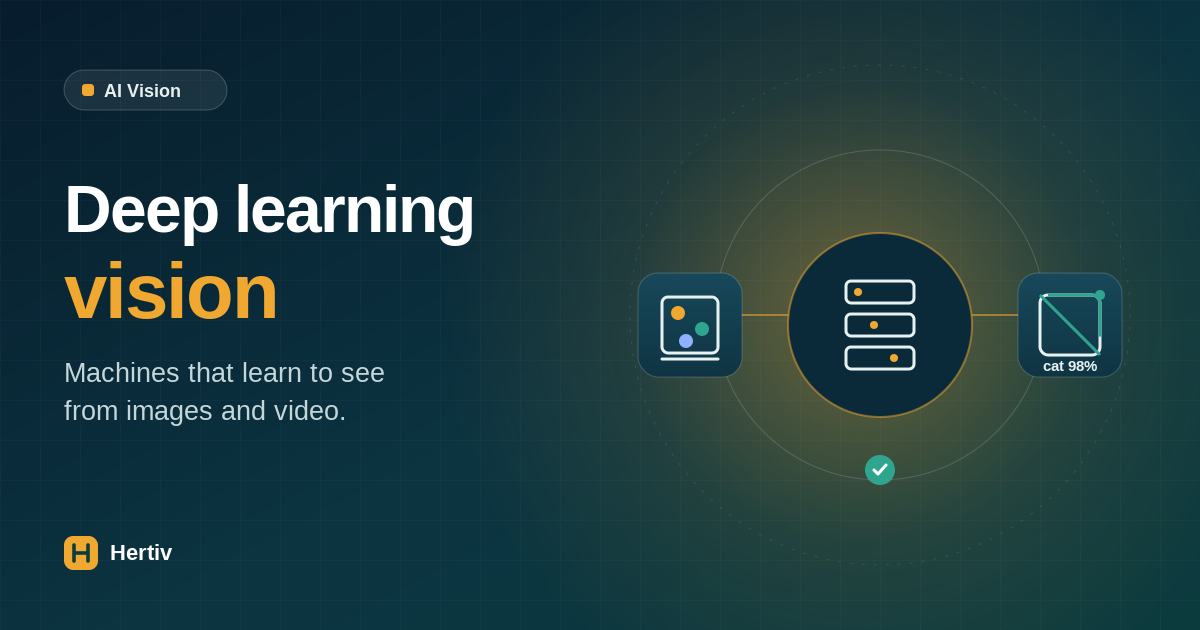
Deep learning lets machines recognise objects, read text and measure what a camera sees. Learn how convolutional networks work and which model fits each task.
A deepfake is AI-made media showing a person saying or doing something they never did. Here is how they are made, and how to check before you trust one.
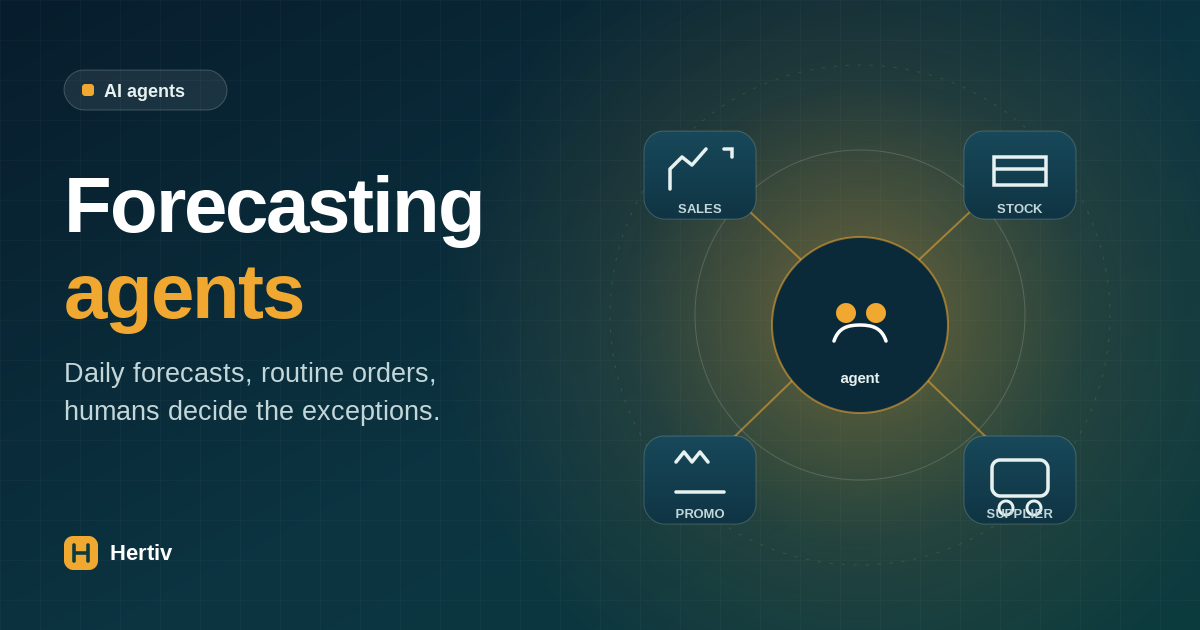
A demand forecasting AI agent watches sales, stock and outside signals, updates its forecast daily and acts on routine cases, leaving exceptions to a human.
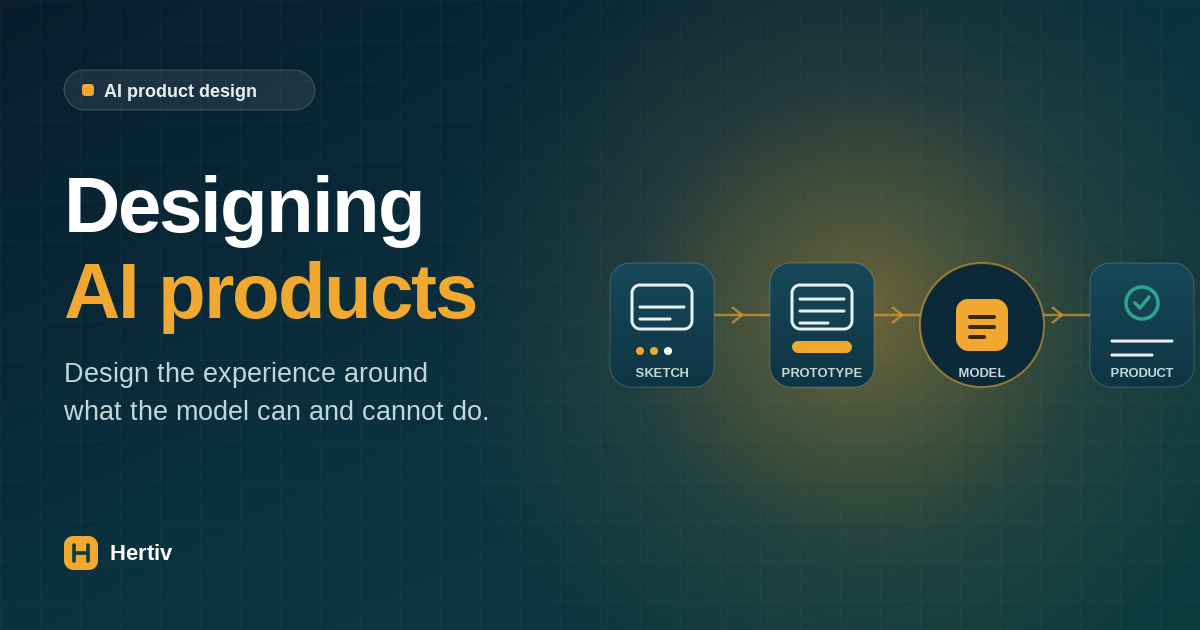
Designing and building an AI product means shaping the experience around what the model can and cannot do, from idea to a product people trust.
No posts on this page match. Use site search (Ctrl K) to search every post.
A senior engineer reads every request and replies within one business day with questions, a rough range, or a call link.