AI
Computer Vision in Ecommerce: What Online Shops Use It For
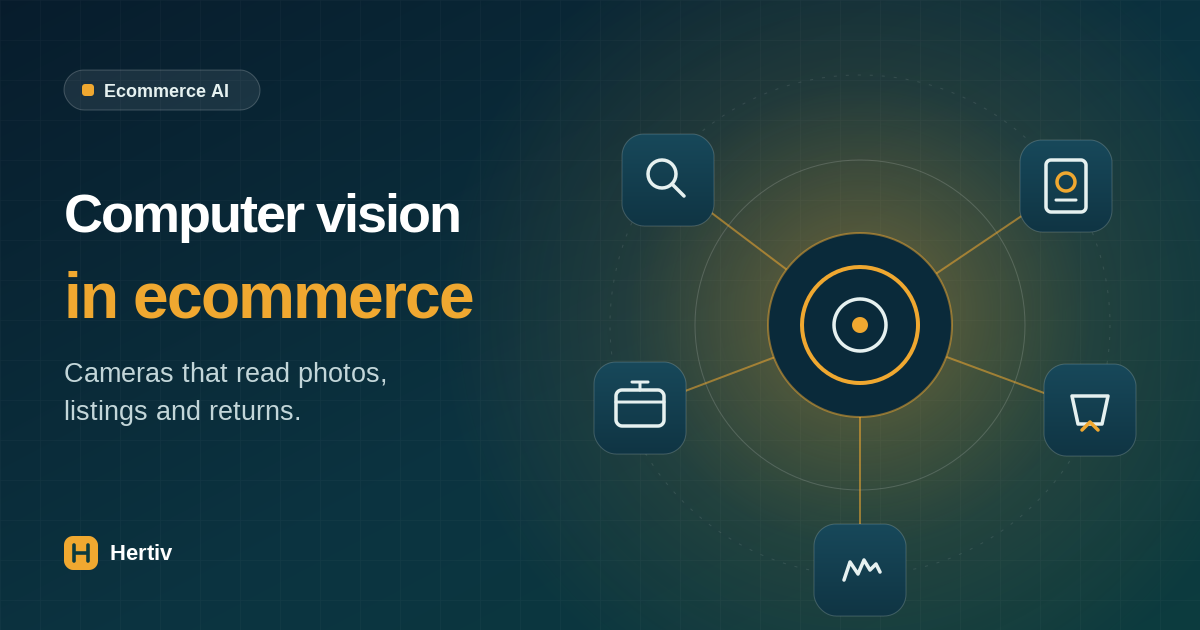
Computer vision in ecommerce reads product photos, labels and returns, so online shops can run visual search, check listings and sort returns faster.
Guides on AI agents, LLM apps, RAG, evaluation and MCP, written by the engineers who build them.
1953 posts · page 22 of 82
Computer vision in ecommerce reads product photos, labels and returns, so online shops can run visual search, check listings and sort returns faster.
Document AI reads invoices, returns forms and customs paperwork so shops can process them faster. Here is what it reads first, and where it helps most.
Scaling an AI product means holding quality, cost and speed while users grow. Here is what breaks first, and how teams keep it working.
Generative AI in ecommerce writes product descriptions, answers shopper questions and drafts marketing copy. Here is where it helps, and what a person must check.
LLMOps is the set of practices that keeps language models reliable as traffic grows. Here is how teams scale models without losing quality or control.
Scrut's LLM-powered app answers plain-language questions about compliance benchmarks, frameworks and audit data, drawing on Scrut's own records.
ChatGPT helps players learn games and plan strategies, and helps studios draft text and answer questions. Here is how to use it well and where it falls short.
AI agents for energy consumption watch how much power a building or factory uses, forecast demand and switch loads off. Here is where they work and what they need.
Sensitive data in AI covers personal, health, financial and biometric records that can identify a person. Here is what counts and how teams handle it.
AI in Australian logistics plans long-haul routes, forecasts seasonal demand and watches cold-chain freight, tuned to long distances, remote sites and busy ports.
Generative AI helps property teams write listings, answer buyers and summarise leases. These eight use cases hold up in production, with what each one needs first.
Computer vision lets schools use cameras to take attendance, watch classes and spot safety risks. Here is where it helps, what it still misses, and how to start.
Document AI reads school paperwork and turns it into structured data staff can search, check and act on. Here is what it reads first, and where it helps most.
Compare eight sentiment analysis platforms — from social listening suites to NLP APIs — on what they read, how they score tone, and which team each one fits best.
Machine learning in logistics forecasts demand, plans routes and flags delays early. These eight use cases show where it pays off and what each one needs.
Predictive analytics in banking forecasts loan defaults, fraud, churn and cash demand from past data. Here is where banks use it and where human review matters.
ChatGPT helps sports teams draft match previews, answer fan questions and summarise scouting notes — but scores, stats and quotes still need a human check first.
AI chatbots in education answer admissions, timetable and fee questions for students and parents. Here is what they do well and how a school rolls one out.
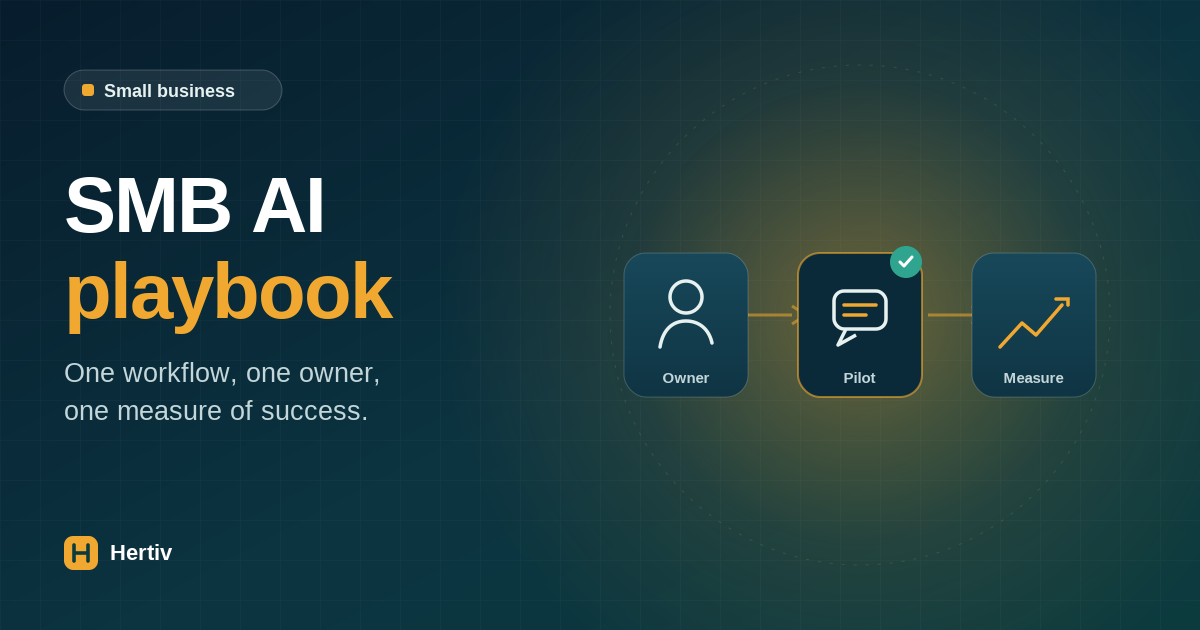
An SMB AI playbook picks one workflow, one owner and one measure of success before any tool is bought. Here is where AI pays off first.
AI voice agents in banking answer customer calls, check identity, read live account data and complete routine tasks such as balance checks and card replacements.
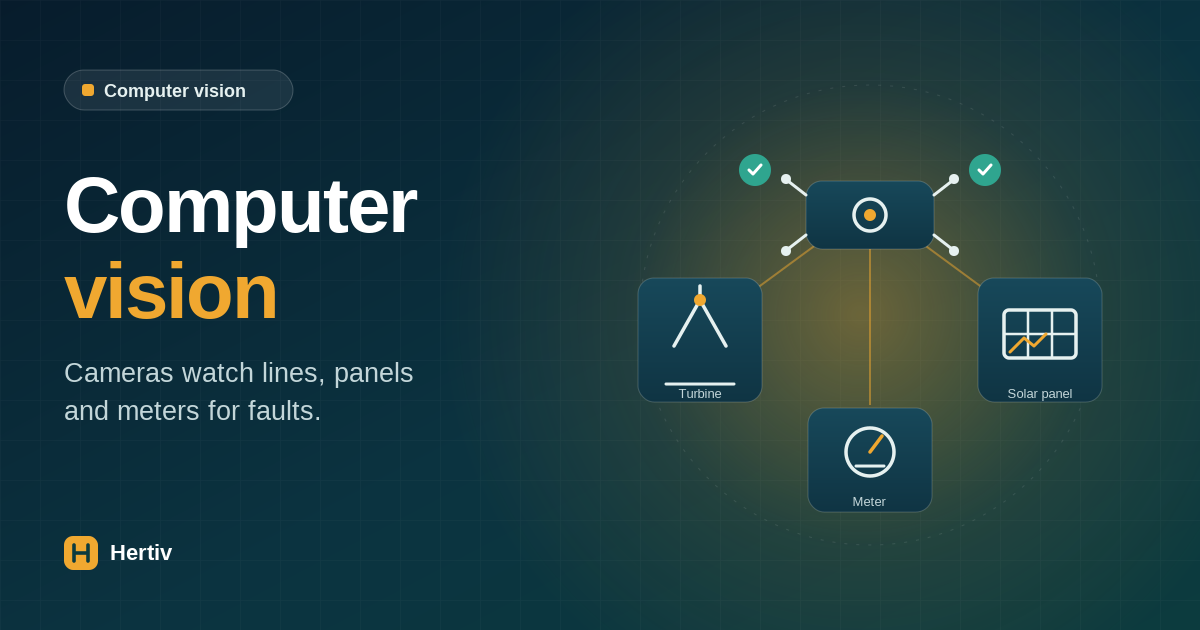
Computer vision in energy watches lines, panels, turbines and meters through cameras and drones, flagging faults and safety risks before a person spots them.
A social distancing alert system uses cameras and computer vision to measure the space between people and warn staff when crowds get too close.
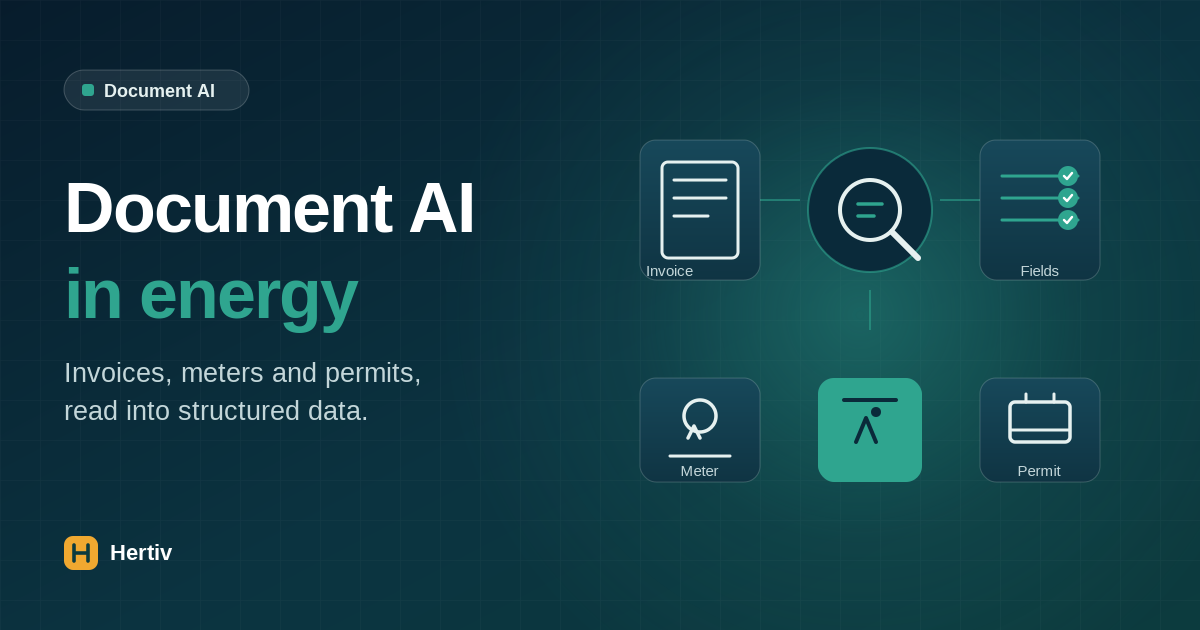
Document AI reads the invoices, permits, meter readings and inspection reports energy teams handle by hand, and turns them into structured data systems can use.
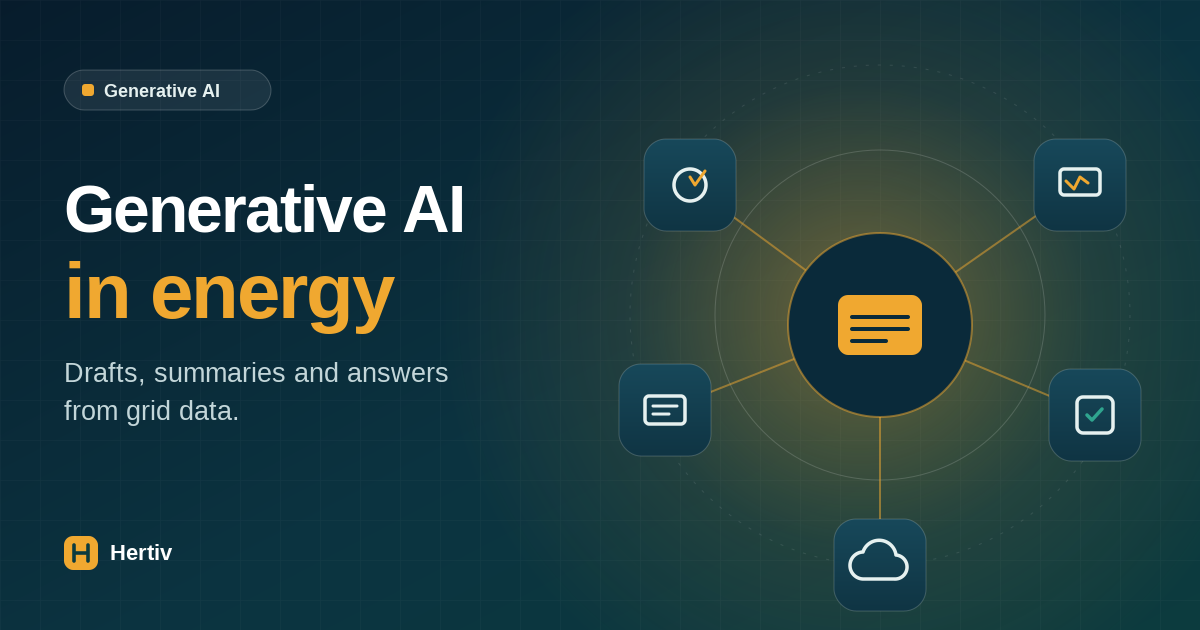
Generative AI in energy drafts reports, answers customer questions and summarises grid data, so engineers spend less time on paperwork and more on the network.
No posts on this page match. Use site search (Ctrl K) to search every post.
A senior engineer reads every request and replies within one business day with questions, a rough range, or a call link.