AI
Collecting Data for Machine Learning: Sources and Quality
Good machine learning starts with good data. Here is where training data comes from, how to collect it, and the checks that keep a dataset usable.
Page 7 of 222.
5306 posts · page 7 of 222
Good machine learning starts with good data. Here is where training data comes from, how to collect it, and the checks that keep a dataset usable.
A data entry AI agent reads invoices, forms and emails, pulls out the fields that matter and files them in your systems. Here is what it handles and how it works.
Crypto custody best practices keep assets safe: key ceremonies, cold storage, dual approval, withdrawal limits and audit trails. Here is how each control works.
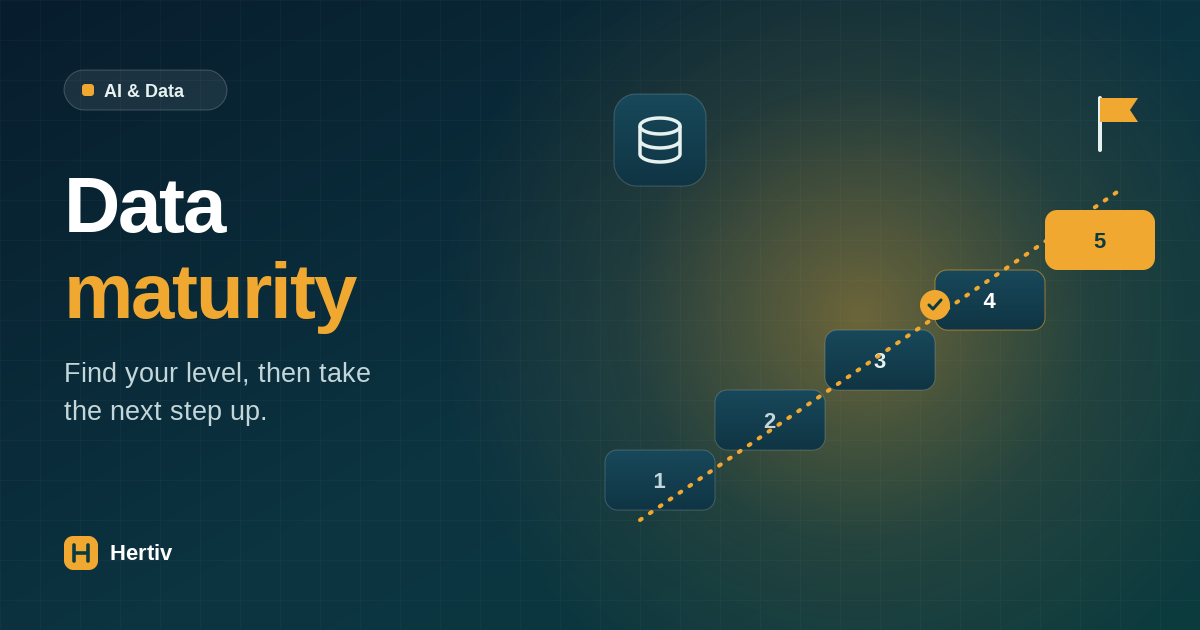
A data maturity model places your team on a scale from ad hoc spreadsheets to data that drives decisions. Use it to find your level and the next step up.
A crypto exchange is a matching engine, wallets, a risk engine and data feeds working as one system. Here is how each part fits and where the trade-offs sit.
Publishers, artists and platforms are pushing back against AI training on their data, with crawler blocks and lawsuits. Here is what changed for builders.
Software for customizable data models lets you shape tables and fields to fit your business. Eight tools compared, from enterprise suites to free tools.
Data science as a service gives you a data science team on demand, without hiring one. Here is what it covers, what it costs, and when it beats building in-house.
A crypto exchange compliance playbook turns licensing, KYC, AML, the travel rule and audits into daily routines. Learn what to run, when, and who owns it.
The data science issues that sink most projects are bad data, leakage, overfitting and models that never reach users. Learn how to spot each one early.
A data science laboratory is a small, dedicated team and workspace for testing data ideas before they reach production. Here is what it does and how to set one up.
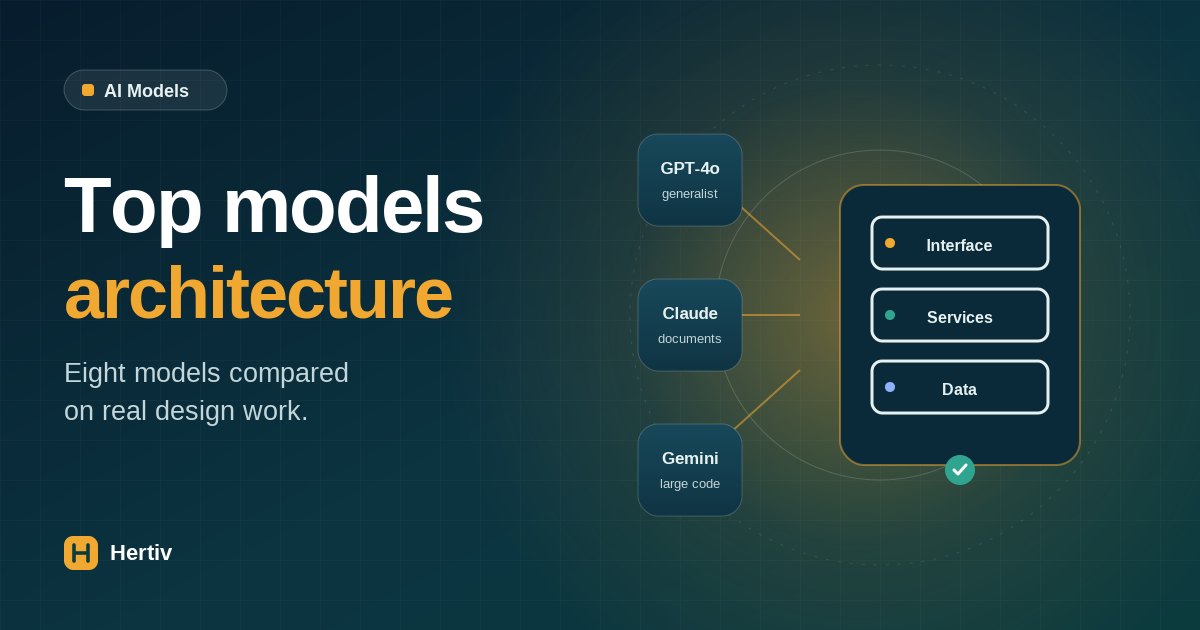
The AI models that help most with software architecture reason about trade-offs, read a large codebase and explain their choices, not just write code fast.
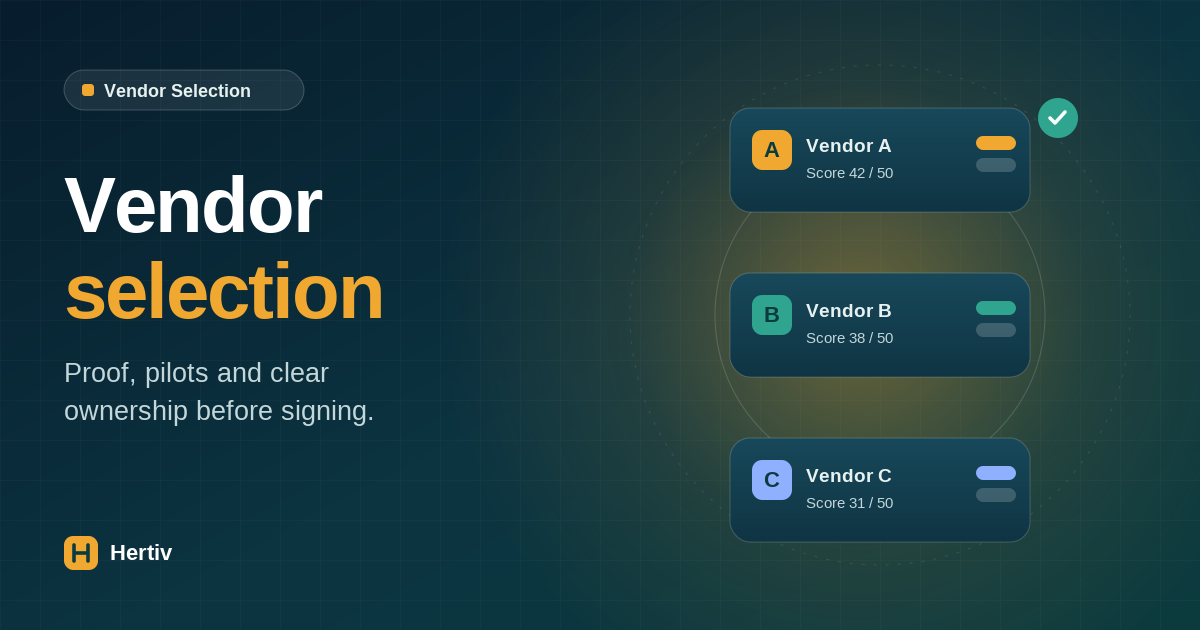
Choosing a data science vendor comes down to proof: check past work in your domain, run a paid pilot on your own data, and agree on ownership first.
A data sync agent keeps the same records up to date in two systems by watching for changes and copying them across. Here is how it works and how to set one up.
A data validation AI agent watches incoming data, flags what looks wrong, and routes it for review before bad rows reach reports.
Good dApps fail less often because their teams plan the contract, the keys and the upgrade path before launch. These practices cover the decisions that matter most.
Decentralized AI spreads training and inference across many machines no single company controls. Here is how it works, where it fits, and what to watch for.
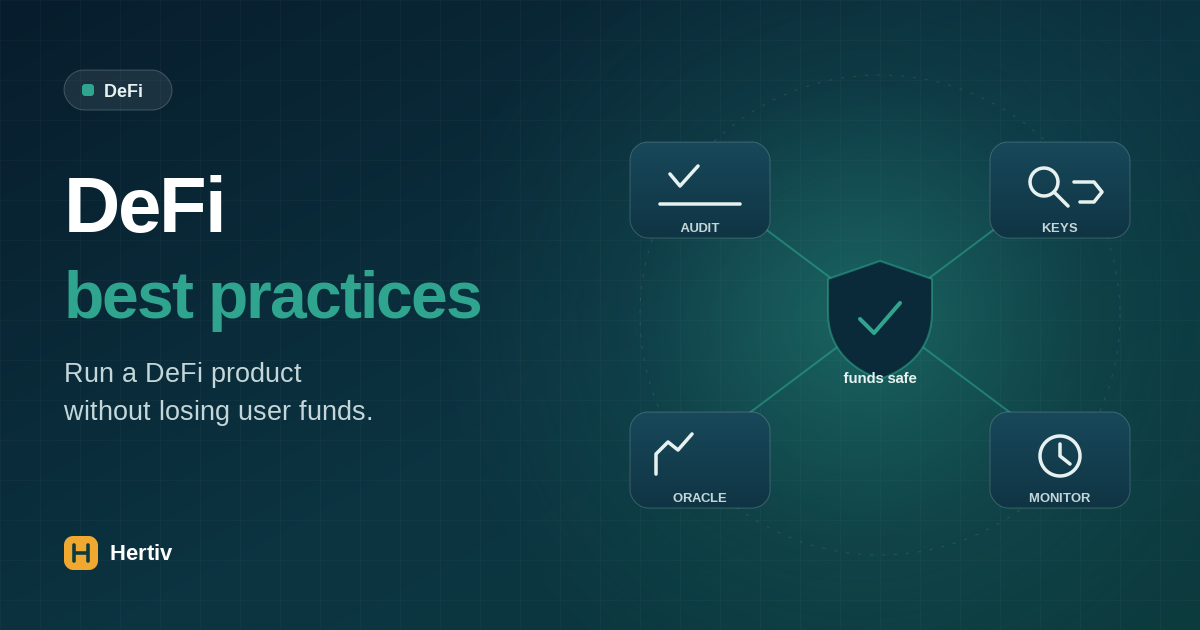
Running a DeFi product well means audited contracts, guarded keys, honest price feeds and limits that hold when the market moves.
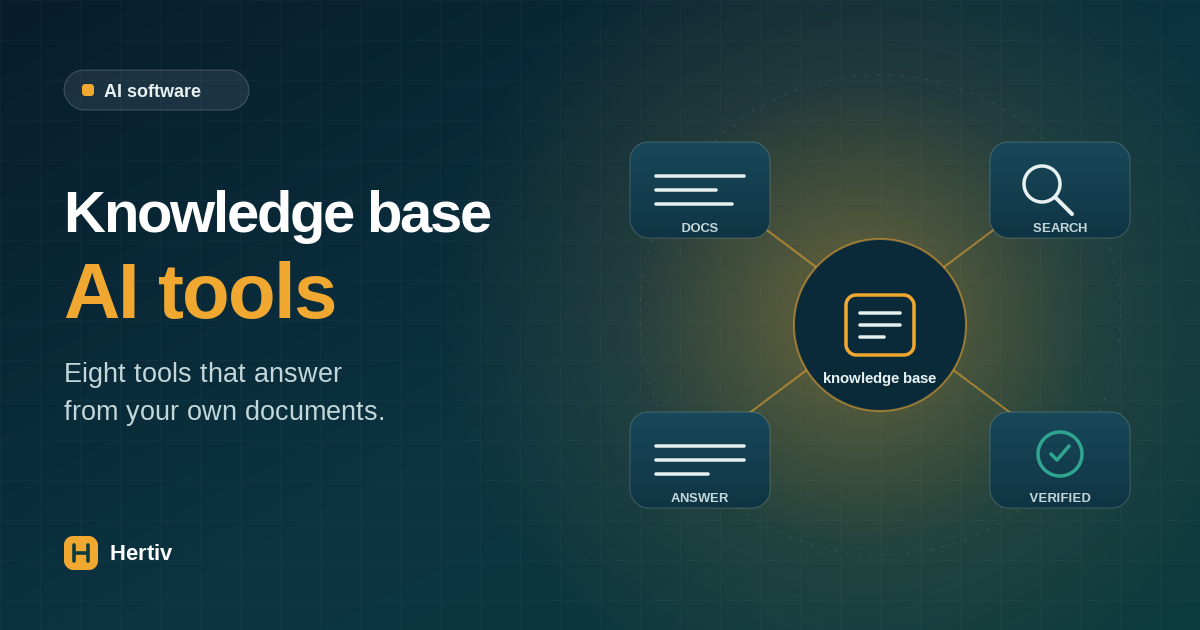
The best knowledge base software with AI automation answers from your own documents, drafts replies and flags stale pages. These eight tools do that job well.
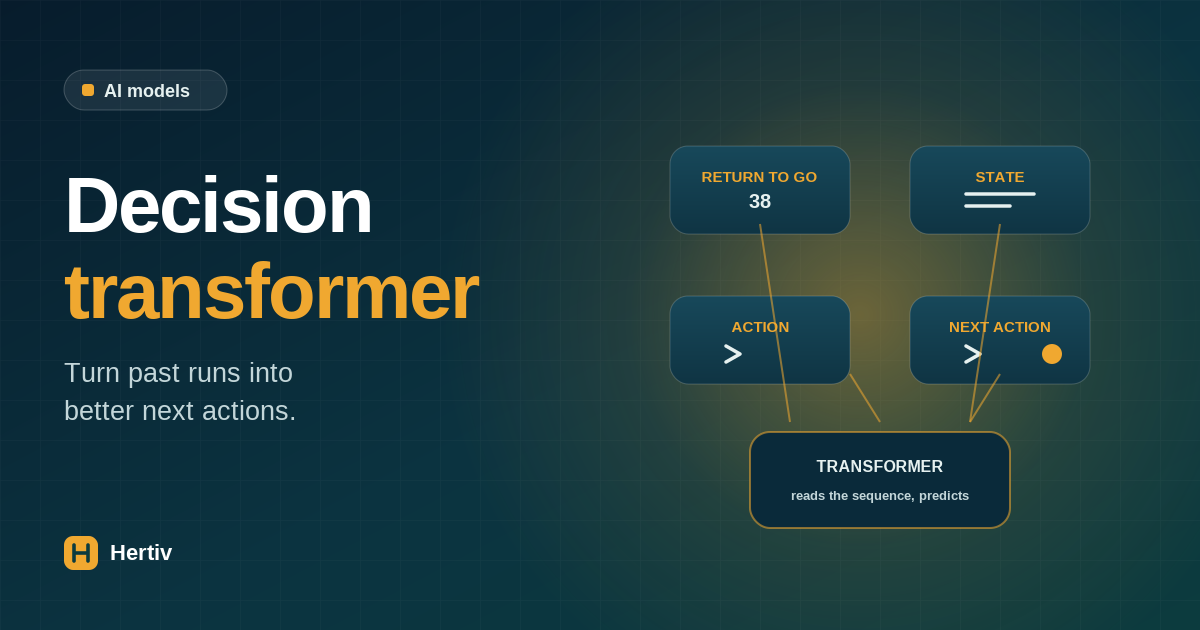
A decision transformer treats reinforcement learning as sequence prediction: it reads past states and a target return, then predicts the next action.
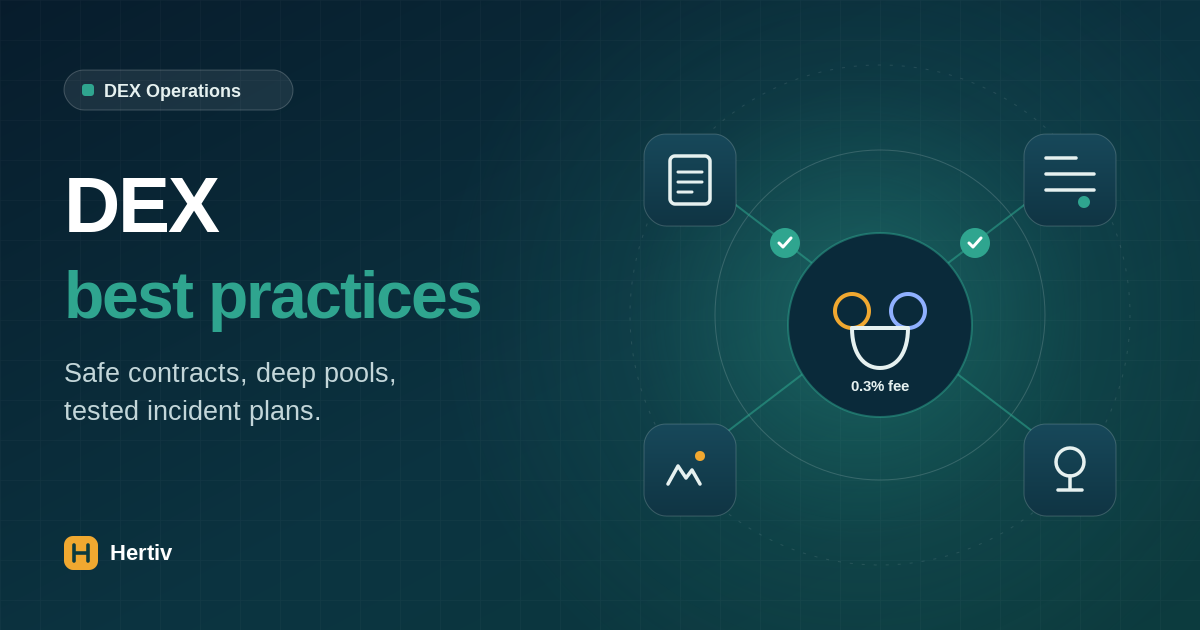
A DEX holds user funds in code, so safe operation matters more than features. Learn the audit, key, liquidity, fee and incident practices that keep it running.
Deep learning lets machines recognise objects, read text and measure what a camera sees. Learn how convolutional networks work and which model fits each task.
A deepfake is AI-made media showing a person saying or doing something they never did. Here is how they are made, and how to check before you trust one.
Running an enterprise blockchain well means keeping a shared network reliable, secure and fair for every member after launch. These practices keep it running.
No posts on this page match. Use site search (Ctrl K) to search every post.
A senior engineer reads every request and replies within one business day with questions, a rough range, or a call link.