AI
OpenAI Use Cases for Business: Where It Fits Best
OpenAI models can draft, summarise, answer and code, but they fit some business tasks far better than others. See where they add value and where to be careful.
Page 177 of 226.
5424 posts · page 177 of 226
OpenAI models can draft, summarise, answer and code, but they fit some business tasks far better than others. See where they add value and where to be careful.
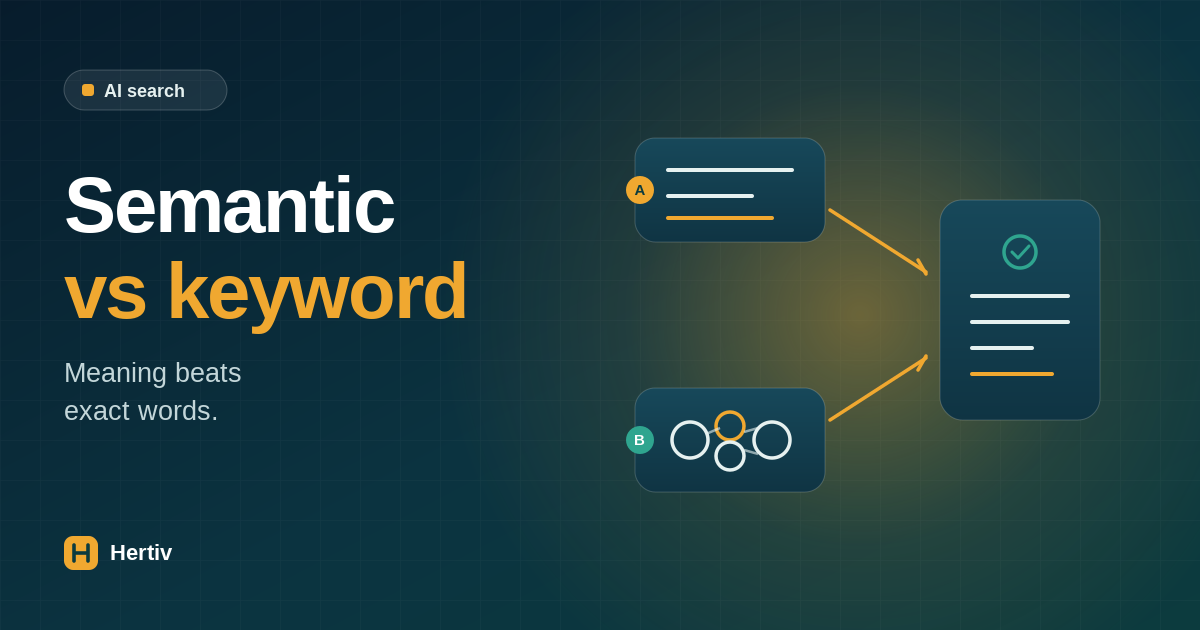
Keyword search matches exact words; semantic search matches meaning. Compare accuracy, cost and setup to see which fits your product's search box.
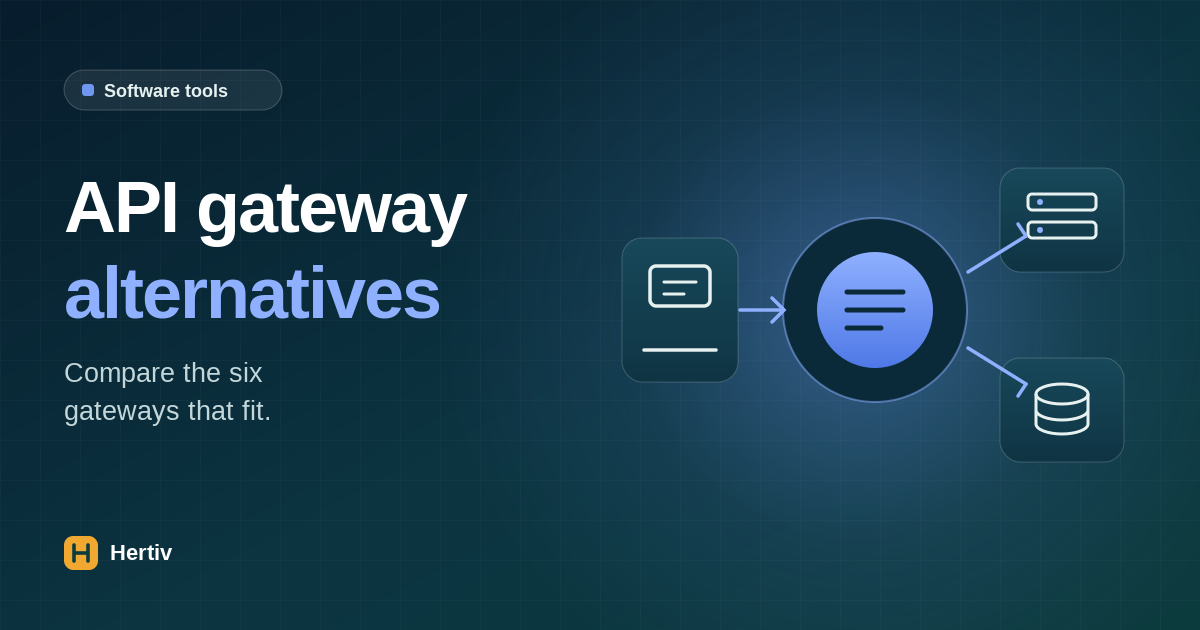
An API gateway routes, secures and monitors traffic to your services. Compare Kong, Apigee, AWS, Azure, Tyk and Traefik on deployment, cost and fit.
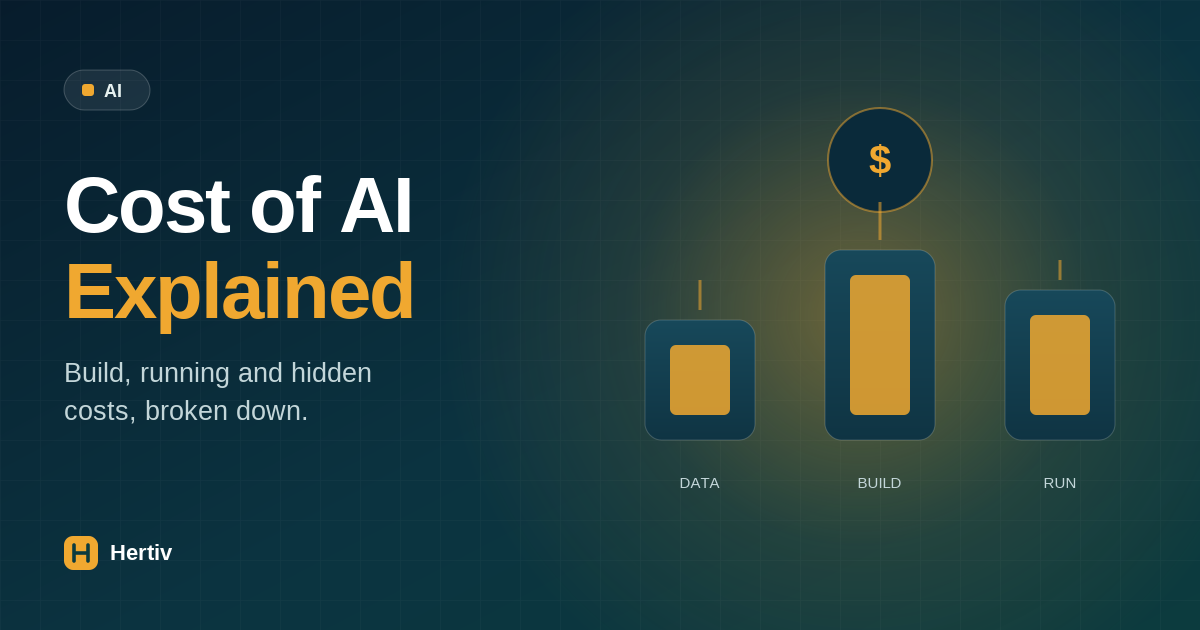
The cost of implementing AI depends on the use case, the data, the build route and the team. This guide breaks down the cost areas and the running costs.
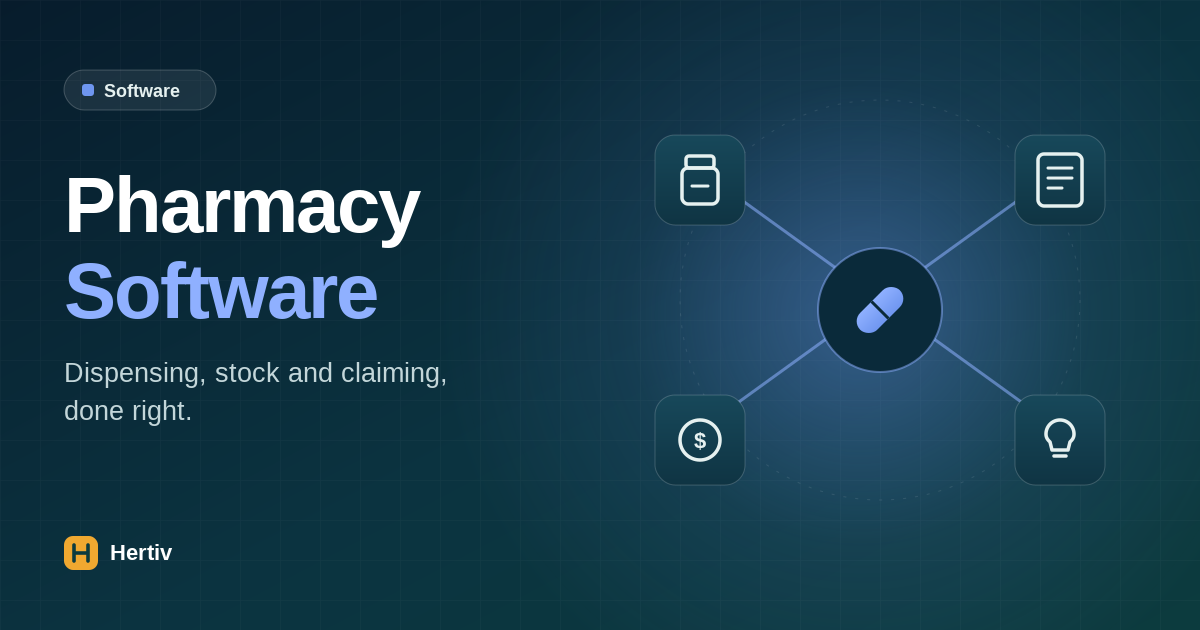
Pharmacy software in Australia must handle dispensing, stock, patient records and claiming under local privacy and medicines rules. This guide covers the build.
Smart contract startups work best where an agreement already moves money between parties who do not fully trust each other. Here are six ideas that fit that test.
Creating your own blockchain means choosing a purpose, a consensus method and a build approach. This guide walks through the six decisions, from purpose to launch.
Sentiment analysis reads text and classifies the attitude behind it as positive, negative or neutral. Learn how it works, where it helps and where it fails.
An outside blockchain team can get a startup to market faster than hiring in-house. Learn when it works, how to vet a partner and what to put in the contract.
Crypto-friendly means clear rules, working licences and fair tax treatment. Compare countries: Switzerland, Singapore, the UAE, Portugal, El Salvador and Malta.
Serverless runs code on demand; containers run packaged apps on servers you manage. Compare costs, scaling and limits to pick the right fit.
A healthcare chatbot costs more than a general chatbot because of medical accuracy, privacy rules and clinical review. Learn what drives the cost.
Crypto payment gateways are changing fast, from stablecoin settlement to AI fraud checks. Here are eleven trends shaping how businesses accept crypto payments.
Building an EdTech app for Australia means matching local curriculum, privacy rules and classroom habits. This guide covers the first version and the rules.
A small language model is a compact AI model that runs on modest hardware and handles focused tasks. Learn how it differs from a large model and when to pick it.
MCP clients connect your AI tools to data and services. Compare six clients startups use, what each does well, and how to pick the right one.
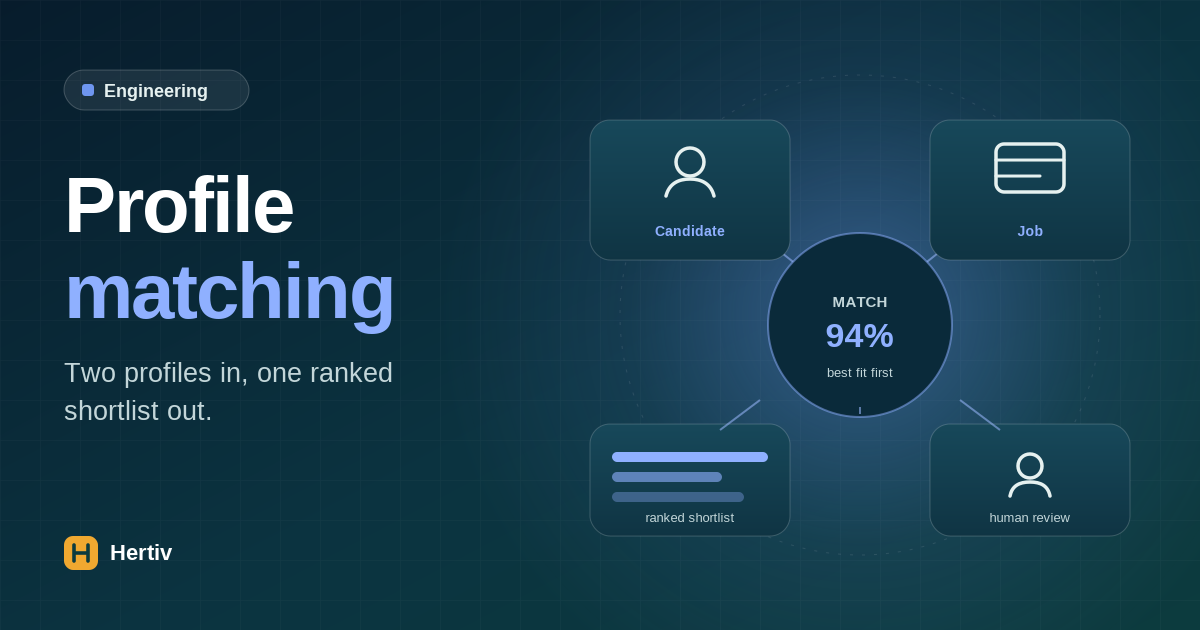
Profile matching software compares two sets of profiles, such as candidates and jobs, and ranks the best fits. It saves the hours spent reading profiles by hand.
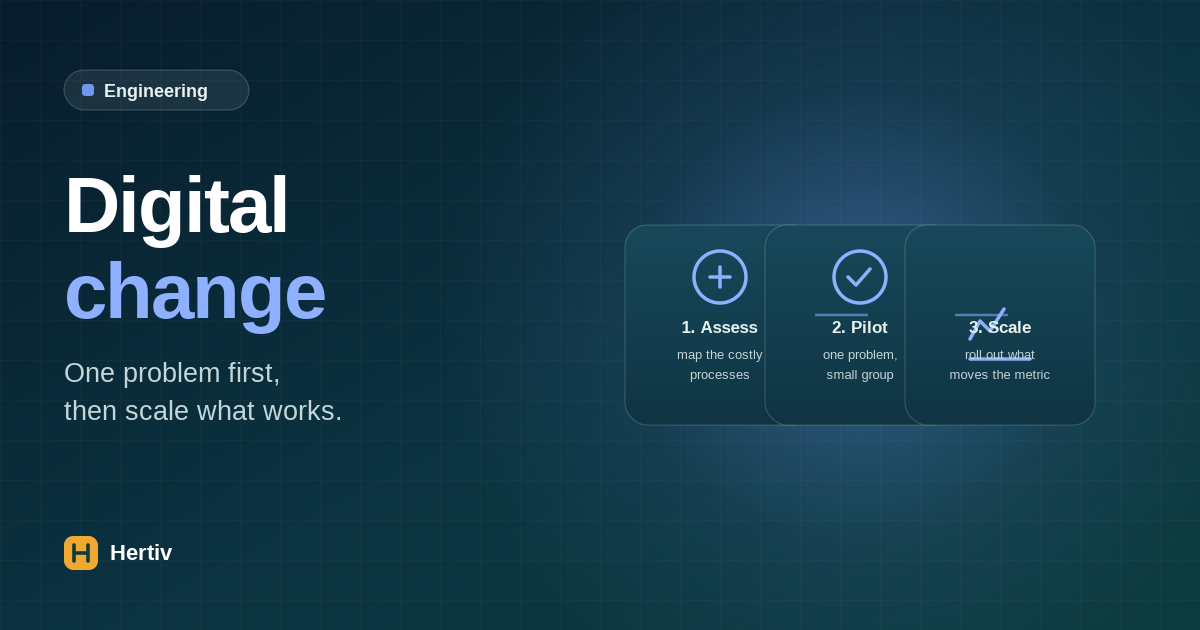
A digital transformation strategy ties technology change to business results, not a shopping list of tools. The ones that work start from one costly problem.
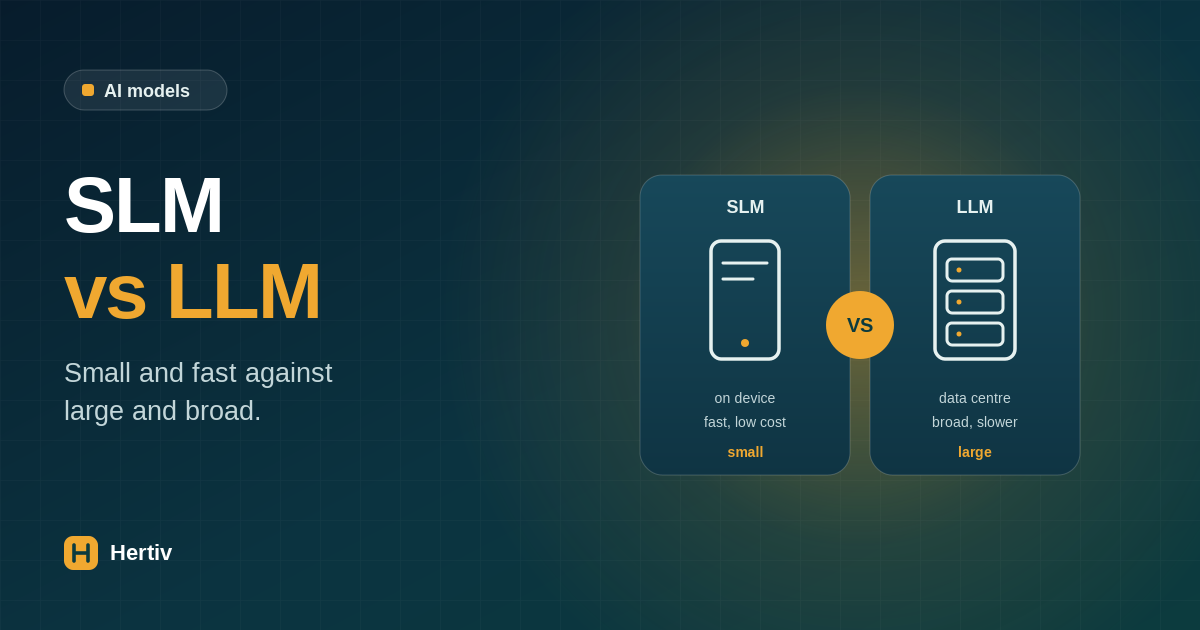
A small language model is far smaller and cheaper than a large one, but it handles a narrower range of tasks. Pick by what your product asks it to do.
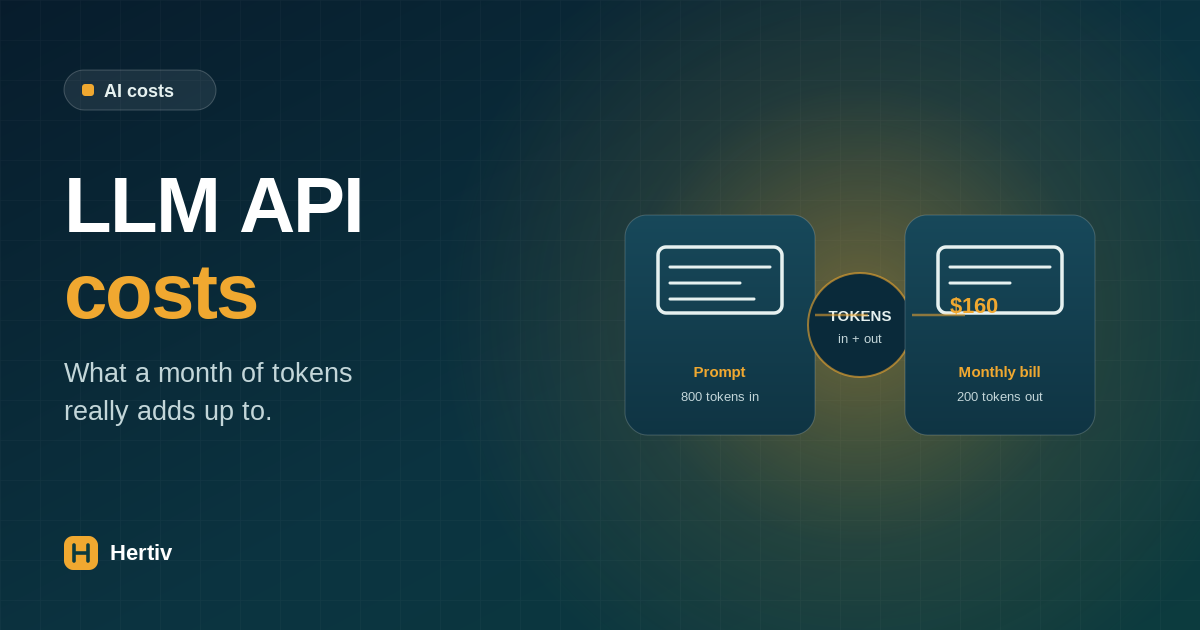
An LLM API bill is driven by tokens: how many requests you make, how long the prompts are and which model you call. Here is how to estimate it.
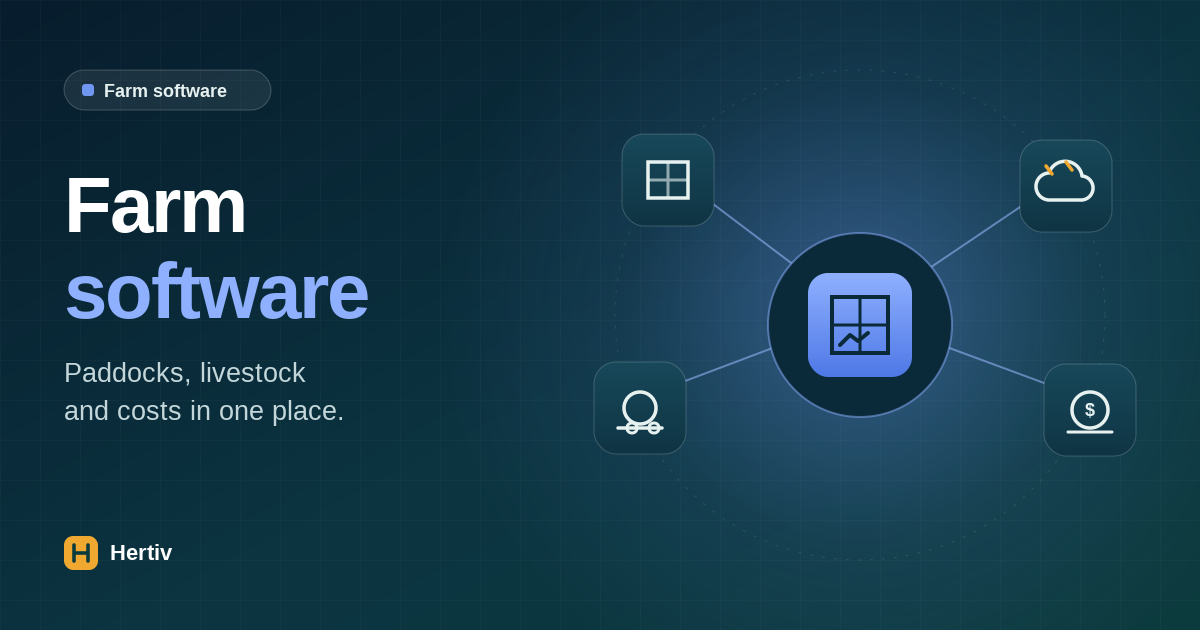
Farm management software must work offline, track paddocks and livestock, and export figures for tax. Learn the features, rules, steps and costs.
Azure DevOps is not the right fit for every team. Compare 6 alternatives, from GitHub Actions to Harness, and learn how to pick the one that fits.
Speech recognition turns spoken words into written text. Learn the four stages, what affects accuracy, where it is used, and how to choose a system.
Programming software is the set of tools used to write, test and run code: editors, IDEs, compilers, debuggers and version control. Learn its types and how to pick.
No posts on this page match. Use site search (Ctrl K) to search every post.
A senior engineer reads every request and replies within one business day with questions, a rough range, or a call link.