AI
Fraud Detection Using Machine Learning: How It Works
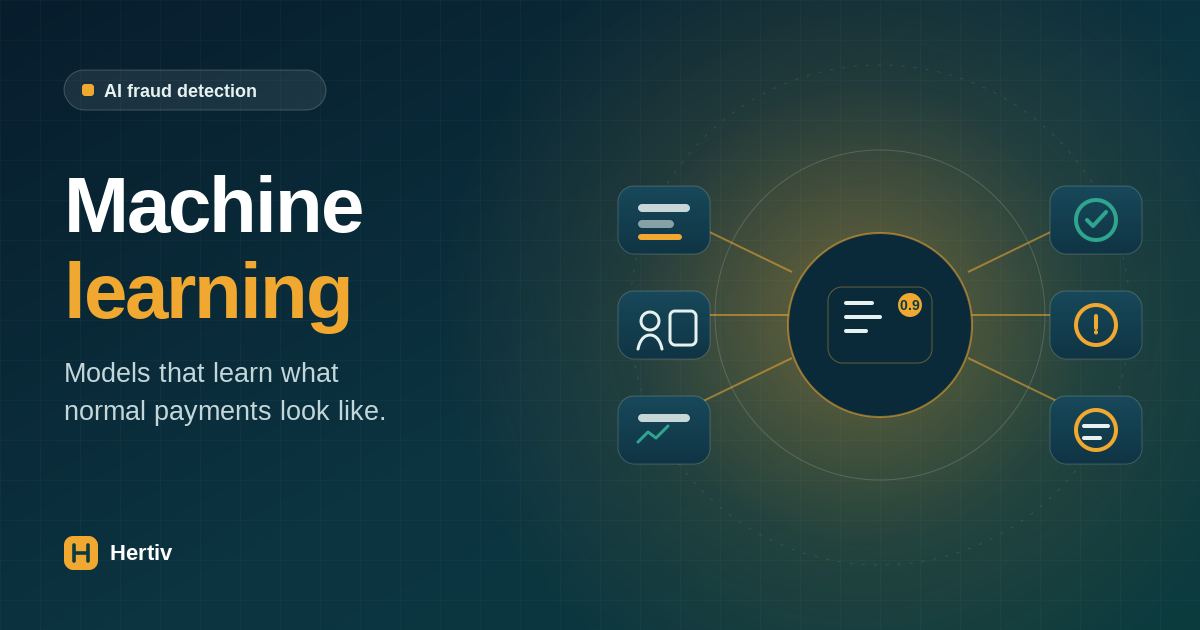
Machine learning spots fraud by learning what normal payments look like and flagging the ones that break the pattern. Here is how the models work.
Page 12 of 223.
5331 posts · page 12 of 223
Machine learning spots fraud by learning what normal payments look like and flagging the ones that break the pattern. Here is how the models work.
Smart contract security covers the code, access rules and monitoring that stop a contract from losing funds. Here is what it includes and how teams get it right.
Computer vision is moving from lab demos to cameras and sensors that check quality, count stock and guide machines in real time. Here is what changes next.
Banks use AI agents to triage support, process loans, check KYC, flag fraud and watch compliance. Here are eight use cases that work, with the limits to plan for.
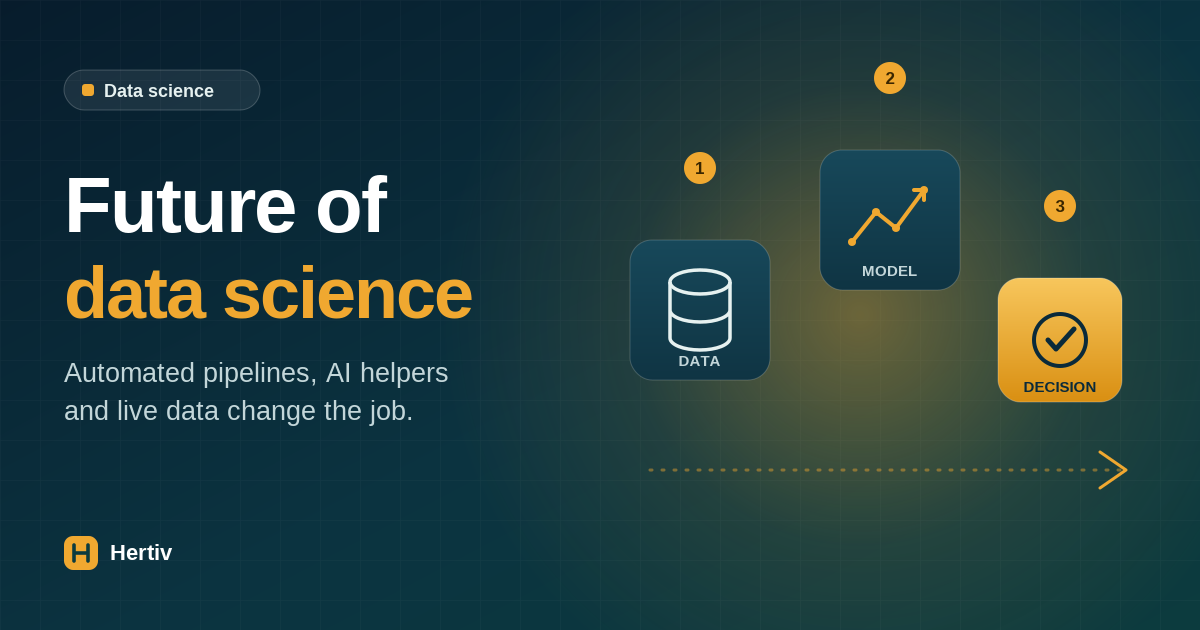
Data science is moving from hand-built models toward automated pipelines, generative AI helpers and live data. Here is what changes for teams, skills and hiring.
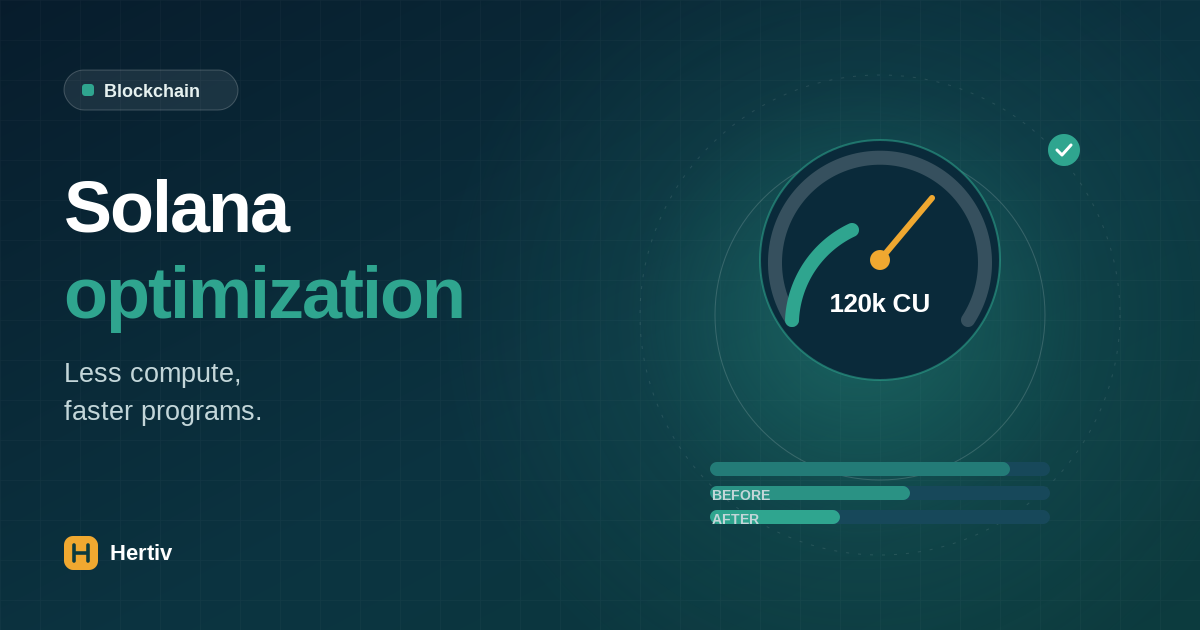
Solana programs run inside a strict compute budget, so small design choices decide whether a transaction succeeds or fails. These practices keep programs fast.
Gartner rates generative AI vendors through Magic Quadrants, Market Guides and peer reviews. Here is how to read that research and shortlist vendors with confidence.
Gemini Nano is Google's smallest Gemini model, built to run on a phone instead of in the cloud. It powers on-device summaries, smart replies and call screening.
Building an NFT music marketplace means getting rights, royalties, audio storage and discovery right. These eight tips cover the choices that make or break a launch.
Banking chatbots answer balance questions, report lost cards, track loans and collect KYC documents. These eight use cases work today, with a clear handoff to staff.
Stablecoin remittance is regulated as money transmission, with licensing, AML checks and travel-rule duties. Learn which rules apply and how providers handle them.
AI copilots in banking draft documents, triage alerts and answer staff questions. Compare eight use cases, what each needs, and where human review stays mandatory.
Generative AI art is made by models that turn text prompts into images. Learn how the tools work, how artists use them, and where ownership gets complicated.
Generative AI automation uses language models to draft, summarise and decide inside workflows. Learn what it automates well, where it fails, and how to build it.
Substrate best practices cover runtime design, pallet choice, testing and upgrades. Learn the habits that keep an app-chain maintainable after launch.
Generative AI bias shows up as skewed text, images and summaries. Learn where it comes from, how to spot it in outputs, and what teams do to reduce it.
Free AI agents for customer support draft replies, summarise tickets and search your help centre. Here are eight worth trying, and what each is best for.
Computer vision in banking reads cheques, checks identity, watches ATMs and reviews collateral. Here are eight use cases that hold up, and how to pick the first one.
Generative AI in a CRM drafts replies, summarises calls and scores leads from your own records. Here is where it helps, what data it needs and how to roll it out.
A token launch strategy covers the model, the supply plan, the timeline and the rules before a single token is sold. Here is how teams plan each part.
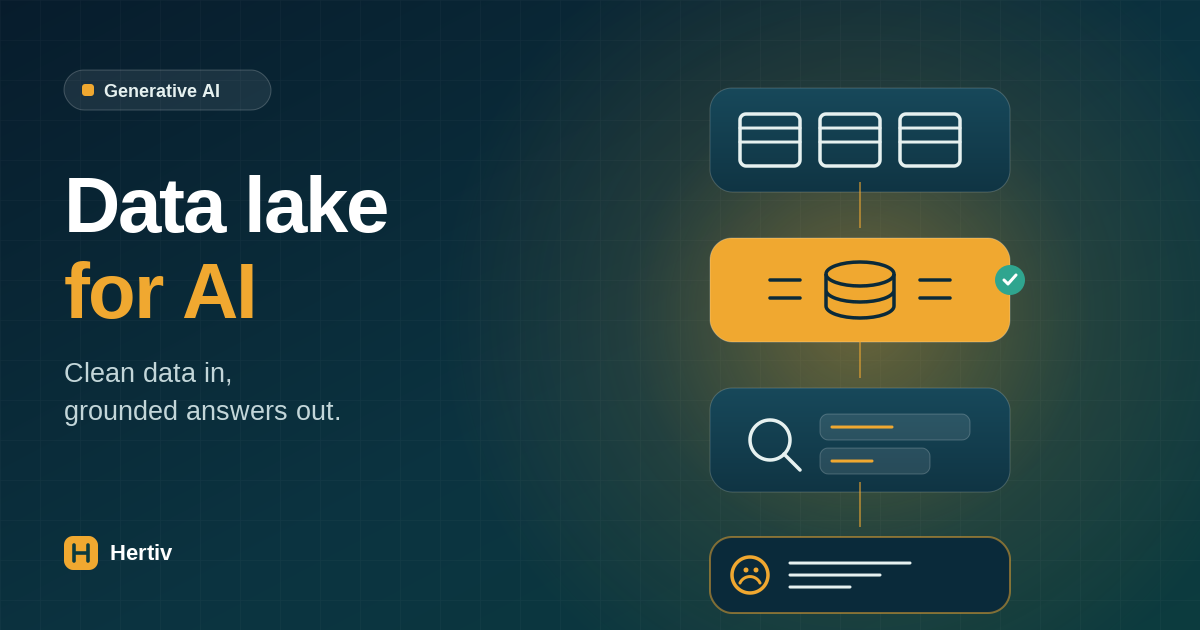
A generative AI data lake gives your models one governed source of truth: data is cleaned and indexed in the lake, and retrieval pulls only what the model may use.
The best yield farming development tools cover the full build: writing and testing contracts, prices and data, node access, and monitoring once the farm is live.
Tokenization works best when the legal wrapper, custody and smart contracts are settled before the first token is sold. These practices keep a launch sound.
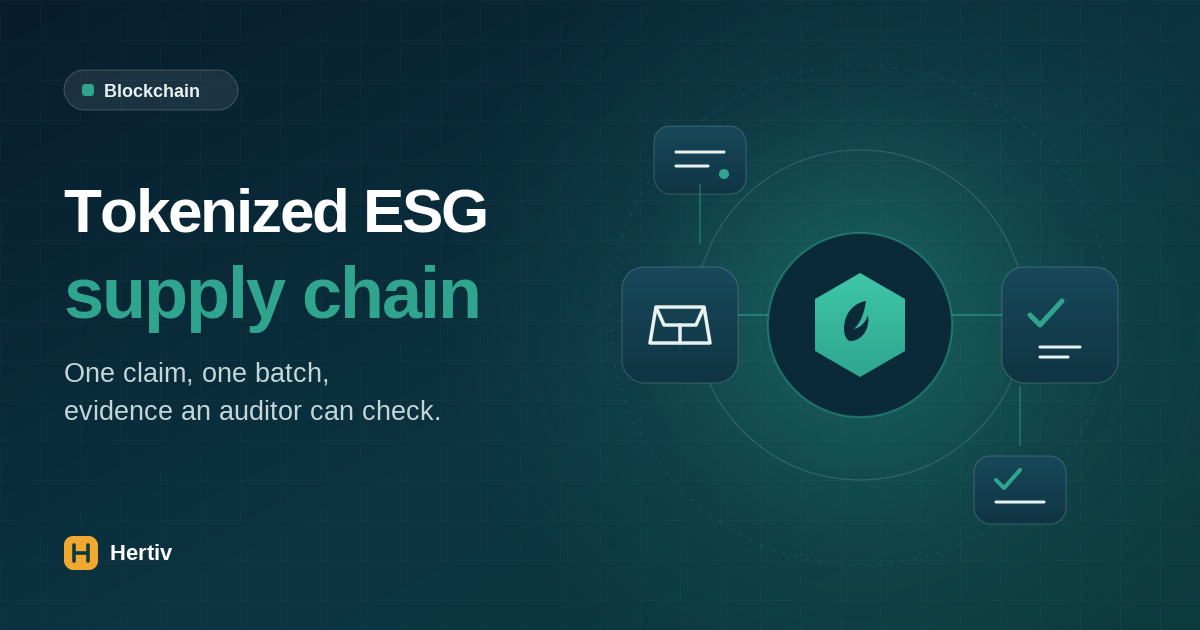
Tokenization turns supply chain facts into records an auditor can check: origin, materials and emissions. Here is how it supports ESG compliance.
No posts on this page match. Use site search (Ctrl K) to search every post.
A senior engineer reads every request and replies within one business day with questions, a rough range, or a call link.