Blockchain
ZK Rollup Best Practices: How Teams Ship and Run Them
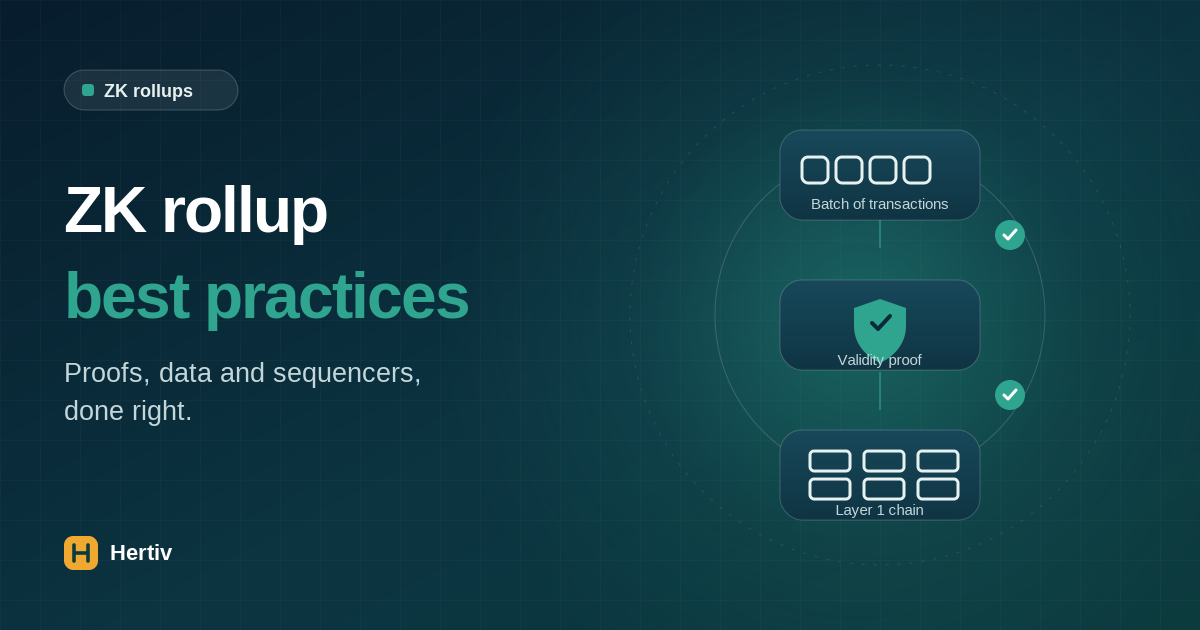
A ZK rollup works when the proving system, data availability, sequencer and upgrade path are chosen well. Here are the practices experienced teams follow.
Page 14 of 223.
5341 posts · page 14 of 223
A ZK rollup works when the proving system, data availability, sequencer and upgrade path are chosen well. Here are the practices experienced teams follow.
Generative AI writes messages and offers shaped to each customer, using what the business already knows about them. Here is how it works and where the limits sit.
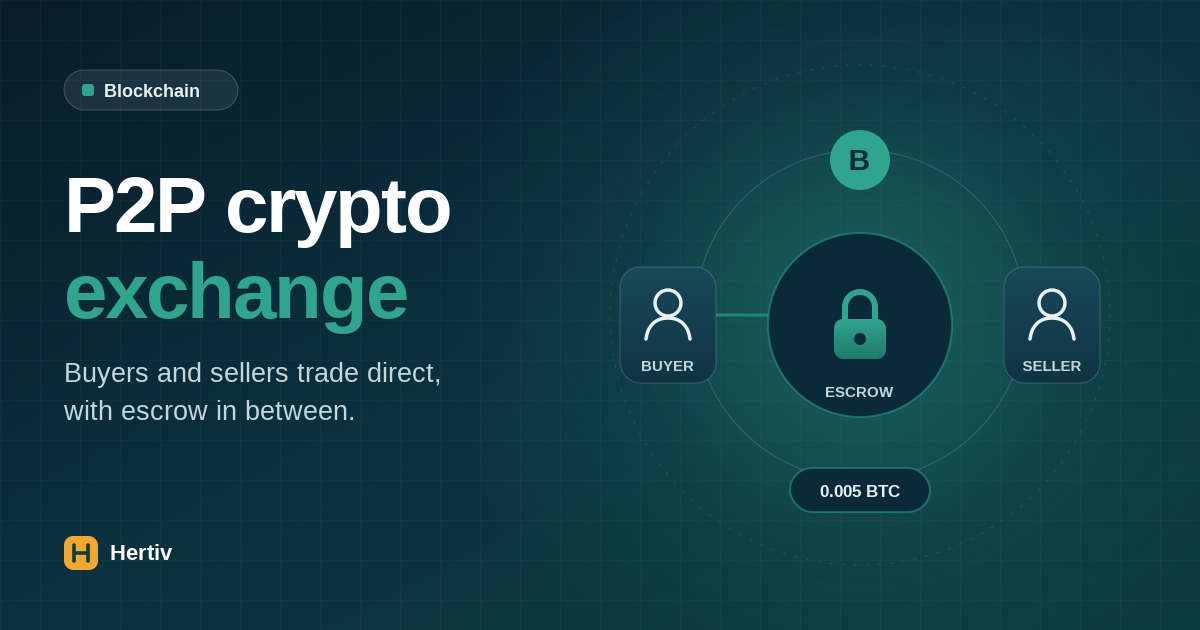
A P2P crypto exchange connects buyers and sellers directly and holds the coins in escrow until payment clears. Here is how a trade works and what to check first.
Generative AI speeds up greener product design, energy savings and ESG reporting. Here is where it works, what it cannot do, and how to start.
The best SEO agencies for SaaS companies combine technical SEO, content and product-led growth. Compare eight agencies on focus, services and fit before you sign.
Generative AI helps support teams triage tickets, draft replies and summarise logs — but only when it works from your own docs and a person checks each answer.
Age-verified stablecoin payments check a buyer's age before the payment is released. Here is how the checks work and what merchants and wallets must do.
Generative AI in accounting drafts entries and reconciles accounts, but every figure still needs a human check. Here is where it helps and how to start safely.
NFTs in supply chain act as unique digital records for products, parts and documents. Here are eight use cases that work, and how to judge if one fits you.
Generative AI in asset management drafts research notes, client letters and risk summaries, but it never picks investments. Here is where it helps.
Agritech startups use blockchain to record farm data, prove where food comes from and pay farmers faster. Here is what they build, what works and what to check.
Algorithmic stablecoins hold a dollar peg with code instead of reserves. Learn the three main designs, where DeFi uses them, and why the largest ones collapsed.
Open source chatbot platforms give you full control over data, hosting and dialogue logic. Compare 8 options and pick the one that fits your team and stack.
Generative AI can draft chip layouts, PCB routing, test patterns and firmware for electronics teams. Here is where it helps, where it falls short, and how to start.
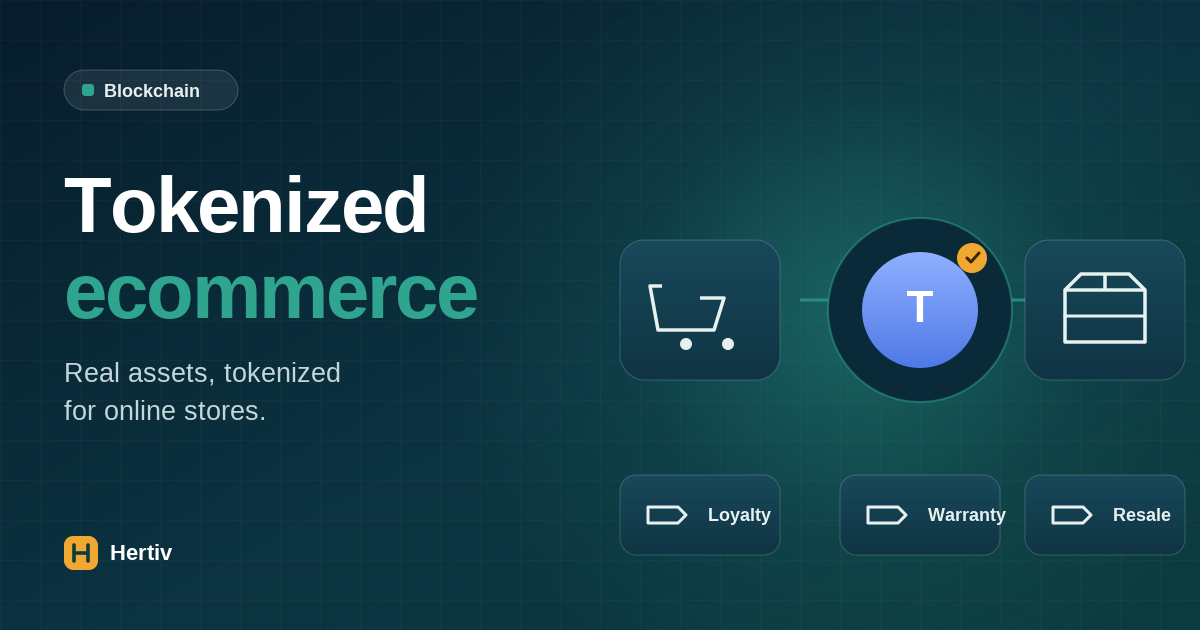
Eight ways real-world asset tokenization is used in ecommerce, from tokenized loyalty points to fractional ownership, with what each one needs to work.
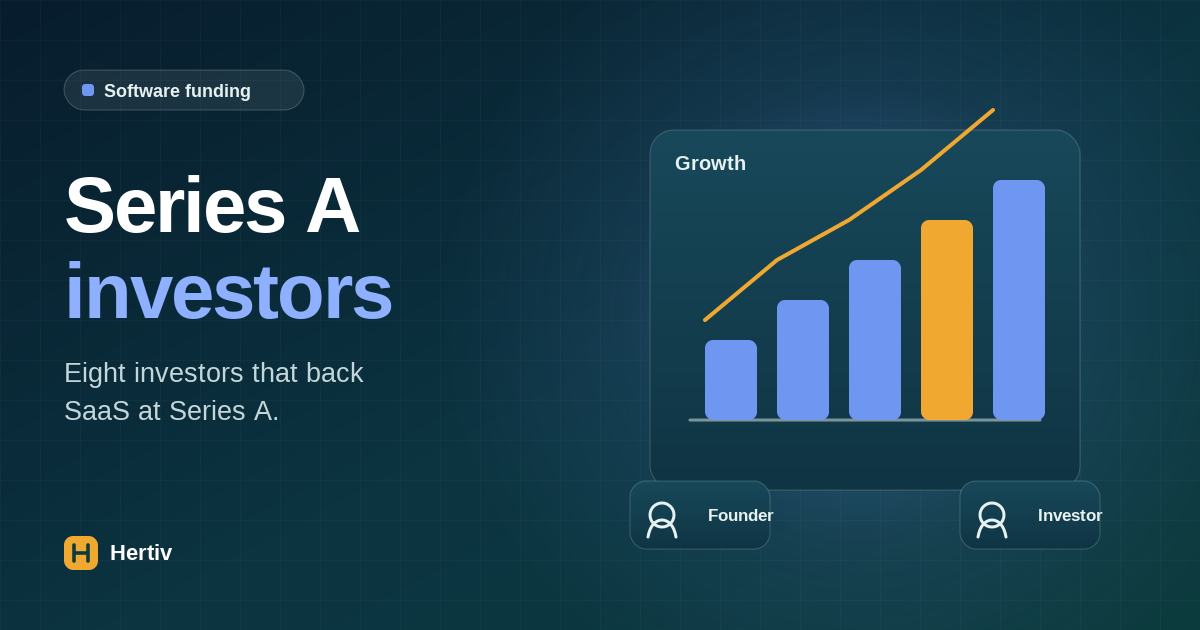
Eight Series A investors that back SaaS companies, what each one looks for, and how to tell which fits your stage, model and market before you reach out.
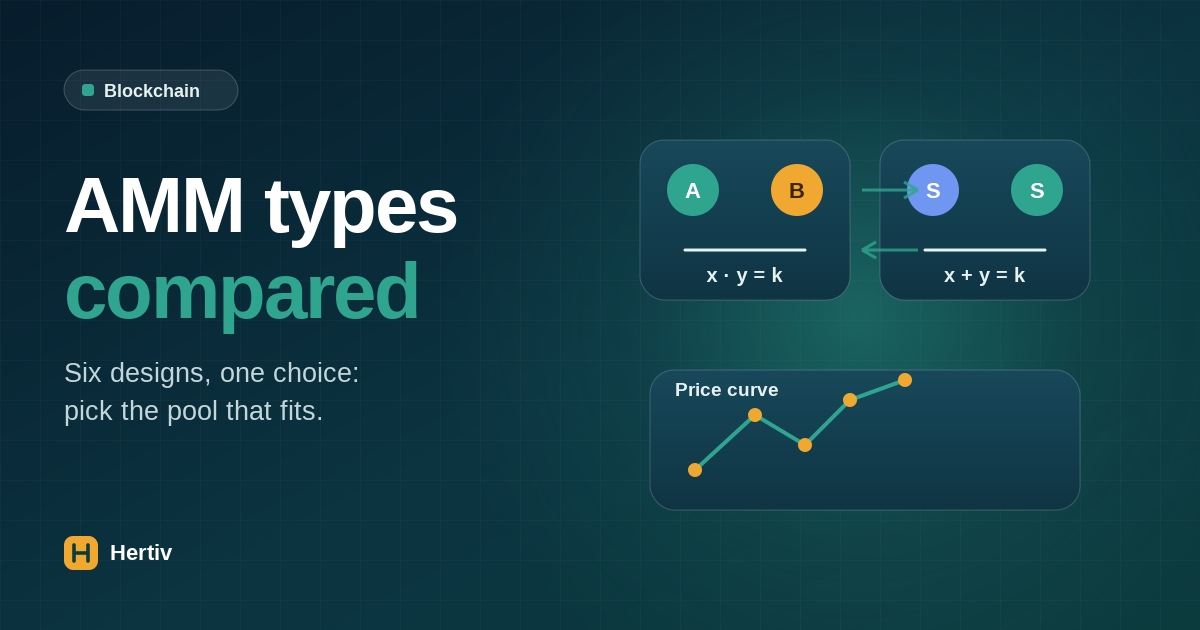
AMMs come in several designs, from constant product to concentrated liquidity. This guide compares each type, its pricing, and which one fits your exchange.
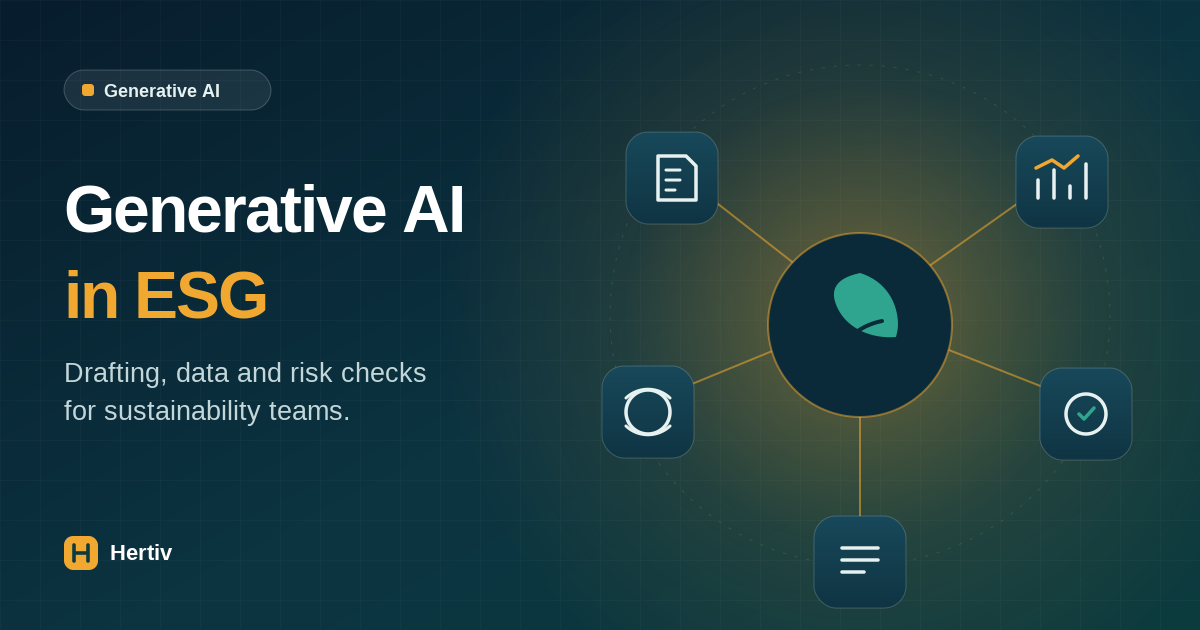
Generative AI helps ESG teams draft disclosures, gather data and spot risks faster, but every number needs a human check. Where it helps, and where it does not.
Eight open source AI code review tools compared: what each reviews, where it runs, and which teams it fits, so you can pick one without a closed platform.
Language models can draft listings, answer buyer questions and summarise leases. These eight use cases work in production for real estate teams.
An STO exchange platform is a regulated venue for trading security tokens, with identity checks built into every trade. Here is how it works.
Generative AI can draft audit tests, summarise evidence and flag unusual transactions. Here is where it helps internal audit and how to start safely.
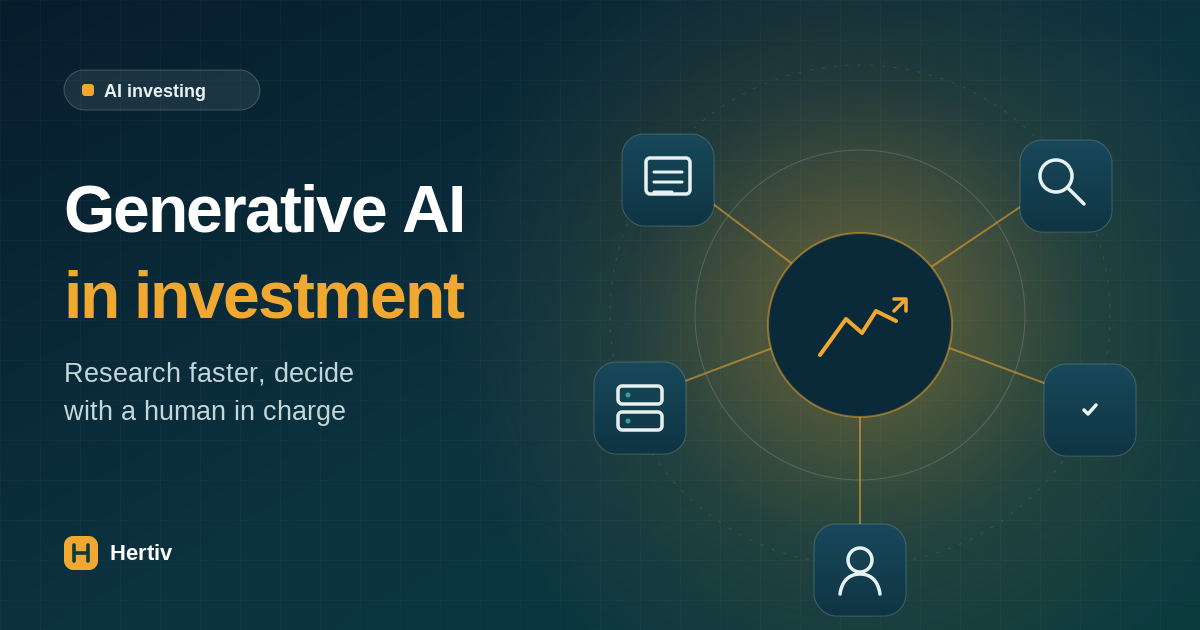
Generative AI helps investors research companies, screen ideas and monitor portfolios faster. Here is where it works, where it fails, and how to start safely.
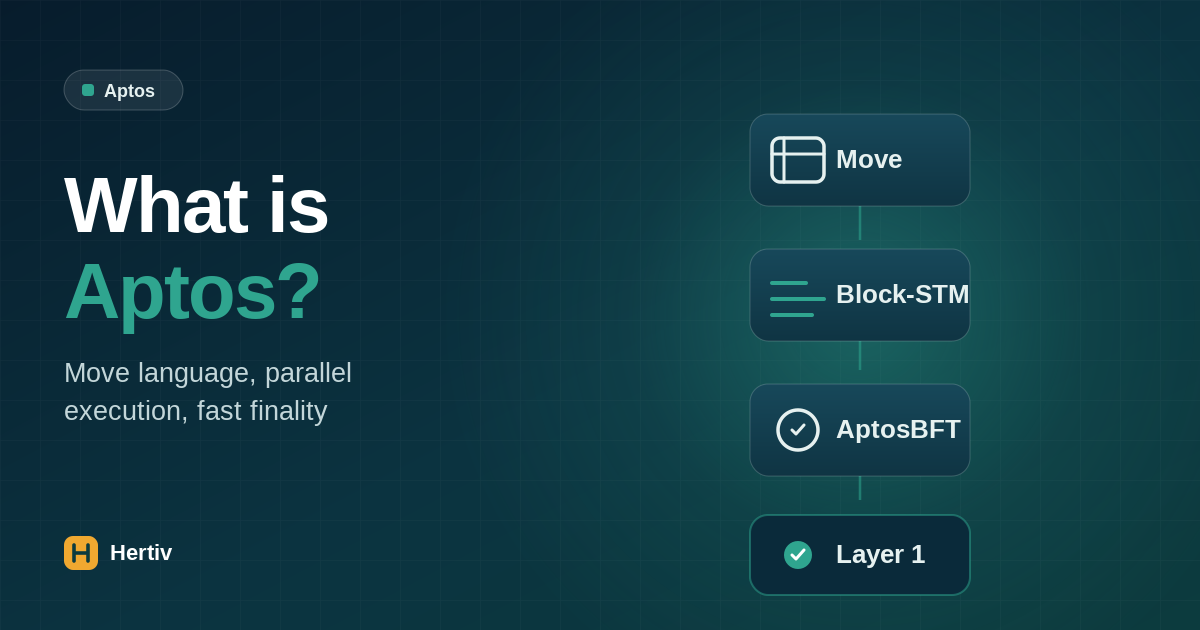
Aptos is a Layer 1 blockchain built by former Meta engineers around the Move language and parallel execution. Here is how it works and who it fits.
No posts on this page match. Use site search (Ctrl K) to search every post.
A senior engineer reads every request and replies within one business day with questions, a rough range, or a call link.