Engineering
Big Data in Healthcare: What It Is and How Hospitals Use It
Big data in healthcare combines records, images, labs and device readings into one governed store, so care teams can answer questions no single system can answer.
Page 112 of 237.
5672 posts · page 112 of 237
Big data in healthcare combines records, images, labs and device readings into one governed store, so care teams can answer questions no single system can answer.
A private blockchain for an enterprise usually costs far more to run and govern than to build. Here is what drives the price and what a realistic budget looks like.
Bitcoin Runes are fungible tokens created and moved on Bitcoin, using its UTXO model. Here is how runestones work and how Runes differ from BRC-20.
Eight jurisdictions license stablecoin issuers, but they differ on status, capital and passporting. Here is how the eight compare.
A facial recognition app identifies a person by matching their face against a stored record. Here is how it works, what it is used for, and the privacy rules.
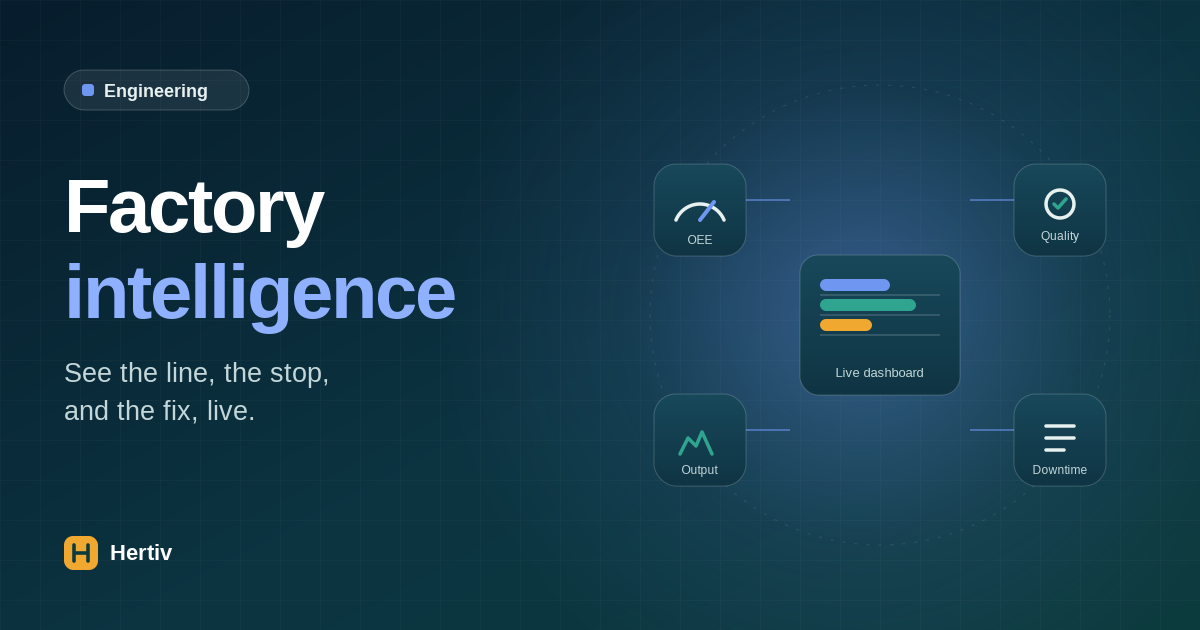
Business intelligence turns factory data into dashboards that show why output fell and what to fix. Here is how manufacturers use BI on the shop floor.
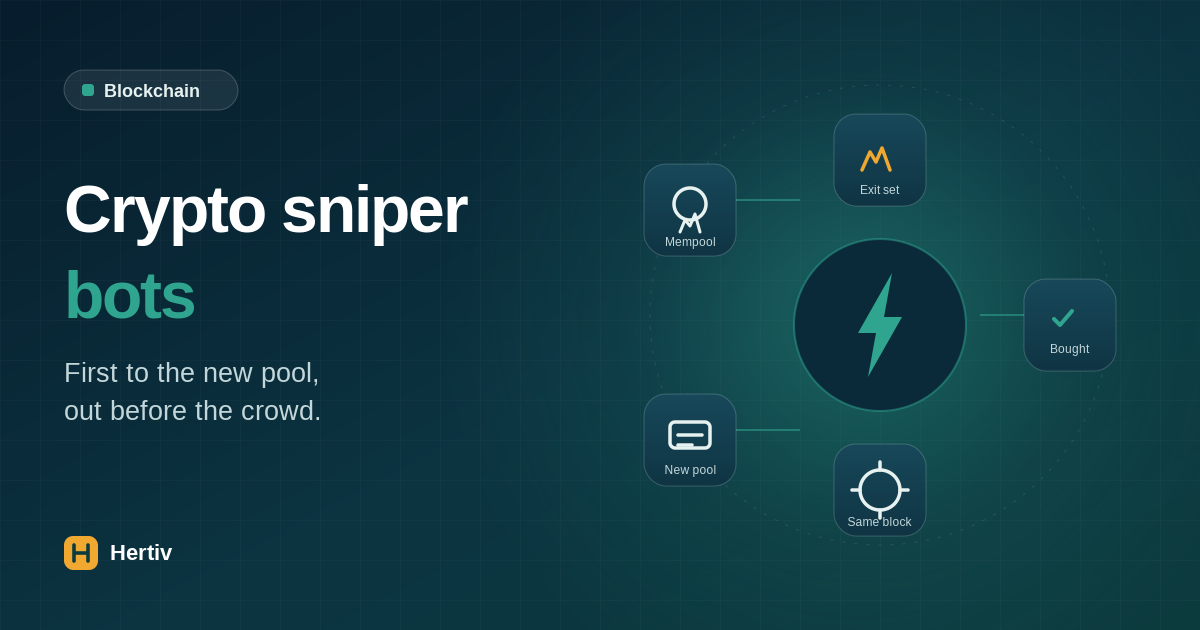
A crypto sniper bot buys a token the moment it becomes tradable, before human traders can react. Here is how it works and how to build one safely.
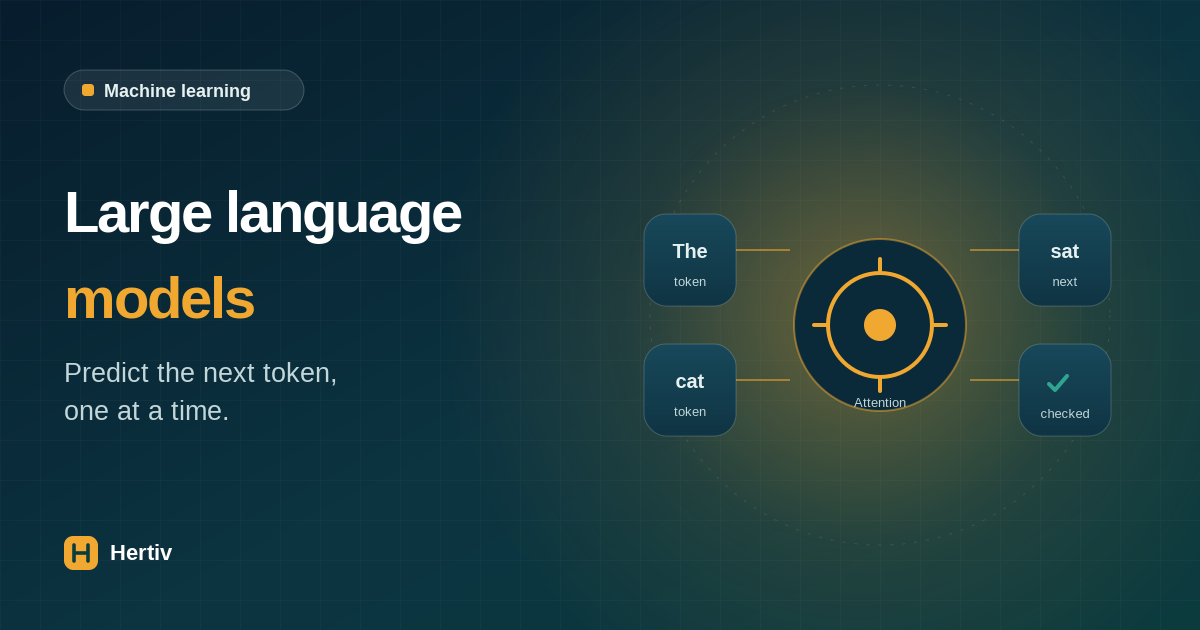
A large language model is an AI system trained on huge amounts of text to predict the next word. Here is how LLMs work, what they can do and where they go wrong.
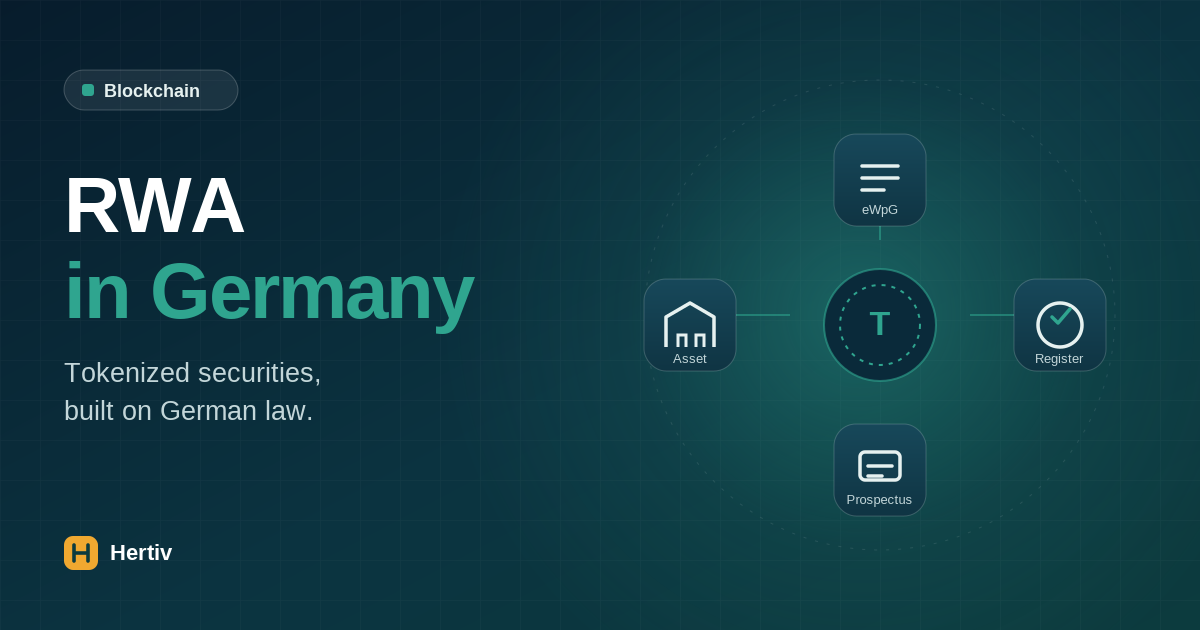
Germany gives tokenized securities a clear legal home under its Electronic Securities Act. Here is how RWA tokenization works there and what it takes.
Eight cloud infrastructure services, from hyperscale platforms to simple developer clouds. Here is how they compare and which one fits your workload.
A retail digital twin is a live virtual copy of a store or warehouse that a team can test and change before touching the real thing. Here is how retailers use it.
A white label crypto wallet usually costs far less than a custom build. Here is what each pricing model costs and what drives the bill.
A blockchain node provider runs the nodes your app talks to, so you do not have to. Here is how providers work, what they sell and when to run your own node.
Crypto compliance tools screen wallets, watch transactions and flag sanctions risk. Here are eight tools worth comparing before you pick one.
Facility management software brings work orders, assets, space and vendors into one system. Here is what it covers and how to pick the right one.
A centralized exchange costs far more than its trading screen. Here is what drives the build cost, the licence and the running bill.
A hybrid crypto exchange matches orders off-chain for speed and settles them on-chain for safety. Here is how to build one, from architecture to launch.
OpenCV computer vision projects range from face detection to counting objects on a production line. Here are the project types and how to start one.
The best cloud platforms for developers balance fast deploys, clear pricing and tools that stay out of the way. Here are eight worth comparing.
RWA tokenization turns real assets like bonds and property into tokens investors can buy in small pieces. Here is how it works and what to check first.
Technology now runs most of a law firm's daily work, from intake to billing. Here is what legal technology covers, where it helps most and how firms adopt it.
A tokenization platform on Solana turns real assets into tokens that trade on-chain. Here is the build process, the Solana pieces involved and what it costs.
Canada only allows registered crypto platforms, so the choice is smaller than it looks. Here are eight exchanges compared on fees, coins and registration.
Crypto derivatives let traders bet on prices and hedge risk without owning the coins. Here is how they work, why they matter and where the risks sit.
No posts on this page match. Use site search (Ctrl K) to search every post.
A senior engineer reads every request and replies within one business day with questions, a rough range, or a call link.