AI
What Is a Generative Adversarial Network (GAN)?
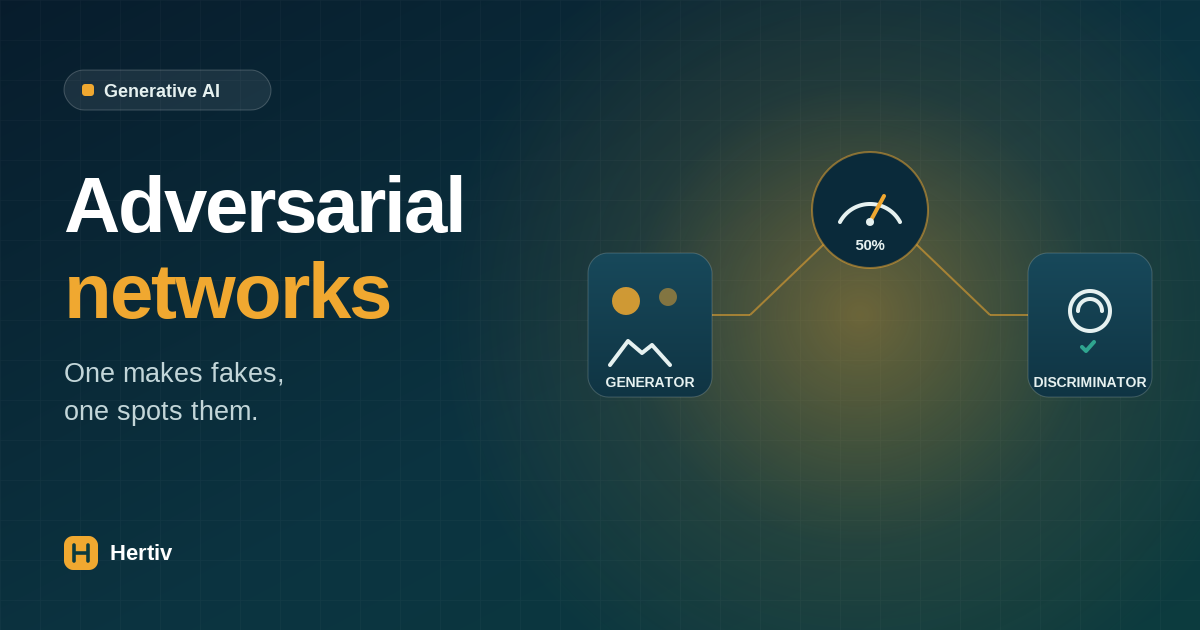
A generative adversarial network trains two neural networks against each other: one makes fakes, the other spots them. Here is how GANs work and where they are used.
Page 114 of 236.
5658 posts · page 114 of 236
A generative adversarial network trains two neural networks against each other: one makes fakes, the other spots them. Here is how GANs work and where they are used.
Fintech apps bring banking, payments, investing and lending to your phone. Here is what they are, the types you will meet, and how to judge one.
AI as a service lets a business rent AI through APIs and hosted platforms instead of building models. Here is what it covers, what it costs, and how to start.
The best coding software depends on the language you write and how you work: editors, IDEs and terminal tools each suit a different job. Here are 8 worth comparing.
A BEP20 token is a smart contract on BNB Smart Chain that follows the BEP20 standard. Here is how to build, test and deploy one with Remix and OpenZeppelin.
DeFi tokens fall into clear classes: governance, utility, stablecoins, receipt tokens, LP tokens, wrapped tokens and security tokens. Here is what each does.
SaaS tokenization turns software access into tokens: a licence, a subscription or usage credits become a token that can be sold or transferred. Here is how it works.
Fivetran, dbt, Airflow, Snowflake and Databricks lead most data stacks in 2026, each doing a different job. Here is what each tool does and how to pick yours.
An AI character chatbot app like Janitor AI needs chat, personas, memory and moderation. Here is what each part costs and where the money goes.
A cross-chain DeFi platform lets users move assets and trade across blockchains. Here are the parts, the bridge choices, and the build order.
Outsourcing fintech development cuts hiring time, but the wrong vendor can put customer money and licences at risk. Here is how to choose, contract and manage one.
Australian enterprises spend heavily on AI but many see less return than they hoped. Here is how to measure AI ROI, where the money goes, and what makes it pay.
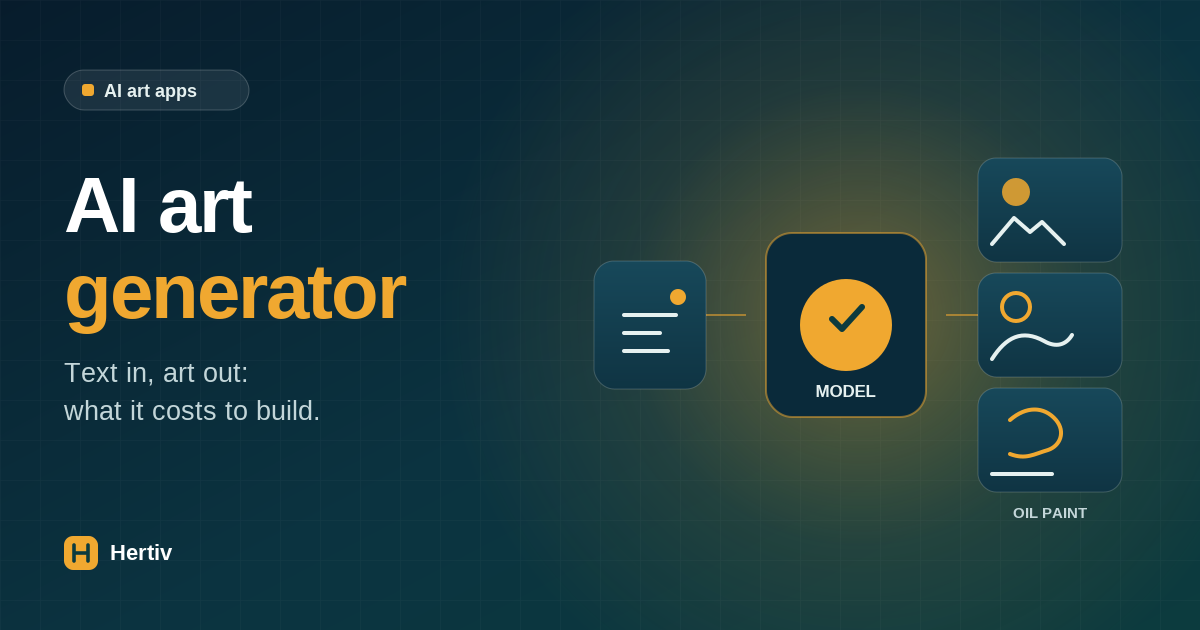
An AI art generator app like Imagine turns prompts into images, with styles, editing and upscaling. Here is what one costs to build, and what drives the price.
Creating a crypto wallet takes about ten minutes: pick a wallet type, install it, write down the recovery phrase, and fund it. Here is how to do it safely.
Blockchain can cut mortgage closing times, fraud and paperwork by giving every party one shared record. Here is where it helps and where it does not.
The SEC's April 2025 statement says certain dollar-backed stablecoins are not securities. Here are the three tests a coin must pass.
DevOps as a service gives an enterprise a managed DevOps team and platform instead of hiring one. Here is what it covers, what it costs, and how to choose.
An AI trading app like Moomoo costs about $150,000 to $400,000 for a first version and $400,000 to $900,000 for a full product. Data and compliance drive the bill.
A transformer model is a neural network that reads whole sequences at once and weighs how each word relates to the others. It powers most modern language models.
Fintech ERP is an enterprise system built for financial firms, joining the ledger, payments, compliance and reporting in one place. Here is how it works.
Small language models run inside the company, on modest hardware, for narrow jobs like classification and extraction. Here is where they fit and where they do not.
An AI video editor like Descript turns speech into an editable transcript, then cuts the video from the text. Here is what it costs to build one, part by part.
A dApp browser connects your wallet to decentralised apps for swaps, lending and NFTs. Here are 8 options to compare, from full browsers to wallet apps.
Carbon credit crypto companies turn verified credits into tokens traded and retired in public. Here are the main companies and the risks to check first.
No posts on this page match. Use site search (Ctrl K) to search every post.
A senior engineer reads every request and replies within one business day with questions, a rough range, or a call link.