Blockchain
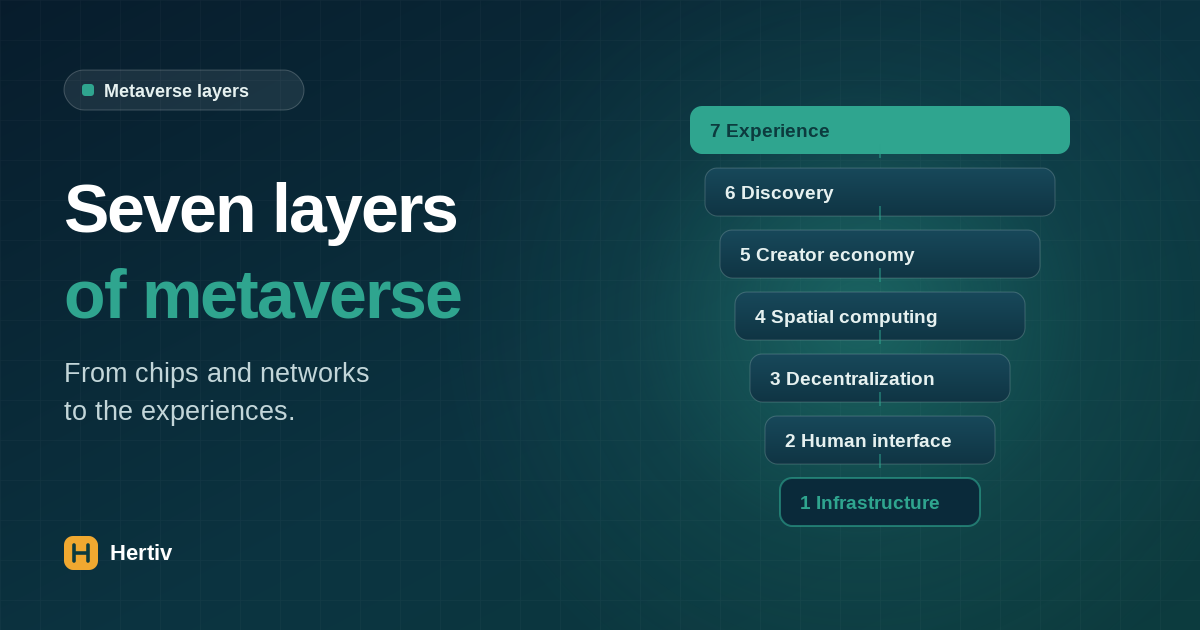
The Seven Layers of the Metaverse, Explained
Jon Radoff's seven-layer model maps the metaverse value chain from chips and networks to the experiences people pay for. Here is what each layer covers.
Page 115 of 236.
5658 posts · page 115 of 236
Jon Radoff's seven-layer model maps the metaverse value chain from chips and networks to the experiences people pay for. Here is what each layer covers.
Face recognition in retail spots known shoplifters, recognises loyal customers and speeds up checkout. Here is how it works and the rules that limit it.
An AI video generator like Synthesia turns a script into a presenter video with avatars and voices. Here is what to build, what it costs, and where the money goes.
The right email testing tool checks rendering, spam scores and inbox placement before a campaign goes out. Here are 8 tools to compare, by the job each does best.
To create a DAO on Ethereum, define its purpose and voting rules, deploy governance contracts, fund a multisig treasury, and launch with a first proposal.
AI in predictive maintenance reads sensor data from machines and flags failures before they happen. Here is how it works, what it needs, and where it pays off.
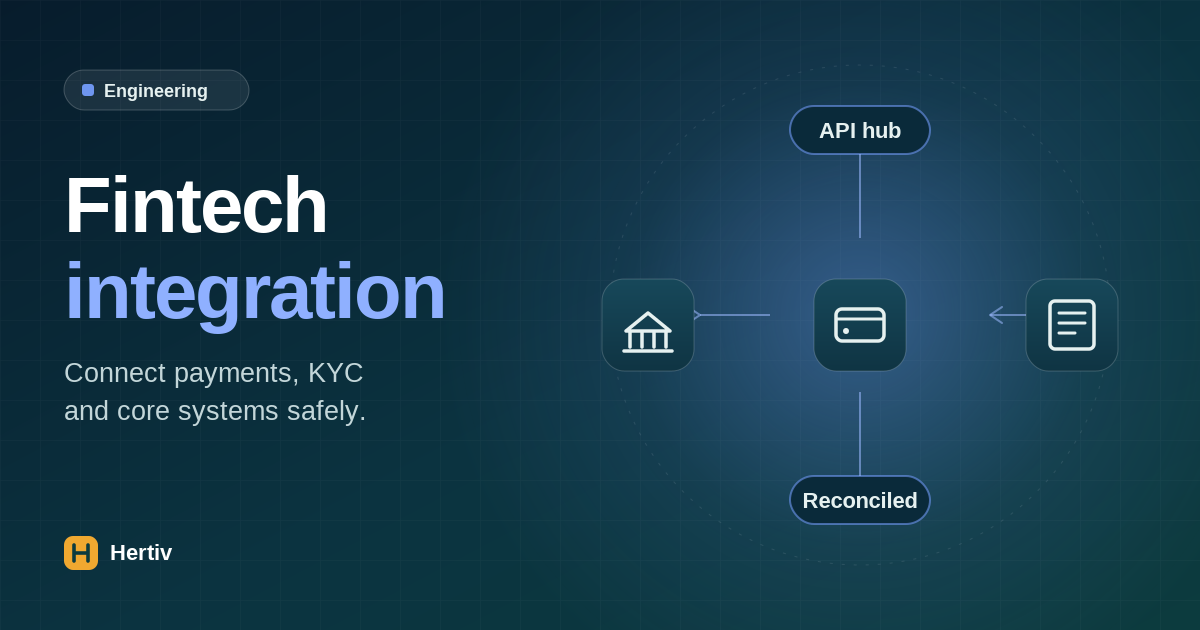
Fintech software integration connects core banking, payments, identity checks and accounting so data moves without manual copying. Here is how to plan it.
An education chatbot in the UAE answers admissions, tutoring and fee questions in Arabic and English. Here is how to build one under the UAE data rules.
DeFi coins are the tokens of working protocols for swapping, lending, staking and oracles. Here are 8 established coins compared by what each protocol does.
A self-driving AI like Tesla Autopilot pairs cameras, a neural network and an onboard computer. Here is what each part costs to build.
A DAO on Solana is usually built with Realms on top of SPL Governance. Here is how to choose the type, set it up, and run your first vote.
The best LLM API for a startup depends on your use case, budget and how much traffic you expect. Here are 8 providers to compare.
Incentive tokens reward holders for voting, staking, spending or staying loyal. Here are the main types, how each one pays out, and where they go wrong.
An AI copilot for sales and marketing drafts emails, scores leads and summarises calls from your CRM data. Here is what it does for each team and how they share it.
An app like DeepSeek pairs a chat interface with a reasoning model and live search. Here is what the build includes, what it costs, and where the money goes.
A gold tokenization platform turns vaulted gold into tokens users can trade and redeem. Here are the parts, the minting flow, and what it costs to build.
The best DEX depends on your chain, trade size and whether you want spot swaps, stablecoins or perpetuals. Here are 8 platforms to compare.
A Fitbit-style app pairs activity, heart rate, sleep and GPS data with goals and streaks. Here is what to build, what it costs, and how to handle health data.
An enterprise AI solution for logistics connects shipment, warehouse and fleet data to models that plan routes, forecast demand and flag delays.
An AI app like Perplexity costs from $120,000 for a first version to $600,000 or more for a full product. Here is what drives the price.
An IoT cloud platform connects your devices, routes their data and runs the rules that act on it. Here are 8 to compare, from hyperscalers to open-source options.
Silver tokenization turns vaulted silver into blockchain tokens you can trade in small amounts. Here is how the tokens work, who issues them and the risks to check.
Character AI lets users chat with AI characters they create or find. Building a similar app takes a chat interface, a character system and a language model.
A multichain wallet holds assets on several blockchains in one place. The easiest way to build one is with a wallet SDK, not from scratch.
No posts on this page match. Use site search (Ctrl K) to search every post.
A senior engineer reads every request and replies within one business day with questions, a rough range, or a call link.