AI
8 Model Monitoring Tools for Startups Compared
Model monitoring watches predictions, drift and accuracy after release. Here are eight tools compared for startups, from free open source to enterprise.
Page 111 of 237.
5683 posts · page 111 of 237
Model monitoring watches predictions, drift and accuracy after release. Here are eight tools compared for startups, from free open source to enterprise.
Enterprise Android apps put company systems, forms and approvals on the phones staff already carry. Here is what makes them different and how to build one.
Cloud accounting software runs invoicing, expenses and reports from a browser. Here are eight tools compared, with starting prices checked on vendor pages.
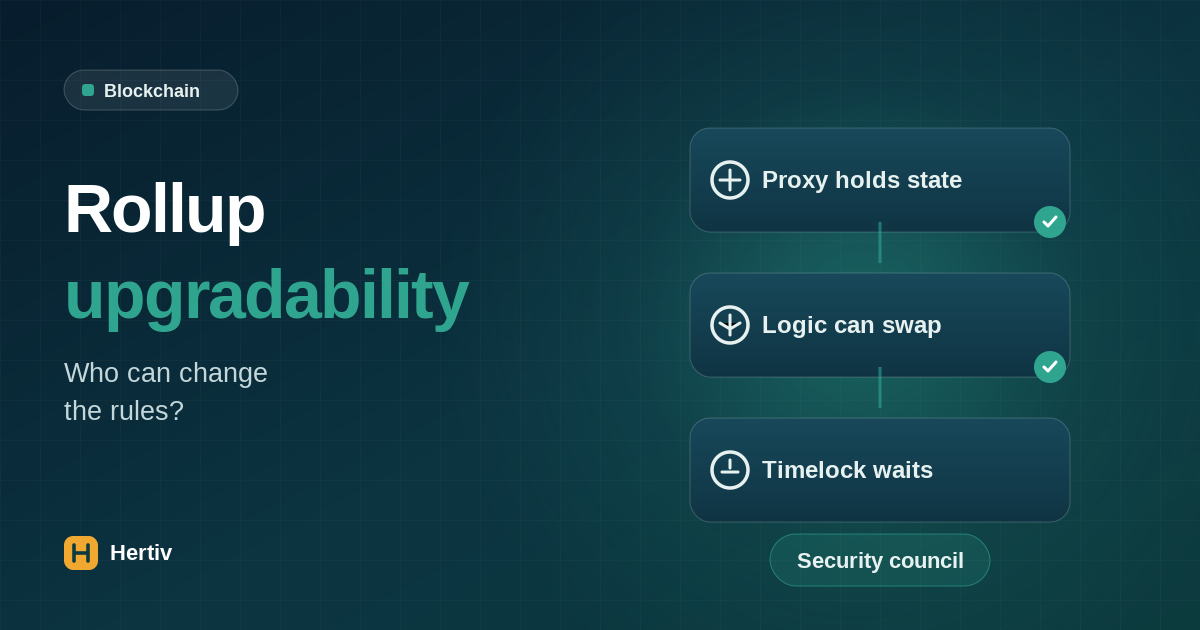
Rollup upgradability decides who can change a layer 2's contracts and how fast. Here is how proxies, timelocks and security councils work, and what to check.
Tokenization turns goods, documents and invoices in a supply chain into digital tokens. Here is how it works, where it helps, and where it falls short.
Startups holding crypto need a custodian that fits their size, assets and compliance needs. Here are eight custody providers compared for early-stage teams.
Building a crypto wallet on Arbitrum costs about $20,000 to $55,000 for a basic version and $55,000 to $150,000 mid-level, plus audit and maintenance.
A DeFi yield farming app lets users deposit crypto into pools and earn rewards from fees, interest and emissions. Here is what it needs and how to build it.
Cloud migration ROI compares the full cost of moving and running in the cloud against the savings and gains. Here is how to calculate it honestly.
The multi-agent frameworks startups actually ship with: LangGraph, CrewAI, Microsoft Agent Framework, Google ADK and more, compared on control, cost and fit.
Enterprise DeFi on Bitcoin Layer 2 pairs Bitcoin settlement with off-chain execution. Here is how to pick a layer, move BTC in, and ship a compliant product.
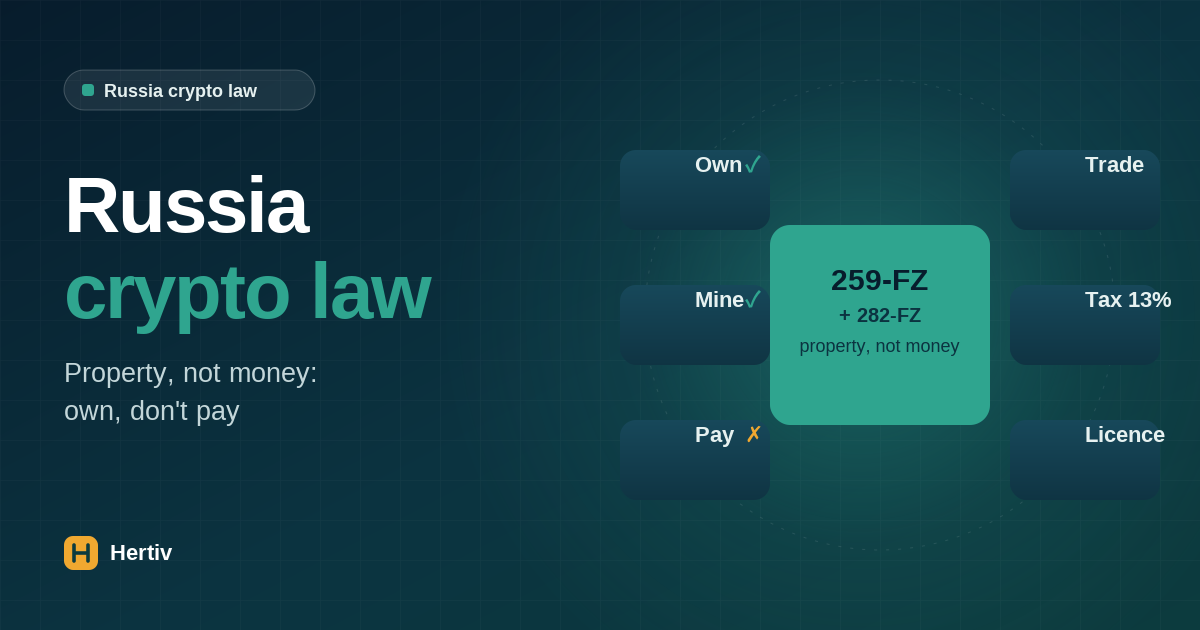
Russia treats crypto as property, not money: owning, trading and mining are legal under defined rules, but domestic payments are banned. Here is the framework.
A digital twin in healthcare is a live model of a patient, a device or a hospital's operations, fed by real data. It lets teams test decisions safely before acting.
A multichain Web3 wallet costs roughly $15,000 for a basic build and $50,000 to $150,000 for a production version. Here is what drives the price up.
Cloud-based chiropractic software runs scheduling, notes, billing and payments from a browser. Here are eight tools compared for chiropractic clinics.
A HIPAA-compliant metaverse healthcare platform lets patients and clinicians meet in virtual reality while patient data stays protected under HIPAA rules.
Demand for app developers keeps growing because the app is now the main way businesses reach customers, and every app needs a team to build and keep it running.
Data mining searches business data for patterns a dashboard alone would miss. Here is how it works, the techniques it uses and how a project runs.
Sending USDT TRC20 from Trust Wallet costs the TRON network fee, not a wallet fee. Here is what a transfer burns in TRX, and how staking or renting energy cuts it.
Building microservices with Node.js means splitting an app into small services, each with its own process and database. Here is how to design the split.
Advanced layer 2 wallets are smart-contract wallets that drop seed phrases, sponsor gas and batch actions into one tap. Here is how they work and who should use one.
Cloud dental software runs scheduling, charting, imaging and billing in a browser, with no server in the office. Here are eight options worth comparing.
RWA-backed stablecoins hold reserves in tokenized real-world assets, such as Treasury bills. Here is how the backing works and who can hold them.
AR in banking overlays account data, directions and guidance onto a customer's live camera view. Here are the uses that work and how to start one.
No posts on this page match. Use site search (Ctrl K) to search every post.
A senior engineer reads every request and replies within one business day with questions, a rough range, or a call link.