AI
8 LLM Use Cases in Insurance Worth Building
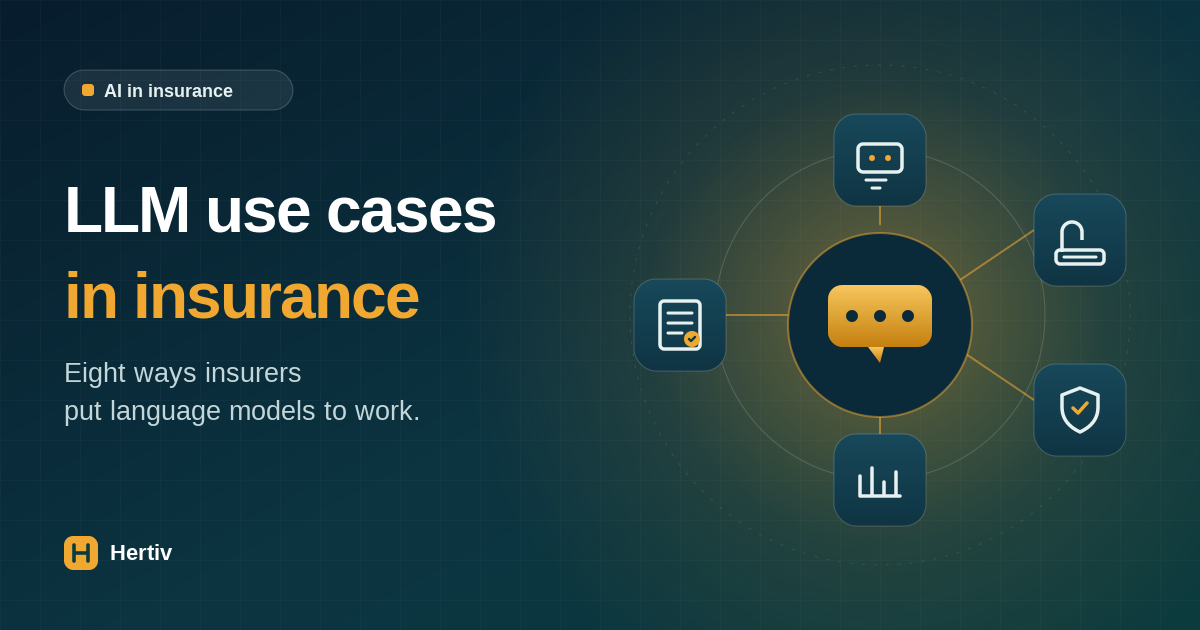
LLMs help insurers read claims, policies and submissions faster. Here are eight use cases worth building, with the data each one needs.
Guides on AI agents, LLM apps, RAG, evaluation and MCP, written by the engineers who build them.
1977 posts · page 31 of 83
LLMs help insurers read claims, policies and submissions faster. Here are eight use cases worth building, with the data each one needs.
Deep learning works best where large labelled datasets meet clear patterns: vision, speech, language and forecasting. Here is where each application fits.
Predictive analytics turns past data into forecasts you can act on. Learn the six steps, how to pick a model and how to measure whether it works.
Agentic AI in banking means software agents that carry out multi-step banking tasks, such as checking loan documents or flagging fraud, with a person in charge.
Prompt engineering works when it is a shared practice, not one person's skill. Pick the tasks, build a library, and test every prompt before it ships.
Choosing an AI vendor means comparing platforms, models, data controls and support, not just picking a name. Here are eight vendors to shortlist, and how to choose.
AI agents can triage claims, answer policy questions and draft underwriting summaries. Learn where they fit, what they need and where a human must stay in charge.
AI development cost depends on scope, data readiness, model choice and running costs after launch. This guide breaks down each part so you can budget it.
Retrieval-augmented generation grounds an AI answer in your own documents instead of the model's memory. Here is a practical build plan, from documents to testing.
Cash application matches incoming payments to open invoices. AI speeds it up by reading remittance details and suggesting matches, and here is how it works.
AI governance tools track your models, check them against your policies and keep the evidence buyers ask for. Here are eight tools worth comparing.
Re-ranking reorders your first search results with a stronger model so the best answer lands on top. Here is the pipeline, the methods, and a step-by-step plan.
AI chatbots in marketing answer questions, capture leads and guide visitors to the right page. Learn what they do well, where they fail, and how to set one up.
Enterprise AI tools that keep your data private: eight options judged on data residency, encryption, private deployment and no-training policies.
A recommendation system ranks items per user from past behaviour and item data. Here is a six-step plan, from data preparation to measuring whether the picks work.
AI note taking tools record meetings, transcribe speech and turn scattered notes into searchable summaries. Here are eight worth comparing, and how to pick one.
NLP reads the text insurers already hold — claims notes, policies, call transcripts and emails — and turns it into structured answers. Eight worth building.
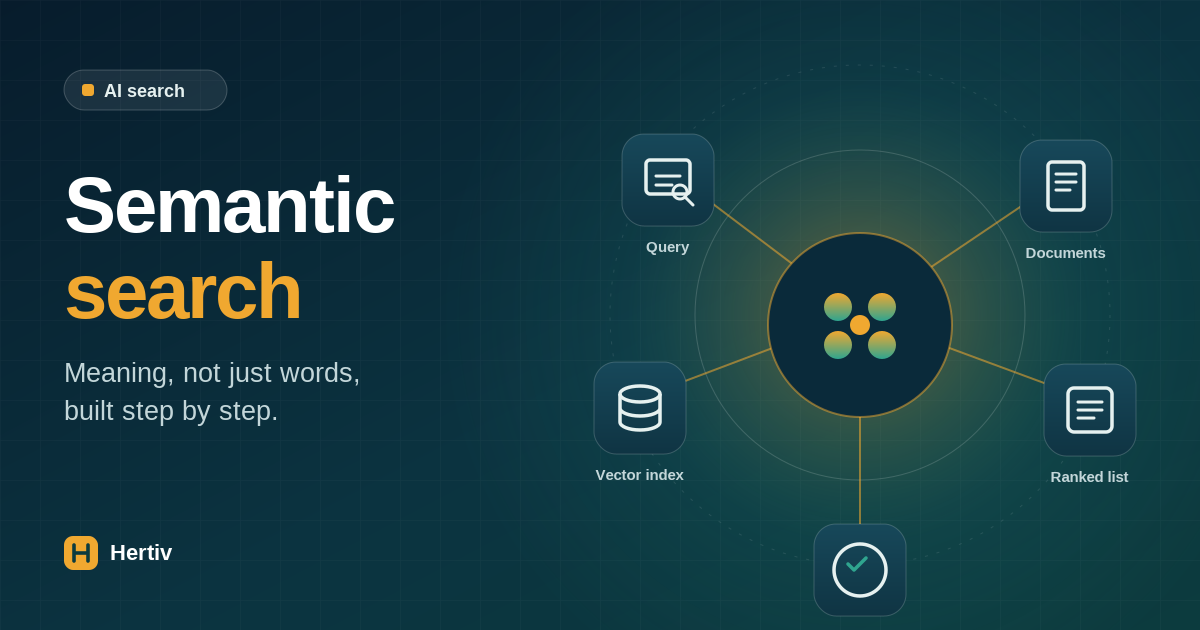
Semantic search matches meaning, not just words. Here is how to implement it: prepare content, build embeddings, load a vector index, and test on real questions.
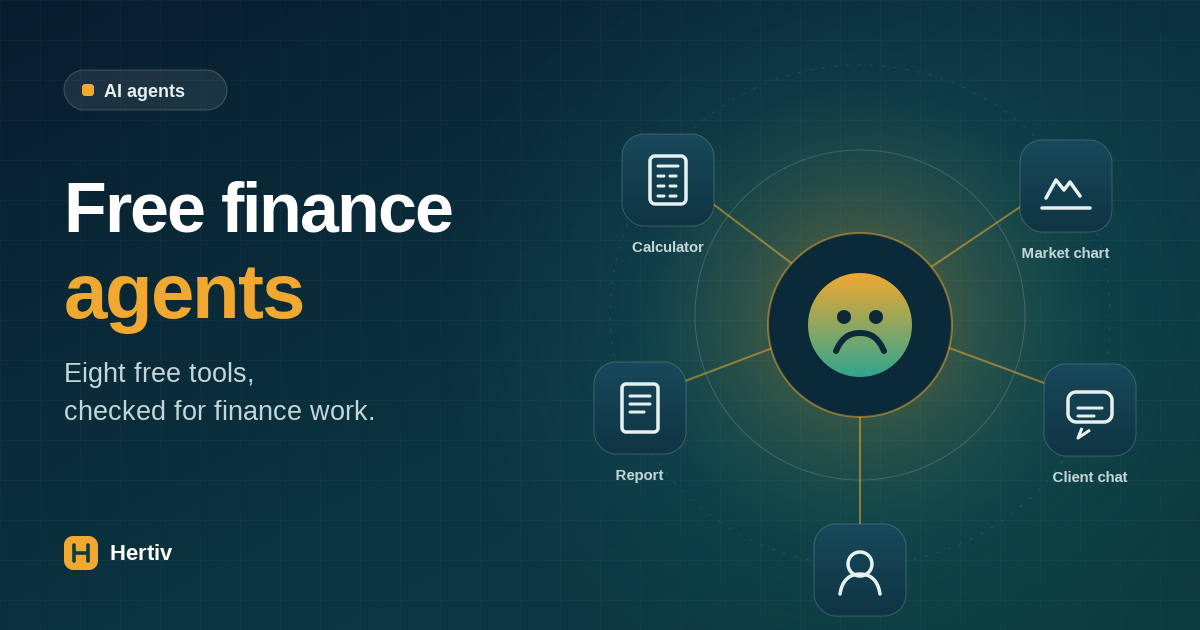
Free AI agents can draft client notes, check invoices and research markets. Here are eight worth trying for finance work, with what each does best.
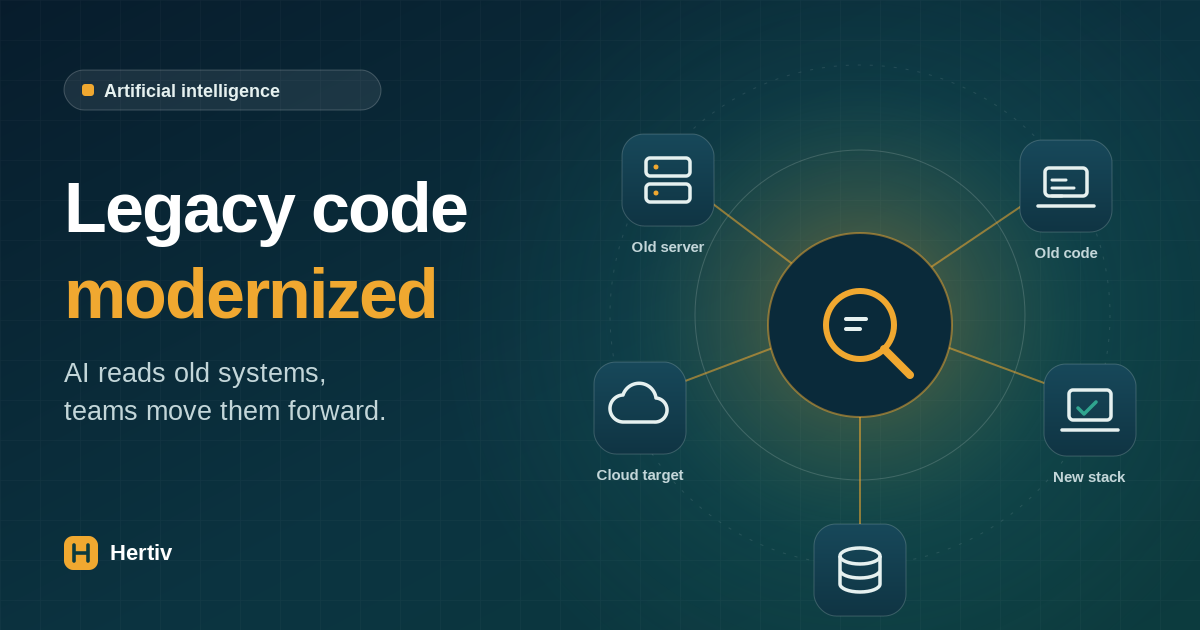
AI in legacy modernization reads old code, maps dependencies and drafts new code. Here is where it helps, where it does not, and how to use it safely.
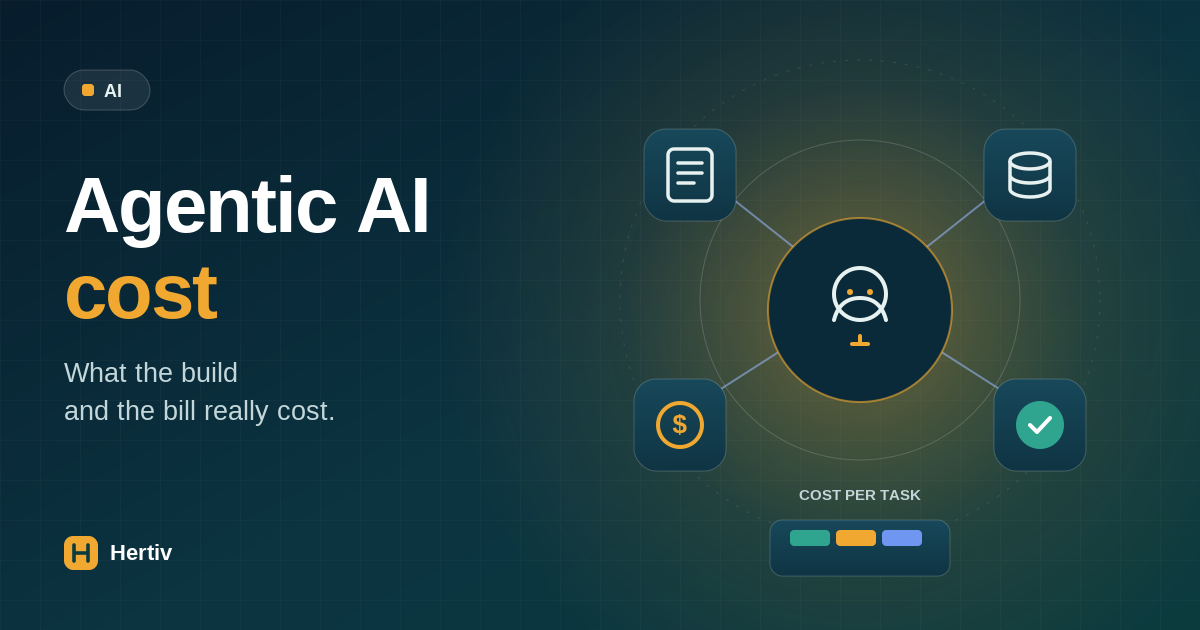
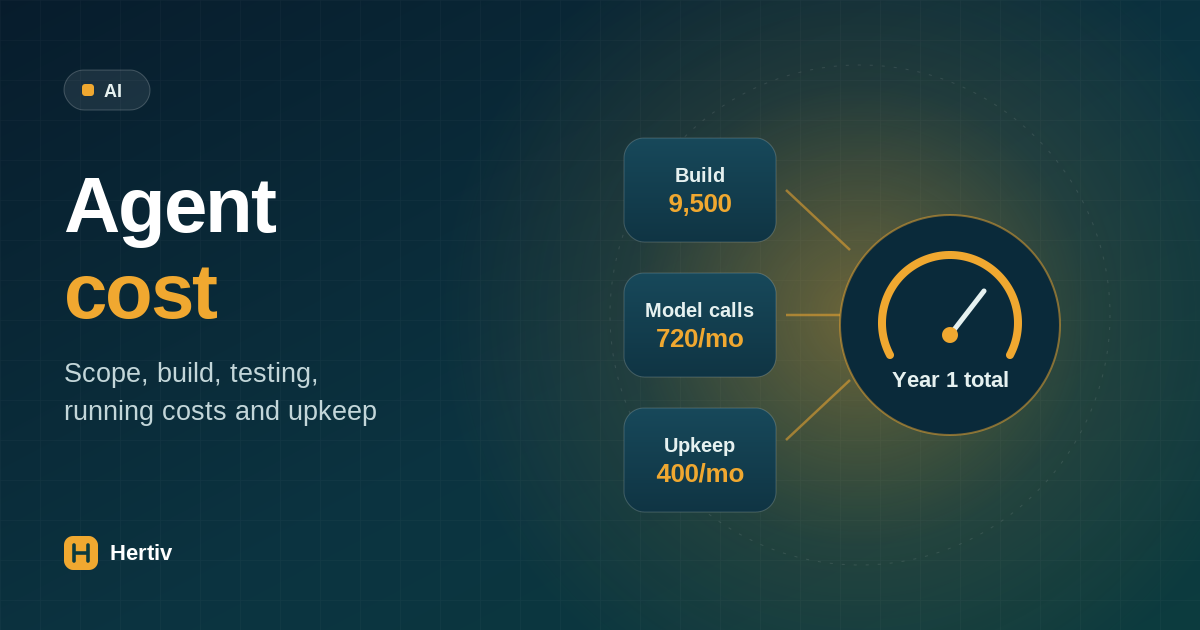
Agentic AI costs come from model calls, tools, data and human review, not just the build. Here is what each part costs and how to put a budget together.
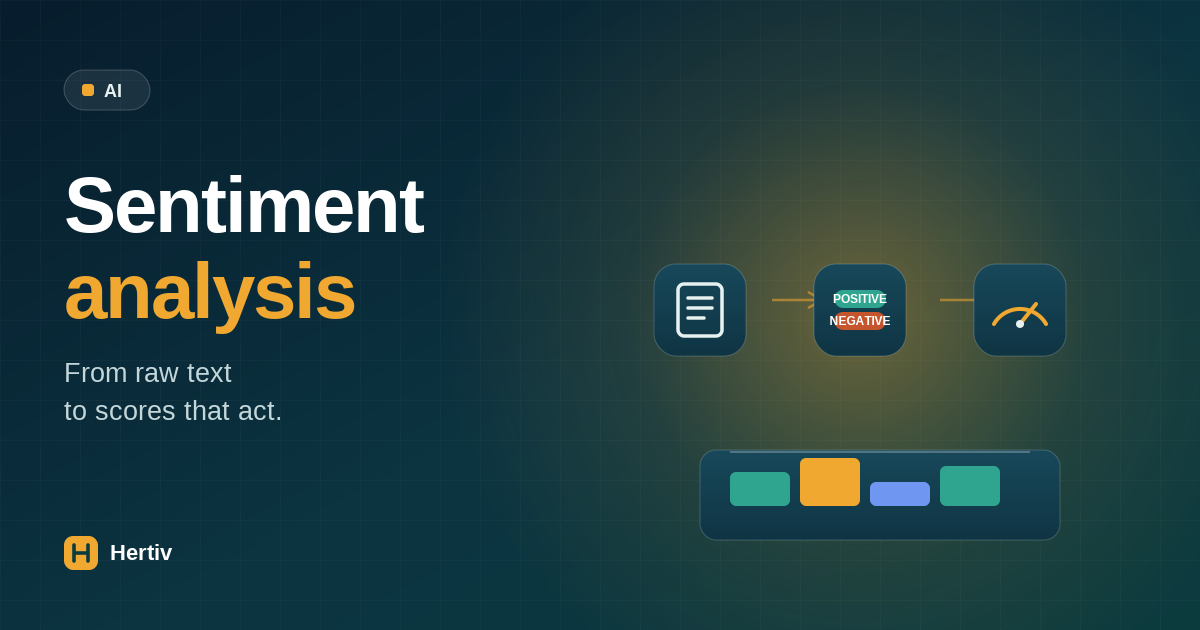
Sentiment analysis turns customer text into positive, negative or neutral scores. Pick the approach, prepare labelled data, then build and measure it.
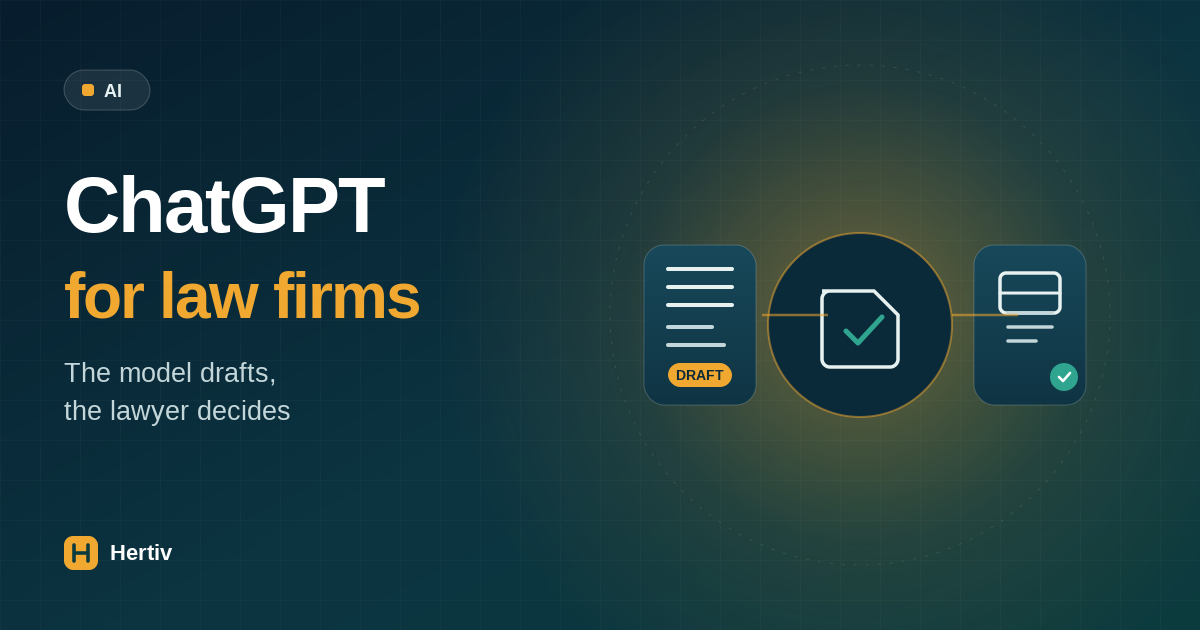
ChatGPT can draft, summarise and research for a law firm, but it cannot practise law. This guide shows where it helps, where it fails, and how to use it safely.
AI agent development cost depends on scope, tools and the guardrails around it. This guide breaks the budget into parts and shows what drives each one.
No posts on this page match. Use site search (Ctrl K) to search every post.
A senior engineer reads every request and replies within one business day with questions, a rough range, or a call link.