AI
8 RAG Use Cases in Insurance Worth Building
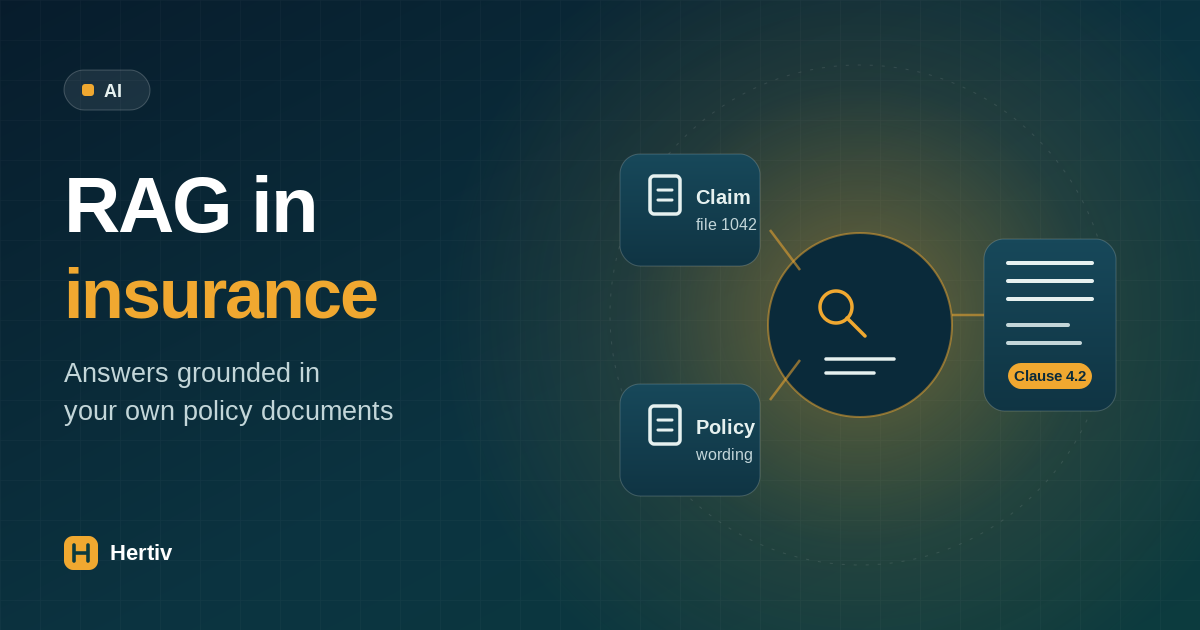
RAG pairs a language model with your own documents so answers cite real policy wording. Here are eight insurance use cases where that pattern pays off.
Guides on AI agents, LLM apps, RAG, evaluation and MCP, written by the engineers who build them.
1977 posts · page 32 of 83
RAG pairs a language model with your own documents so answers cite real policy wording. Here are eight insurance use cases where that pattern pays off.
Speech recognition turns spoken words into text your product can act on. This guide covers the pipeline, the build-or-buy choice, and the steps to ship it.
AI transcription tools turn meetings, interviews and calls into searchable text. Here are eight worth comparing, with what each one is best for and what to check.
Computer vision in marketing reads images and video to test creative, watch shelves and listen to social feeds. Here is how it works and where it helps.
An AI copilot costs five things: the build, model calls, data and retrieval, maintenance, and support. Budget for growth, not pilot usage.
Implement synthetic data in six steps: define the purpose, profile the real data, pick a method, sample small, run quality checks, then document and share.
Compare eight AI voice agent platforms on voice quality, telephony, integrations and pricing, so you can shortlist the right one for your call volume and stack.
AI helps with UAE visa applications by reading passport scans, checking documents and flagging errors, while officers still make the final decision.
Document AI reads marketing documents — briefs, contracts, invoices and brand files — and turns them into structured data your team can search, check and act on.
An AI voice agent costs a build fee plus a monthly running bill driven by call minutes and model use. This guide breaks down both parts and how to budget them.
A vector database stores embeddings so your app can search by meaning instead of keywords. It covers choosing one, loading data and building the search path.
The best Amazon PPC automation software adjusts bids, budgets and placements on its own rules. Here are eight tools compared by what they automate and who they fit.
Computer vision cost depends on data, model choice and running costs, not just the build. Here is how the parts add up and how to budget for them.
Eight B2B marketing automation platforms compared on lead scoring, account-based marketing, CRM fit and sales handoff, so you can shortlist the right one.
A large language model costs money in three places: training, hosting and API calls. Each is priced differently, and the cheapest route depends on your volume.
The best browser automation tools split into code-first libraries, low-code recorders and cloud browsers. Compare by control, scale and what your team knows.
A generative AI platform for hospitality drafts guest messages, marketing copy and review replies from your own rates and policies. Here is how to choose one.
Eight AI agents for finance teams, compared by the job they own: reconciliations, spend control, invoices, receivables, close and FP&A reporting, with how to choose.
Multimodal AI costs more than text-only AI because images, audio and video each add model calls, processing and storage. Here is how the bill is built.
Build automation tools compile code, run tests and package the result. These eight cover the main choices, from Gradle and Bazel to Jenkins and TeamCity.
AI copilots in supply chain draft forecasts, orders, tracking updates and supplier emails while people decide. These eight use cases fit that pattern best.
The best chatbot apps for everyday use: ChatGPT, Claude, Gemini, Copilot, Perplexity, DeepSeek, Meta AI and Poe, compared by what each does best and when to pick it.
AI voice agents in supply chain handle the phone work: driver check-ins, warehouse calls, supplier orders and delivery updates, so staff stop chasing calls.
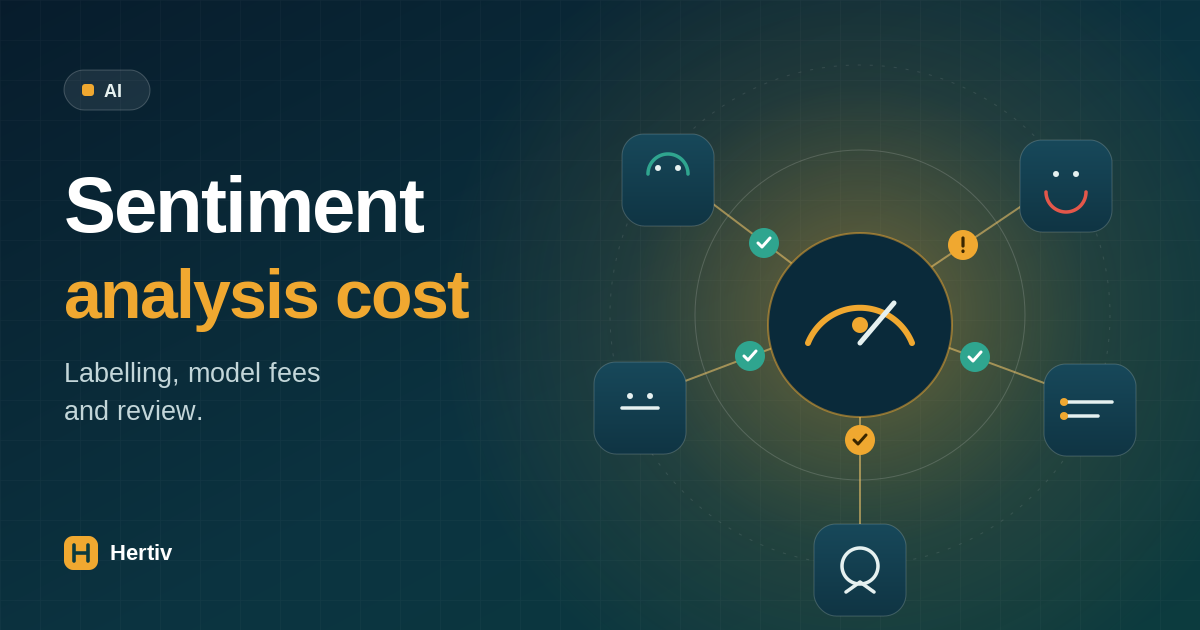
Sentiment analysis costs a mix of data labelling, model or API charges, integration and running costs. Here is what each part adds to the total.
No posts on this page match. Use site search (Ctrl K) to search every post.
A senior engineer reads every request and replies within one business day with questions, a rough range, or a call link.