AI
How to Implement AI Guardrails Step by Step
AI guardrails are the checks around a model that stop bad outputs before they reach users. Here is how to design, test and run them.
Guides on AI agents, LLM apps, RAG, evaluation and MCP, written by the engineers who build them.
1977 posts · page 29 of 83
AI guardrails are the checks around a model that stop bad outputs before they reach users. Here is how to design, test and run them.
An AI agent can sort, read, draft and track legal documents, but it must never decide the law. Here is how the workflow works and where a lawyer stays in charge.
AI orchestration connects your models, tools and data into one reliable workflow. Here is a practical plan to build it without rebuilding your whole stack.
Finance teams need AI partners that understand banking rules, risk and data privacy. These eight firms build AI systems for banks, insurers and payment companies.
Agentic AI ROI is the value of work agents finish alone, minus build, run and supervision costs. Here is how enterprises measure it and where the return appears.
AI ROI tracking turns model spend into a number finance can check. Set up baselines, costs and reviews so every AI project reports a real return.
Machine learning in business analytics turns past sales, customer and operations data into forecasts and segments you can act on. Start with one decision.
Anomaly detection flags the unusual transactions, readings and logins your team should check. This guide walks through data, method choice and a first pilot.
AI works across travel: planning trips, pricing seats, forecasting demand and answering travellers. Here are 15 use cases that hold up, and how to pick the first.
Computer vision lets software read images and video, from counting stock to checking parts on a line. Here is a practical plan to build it, test it and ship it.
AI agents can check permit applications for missing documents, route them to the right reviewer and answer applicant questions, but a person must decide.
Implementing conversational AI means choosing one workflow, grounding answers in your own content, and testing with real conversations before launch.
AI chatbots in manufacturing answer shop-floor questions, guide operators and triage maintenance requests, so staff spend less time searching for information.
Data annotation turns raw text, images and audio into labelled training data. Here is a practical plan for guidelines, tools, people and quality checks.
AI is already used by Australian agents, buyers and property managers for pricing, search and paperwork. Here is what works, what it costs, and where to be careful.
Edge AI runs models on the device instead of in the cloud. Here is how to pick the hardware, prepare the model and ship a first version that stays fast and reliable.
AI voice agents can answer client calls, book consultations and collect intake details for a law firm, but they must not give legal advice or decide a case.
Retail copilots draft product copy, answer staff questions and flag stock problems — with a human in the loop. These eight use cases show where they pay off.
ChatGPT helps insurers draft documents, summarise claims and answer staff questions, but it must stay grounded in policy wording and away from binding decisions.
Implementing a foundation model means picking a model, grounding it in your own data, wiring it into a product and measuring it on real tasks before users see it.
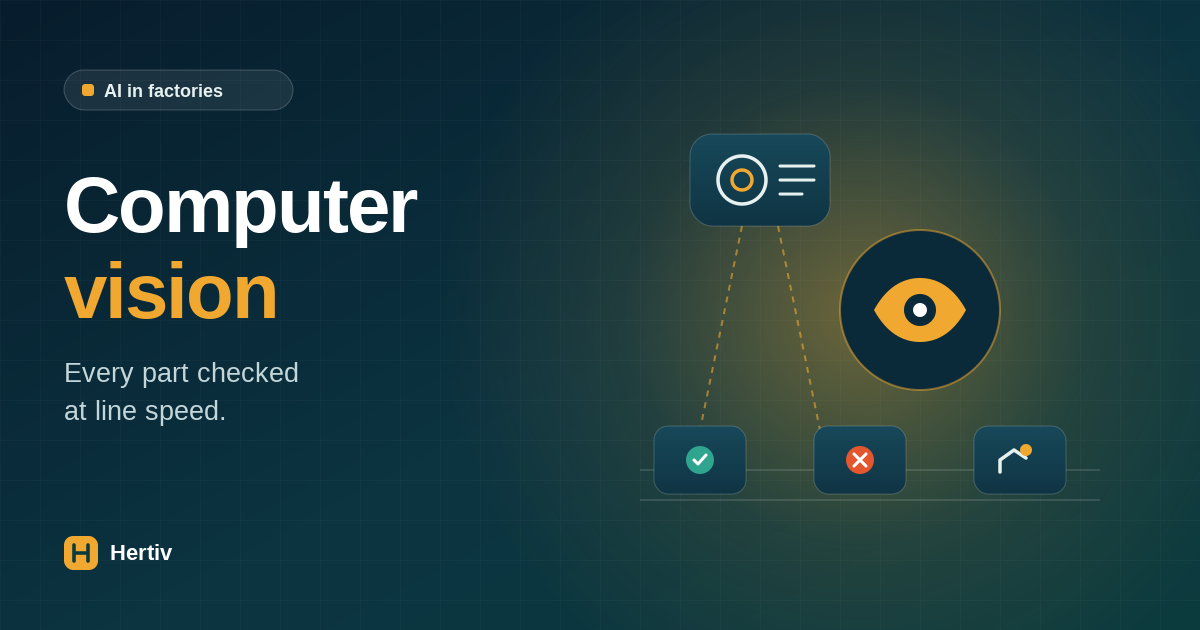
Computer vision in manufacturing uses cameras and software to inspect parts, watch assembly and flag defects on the line. See where it works and how to roll it out.
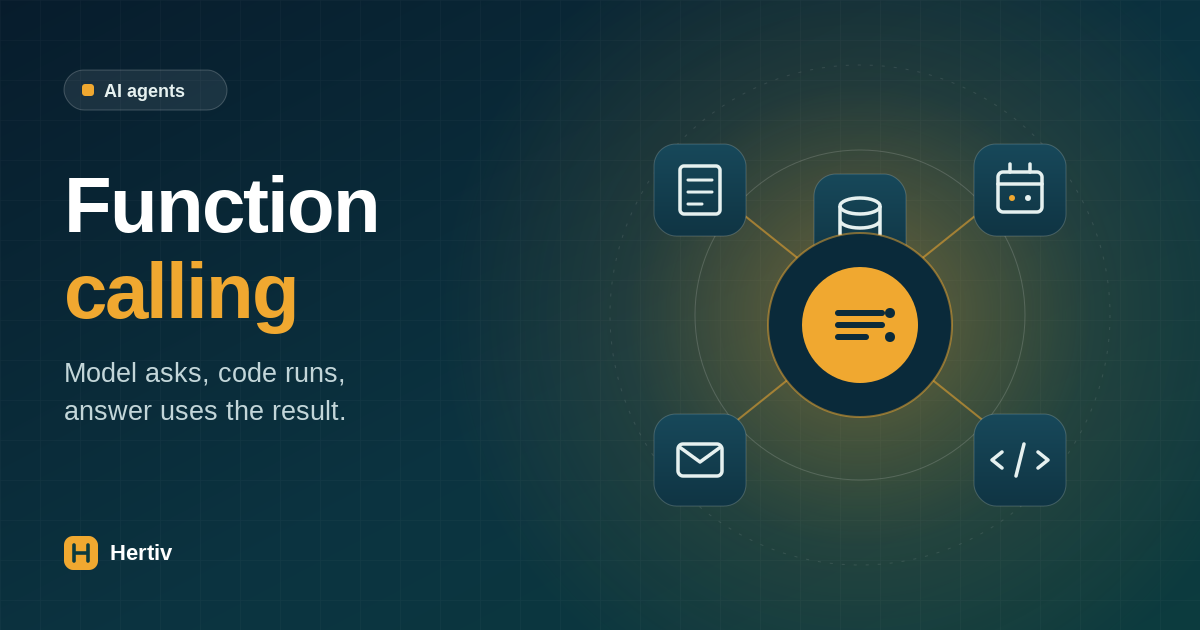
Function calling lets a language model run your tools and use the results in its answer. Learn how to define tools, wire up the loop and handle bad calls.
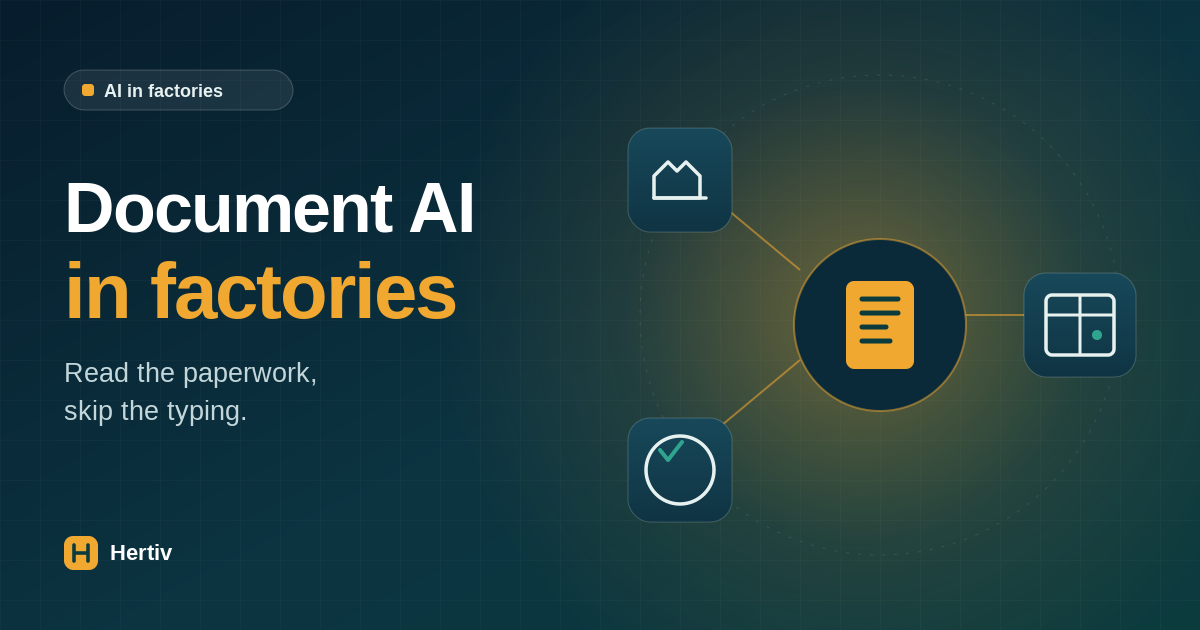
Document AI reads factory paperwork and turns it into structured data your systems can use. Here is where it fits on the shop floor and how to roll it out.
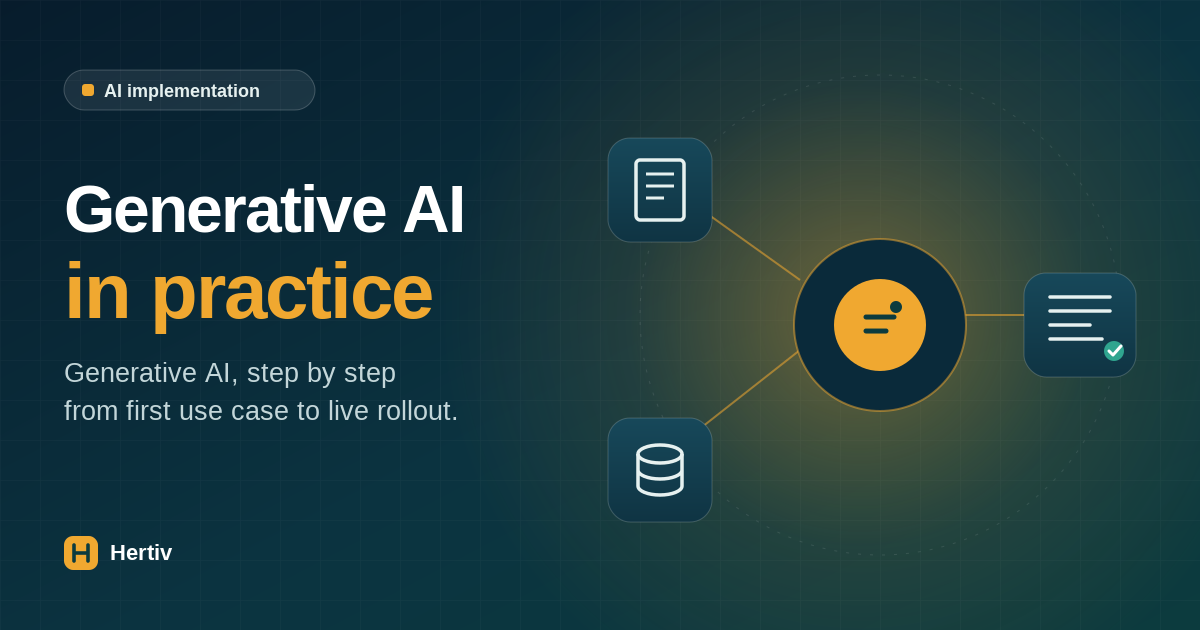
Generative AI works when it is tied to one clear job, good data and a human review step. This guide covers picking a use case and choosing a model.
No posts on this page match. Use site search (Ctrl K) to search every post.
A senior engineer reads every request and replies within one business day with questions, a rough range, or a call link.