Engineering
Open Source Code Review Tools Teams Actually Use
Open source code review tools give teams pull-request review and quality gates without a licence fee. Here are eight worth running, and how to pick one.
Page 39 of 226.
5404 posts · page 39 of 226
Open source code review tools give teams pull-request review and quality gates without a licence fee. Here are eight worth running, and how to pick one.
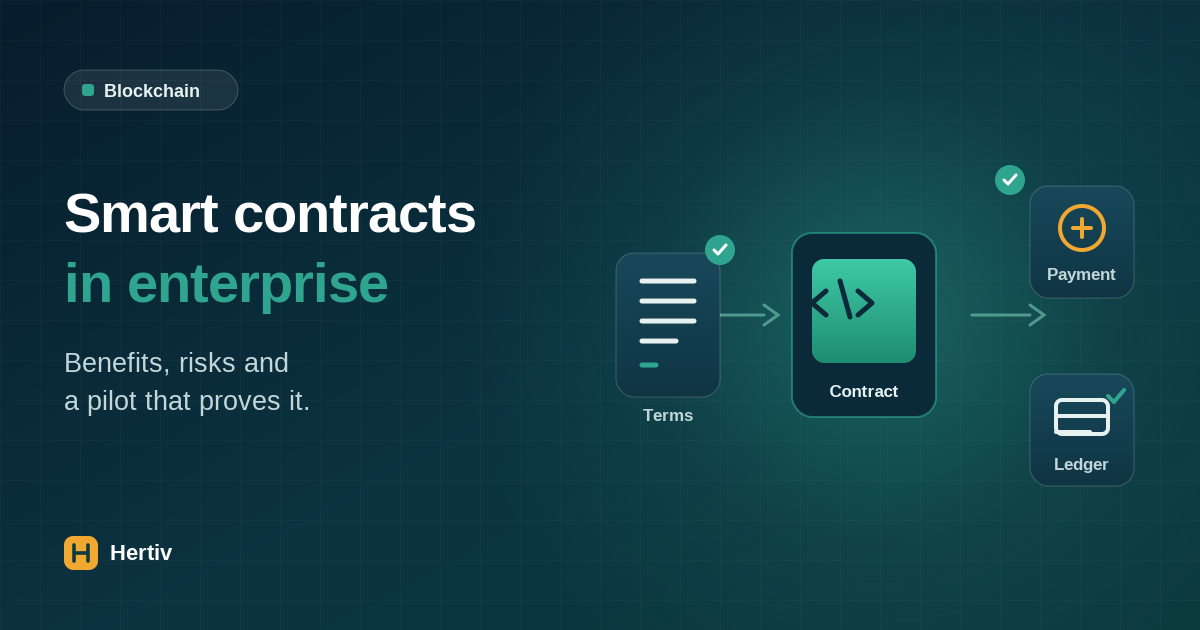
Smart contracts can cut settlement time and manual checks for enterprises, but they bring legal, integration and upgrade risks. Here is a balanced look.
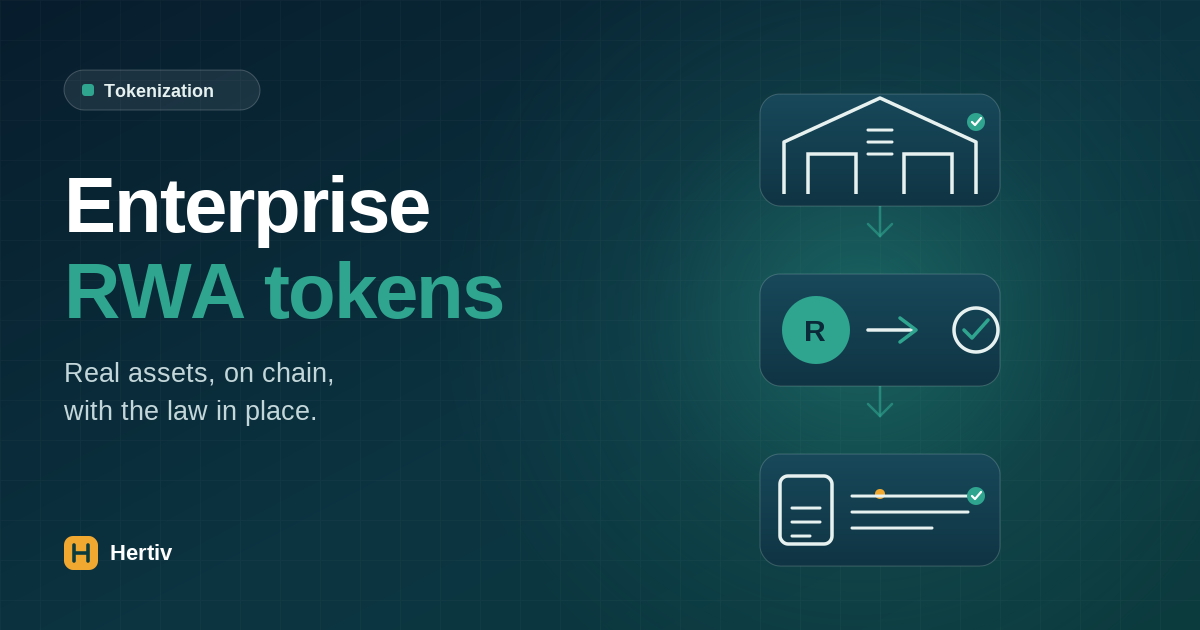
Enterprise RWA tokenization turns real assets into tokens an institution can hold and transfer. Here are the answers to the questions boards ask first.
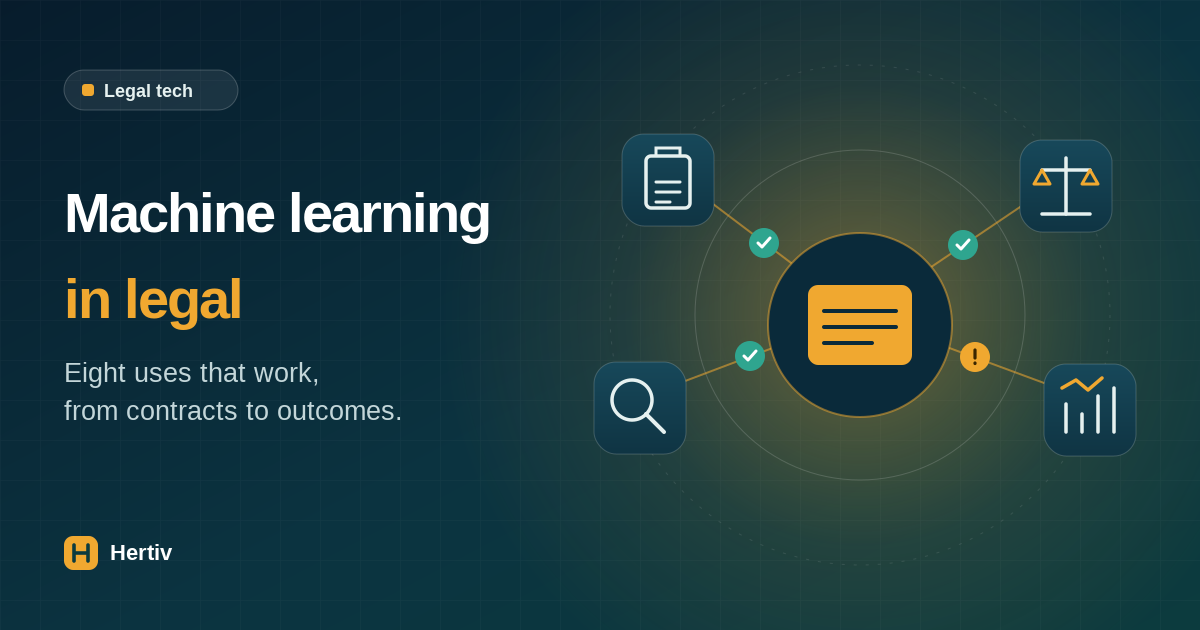
Machine learning in legal work sorts documents, predicts outcomes and finds the clause that matters. Here are eight uses that work, and where each one fits.
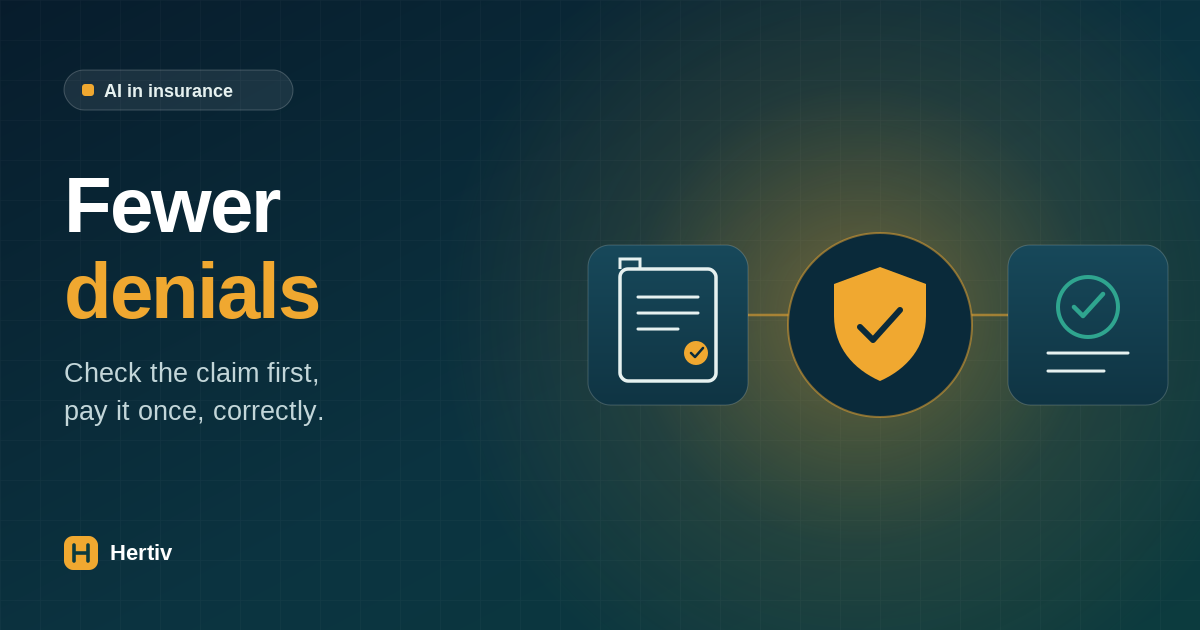
AI cuts claim denials by checking documents, coverage and policy terms before a claim is filed, and by learning from past denials. Here is how insurers use it.
Data observability tools watch freshness, volume, schema and quality in your pipelines, then alert the team before bad data reaches a dashboard or a model.
Generative AI drafts job posts, screens CVs, answers policy questions and prepares onboarding packs. Learn where it helps and what a person must still check.
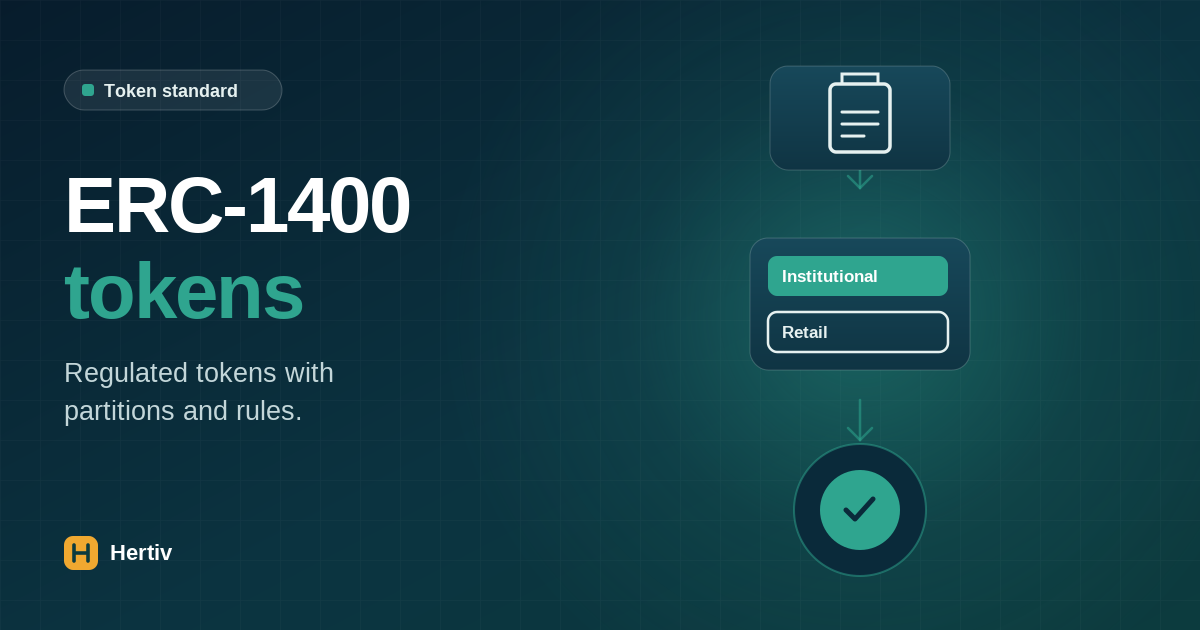
ERC-1400 is an Ethereum standard for security tokens, adding transfer rules, partitions and linked documents to ERC-20. Learn how it works and when it fits.
Open source data pipeline tools move data from sources to warehouses without licence fees. Compare eight tools for orchestration, transformation and ingestion.
Computer vision turns training video into measurements coaches can act on: stride, angles and reaction time. Learn what it tracks and where it falls short.
Bias in AI models comes from data, labels and feedback loops. Here is how to find it, reduce it before and after training, and keep it from coming back.
Multi-agent systems split legal work between specialist agents for research, review and drafting. Here are seven uses and where a lawyer stays in charge.
AI agents answer policy questions, track claims and take routine actions, then hand tricky cases to a human. Here is what they handle and where they stop.
5G gives IoT devices faster replies, more connections per area and longer battery life. Here is what changes, where it works today and what it costs.
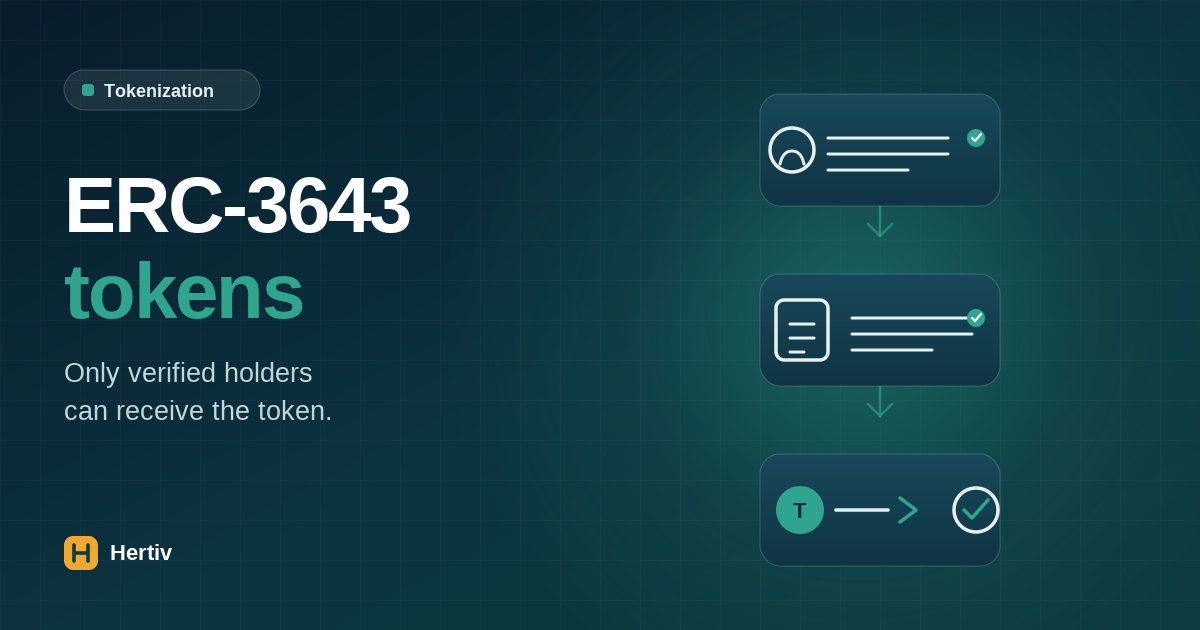
ERC-3643 is the token standard for regulated assets: it checks each holder's identity before a transfer happens. Learn how it works and when to use it.
Australian insurers use AI for underwriting, claims and fraud checks under the Privacy Act and APRA oversight. Here is where it helps and what the rules require.
Open source error tracking tools catch crashes without a paid plan. Compare eight self-hosted options, what each does best and how to pick one.
AI remote proctoring watches online exams through a webcam, flags odd behaviour and lets a human decide what counts. Learn how it works and where it falls short.
Blockchain gives construction projects one shared record for payments, materials and milestones that every party can check. It helps where trust is thin.
Advanced analytics turns data your business already collects into forecasts, segments and early warnings. The main techniques, where each helps, and how to start.
Generative AI drafts, summarises and answers questions in insurance work, from claims notes to policy replies. It saves time, but it cannot settle a claim alone.
Ethereum runs smart contracts: code that carries out agreements automatically when conditions are met. How the two fit together, what gas pays for, and the limits.
Eight open source feature flag tools compared: self-hosted services, in-code libraries and a vendor-neutral standard, with what each does best and how to pick one.
AI agents for supply chain compliance screen suppliers, shipments and documents against trade and safety rules — and flag the cases that need a human decision.
No posts on this page match. Use site search (Ctrl K) to search every post.
A senior engineer reads every request and replies within one business day with questions, a rough range, or a call link.