Engineering
Uber's UX Principles, and How to Use Them
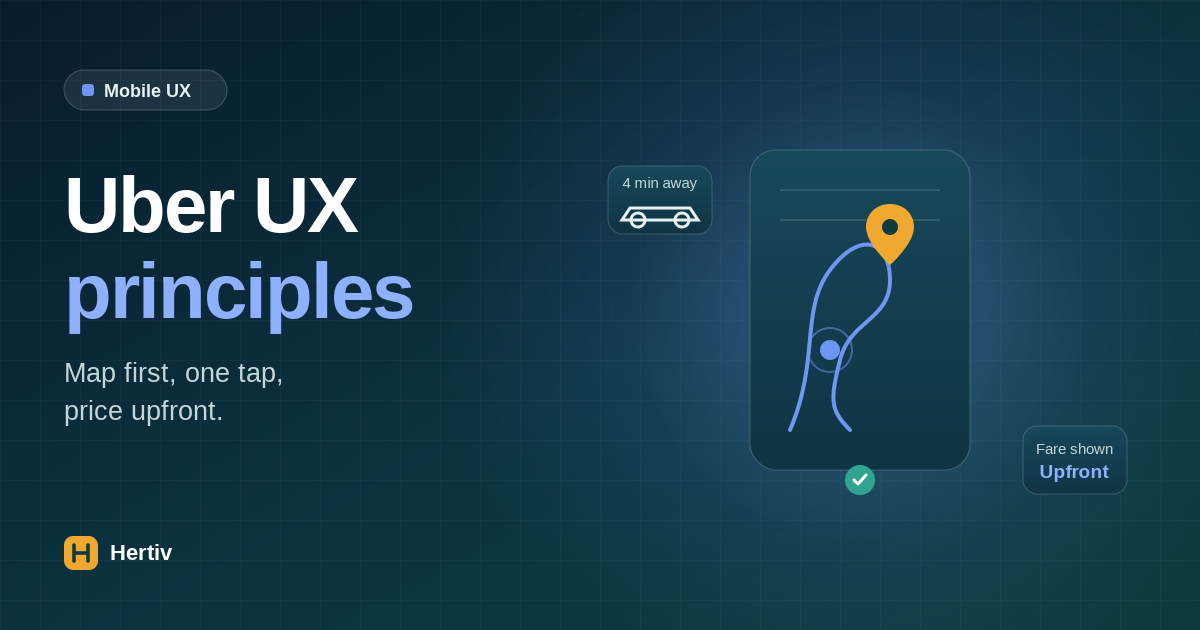
Uber's app works because it follows a few clear UX rules: map first, one tap to book, price before the ride, and live tracking. Here is how each one works.
Page 206 of 223.
5341 posts · page 206 of 223
Uber's app works because it follows a few clear UX rules: map first, one tap to book, price before the ride, and live tracking. Here is how each one works.
Getting featured on the App Store is an editorial decision, not a purchase. These seven tactics make an app easier for editors to notice, trust and recommend.
Machine learning helps farms spot disease early, predict yields and use water more carefully. Learn where it works today and how a farm team can start small.
The best data science projects use real data, a clear question and a result someone can act on. Here are eight projects that build the skills employers ask for.
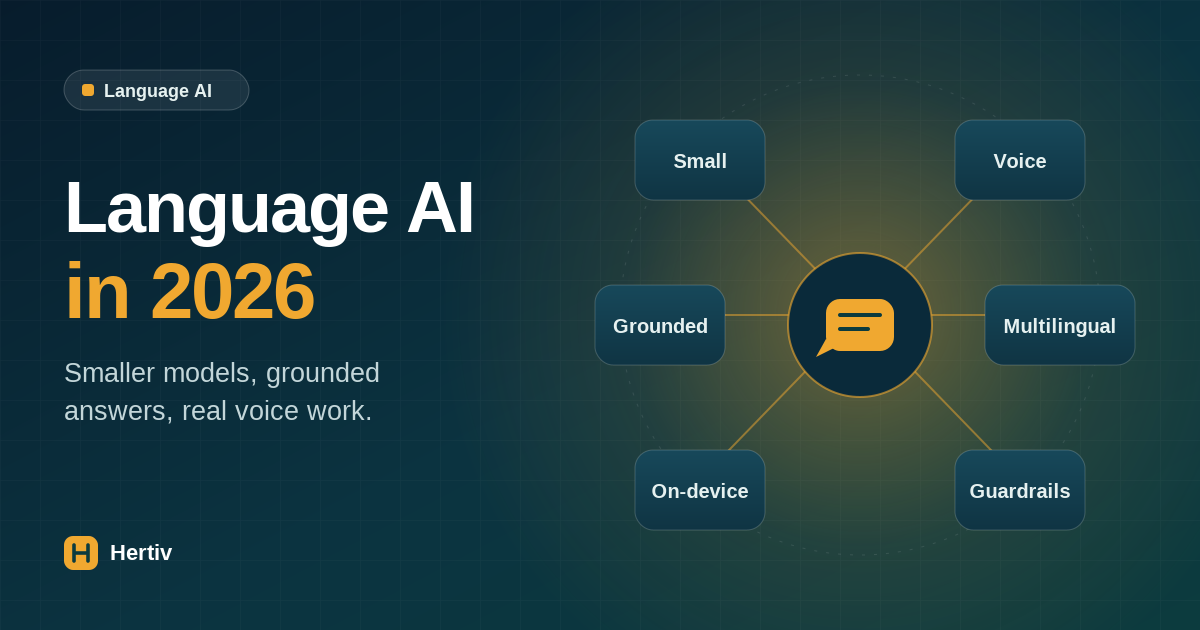
NLP is moving from large general models toward smaller, specialised systems that run where the work happens. Here are six trends shaping how teams use language AI.
JavaScript runs the web in the browser, while Python leads in data and automation. Compare what each language does best, then pick the one that fits your goal.
An on-demand delivery app needs three apps, a dispatch system and payments, so its cost depends on scope. Here is what drives the price and how to estimate it.
Solana is a fast blockchain with low transaction costs, built for apps that need many small transactions. Here is how it works and how to ship your first app on it.
A startup needs an IT consulting partner that works in small steps, ships early, and understands tight budgets. These six firms make a strong shortlist.
AI chatbots work best where the question is common and the answer is known, with a clear handover to a human. Here are six use cases that save time.
Most users who uninstall an app do so in the first week, because onboarding was slow or the value was unclear. Here is how to find the reason and fix it.
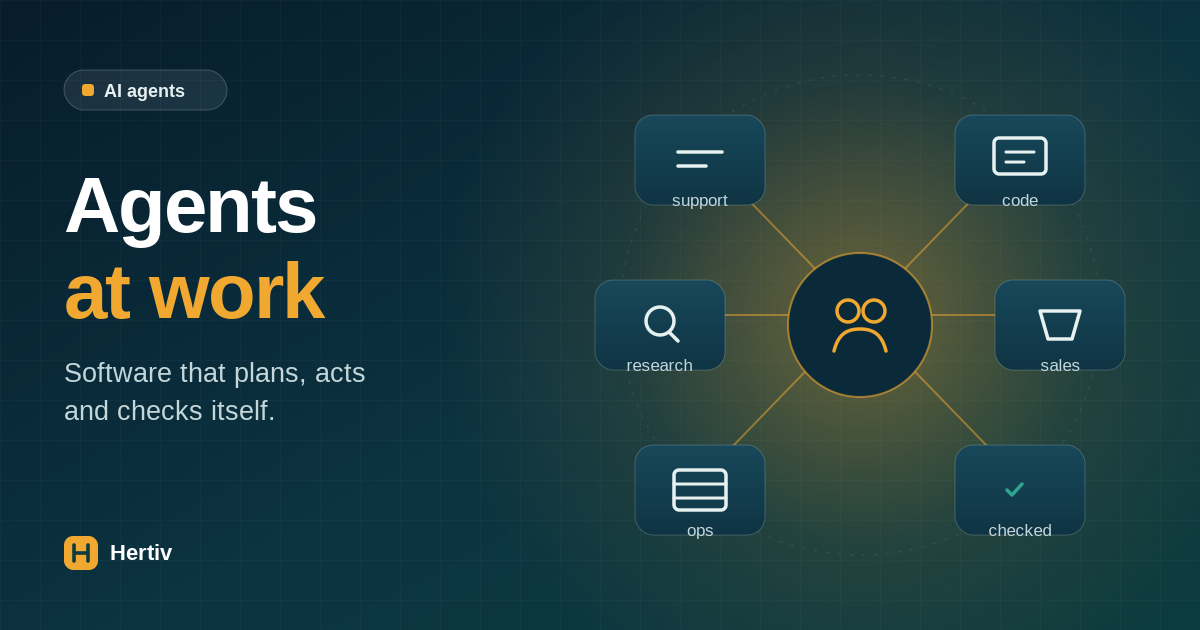
AI agents take a goal, plan the steps and use tools to act on their own. Here are the use cases where that pattern already works, and where it still needs a human.
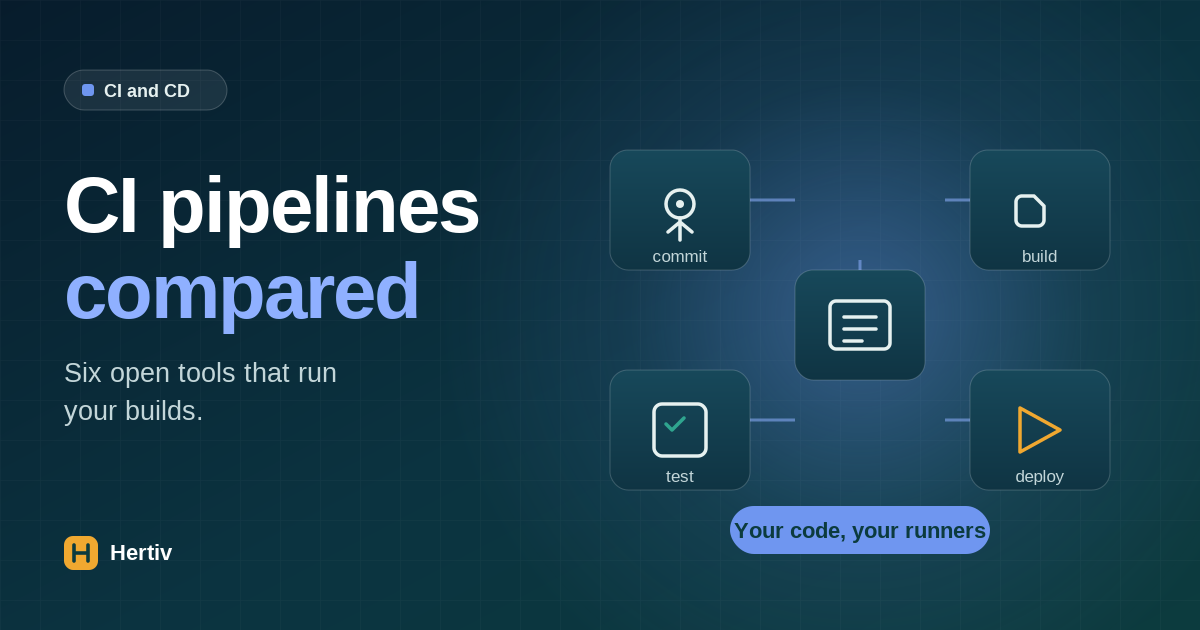
GitHub Actions is handy, but teams that want self-hosted runners and open code have options. Here are six open source CI tools worth a look.
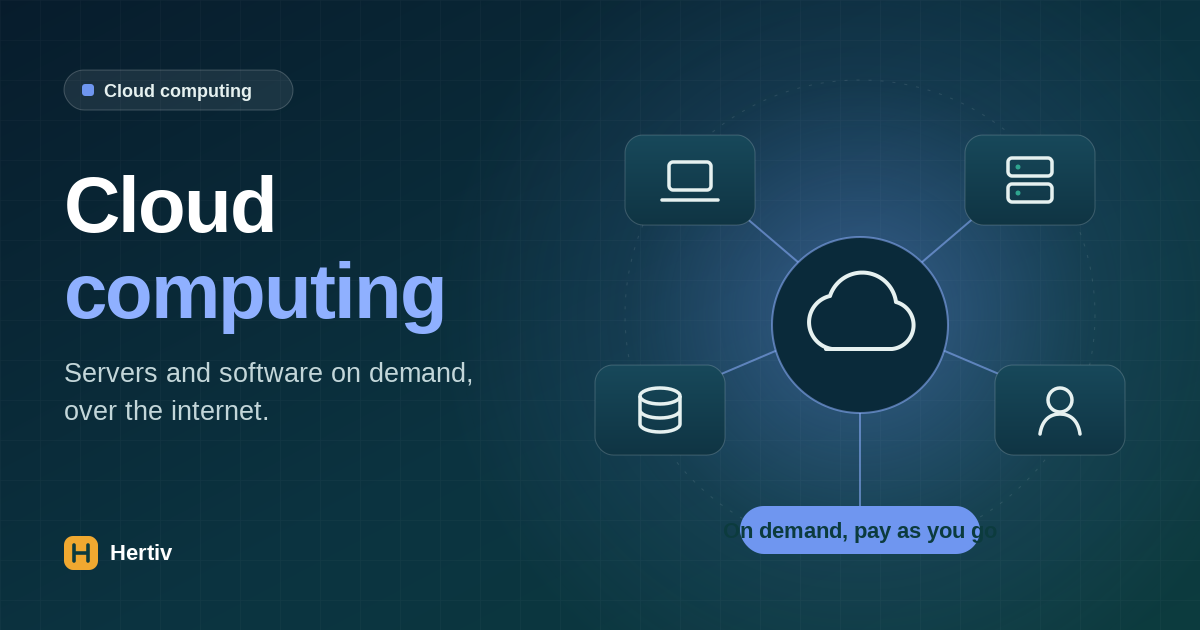
Cloud computing rents servers, storage and software over the internet instead of buying hardware. Learn the service models, deployment types and how to start.
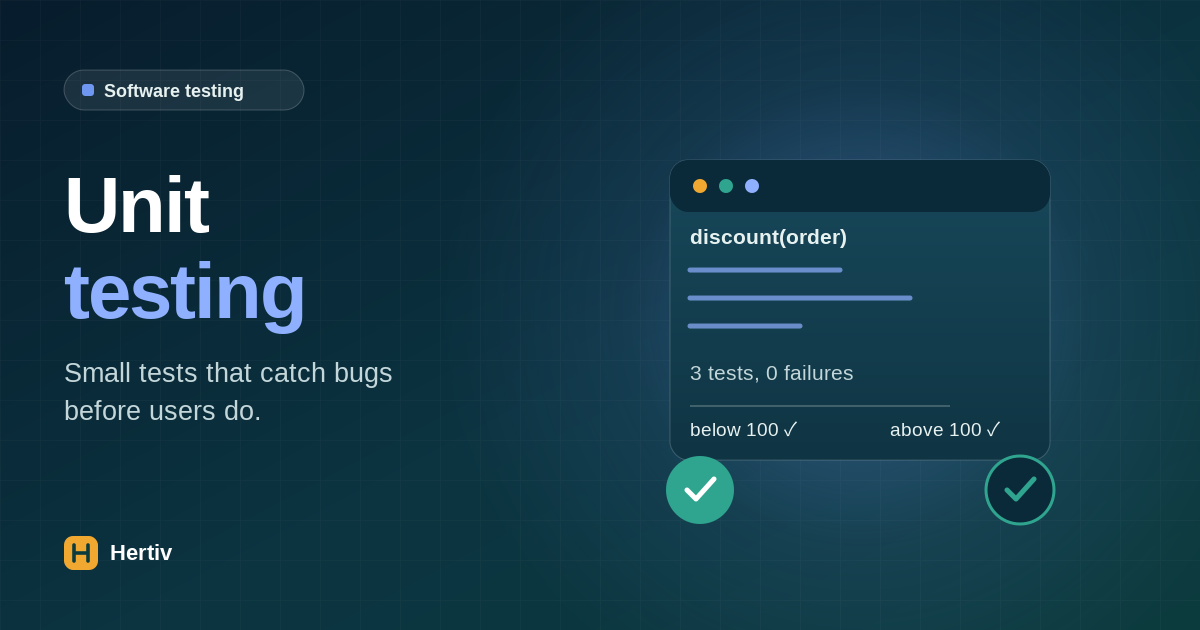
Unit testing checks the smallest parts of your code, one function at a time, so bugs are caught where they start. Learn what makes a good test and how to write one.
NLP reads clinical notes, referrals and messages to pull out the facts teams need. Learn where it helps in healthcare, where it does not, and how to start safely.
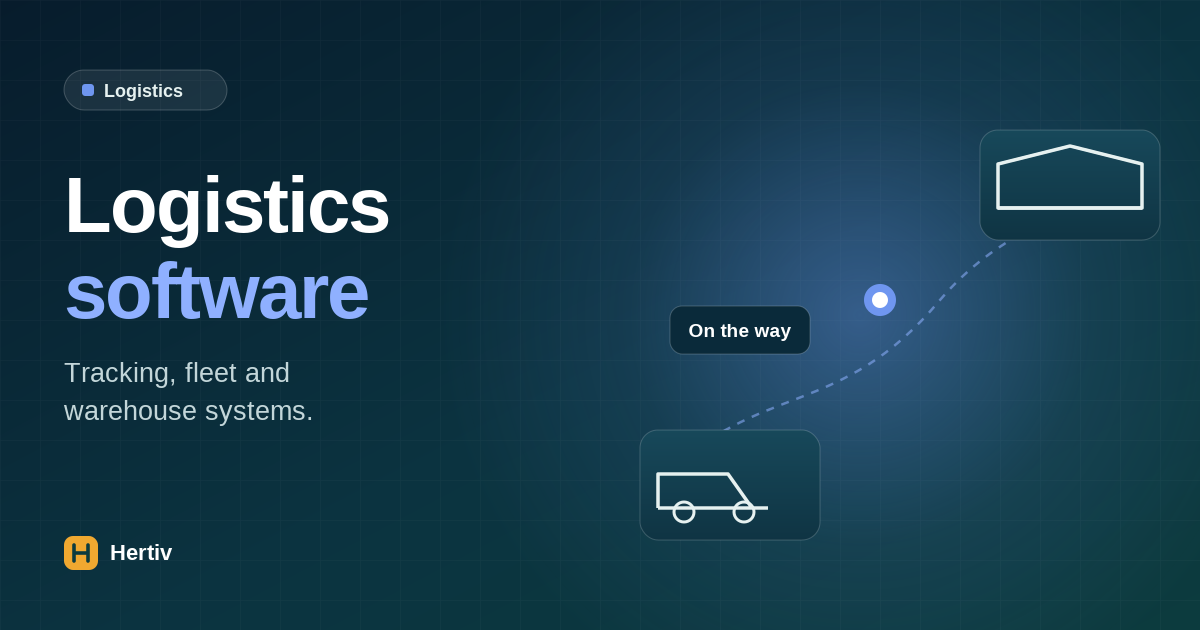
Logistics software companies build tracking, fleet and warehouse systems for shippers and carriers. Here are six worth a shortlist, and how to pick between them.
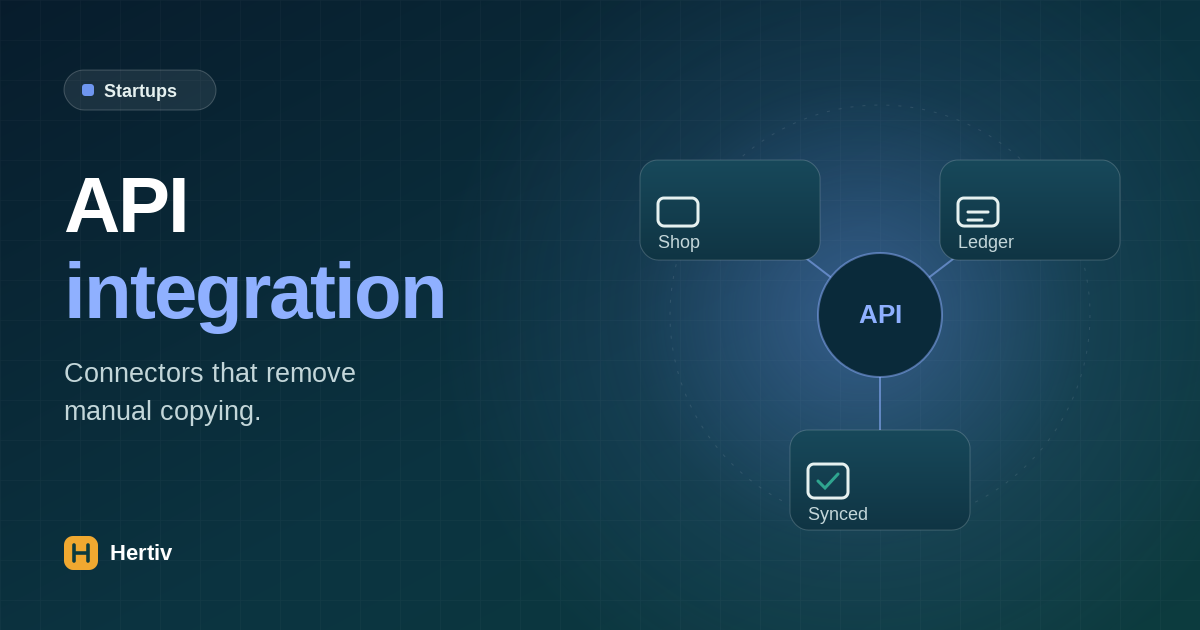
API integration startups connect tools that do not talk to each other. Here are six ideas that solve real workflow pain, and how to pick the one to build.
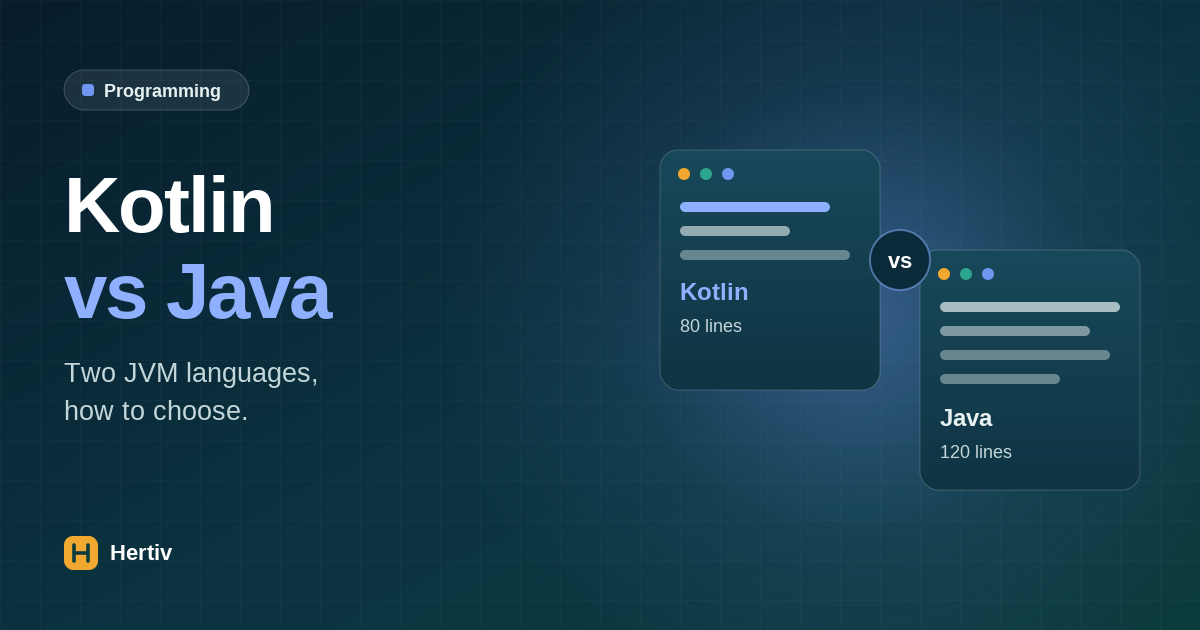
Kotlin and Java both run on the JVM, but Kotlin is shorter and safer by design while Java is older and wider. Here is how to choose between them for your project.
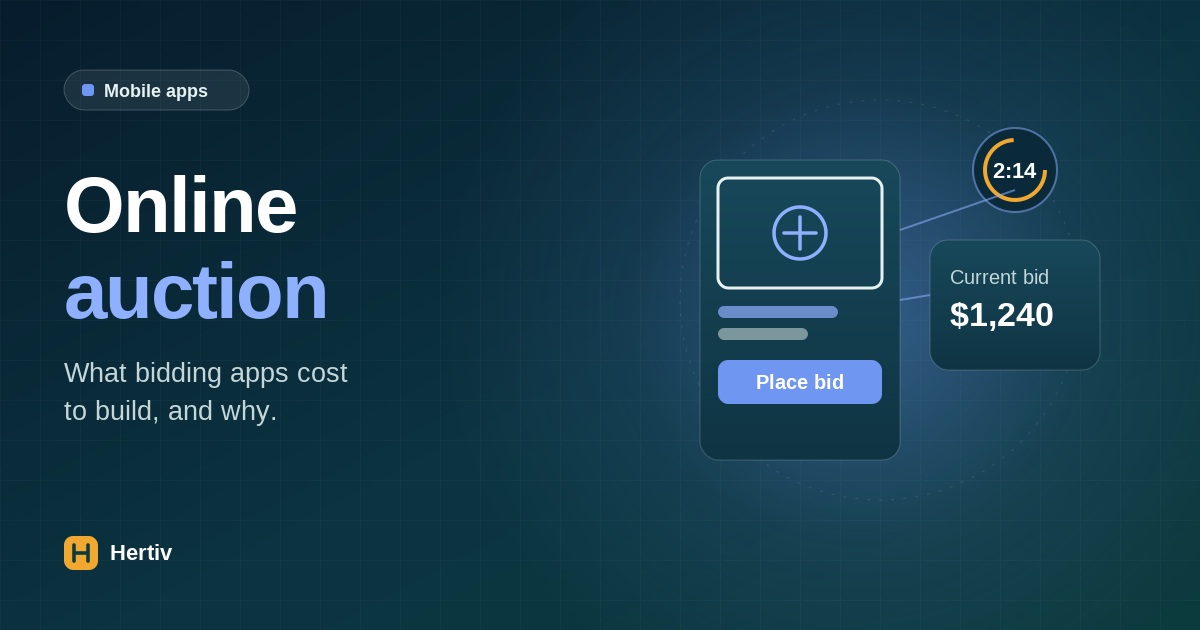
An online auction app costs what its scope costs: bidding, payments, listings and live updates set the price. Learn the cost drivers and how teams plan a budget.
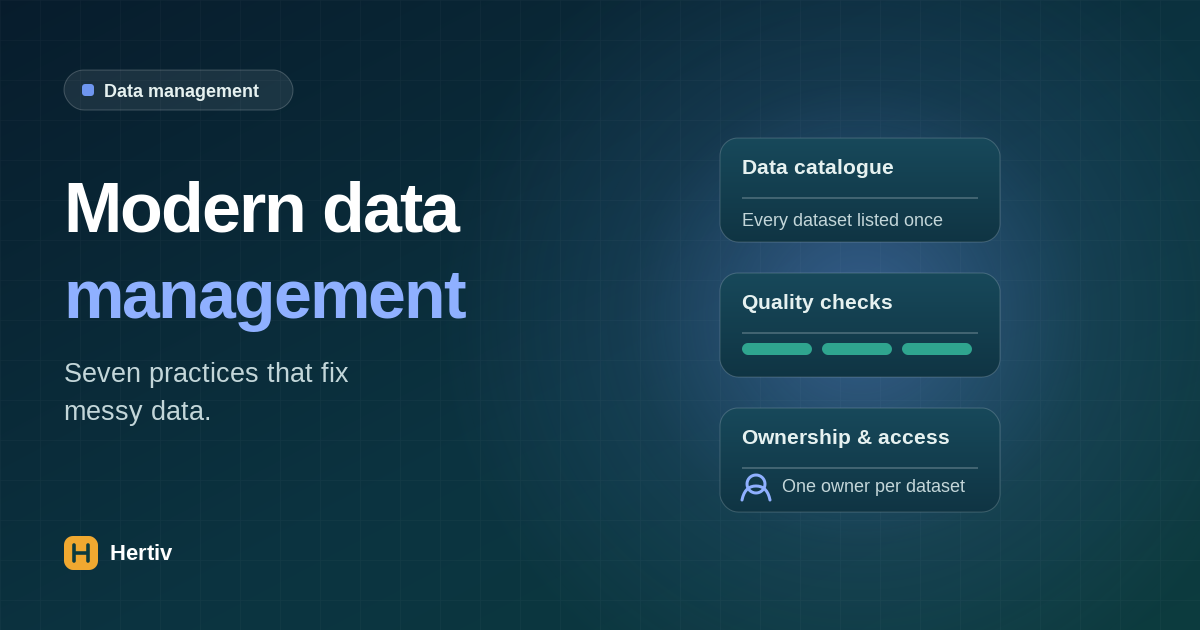
Modern data management is less about new tools and more about seven habits: catalogue data, fix quality at the source and name an owner for every dataset.
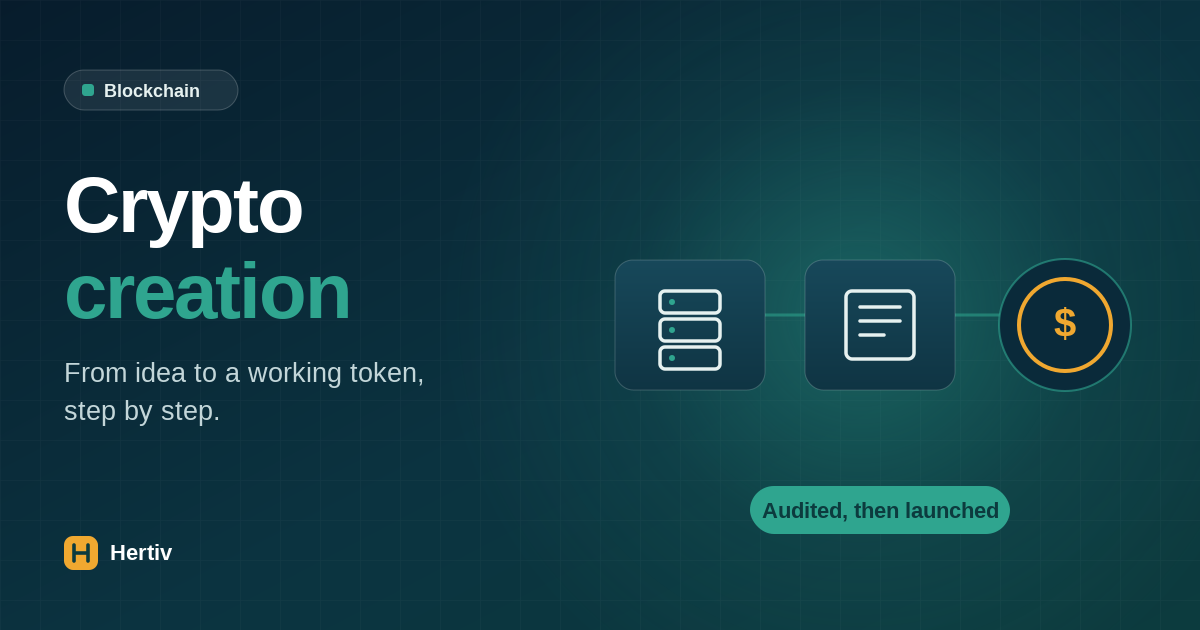
Creating a cryptocurrency means choosing between a new blockchain and a token on an existing one. Follow the steps before you spend anything.
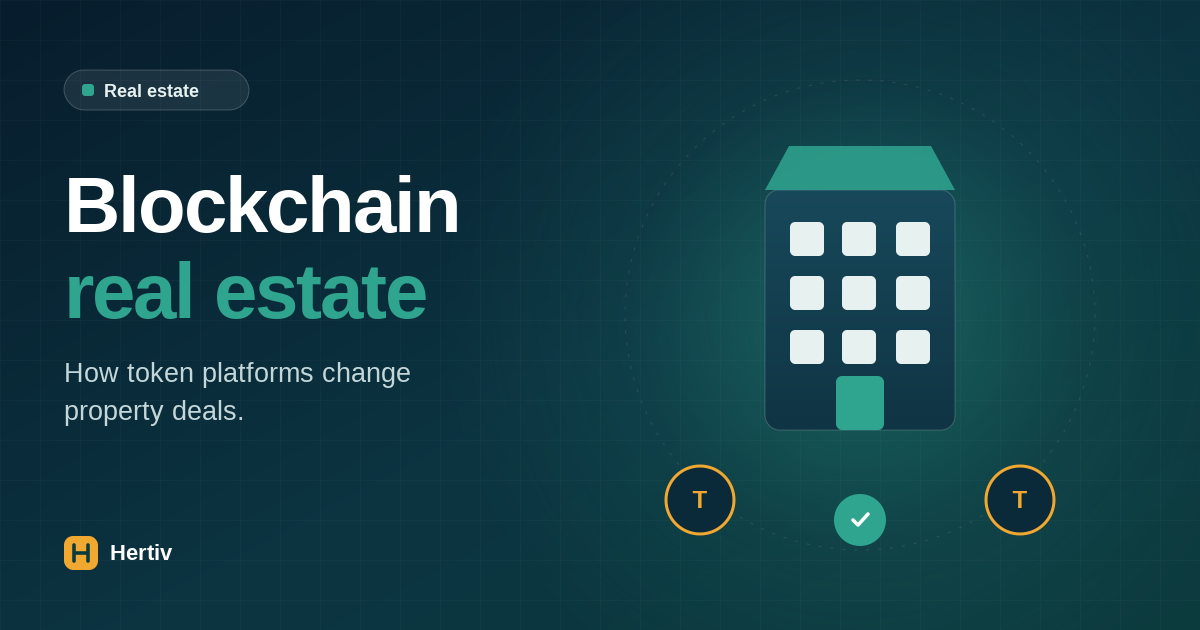
Blockchain companies in real estate build tokenization platforms, title records and faster settlement. Here is what each type does and how to judge it.
Enterprise generative AI platforms differ in model choice, data control and cost. Compare the six main options and pick the one that fits your data and your budget.
No posts on this page match. Use site search (Ctrl K) to search every post.
A senior engineer reads every request and replies within one business day with questions, a rough range, or a call link.