AI
How to Raise ROI With Machine Learning
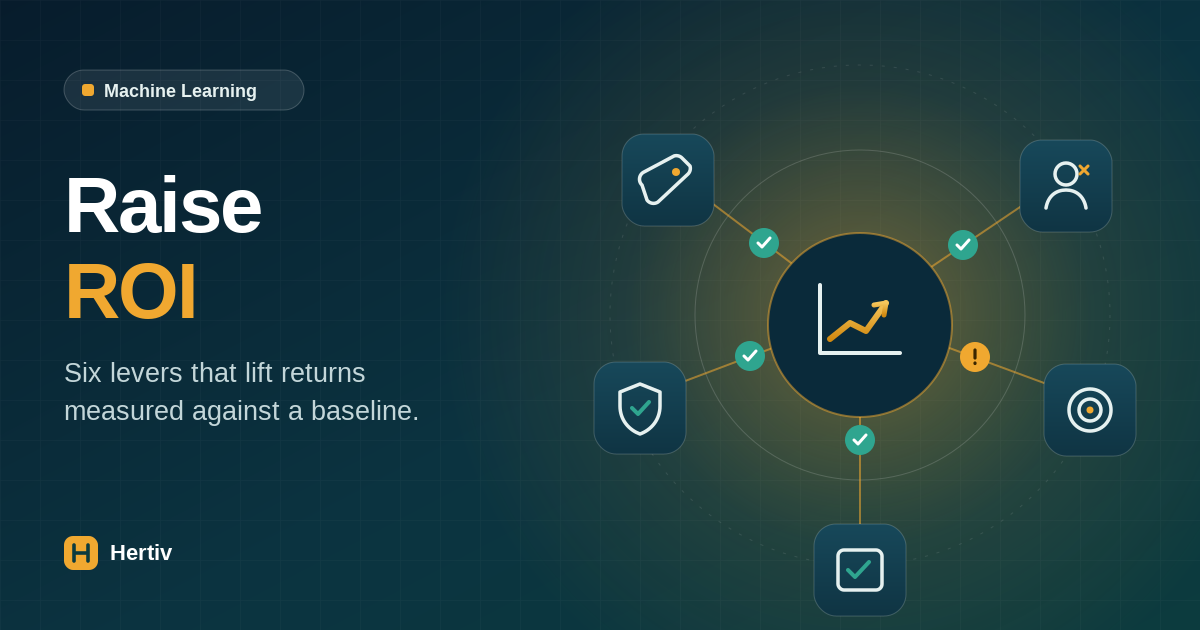
Machine learning raises ROI when it makes a costly repeat decision cheaper or more accurate. The six levers that lift returns, and how to pick the use case first.
Page 2 of 221.
5282 posts · page 2 of 221
Machine learning raises ROI when it makes a costly repeat decision cheaper or more accurate. The six levers that lift returns, and how to pick the use case first.
A browser automation agent opens pages, reads them and clicks through tasks like a person would. Here is how one works, what it can do, and how to build one safely.
An agentic coding system splits a coding task across planner, coder, reviewer and tester agents. Here is how to build one that produces code your team can trust.
An AI agent can screen IDO projects, manage allocations and answer investors around the clock. Here is how to build one with clear limits and human checks.
OpenAI's Agents SDK gives you agents, tools, handoffs and guardrails in a small toolkit. Here is how to build your first agent on it, step by step.
A LangChain agent plans its own steps: it reads a request, picks a tool, checks the result and repeats until done. Here is how to build one you can trust.
LangGraph turns an AI agent into a graph of steps with shared state, so you can control decisions, retry failures and pause for review. Here is how to build one.
Agentic AI platforms that run on your own servers: Dify, Langflow, Flowise, n8n, Camunda, Temporal, UiPath and watsonx Orchestrate, compared on install and fit.
Agent assist software helps human support agents in real time with suggested replies, answers and summaries. Here are eight tools to compare before you buy.
An AI healthcare scheduling assistant books, moves and reminds patients about appointments. What it must handle, how to build it, and where a human stays in charge.
Pyth Network brings market prices on-chain from the firms that trade the asset. Its pull model means apps fetch a signed price only when they need one.
The Lightning Network moves Bitcoin payments into payment channels, so they settle in seconds for a tiny fee. Here is how channels, routing and invoices work.
A build guide for an AI model tokenization platform: model registry, token design, inference metering and payouts, with the legal and safety checks that come first.
Eight AI design-to-code tools that turn Figma frames and sketches into working front-end code, with what each one handles well and where it falls short.
Public, private, consortium and hybrid blockchain networks differ in who can join, write and read. Here is how each type works, what it costs and how to choose one.
An AI symptom checker app suggests likely causes and next steps from your symptoms, but it must never present its output as a diagnosis. Here is how to build one.
Outsourcing software can cut costs, but it carries real risks: poor quality, hidden costs, lost knowledge, security exposure and vendor lock-in.
An AI trip planner app turns a destination and a budget into a day-by-day plan. Here are the features, the data and the build steps.
A blockchain fits a new business only when several parties need one shared record. This guide covers the models, the costs and the first pilot.
An AI video agent watches footage, finds the moments that matter and acts on them. Here is how to build one, step by step, with a human review queue in place.
The best AI data protection platforms find sensitive data, watch how it moves and stop leaks before they spread. Compare eight platforms on coverage and fit.
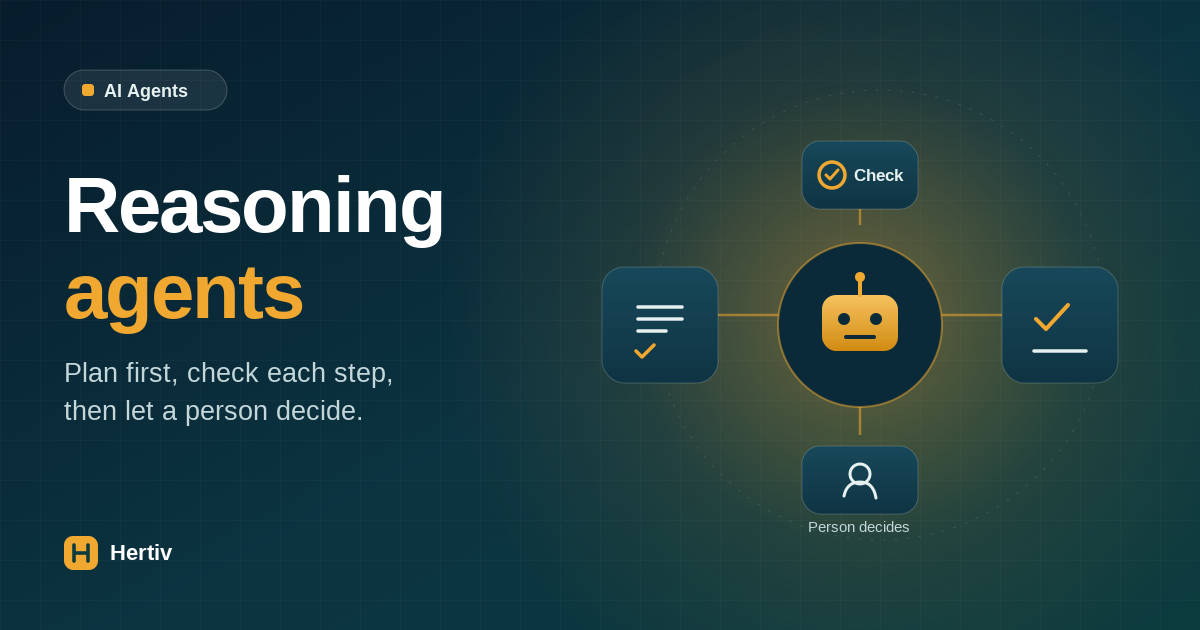
A reasoning AI agent breaks a job into steps, picks tools, checks its own work and asks a person before risky actions. Here is how to build one.
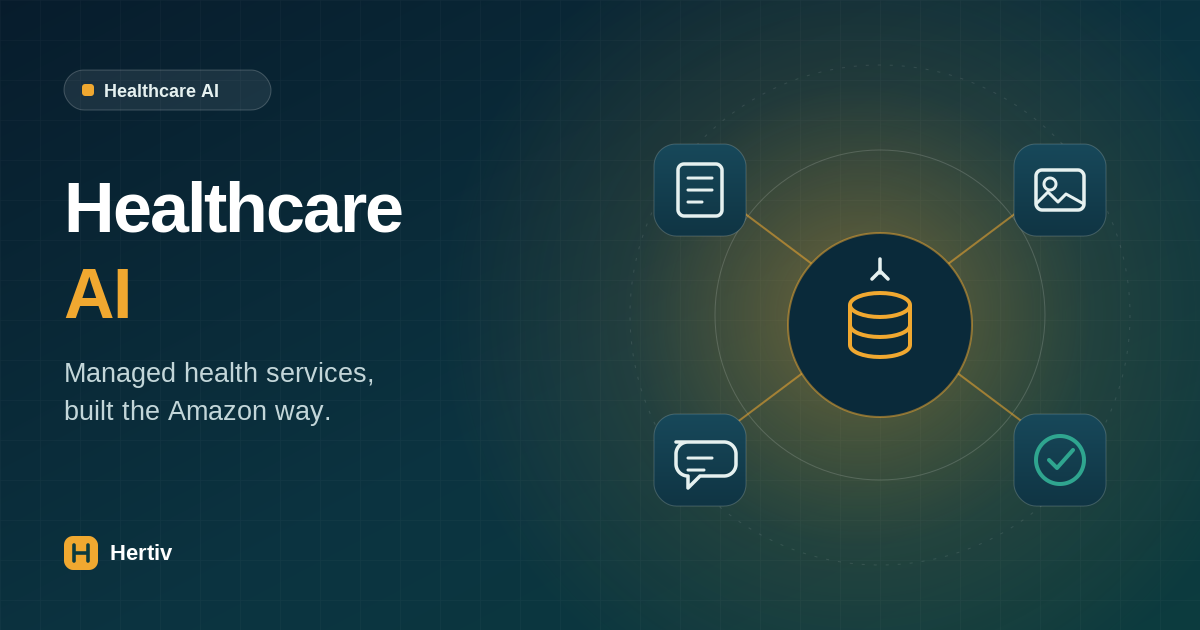
Amazon builds healthcare AI on managed cloud services: a FHIR data store, medical language tools and foundation models. Here is how to copy that pattern.
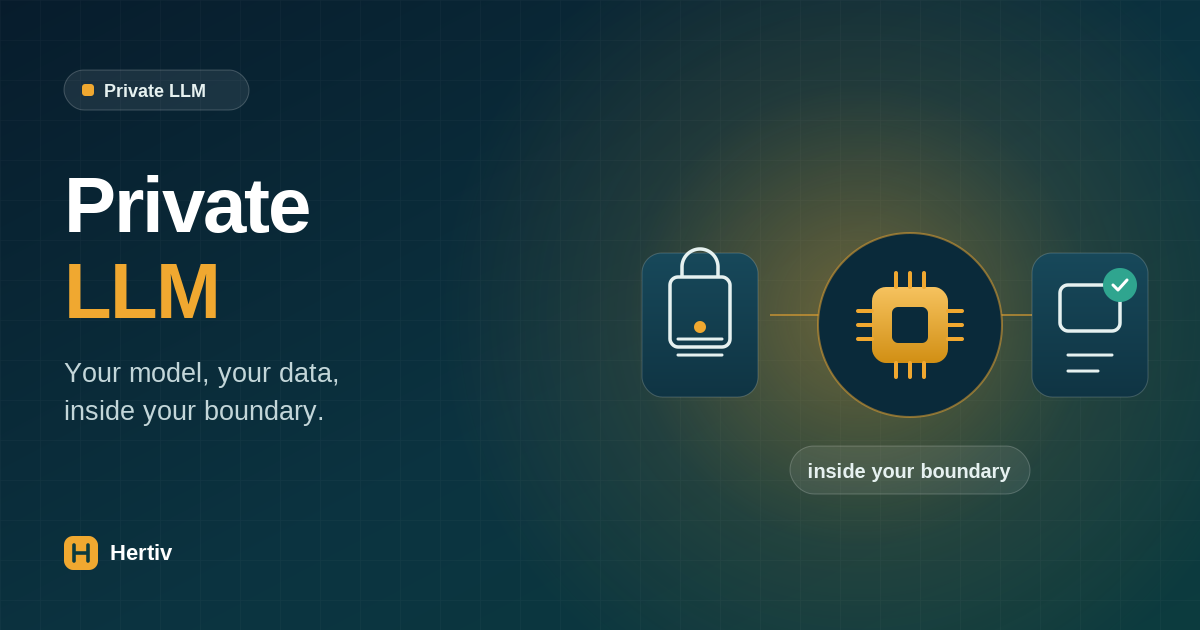
A private LLM keeps your data inside your own systems. Learn the four build paths, how to pick a base model, and the steps to ship one safely.
No posts on this page match. Use site search (Ctrl K) to search every post.
A senior engineer reads every request and replies within one business day with questions, a rough range, or a call link.