AI
Computer Vision in Manufacturing: Where It Pays Off
Computer vision in manufacturing uses cameras and software to inspect parts, watch assembly and flag defects on the line. See where it works and how to roll it out.
Page 60 of 228.
5457 posts · page 60 of 228
Computer vision in manufacturing uses cameras and software to inspect parts, watch assembly and flag defects on the line. See where it works and how to roll it out.
Function calling lets a language model run your tools and use the results in its answer. Learn how to define tools, wire up the loop and handle bad calls.
Hyper-casual games are cheap to build, quick to test and easy to drop, so a portfolio of small bets can pay. Here is how the maths works and what to check first.
Document AI reads factory paperwork and turns it into structured data your systems can use. Here is where it fits on the shop floor and how to roll it out.
Generative AI works when it is tied to one clear job, good data and a human review step. This guide covers picking a use case and choosing a model.
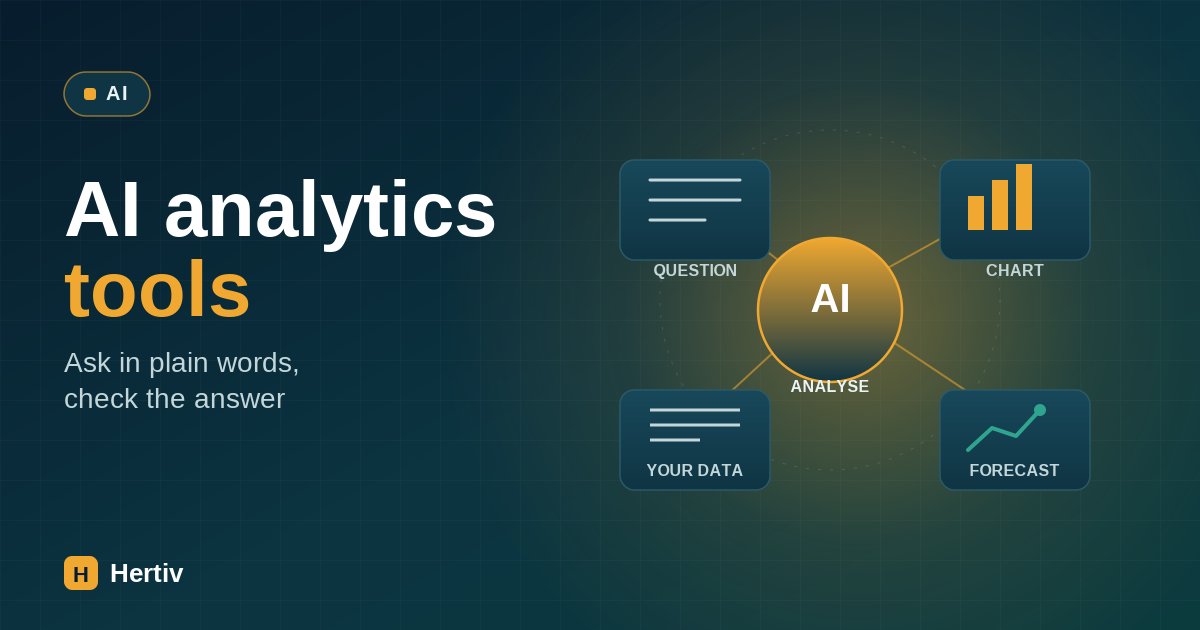
The best AI data analytics tools turn plain-language questions into charts, forecasts and alerts. Compare eight AI-first tools, not just dashboards.
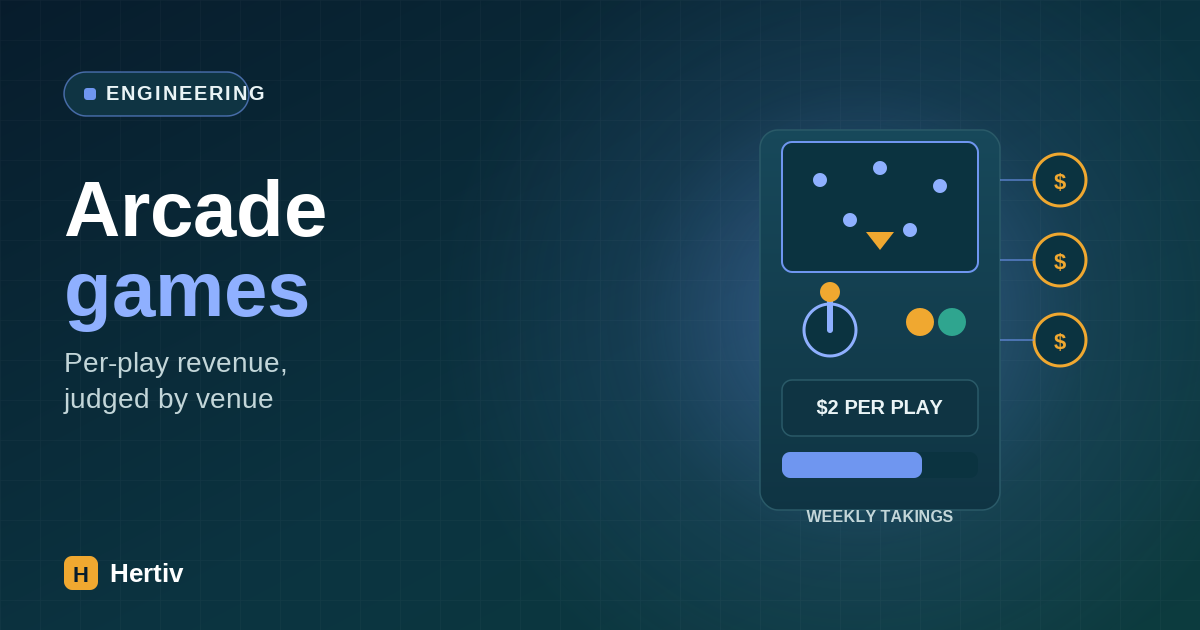
Arcade game development can pay off when the game earns from many small plays in venues, not from one sale. Here is how the money works and what to check first.
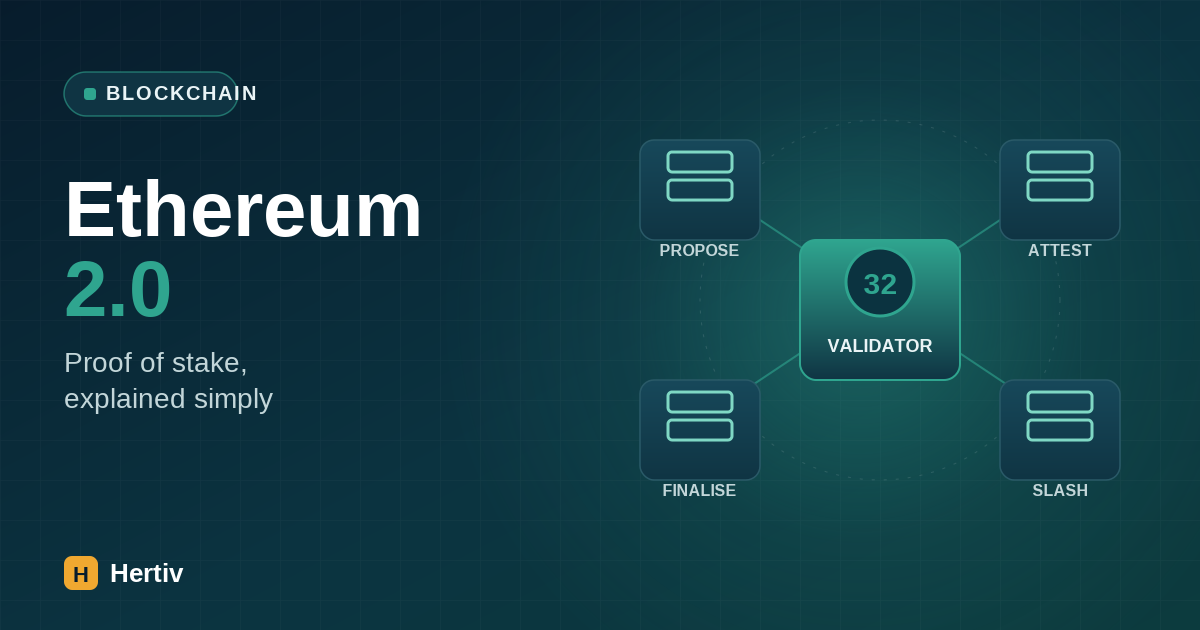
Ethereum 2.0 is the upgrade that moved Ethereum from proof of work to proof of stake. Here is what changed, how staking works, and what it means for users.
Blockchain helps pharma track drugs, prove trial data and share records between companies. It works where a shared, tamper-evident record settles a real dispute.
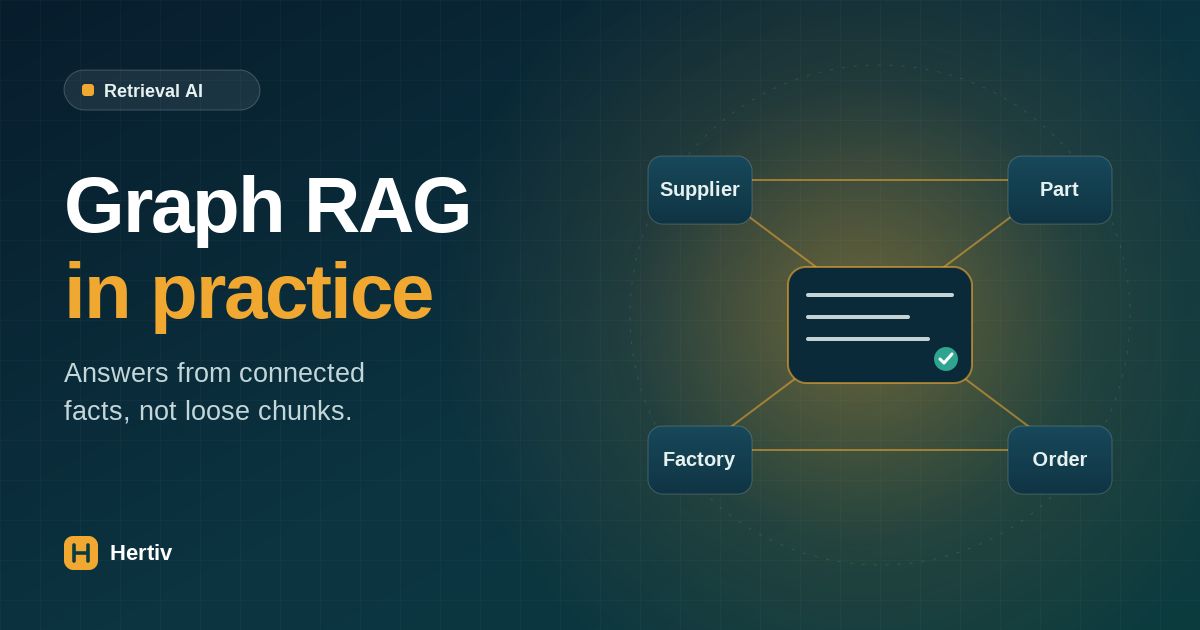
Graph RAG answers questions from a knowledge graph, not plain chunks. Build the graph, retrieve the relevant subgraph, and let the model answer from it.
Slot games earn from small, repeated bets over long sessions, so a title can pay for itself. Whether it pays off depends on cost, reach and retention.
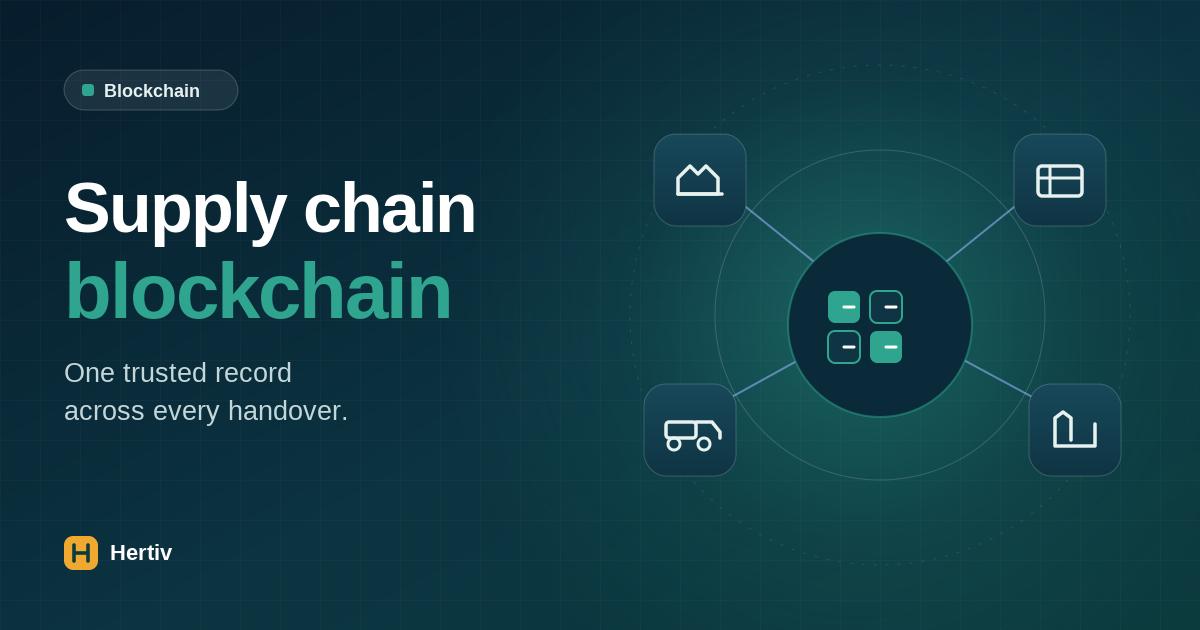
Enterprise supply chains use blockchain to share one trusted record across suppliers, carriers and buyers. Here are eight use cases that work.
AI applications now appear in almost every industry, from factories to hospitals, but the patterns repeat. Here is where they work and how to pick a starting point.
Hybrid search pairs keyword matching with vector search so a query finds exact terms and related meaning. Here is how to build it, from data preparation to ranking.
White label gaming solutions let operators launch a casino or sportsbook in weeks, not months. Here is what they include, what they cost, and where they fall short.
Cloud data warehousing moves your reporting data into a managed service that scales on demand. Here is what changes and what to check before you choose.
A generative AI platform in healthcare should draft, summarise and search, never decide alone. Here is how to pick the first workflows.
Tokenising real-world assets lets supply chain partners trade, finance and track goods on a shared record. These eight use cases show where the value appears first.
A knowledge graph connects the facts in your data so people and AI tools can find answers fast. Here is a practical plan to build one that stays useful.
NFT games can earn money, but most do not. The income comes from a game players stay in, not from the tokens. See how the revenue works and what decides it.
Tokenized real estate lets you buy a fraction of a property through digital tokens. Learn what you actually own, how to evaluate a deal and the risks to watch.
Smart contracts in manufacturing run agreed terms automatically when delivery or inspection events are confirmed. See where they work, what they need and the risks.
Sales automation software handles repeated admin, from follow-ups to pipeline updates. Compare eight tools and pick the one that fits your team.
LLM evaluation means testing your model on fixed cases with known good answers, so you can tell whether a prompt or model change made things better or worse.
No posts on this page match. Use site search (Ctrl K) to search every post.
A senior engineer reads every request and replies within one business day with questions, a rough range, or a call link.