Blockchain
Tempo Blockchain: How It Handles Stablecoin Transactions
Tempo is a payments-first blockchain from Stripe and Paradigm, built for stablecoins. Fees are paid in stablecoins, and payments get their lane in every block.
Page 132 of 233.
5585 posts · page 132 of 233
Tempo is a payments-first blockchain from Stripe and Paradigm, built for stablecoins. Fees are paid in stablecoins, and payments get their lane in every block.
Augmented reality puts digital models over the real classroom, so students can handle a heart or a molecule at their desk. Here is how schools use it.
AI agents for operations handle tickets, incidents, approvals and routine workflows across IT, facilities and support. Here are eight tools worth comparing first.
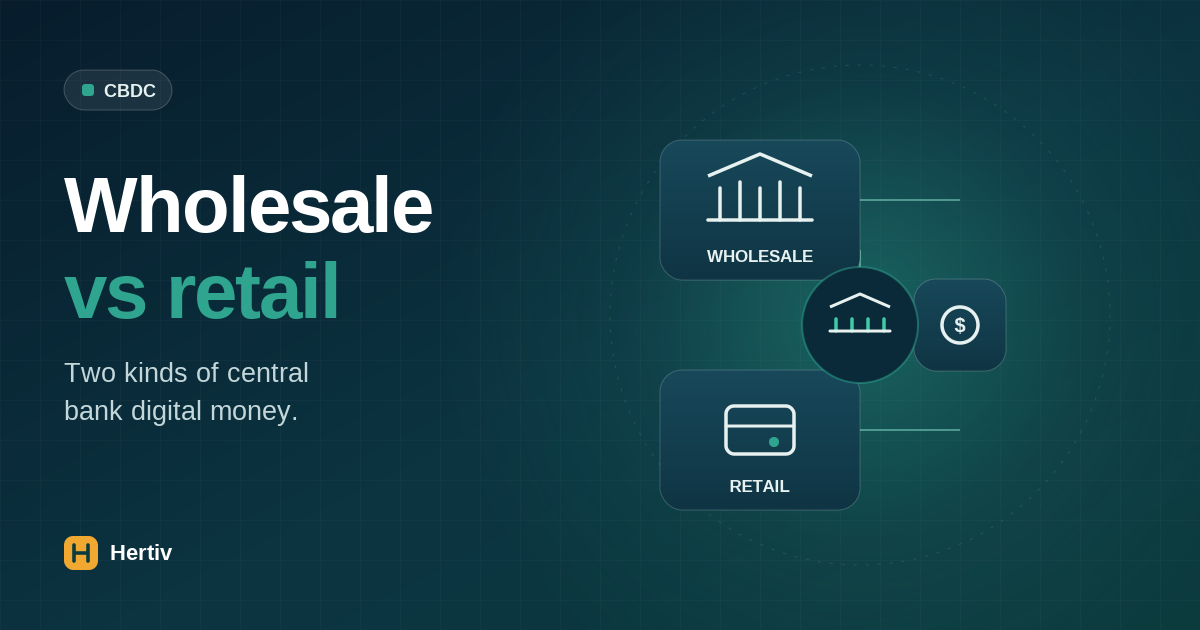
A wholesale CBDC is digital central bank money for banks, while a retail CBDC is digital cash for the public. They share an issuer but serve different users.
A first version of a dating app like Tinder costs $70,000 to $180,000 to build, plus $3,000 to $8,000 a month to run. Matching, chat and safety set the price.
NFT real estate development means building a platform where property rights are held as NFTs. What to build first, which chain to pick, and the checks to run.
Cloud container security software scans images, watches running containers and checks settings. Here are eight tools worth comparing, and what each is best for.
Sensors on engines, wheels and cabins send data to the ground while a plane flies. Here is what IoT tracks, how the data travels, and what airlines do with it.
AR overlays live data on real equipment, and VR trains staff in safe virtual plants. Here is how energy teams use both, what a pilot needs, and where the limits are.
An ecommerce app like Noon costs roughly $70,000 to $160,000 for a first version. Here is what drives the price and how to plan the budget.
Sustainable NFT solutions cut the energy and waste of creating and trading NFTs. Here is how greener chains, smarter minting and honest reporting work.
The Ethereum ICO boom let anyone sell a token to the world in weeks. Here is what drove the hype, what went wrong, and what survived after the bubble burst.
A stablecoin payment gateway lets a shop take USDC or USDT and settle in crypto or fiat. These eight gateways cover different coins, fees and payout options.
Hospitals own thousands of devices, from beds to scanners, and losing track costs time and money. Asset management gives every item a record and a service plan.
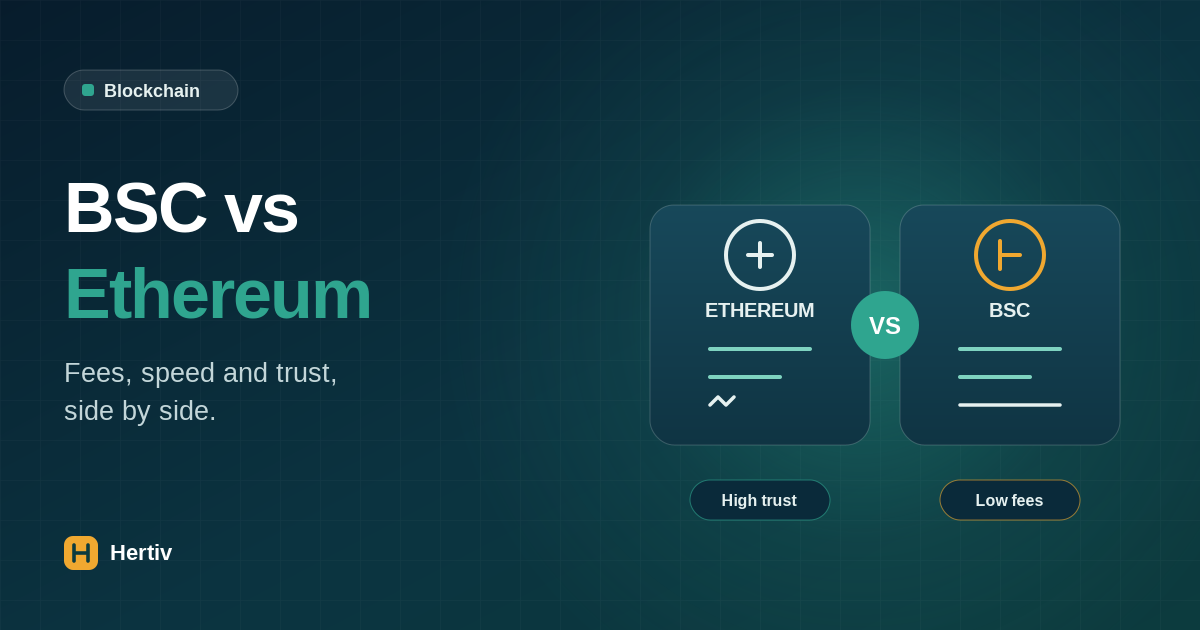
BSC and Ethereum both run smart contracts, but they differ on fees, speed and tooling. Pick the chain that fits your users and your budget.
A health monitoring app like MyChart costs $70,000-$160,000 for a first version and $180,000-$400,000 for a full platform, depending on features and rules.
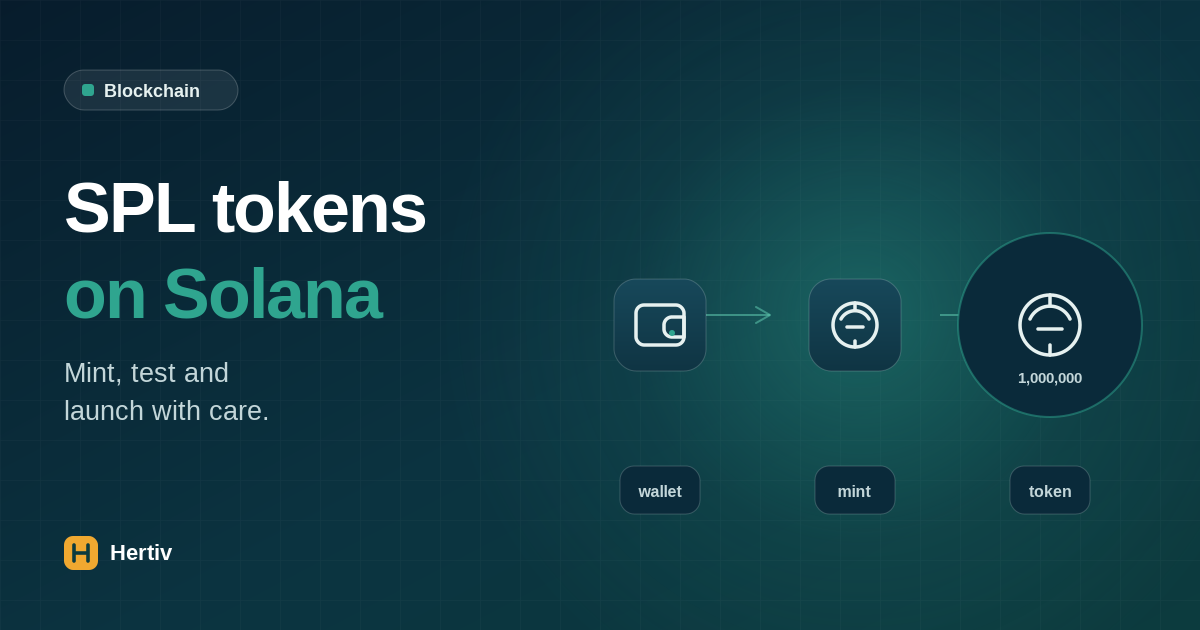
SPL token development means creating a fungible token on Solana with the Solana Program Library. Here is what you need, the steps, and the checks before launch.
AI agents for procurement read requests, check suppliers, draft orders and flag risky spend. Here are eight tools worth comparing, and what each is best for.
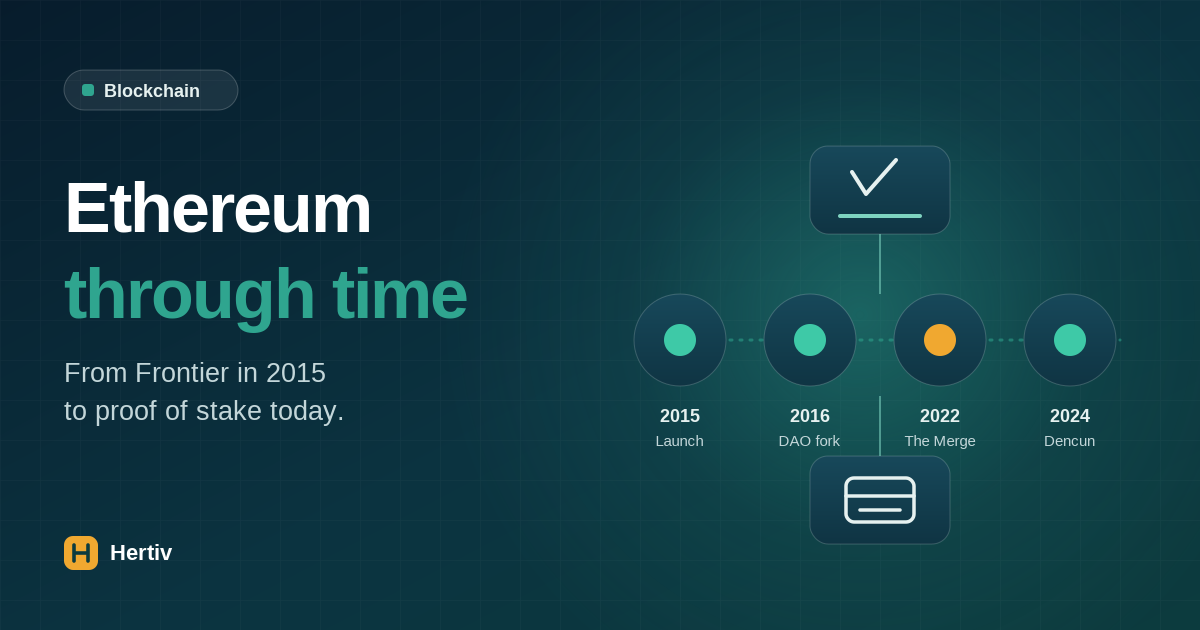
Ethereum began in 2015 as a programmable blockchain and has changed its consensus and scaling plan several times. Its history explains how the network works today.
Augmented reality lets shoppers see a product in their room or on their body before buying. Retailers use it to cut returns and guide shoppers.
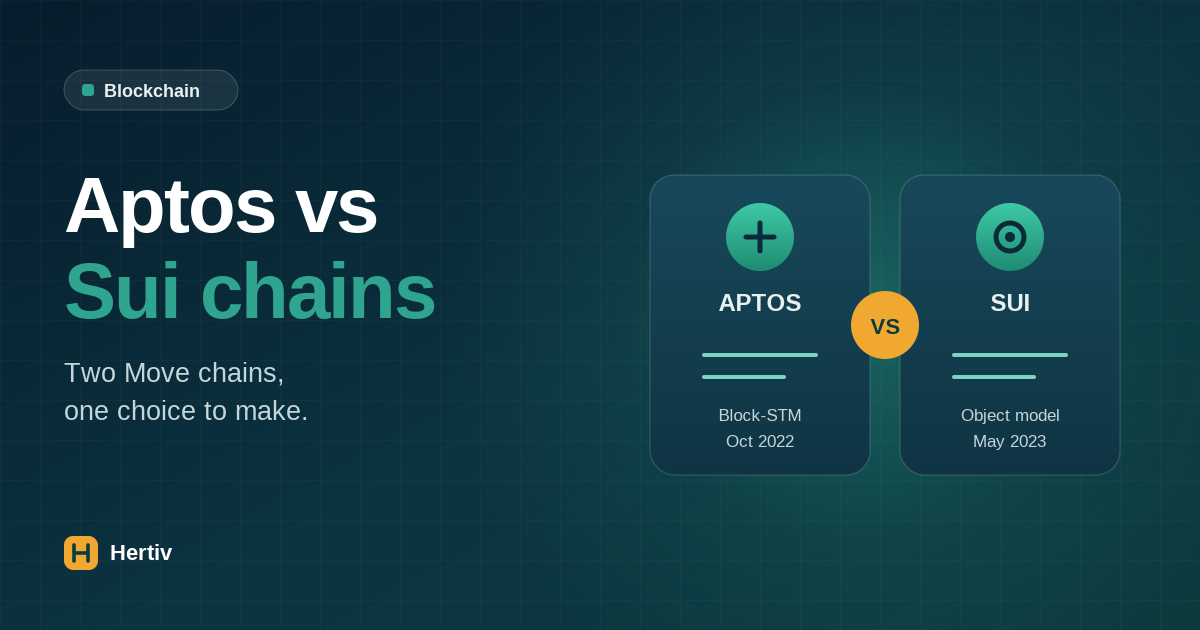
Aptos and Sui are both Move blockchains from the Diem project, but they organise state and reach agreement in different ways. The right pick depends on your app.
An ecommerce app like 2B, the Egypt electronics retailer, needs a catalogue, search, cart, payments and delivery tracking. A first version costs $70,000-$160,000.
Getting music into the metaverse means placing songs, shows or merch inside virtual worlds where fans gather. Pick a world, sort your rights, then perform.
IoT in fleet management puts sensors in vehicles and turns their data into better routes, fuel use and maintenance. Here is how a connected fleet works.
No posts on this page match. Use site search (Ctrl K) to search every post.
A senior engineer reads every request and replies within one business day with questions, a rough range, or a call link.