AI
AI Copilots in Ecommerce: 8 Use Cases That Work
AI copilots in ecommerce draft product copy and answer buyer questions. The ones that work sit inside the tools your team already uses, with a human checking drafts.
Page 18 of 223.
5341 posts · page 18 of 223
AI copilots in ecommerce draft product copy and answer buyer questions. The ones that work sit inside the tools your team already uses, with a human checking drafts.
Blockchain for B2B retail gives wholesalers and retailers one shared record of orders, deliveries and payments, so disputes are settled with facts both sides see.
Open source document AI tools read invoices and contracts without a per-page cloud bill. These eight cover OCR, layout parsing and pipelines you run yourself.
Blockchain moves money across borders on a shared ledger instead of through a chain of banks. Here is how it works, where it helps and what still slows it down.
AI development services design, build and support custom AI software, from copilots to models trained on your data. Here is what one includes.
Voice agents answer shoppers, take orders and chase deliveries by phone and voice chat. These eight ecommerce use cases show where they earn their keep.
AI-driven personalization watches what each person does, builds a profile, and ranks what to show next. Here is how the pipeline works, and how teams test it.
Eight open source platforms that run enterprise AI without licence fees: model hubs, inference servers, pipelines and tracking. Compare what each one does best.
Blockchain for health insurance gives insurers, hospitals and patients one shared record of cover, claims and credentials, cutting rejections and duplicate billing.
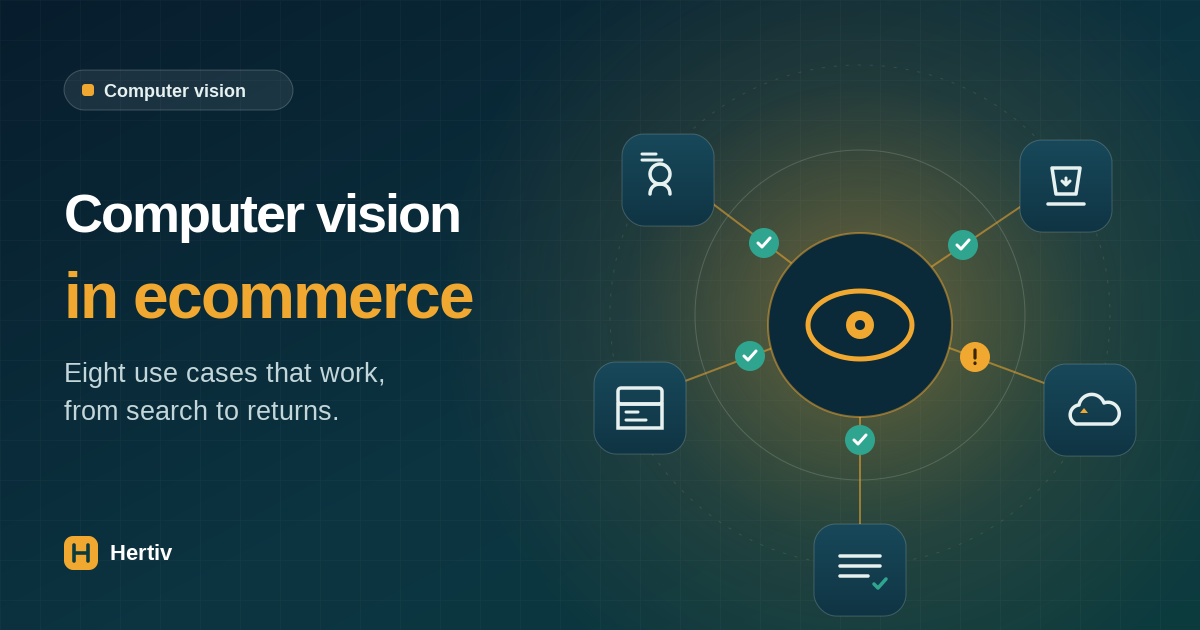
Eight computer vision use cases that work in ecommerce, from visual search and photo checks to warehouse picking and returns inspection, with what each needs.
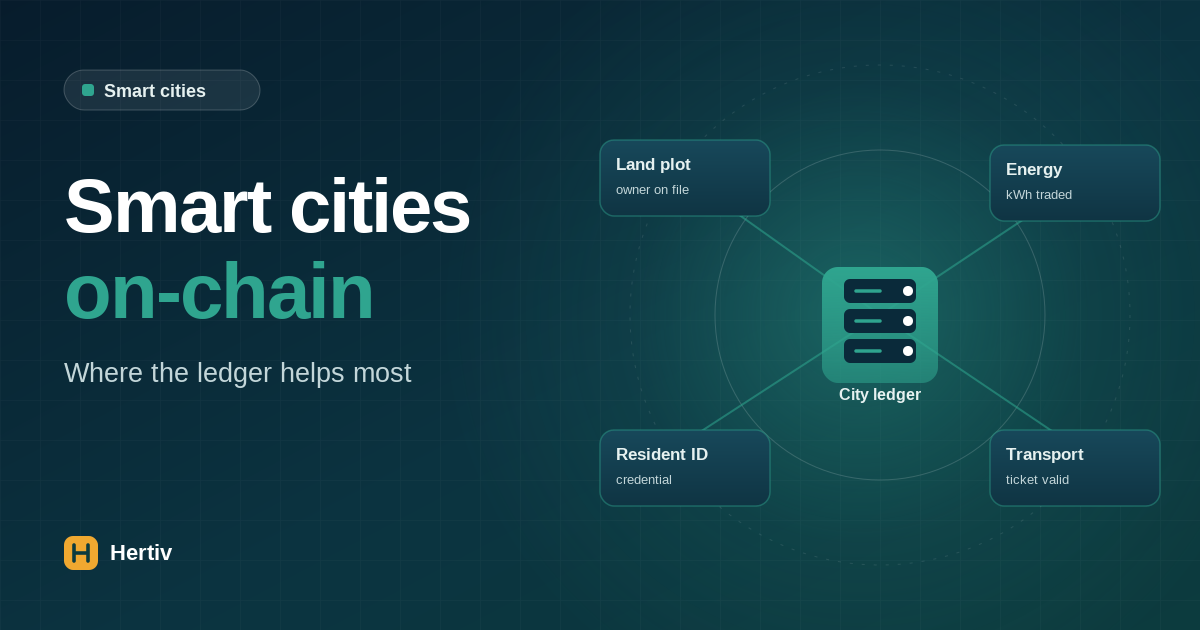
Blockchain helps smart cities where records must be shared and trusted: land registries, energy grids and identity checks — not everywhere, and not on its own.
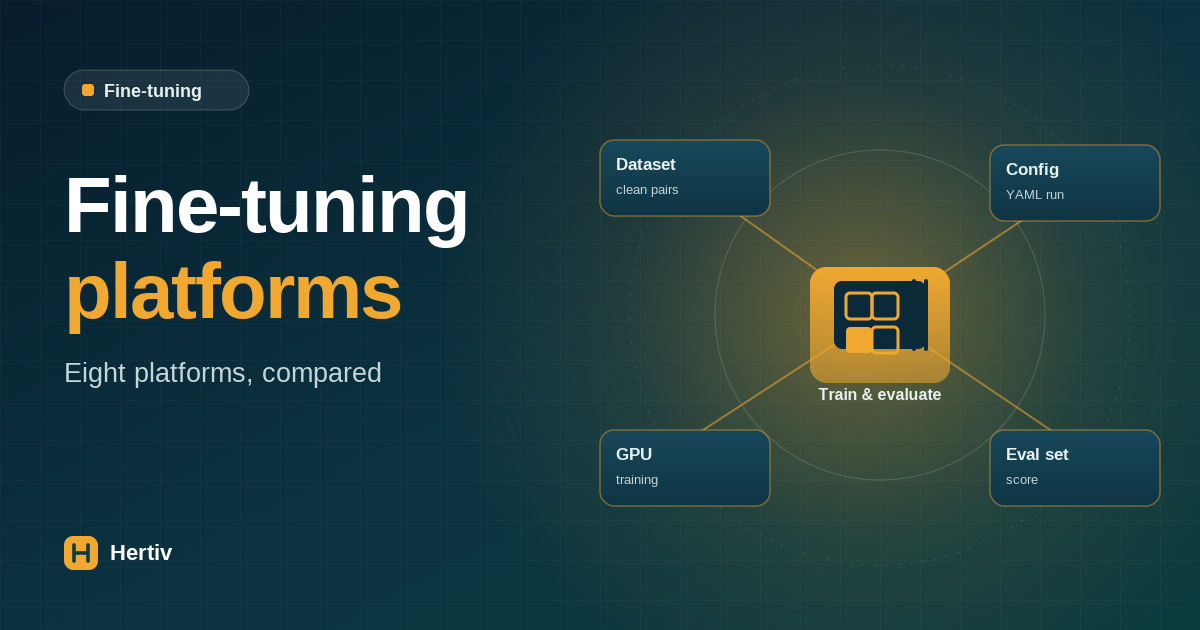
Eight open source fine-tuning platforms compared: Axolotl, LLaMA-Factory, Unsloth, TRL and torchtune — what each runs on and what it is best for.
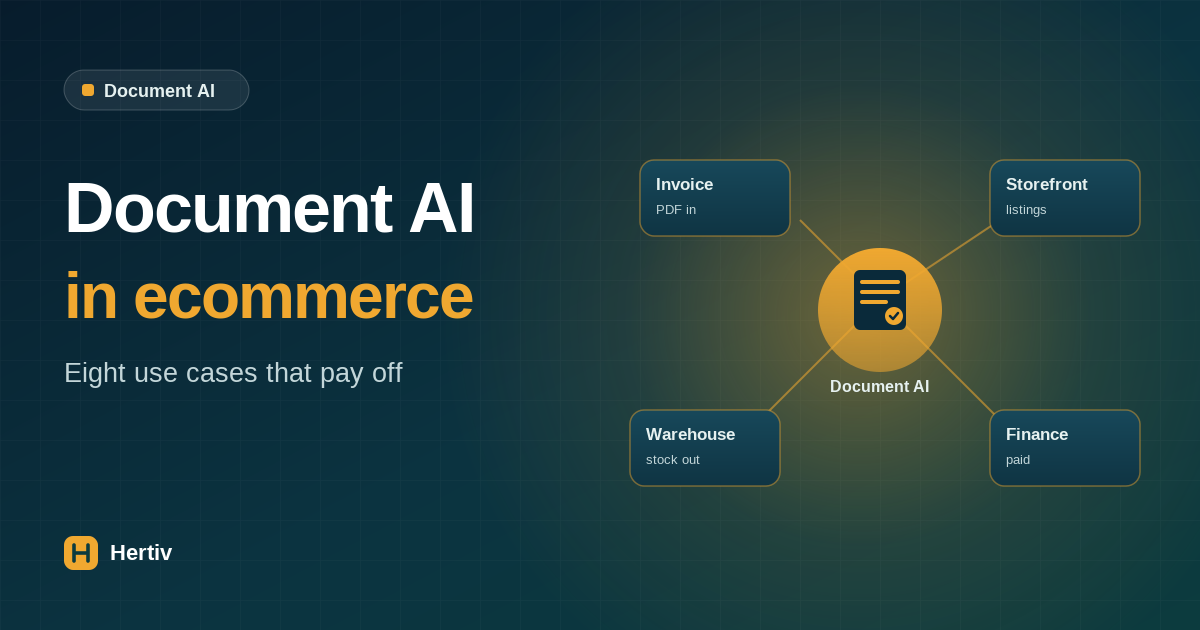
Document AI reads the paperwork behind an online store — invoices, returns forms, customs papers and catalogues — and turns it into data your systems can use.
Blockchain helps small businesses take crypto payments, run loyalty points and keep trusted records without building anything. Here is where it pays off.
AI and Layer 2 meet when AI agents need cheap, fast blockchain transactions. Here is how the two fit together and what you can build with them.
A DAO fits supply chains where companies share work and argue about it: who joins, how orders are split, what counts as delivered and who pays when things go wrong.
Blockchain helps sustainability when a shared record removes doubt: carbon credits, product origins and energy data buyers, auditors and regulators can check.
Chatbots grow a business by catching more leads, answering buyers faster and cutting the cost of each support chat. Here is how the growth works.
Open source LLM observability tools trace prompts, score outputs and watch costs without sending your data to a vendor. Here are eight compared.
dApps give every party in a supply chain one shared record to check, instead of each company keeping its own copy. Here are eight use cases that work.
Evaluating an AI service means testing its claims on your own data, checking data handling and pricing, and comparing vendors on the same pilot. Here is how.
Blockchain identity management lets people prove who they are without a central database holding their data. Here is how DIDs, credentials and wallets fit together.
Eight open source tools that watch models after release: drift checks, data tests, traces and dashboards. Compare what each one watches and what it costs to run.
Enterprise blockchain helps schools prove diplomas, transcripts and skills without slow paper checks. Here are eight use cases that work in education.
No posts on this page match. Use site search (Ctrl K) to search every post.
A senior engineer reads every request and replies within one business day with questions, a rough range, or a call link.