Engineering
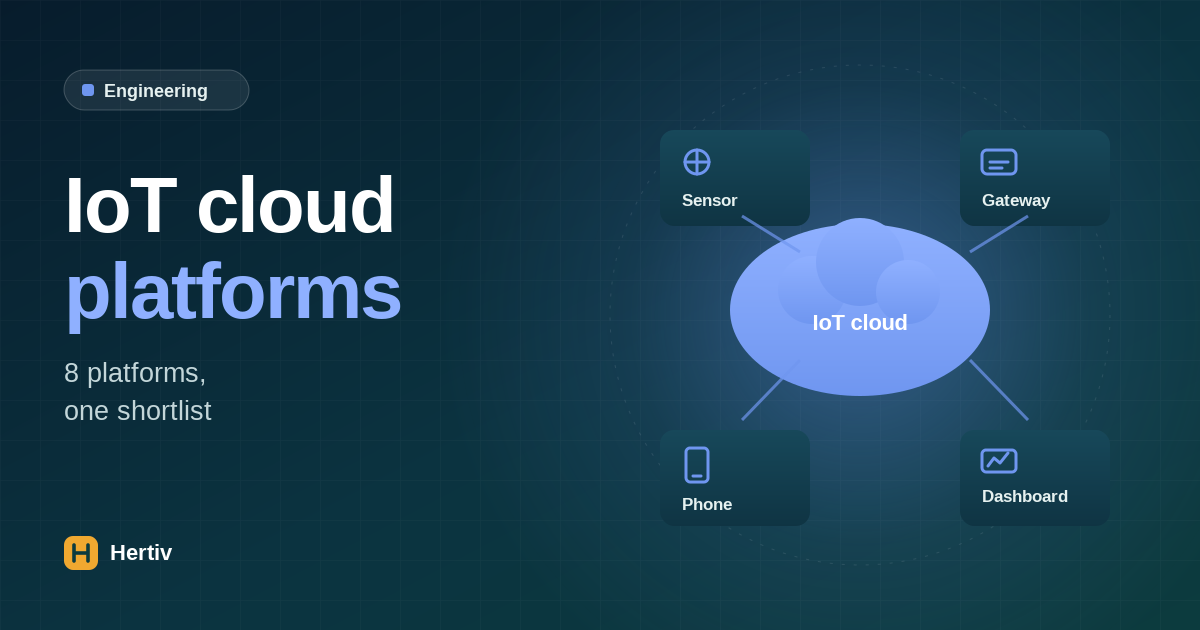
8 IoT Cloud Platforms Worth Comparing
An IoT cloud platform connects your devices, routes their data and runs the rules that act on it. Here are 8 to compare, from hyperscalers to open-source options.
How to scope, build and run software products: MVPs, SaaS, cloud and teams.
1737 posts · page 23 of 73
An IoT cloud platform connects your devices, routes their data and runs the rules that act on it. Here are 8 to compare, from hyperscalers to open-source options.
Flutter 1.12, released on 11 December 2019, was the biggest Flutter release of its year. It brought Dart 2.7, web support in beta and macOS in alpha.
A keyword research API puts search volume, difficulty and related keywords into your own tools. Here are 8 APIs to compare, from raw data feeds to suite bundles.
ERP for oil and gas connects exploration, production, transport and refining in one system. Here is what it covers and how to pick one that fits your operations.
Medical coding software turns clinical notes into coded claims. Here are 8 tools for hospitals, health systems and individual coders.
DevOps for a startup means one pipeline that builds, tests and ships code with little manual work. Here is the minimum setup and what to automate first.
Live event announcements in a Flutter app tell users about an event as it happens, using push notifications, in-app banners and a live screen that updates.
CI/CD tools build, test and deploy your code every time you push. Here are 8 tools that fit startup teams, from free open-source runners to hosted pipelines.
A forex trading app in the UAE needs live prices, fast order placement, KYC checks and a licensed broker partner. Here is what to build and how the rules shape it.
Accounting practice management software usually costs $120,000-$250,000 for a first version with jobs, time and billing. Here is what each part costs.
SaaS backup software keeps a recoverable copy of your cloud apps, files and servers. Here are 8 tools that fit teams from small business to enterprise.
Code review tools give every change a second pair of eyes before production. Here are 8 tools that fit startup teams, from built-in pull requests to AI reviewers.
Functional testing tools check that software does what it should, from buttons and forms to APIs and logins. Here are the main kinds and how to pick one.
Business software falls into a few clear types, from operating systems to apps that run sales and finance. Here is what each type does and what it costs.
The best SaaS billing software depends on how you sell and who owns the books. Here are 8 tools, from Stripe Billing to Paddle, compared side by side.
An app like Bird usually costs $150,000-$350,000 for a first version with maps, scooter unlock and payments. Here is what each part costs and why.
Data observability tools watch your tables and pipelines for late, missing or changed data. Here are 7 tools that fit startup teams and budgets.
Mobile app development for startups works best as a small MVP with one clear job, built in 3–6 months. Here is how to plan, budget and launch it.
An app like Komoot usually costs $150,000–$350,000 for a first version with route planning, offline maps and voice navigation. Here is what each part costs and why.
A business mobile app puts your service, store or team tools in your customers' pockets. Here is what to build first, what it costs, and the mistakes to avoid.
A data pipeline moves data from source to warehouse, shapes it, and runs it on a schedule. These eight tools cover those jobs without an enterprise budget.
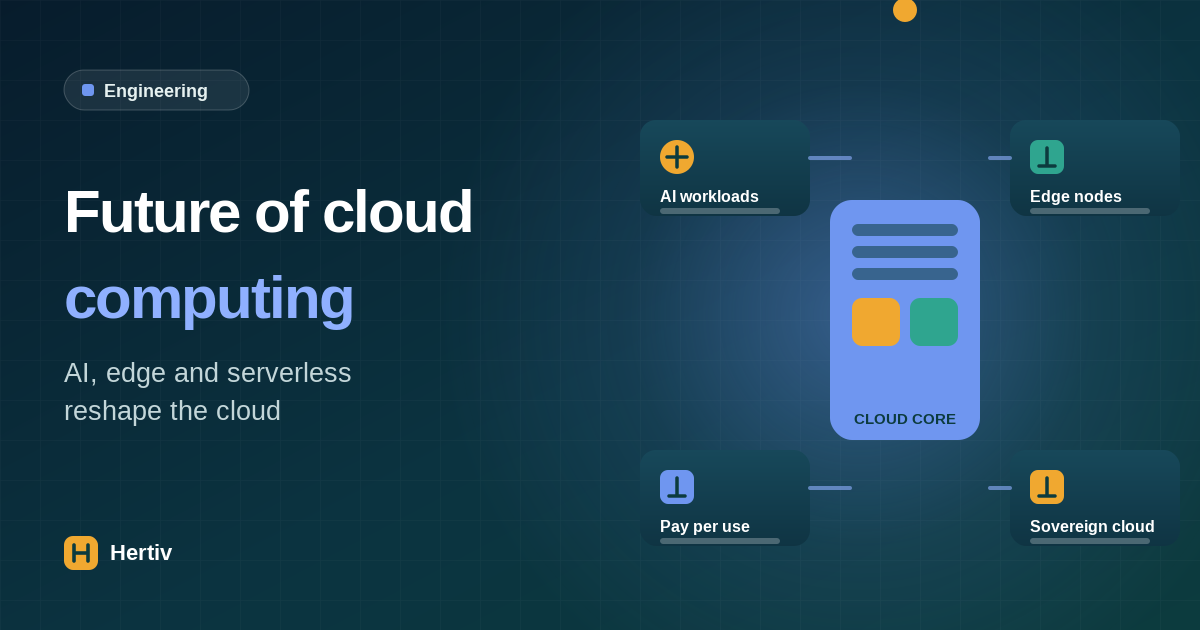
Cloud computing is shifting toward AI workloads, edge locations and pay-for-use billing. Here is what is changing, what stays the same, and how to prepare.
A diet and nutrition app usually costs $120,000–$250,000 for a first version with food logging, meal plans and calorie goals. Here is what each part costs.
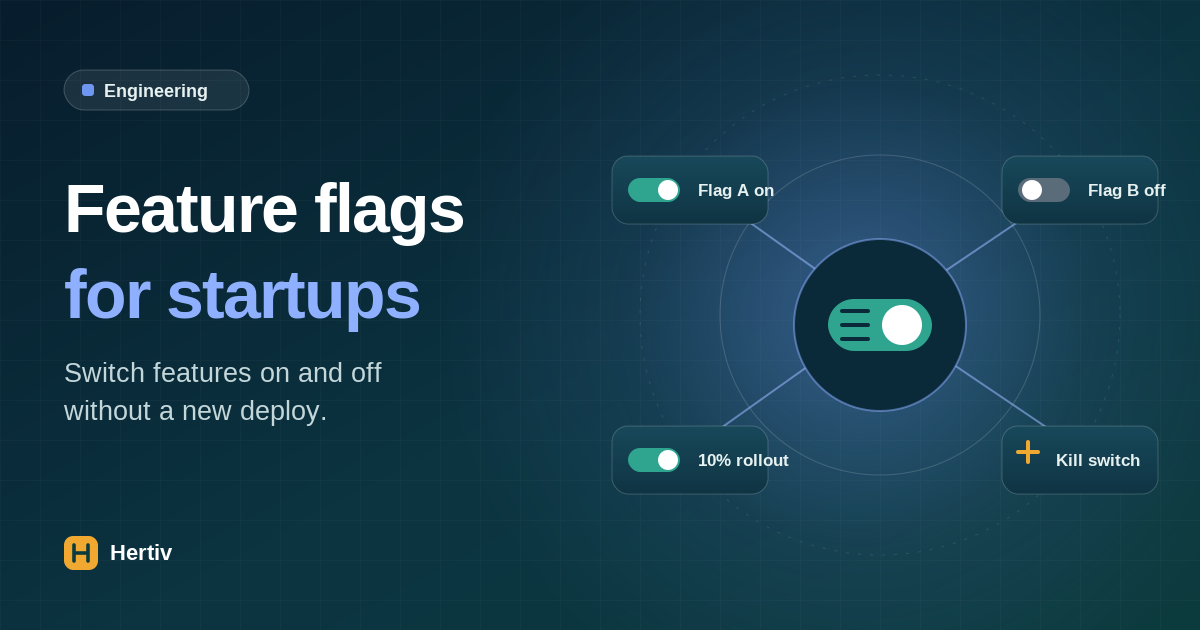
Feature flags let a startup switch a feature on for some users and off for others without a new deploy. Here are eight tools, what each does best, and how to pick.
No posts on this page match. Use site search (Ctrl K) to search every post.
A senior engineer reads every request and replies within one business day with questions, a rough range, or a call link.