Staff Augmentation vs Dedicated Team: Which Model Fits Your Roadmap?
Staff augmentation adds individual engineers to your existing team. A dedicated team is a managed group that owns delivery. The right choice depends on control, speed and scope.
Page 219 of 221.
5282 posts · page 219 of 221
Staff augmentation adds individual engineers to your existing team. A dedicated team is a managed group that owns delivery. The right choice depends on control, speed and scope.

A travel booking app typically ranges from about $60k for a single-vertical MVP to $400k+ for multi-supplier, multi-currency platforms, driven by supplier integrations and payments.
Reduce app size by auditing what ships, removing unused code and assets, compressing media, splitting features on demand, and tracking size in CI so it stays down.
Edge AI, fleet observability, zero-trust device identity and digital twins are the IoT shifts worth planning for. Here is what each changes for your stack.
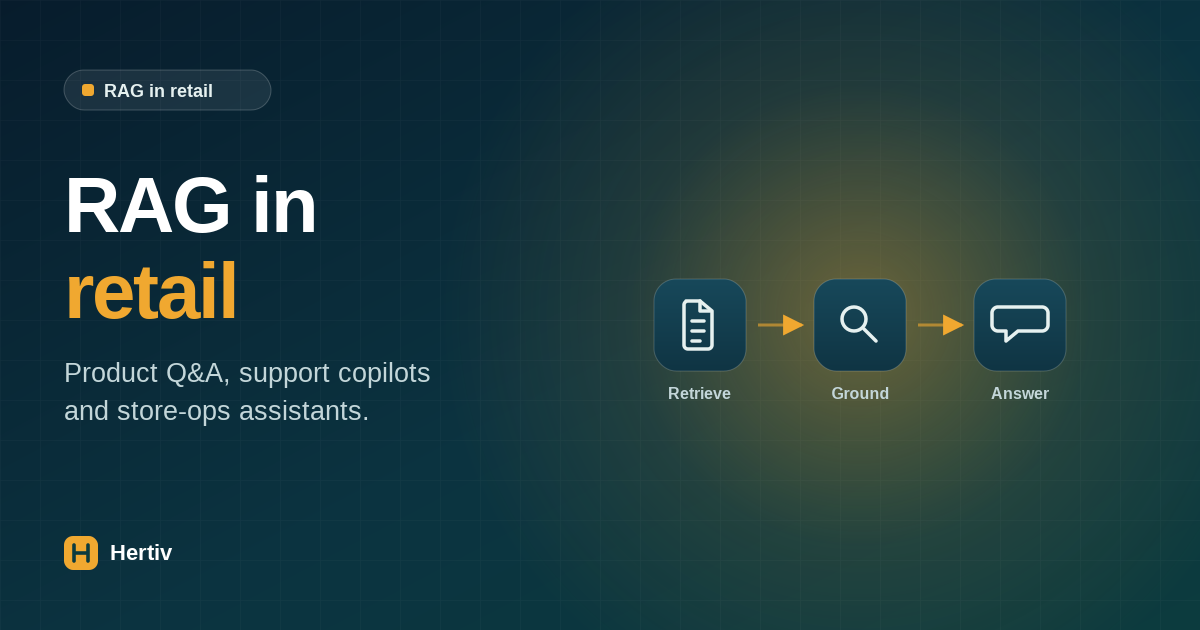
Eight practical RAG use cases for retail teams, from product Q&A and support copilots to store-ops assistants, with the data each pattern needs and how to choose.
A practical way to judge a data science or AI company: what capabilities actually matter, questions that expose real depth, and a 5-step evaluation checklist.
Substrate fits custom L1 chains, app-chains and enterprise networks that need control over fees, governance and runtime logic. Here is when it beats a smart contract.
Technical debt is the future cost of shortcuts in code and design. Learn how to identify, measure, prioritise and pay it down without stalling your roadmap.
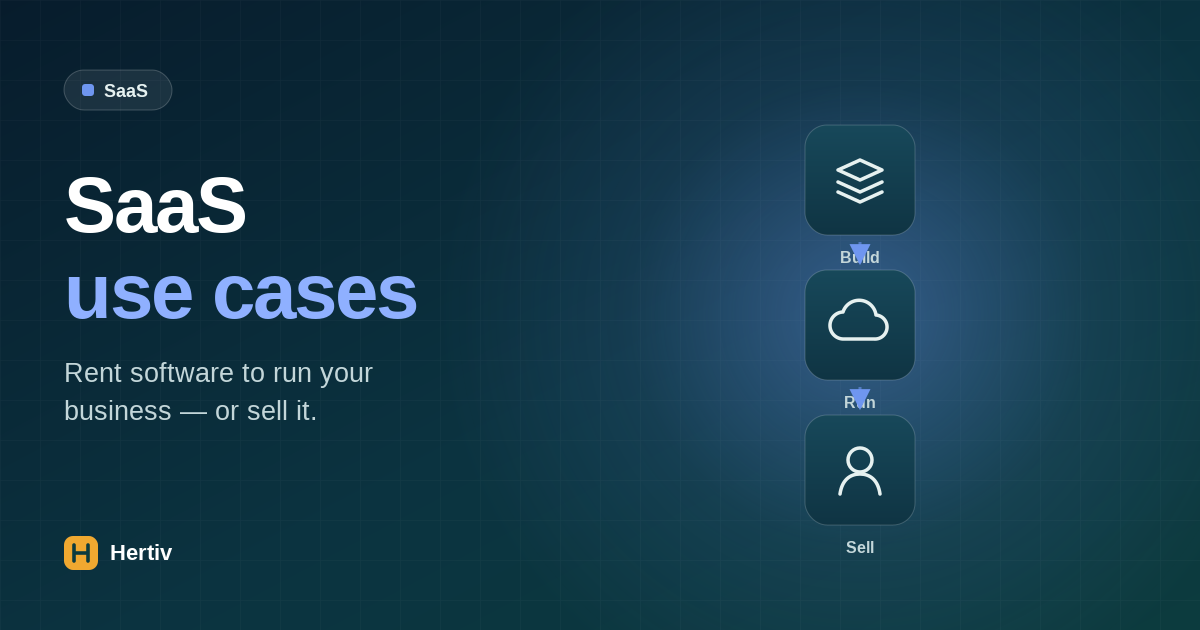
SaaS use cases split into two groups: software you rent to run your business, and software you build and sell by subscription. Here is where each fits and how to decide.
A generative AI platform for telecom combines network, billing and CRM data with LLMs to automate support, field work and network operations. Here is what to build first.
APIs in fintech connect banks, payment processors, identity checks and ledgers into one product. Learn the patterns, security and failure handling that matter.
Ethereum leads on security and liquidity; alternatives like Solana and Polygon win on cost, speed or fit. Compare them by trust model, tooling and audit needs.
Cloud platforms need DAST that authenticates, scans APIs and fits CI/CD. Compare leading tools and pick by fit, not by feature lists.
A practical look at ChatGPT alternatives for business: Claude, Gemini, Llama, Mistral and open-source models, what each is good at, and how to choose for your team.
DeFi trends change what traders expect from an exchange: non-custodial access, on-chain liquidity, real-time settlement and transparent fees. Build for those expectations early.
Compare Kubernetes cost optimization tools by what they actually do: visibility, rightsizing, automation and committed-use planning. Learn how to pick the right one.
Svelte compiles components into plain JavaScript with less boilerplate; React uses a virtual DOM and a vast ecosystem. Choose React for hiring and libraries, Svelte for lean, fast UIs.
Wearable app development cost depends on device platforms, sensors, companion apps, backend sync and health data compliance. Typical builds range from simple to complex.
Cloud cost reduction comes from visibility, right-sizing, commitment discounts and architecture changes. A practical, ordered playbook for engineering leaders.
A practical comparison of open source Vercel alternatives like Coolify, Dokku, CapRover, Dokploy, Kamal and Netlify's open core — what each deploys well and where it falls short.
Metaverse development companies are reshaping enterprise software by building 3D, real-time, spatial environments that connect digital twins, training, commerce and collaboration.
A practical guide to choosing a Canadian software development company: how to compare firms, what to verify, and which model fits your project.
NB-IoT suits low-power sensors that send small amounts of data indoors or underground. Here are the use cases that work well, the ones that do not, and how to choose.
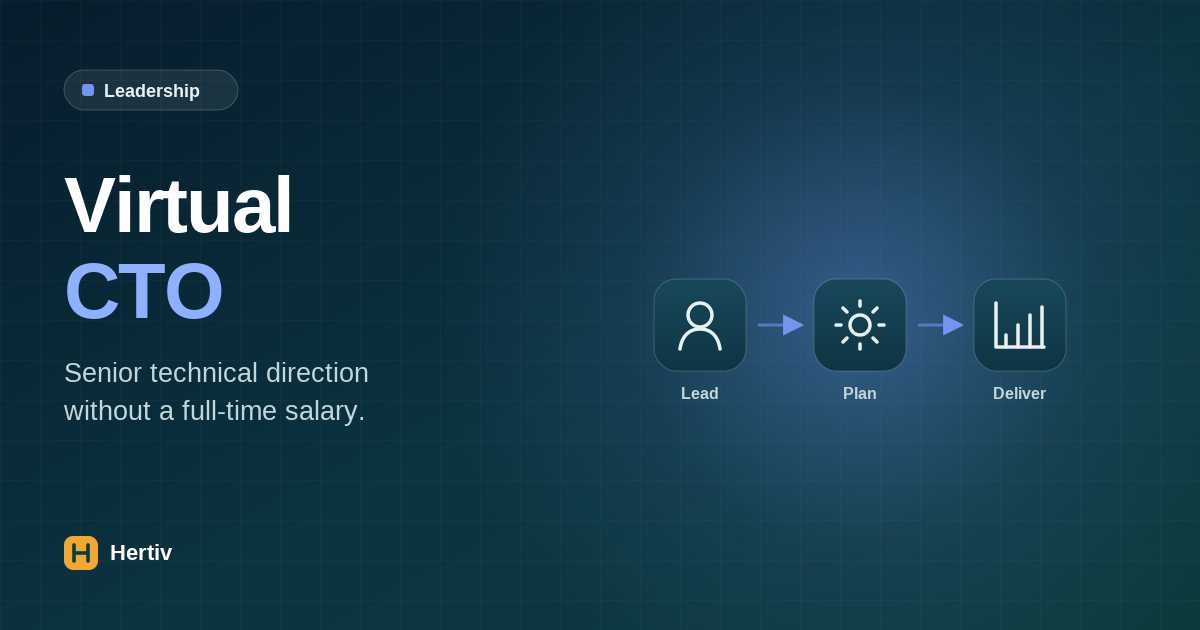
A virtual CTO is a part-time senior technical leader who sets architecture, hiring and delivery direction without a full-time salary. Learn when to bring one in.
No posts on this page match. Use site search (Ctrl K) to search every post.
A senior engineer reads every request and replies within one business day with questions, a rough range, or a call link.